
 English
 中文简体
中文简体 Deutsch


How Does the Material of a Ps Wine Glass Affect Its Durability and Appearance?
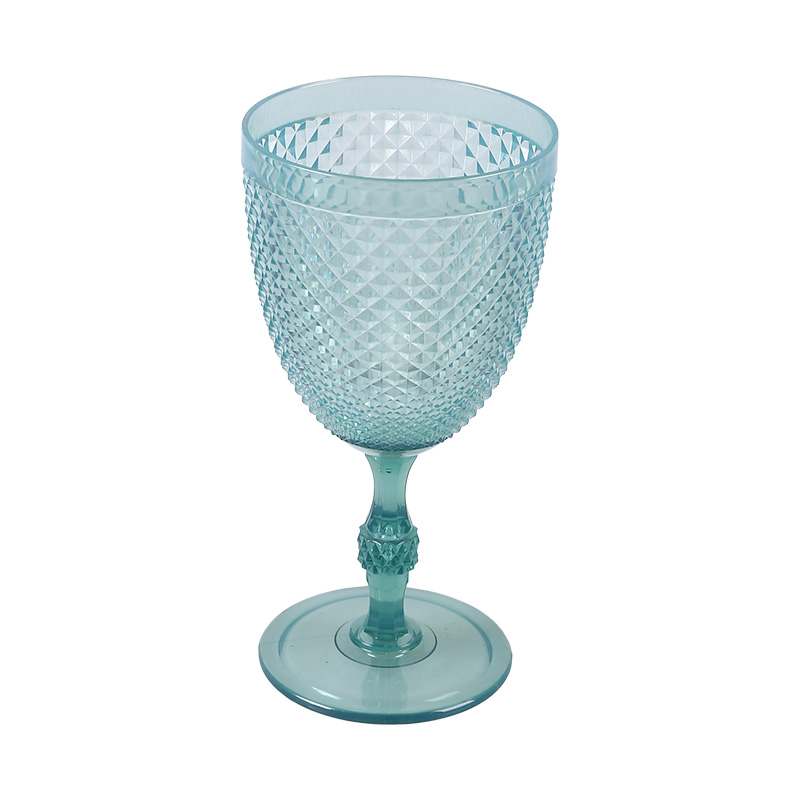
When it comes to wine glasses, the material often determines both functionality and aesthetics. A Ps Wine Glass is increasingly popular because its material—polystyrene—offers a combination of clarity, light weight, and durability that traditional glass sometimes lacks. Understanding the role of material helps consumers, event organizers, and hospitality professionals make more informed choices.
1. Understanding Polystyrene and Its Properties
Polystyrene (PS) is a type of thermoplastic polymer that can be molded into clear, rigid, and lightweight forms. In the case of a Ps Wine Glass, this material allows for a visually appealing, transparent finish that resembles glass while being far more resistant to accidental breakage.
Key material properties include:
- Lightweight design: Easy to handle, transport, and store.
- High clarity: Offers a clean, glass-like look for wine and cocktails.
- Impact resistance: Less likely to chip or shatter during use.
These characteristics make a Ps Wine Glass suitable for both indoor and outdoor events, where fragile glassware might not be practical.
2. Material Benefits for Everyday and Commercial Use
The polystyrene material used in a Ps Wine Glass adds several functional advantages. For households, it reduces the risk of injuries caused by broken glass, especially around children or pets. For commercial use, such as catering, wineries, or outdoor events, the material allows staff to serve drinks quickly without constant concern over breakage.
Polystyrene also supports repeated use in some thicker designs, meaning that a Ps Wine Glass can be washed carefully and reused for multiple events. Its resistance to scratches and minor dents ensures that it maintains a clear, appealing look over time.
3. Manufacturing Techniques Influence Quality
The way a Ps Wine Glass is manufactured directly affects its performance. Injection molding and thermoforming are common techniques that shape polystyrene into precise, uniform glasses. These processes allow manufacturers to produce glasses with:
- Smooth rims for comfortable drinking
- Stable bases to prevent tipping
- Uniform wall thickness for consistent weight and feel
Using controlled production methods ensures that each Ps Wine Glass meets quality expectations for clarity and durability.
4. Temperature and Chemical Resistance
One of the material advantages of a Ps Wine Glass is moderate resistance to temperature changes. It can handle chilled or room-temperature wine without warping or cracking. Additionally, polystyrene does not react with beverages, maintaining the wine's flavor integrity.
While it is not suitable for very high heat, its resistance to cold liquids and mild temperature fluctuations makes it a practical option for everyday dining, outdoor picnics, and casual wine tastings.
5. Environmental Considerations and Recycling
Polystyrene has faced scrutiny regarding environmental impact, but a Ps Wine Glass can still fit into responsible practices. Many manufacturers now produce recyclable PS glasses or offer reusable designs that reduce single-use waste. Choosing higher-quality PS glasses allows users to enjoy durable drinkware while minimizing environmental footprint, especially compared to disposable cups.
6. Versatility Enabled by Material Design
The properties of polystyrene allow manufacturers to create Ps Wine Glasses in various shapes, sizes, and thicknesses without sacrificing clarity or strength. This versatility means that the same material can be used for casual gatherings, upscale outdoor events, or practical catering needs. The lightweight nature also supports easy stacking and storage, which is difficult to achieve with traditional glass.
From a manufacturing perspective, the polystyrene material of a Ps Wine Glass plays a crucial role in its performance, durability, and visual appeal. By combining clarity, lightweight design, and moderate impact resistance, this material makes the glass suitable for households, events, and commercial use alike. Understanding these material properties helps users select a Ps Wine Glass that balances aesthetics, practicality, and longevity.
Hot Products
-
Plastic Pants Hanger (3 Bars)
-
Plastic Chopping Board Food Cutting Block Mat Tool
-
Food Storage Container For Adult Kids All-In-One Lunch Box
-
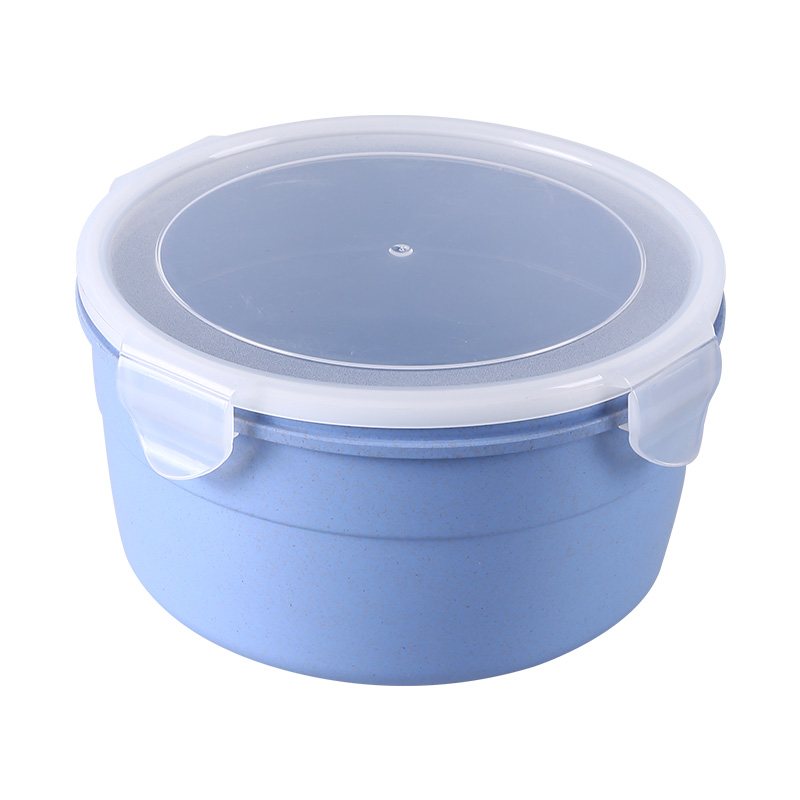
Mini Round Food Preservation Box
-
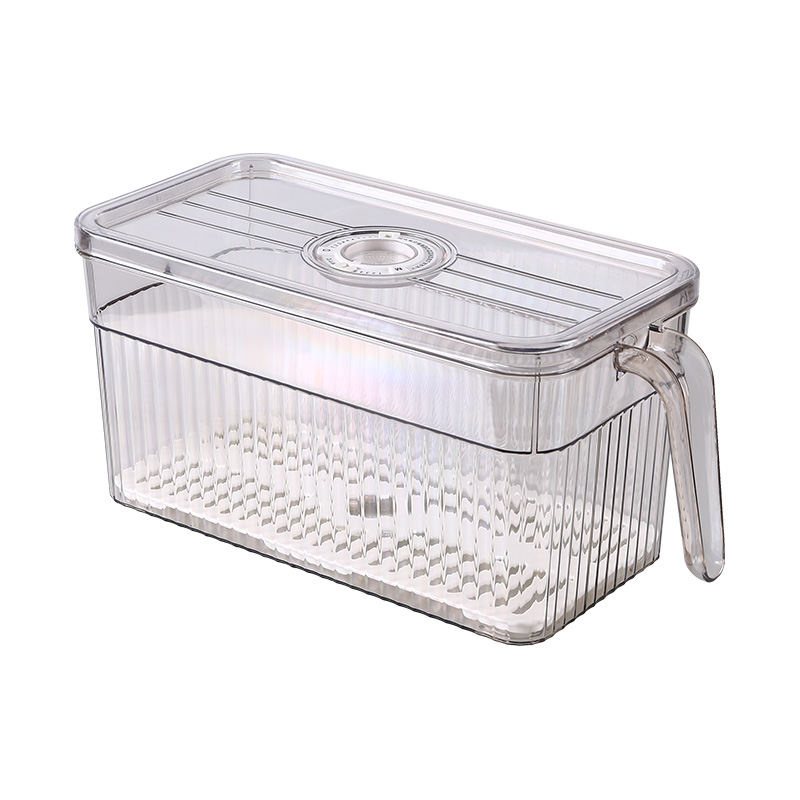
Refrigerator Storage Box Freezer Handle Storage Container
-
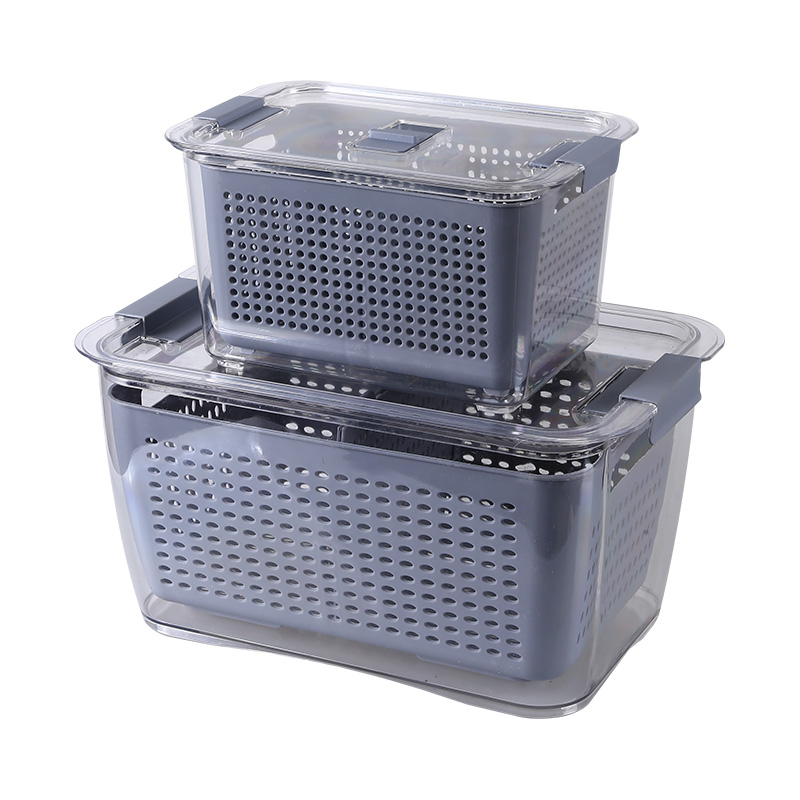
1pc Refrigerator Storage Box With Lid And Drain Basket Fruit Storage Containers Transparent Saver Container Food Organizer Bins
-
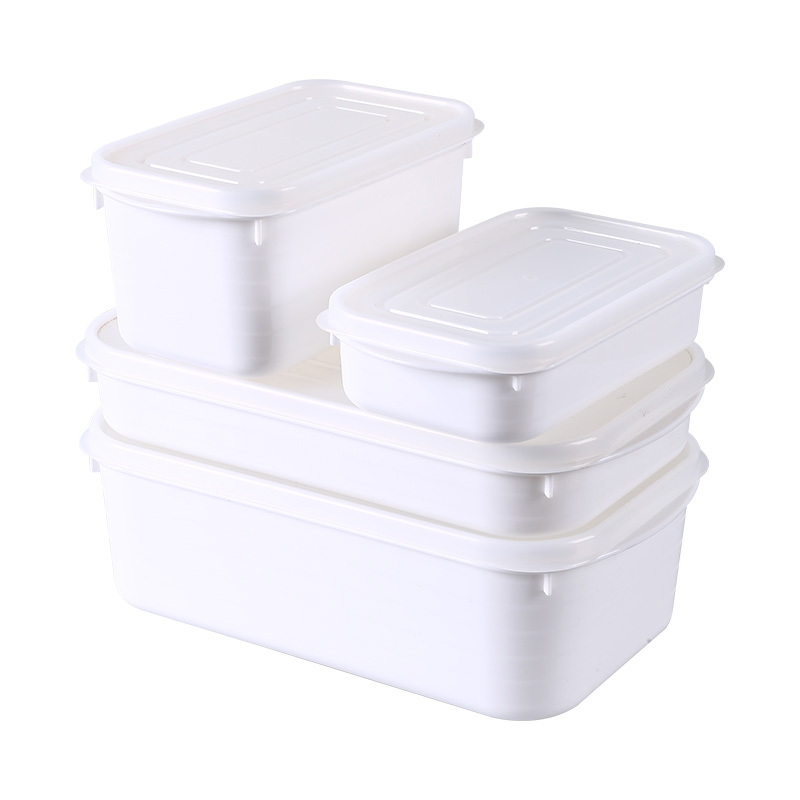
Food Storage Large Capacity Fresh-Keeping Eco Reusable Box Bento Food Leakproof Container
-
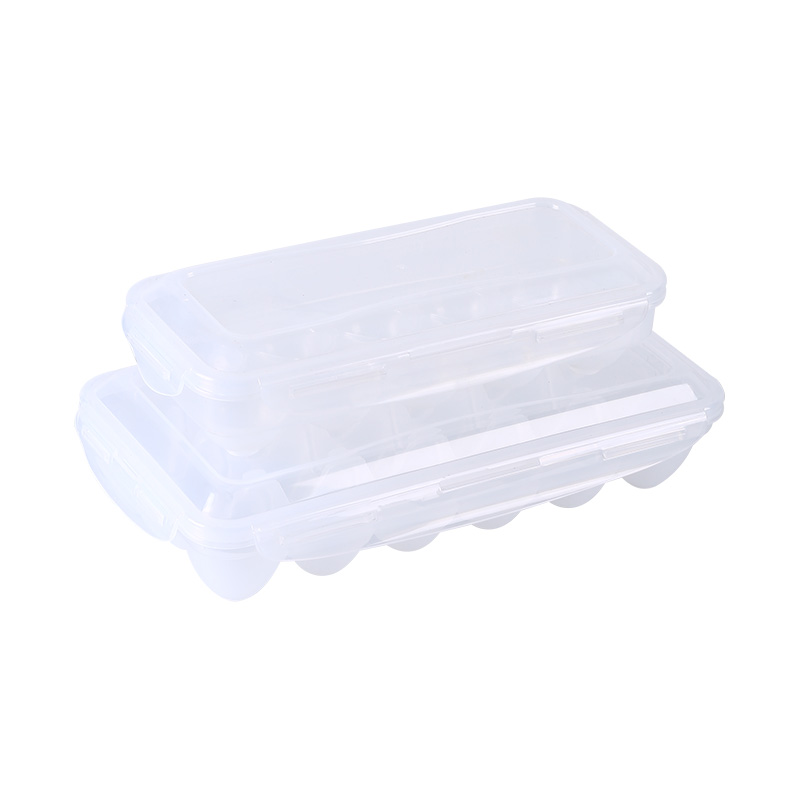
PP Plastic Egg Tray Storage Box
-
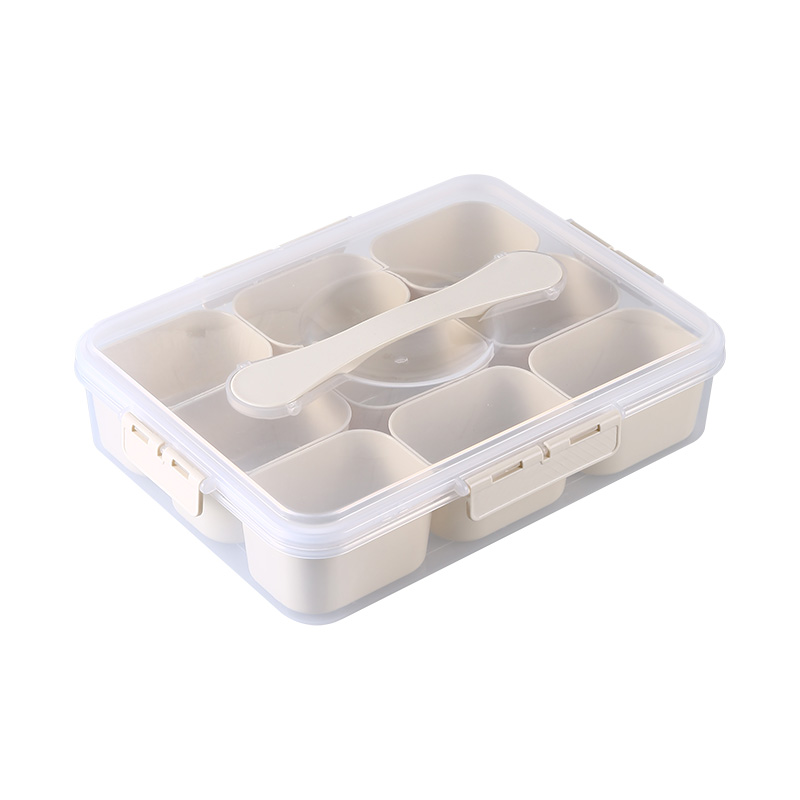
9 Compartment Divided Serving Tray With Lid And Handle Dried Fruit Storage Box
-
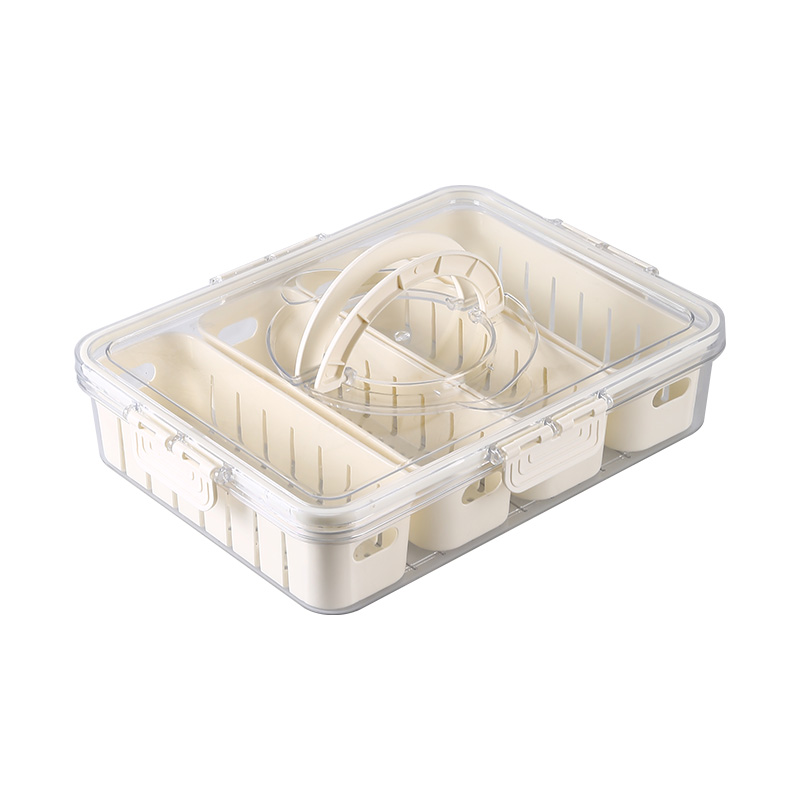
PP Material Handheld Fresh-Keeping Sealed Box Dry Food Classification Storage Box
-
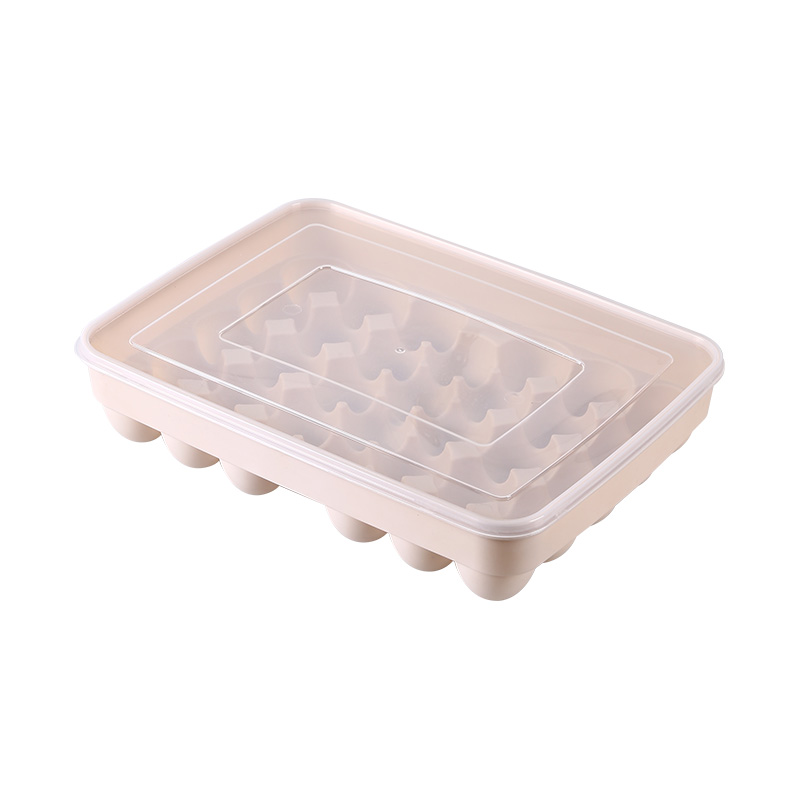
Refrigerator Storage Multi-Grid Egg Box Can Be Stacked With Cover To Food Preservation Box
-
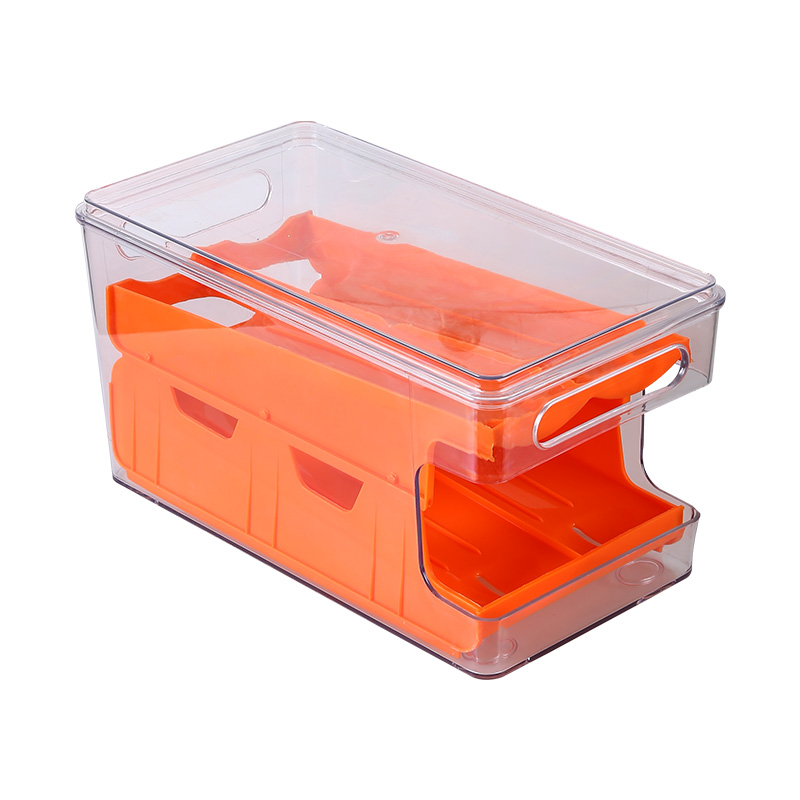
Dual-Layer Transparent Egg Storage Rack Eco-Friendly Slide-Type Household Kitchen
 No. 7 Yicheng Middle Road, Anzhou Street, Xianju, Taizhou, Zhejiang, China.
 +86-0576-89370898
Copyright© Taizhou Soudelor Plastic Industry Co., Ltd. All Rights Reserved.
ECO Friendly Plastic Products Factory
