
 English
 中文简体
中文简体 Deutsch


Is Wheat Straw Material Tableware a Practical Alternative to Plastic?
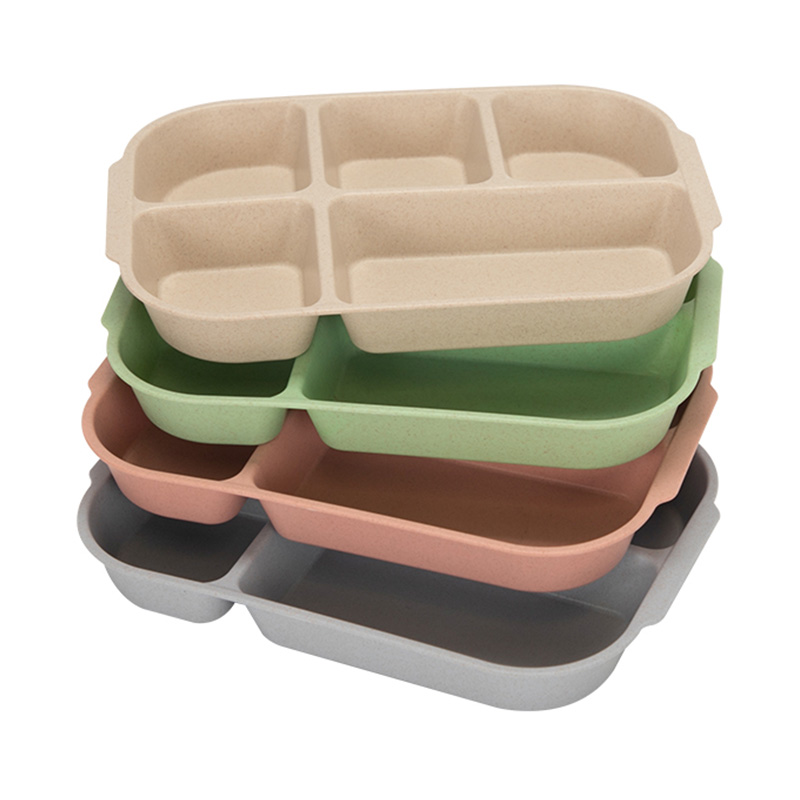
With growing awareness of environmental issues, single-use plastics are being reconsidered in every aspect of daily life. One promising alternative is Wheat Straw Material Tableware, which combines sustainability with functionality. Derived from the leftover stalks of wheat after harvesting, this material offers a practical solution for eco-conscious consumers without sacrificing durability or convenience.
What Makes Wheat Straw Material Tableware Different
Wheat Straw Material Tableware is made by processing wheat stalks into a composite material, often blended with small amounts of food-safe resins. This combination allows the creation of plates, bowls, cups, and utensils that are strong enough for everyday use. Unlike traditional plastic, wheat straw material is biodegradable and compostable under the right conditions, reducing its long-term environmental footprint.
The material also avoids the use of harmful chemicals often associated with plastics, making it safer for food contact. It can withstand both hot and cold foods without deforming or releasing toxins, making it suitable for a wide range of dining applications.
Environmental Benefits
The environmental advantages of Wheat Straw Material Tableware are significant. By utilizing agricultural byproducts, manufacturers reduce waste and make use of material that would otherwise be discarded or burned. This helps lower greenhouse gas emissions and prevents unnecessary plastic production.
Additionally, because wheat straw tableware is compostable, it can return to the soil naturally, unlike plastics that can take centuries to break down. For restaurants, schools, and households aiming to reduce their ecological footprint, this material provides an accessible and responsible option.
Durability and Practicality
One concern with alternatives to plastic is whether they can handle regular use without compromising functionality. Wheat Straw Material Tableware addresses this by being surprisingly durable. Plates and bowls can support heavy meals, and cups maintain their shape when holding hot or cold beverages.
Its lightweight design makes it easy to handle and transport, which is particularly beneficial for catering services, picnics, or outdoor events. Some products are even microwave- and freezer-friendly, adding versatility to their practical appeal.
Versatile Applications
The use of Wheat Straw Material Tableware is not limited to home kitchens. Restaurants and cafeterias increasingly adopt it as an eco-friendly alternative to disposables. Its strength and aesthetic variety make it suitable for casual dining as well as events that require a polished presentation.
For schools and office cafeterias, wheat straw tableware provides a safe, durable, and environmentally responsible option. Even in outdoor settings, these products perform well, resisting bending or breaking more effectively than paper-based alternatives.
Cost and Accessibility
While some consumers assume biodegradable alternatives are expensive, Wheat Straw Material Tableware is often comparable in cost to higher-end plastic disposables. Its durability allows multiple uses, reducing the need for frequent replacements. For businesses, investing in wheat straw products may also enhance brand perception by demonstrating environmental responsibility.
Moreover, as production scales increase, prices continue to drop, making it more accessible for households and small businesses looking for sustainable options.
Supporting Sustainable Habits
Choosing Wheat Straw Material Tableware encourages a shift toward more conscious consumption. Each purchase supports reduced reliance on petroleum-based plastics and fosters sustainable dining habits. Over time, this choice can influence wider adoption of eco-friendly materials in other areas, from packaging to kitchen utensils.
For families and businesses alike, this product represents a simple yet impactful way to participate in environmental stewardship.
Wheat Straw Material Tableware proves to be a practical alternative to plastic, combining strength, safety, and biodegradability. It meets the needs of households, restaurants, and educational institutions without compromising on functionality or aesthetics.
By choosing wheat straw products, consumers can reduce plastic waste, support sustainable production, and foster environmentally responsible habits. In a world increasingly aware of the impact of plastics, Wheat Straw Material Tableware stands out as a versatile and responsible solution.
Hot Products
-
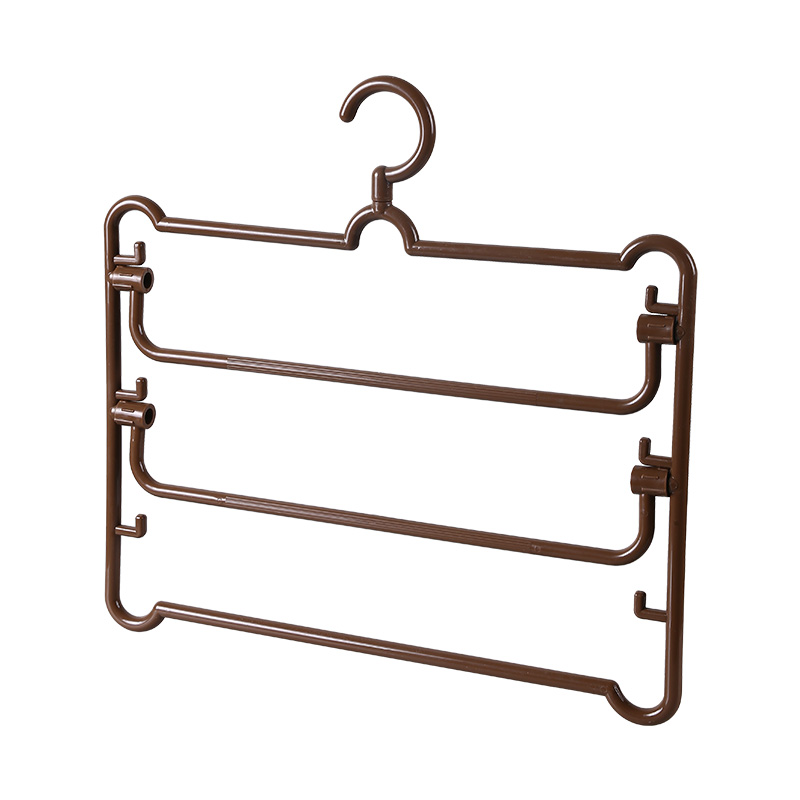
Plastic Pants Hanger (3 Bars)
-
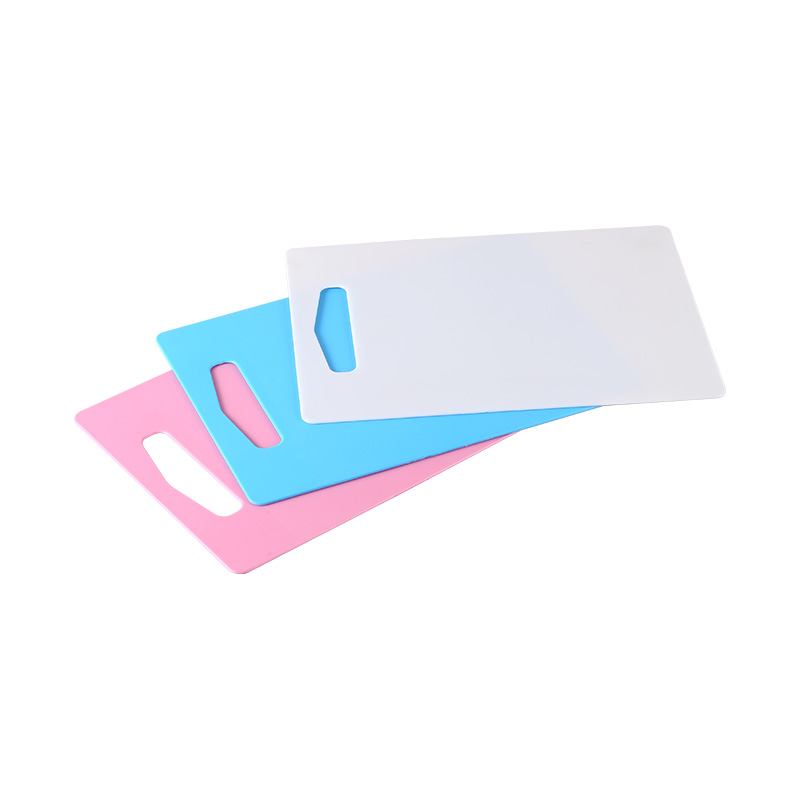
Plastic Chopping Board Food Cutting Block Mat Tool
-
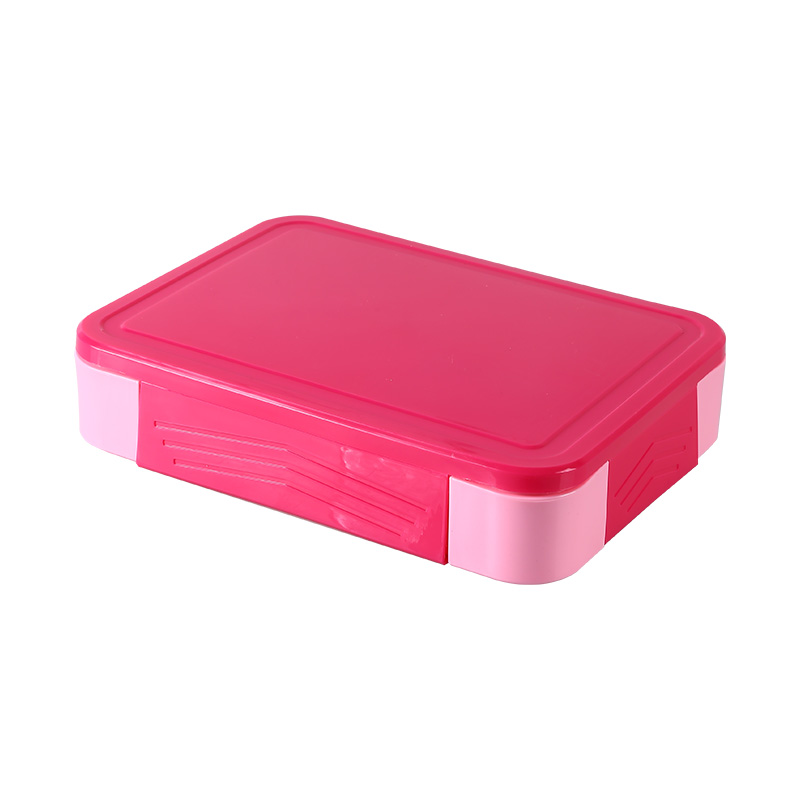
Food Storage Container For Adult Kids All-In-One Lunch Box
-
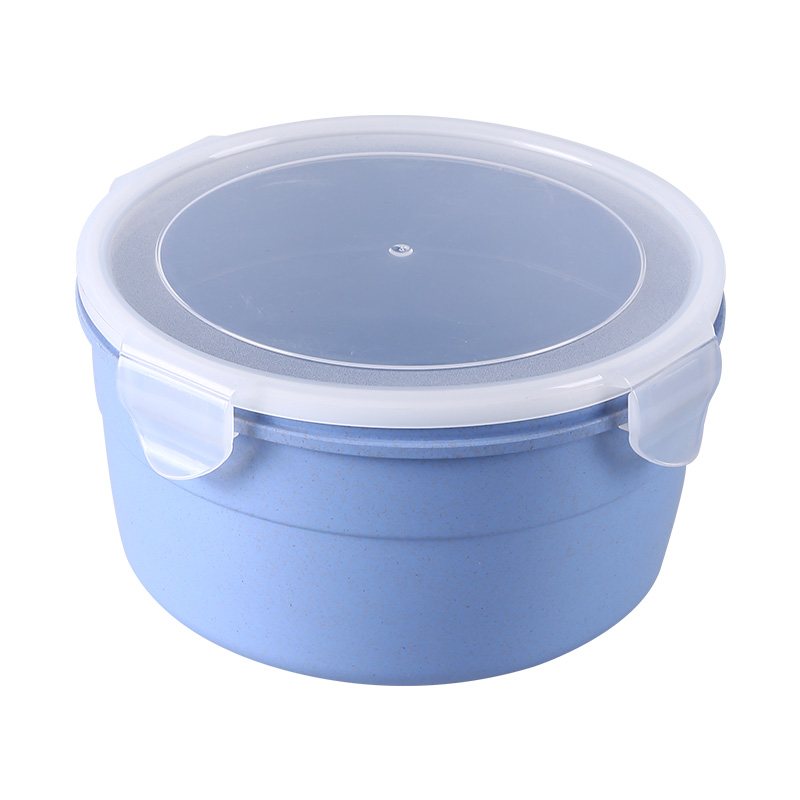
Mini Round Food Preservation Box
-
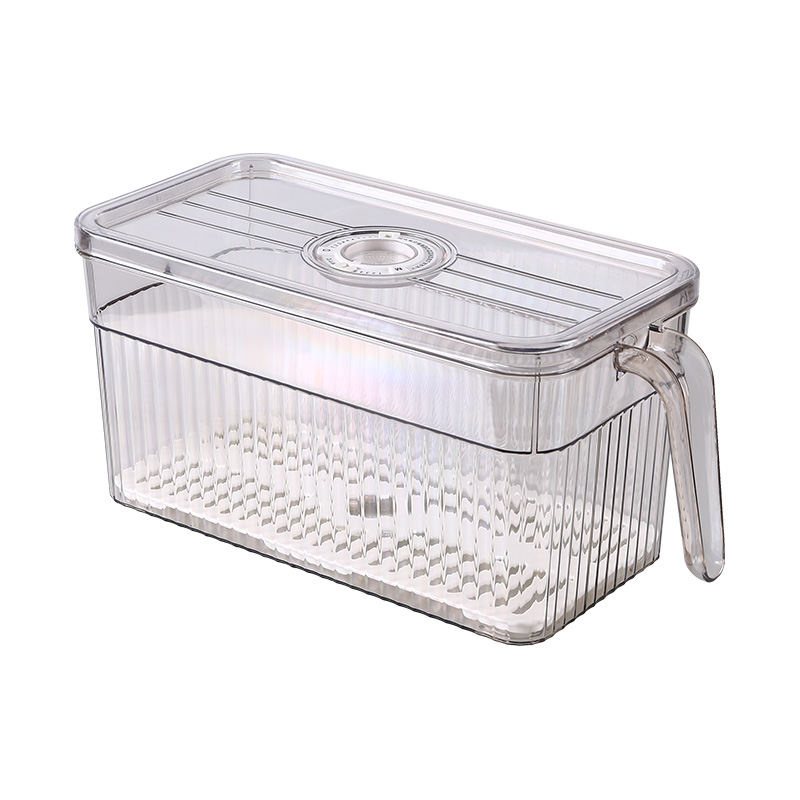
Refrigerator Storage Box Freezer Handle Storage Container
-
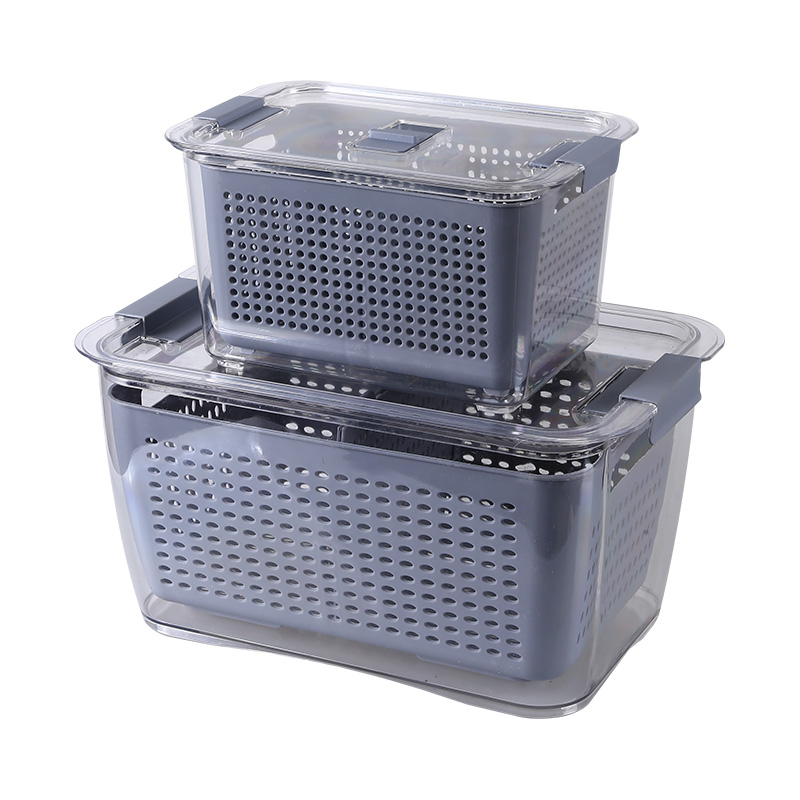
1pc Refrigerator Storage Box With Lid And Drain Basket Fruit Storage Containers Transparent Saver Container Food Organizer Bins
-
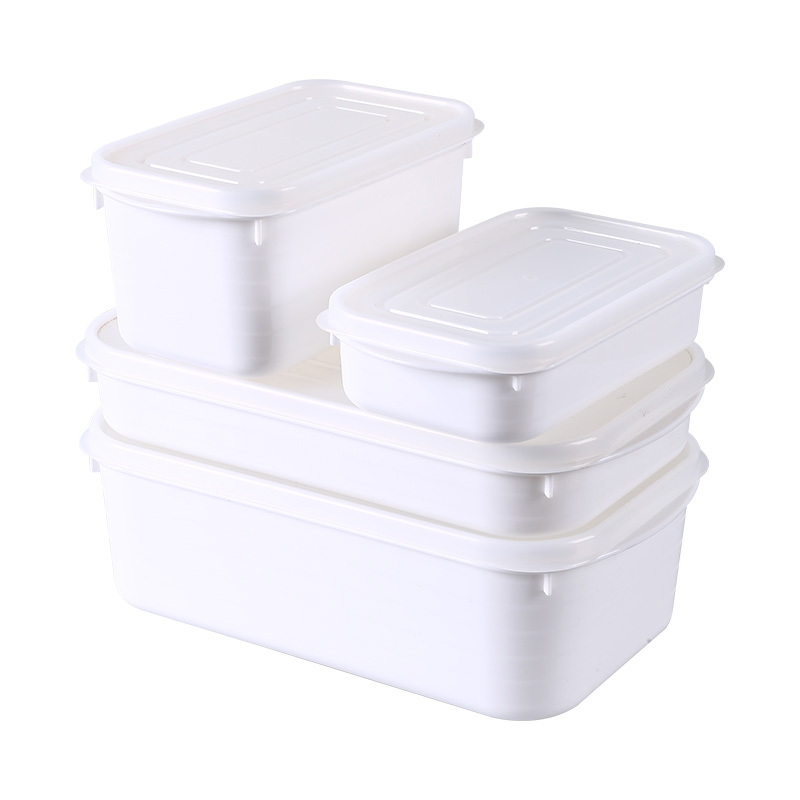
Food Storage Large Capacity Fresh-Keeping Eco Reusable Box Bento Food Leakproof Container
-
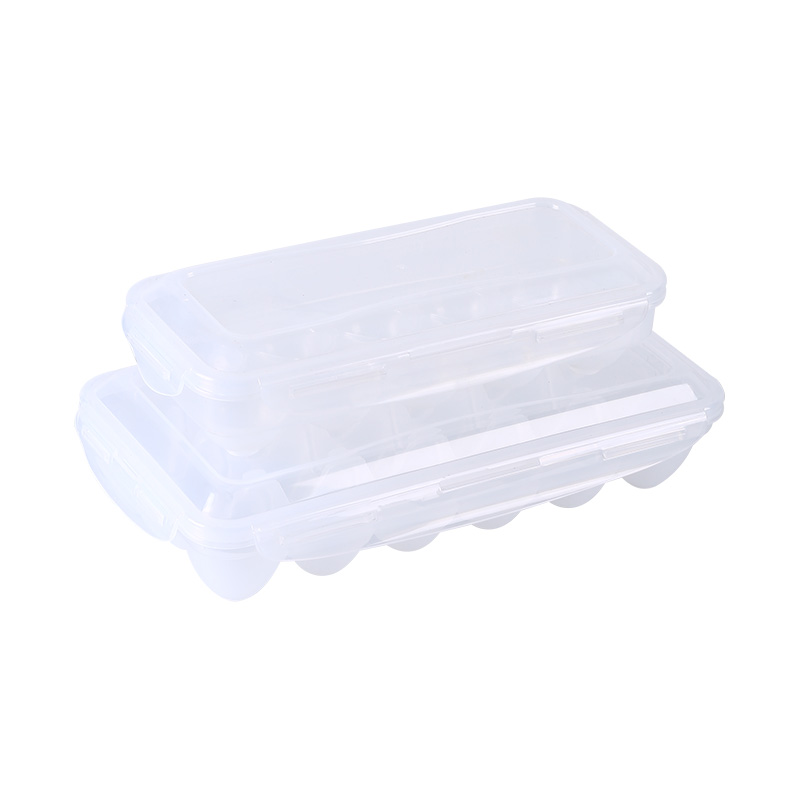
PP Plastic Egg Tray Storage Box
-
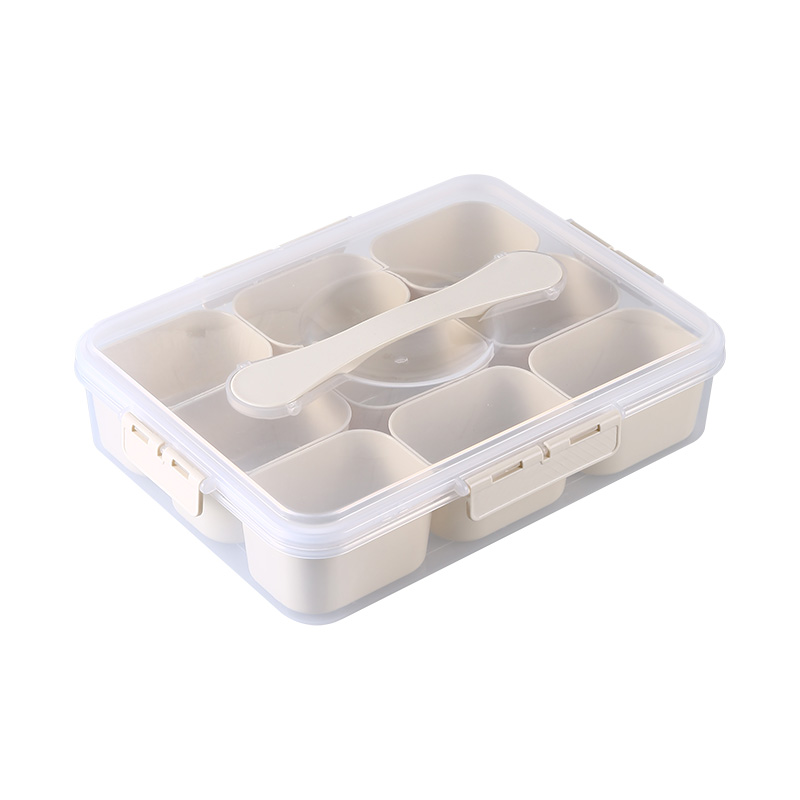
9 Compartment Divided Serving Tray With Lid And Handle Dried Fruit Storage Box
-
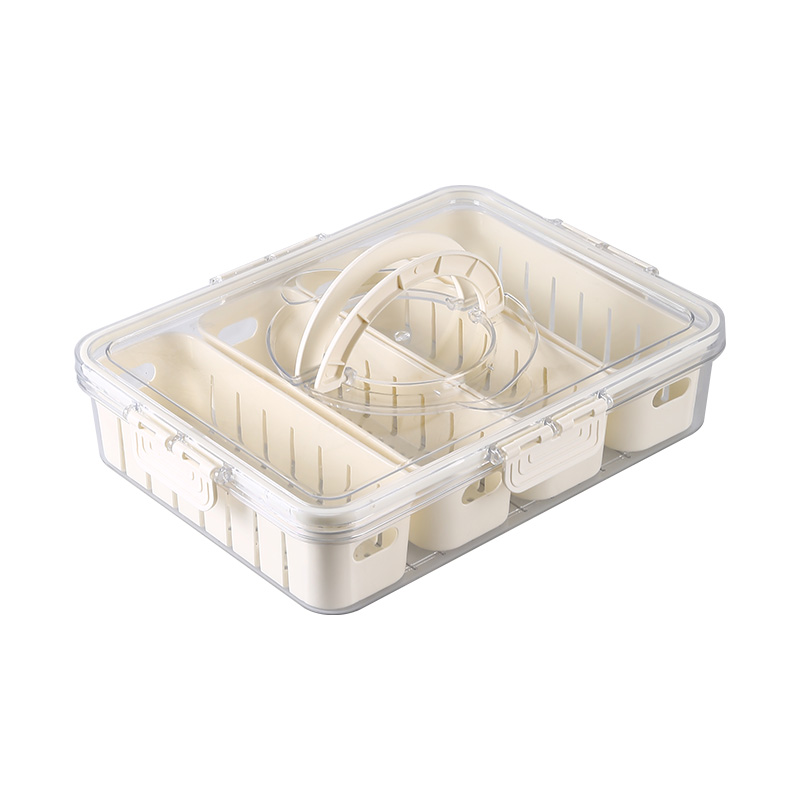
PP Material Handheld Fresh-Keeping Sealed Box Dry Food Classification Storage Box
-
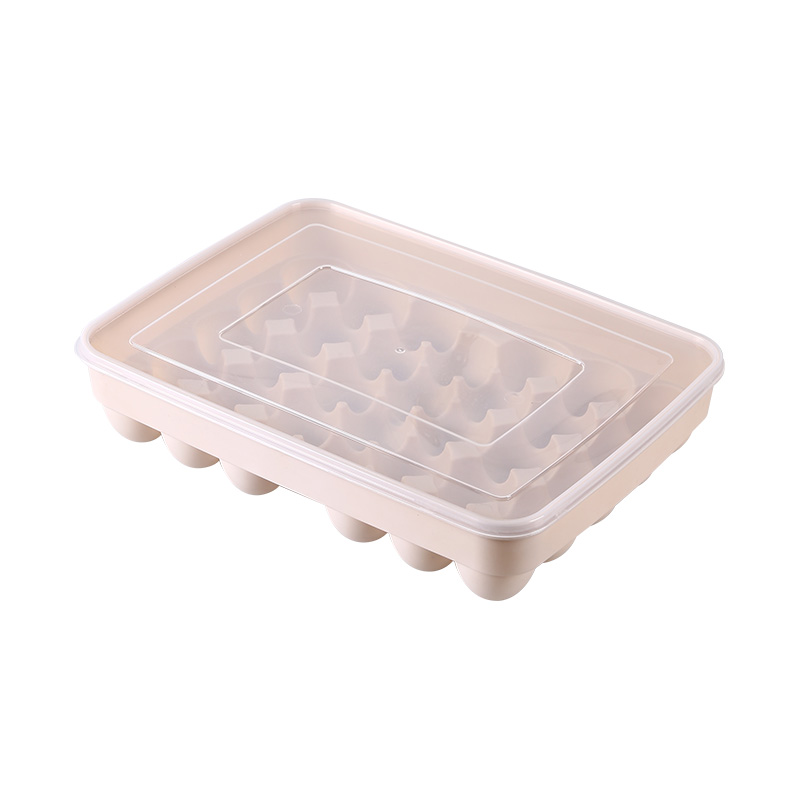
Refrigerator Storage Multi-Grid Egg Box Can Be Stacked With Cover To Food Preservation Box
-
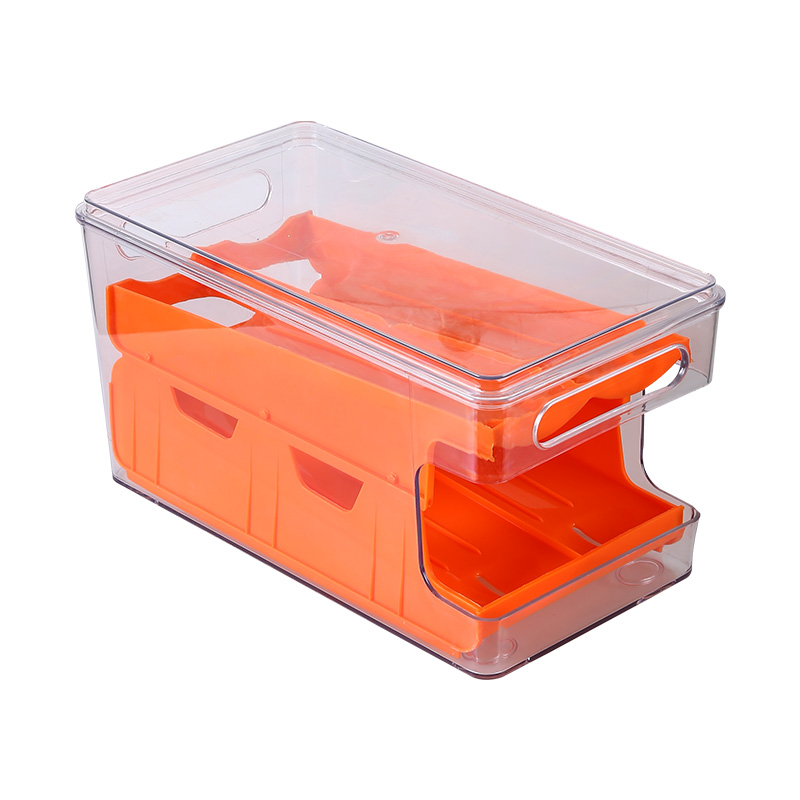
Dual-Layer Transparent Egg Storage Rack Eco-Friendly Slide-Type Household Kitchen

 No. 7 Yicheng Middle Road, Anzhou Street, Xianju, Taizhou, Zhejiang, China.
 +86-0576-89370898
Copyright© Taizhou Soudelor Plastic Industry Co., Ltd. All Rights Reserved.
ECO Friendly Plastic Products Factory
