
 English
 中文简体
中文简体 Deutsch


What Makes Wheat Straw Material Tableware a Practical Option for Modern Dining?
As awareness of environmental issues grows, consumers are seeking alternatives to traditional plastic and ceramic tableware. Wheat Straw Material Tableware has emerged as a practical and eco-friendly option, offering durability, lightweight handling, and sustainable production. Understanding its features and benefits can help buyers make informed decisions for homes, offices, and outdoor dining.
Wheat straw is the stalk left after harvesting wheat grains. Rather than letting it go to waste, manufacturers process wheat straw fibers into durable composites for tableware. Wheat Straw Material Tableware blends these natural fibers with food-safe resins, creating plates, bowls, cups, and cutlery that are both functional and environmentally considerate.
The resulting tableware often has a natural matte texture, subtle earthy tones, and a lightweight feel. These characteristics make it appealing for daily use while aligning with eco-conscious consumer trends.
Practical Features for Everyday Use
One advantage of Wheat Straw Material Tableware is its convenience. The lightweight construction makes it easy to handle, store, and carry, which is particularly useful for children, outdoor meals, or casual dining. Unlike ceramic dishes, it is less likely to break if accidentally dropped.
This tableware can handle warm and cold foods, and many items are dishwasher-safe. Their smooth surfaces are easy to clean, maintaining hygiene and convenience for daily household use.
Versatile Applications
Wheat Straw Material Tableware is suitable for a variety of settings. In households, it works well for family meals, quick lunches, or informal dinners. For outdoor activities like picnics, camping, or barbecues, its lightweight and robust nature makes it easy to transport and use.
Some commercial settings, such as cafés, schools, or canteens, also adopt wheat straw tableware because it combines practical durability with a consistent, modern appearance. Its neutral design can complement various table settings and dining styles.
Manufacturing and Safety Considerations
A quality Wheat Straw Material Tableware manufacturer focuses on safe materials and consistent production processes. Raw wheat straw fibers are carefully processed, and the molded products are checked for uniformity, thickness, and smooth edges.
Quality control ensures that tableware meets food contact safety standards, avoids sharp edges, and maintains structural integrity during regular use. Reliable manufacturing helps sustain performance over time, making these products practical and long-lasting.
Care and Longevity
Proper care enhances the lifespan of wheat straw tableware. Gentle washing with warm water and mild detergent is generally sufficient. Some items are suitable for dishwasher use, while others require manual cleaning to preserve the surface finish. Avoiding very high heat can prevent deformation or warping.
Following basic care instructions allows Wheat Straw Material Tableware to remain functional and visually appealing for repeated use.
Choosing the Right Tableware
When selecting Wheat Straw Material Tableware, buyers should consider size, set composition, and intended applications. For commercial buyers, evaluating the manufacturer's capacity, quality control, and ability to offer customization—such as color, logo, or packaging—is important for consistent supply.
Wheat Straw Material Tableware combines eco-friendly design with practical functionality. Its lightweight feel, durability, and versatility make it suitable for homes, outdoor activities, and commercial dining. By understanding material qualities, usage scenarios, and maintenance practices, buyers can choose tableware that balances sustainability with everyday practicality, supporting a greener lifestyle without compromising convenience.
Hot Products
-
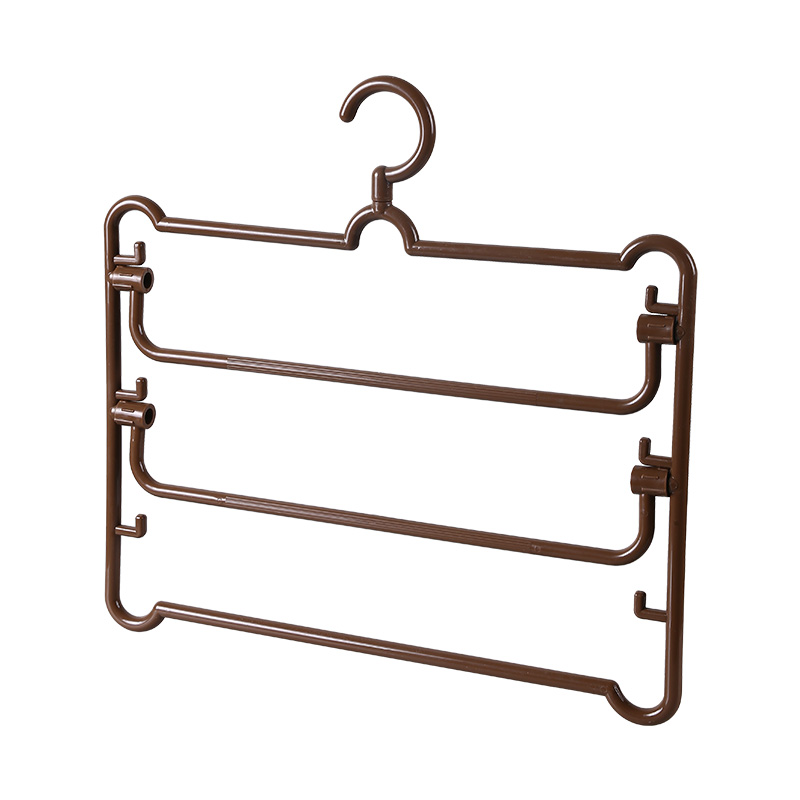
Plastic Pants Hanger (3 Bars)
-
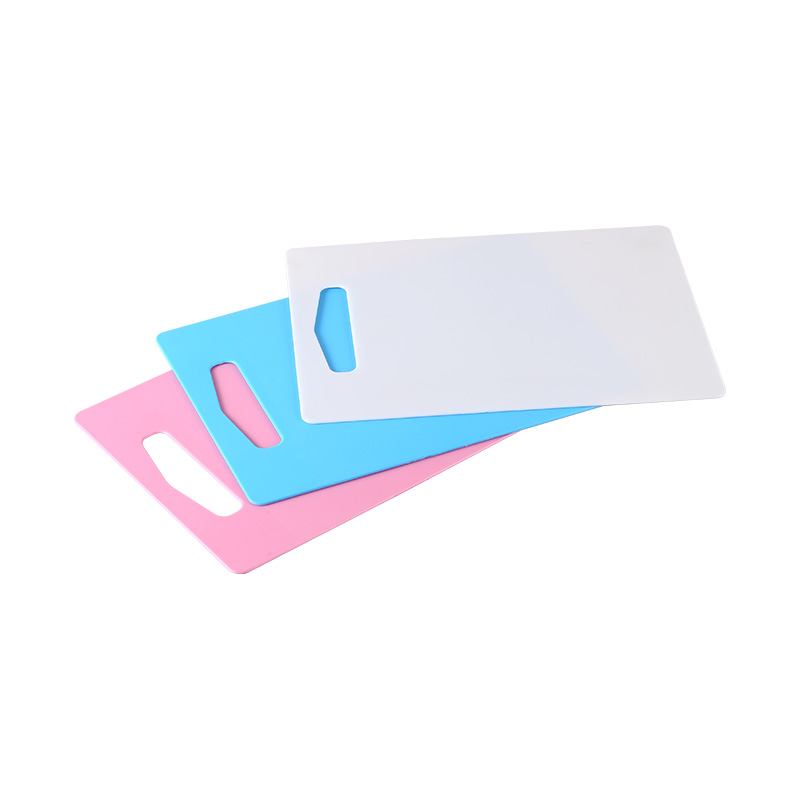
Plastic Chopping Board Food Cutting Block Mat Tool
-
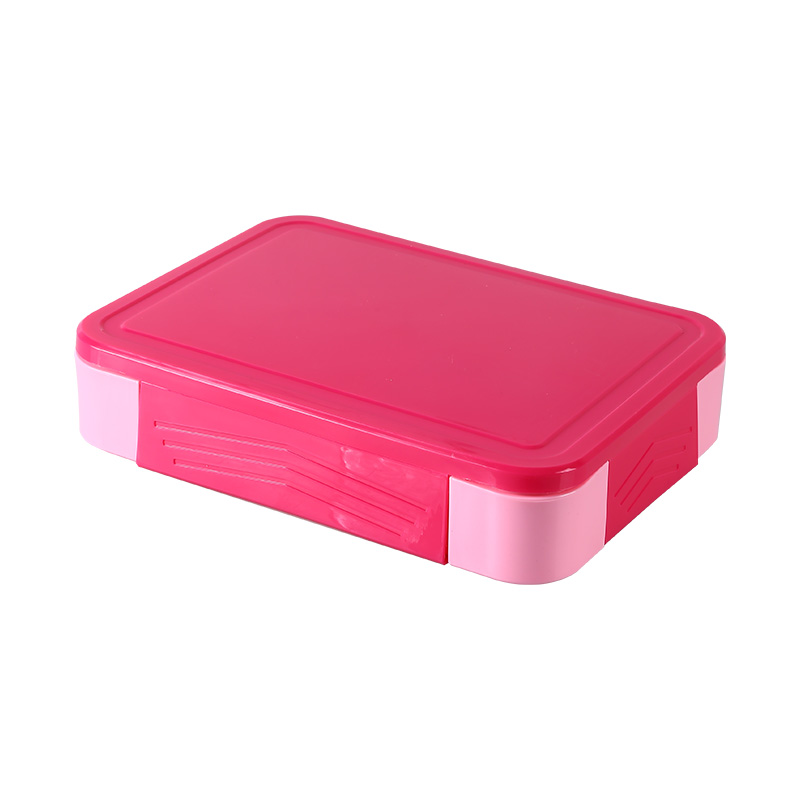
Food Storage Container For Adult Kids All-In-One Lunch Box
-
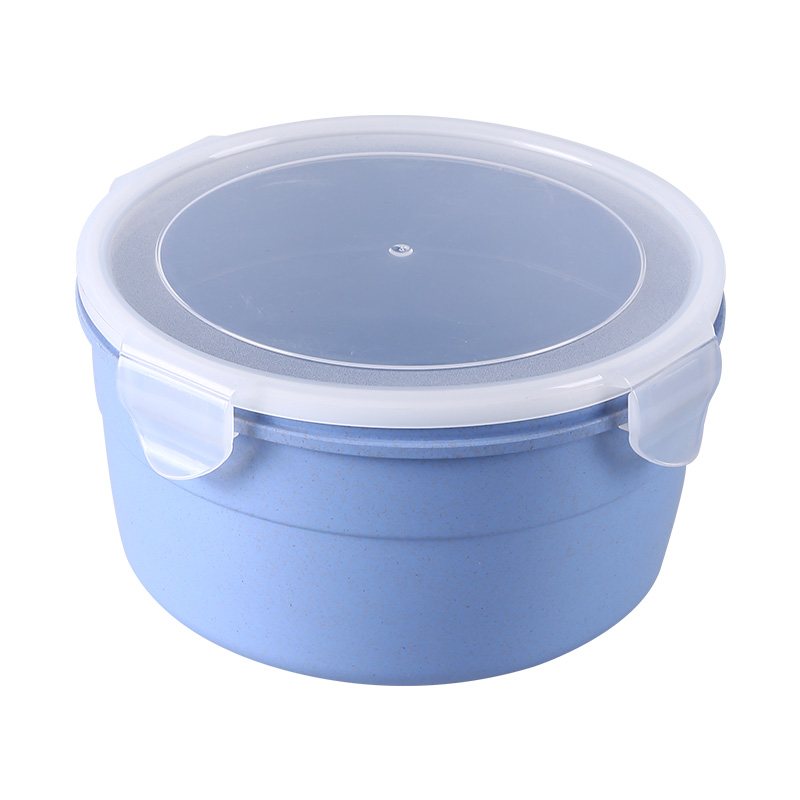
Mini Round Food Preservation Box
-
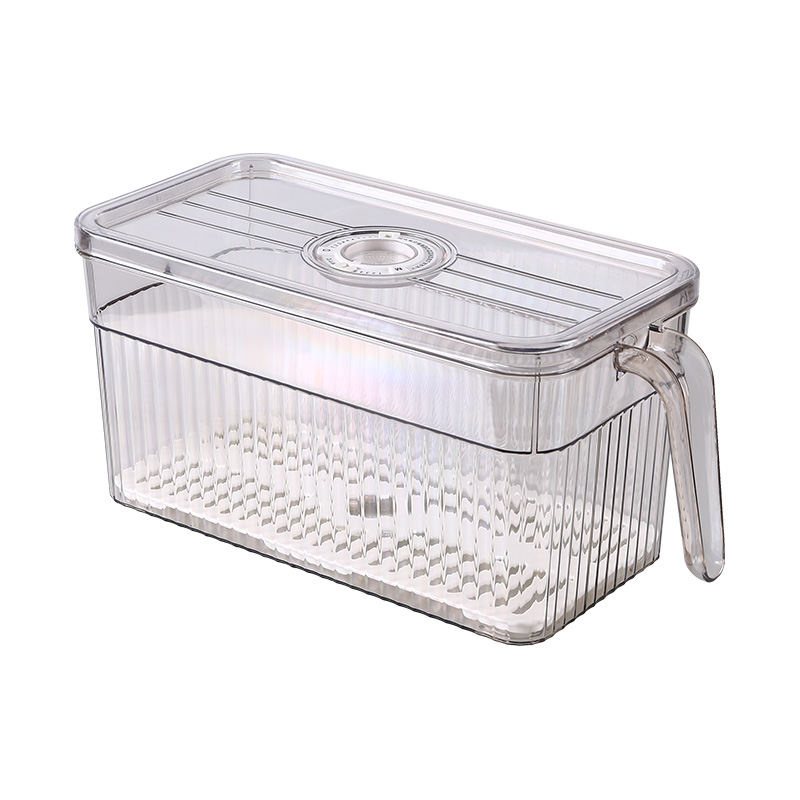
Refrigerator Storage Box Freezer Handle Storage Container
-
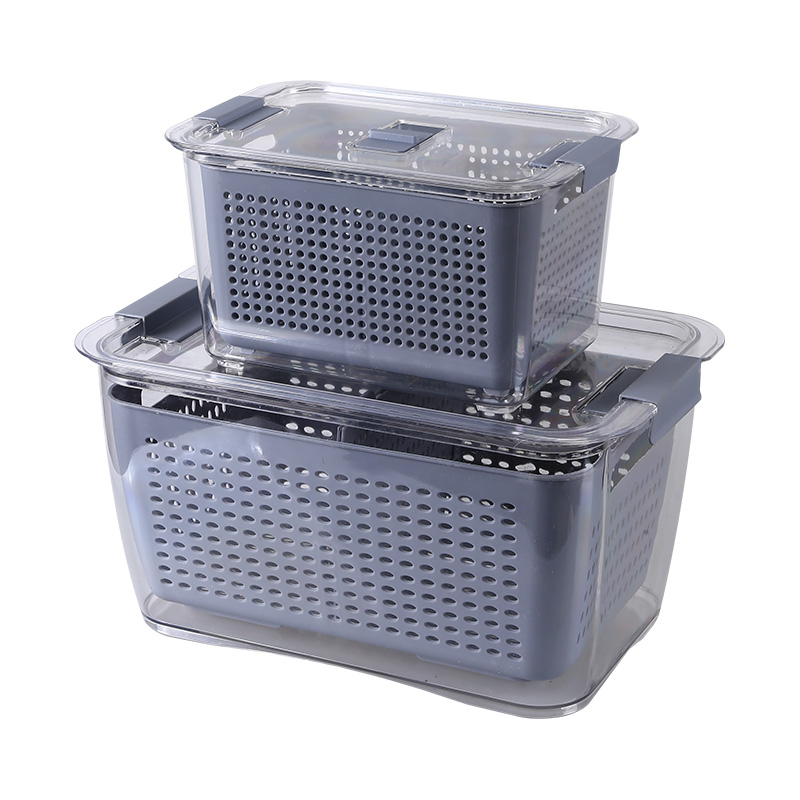
1pc Refrigerator Storage Box With Lid And Drain Basket Fruit Storage Containers Transparent Saver Container Food Organizer Bins
-
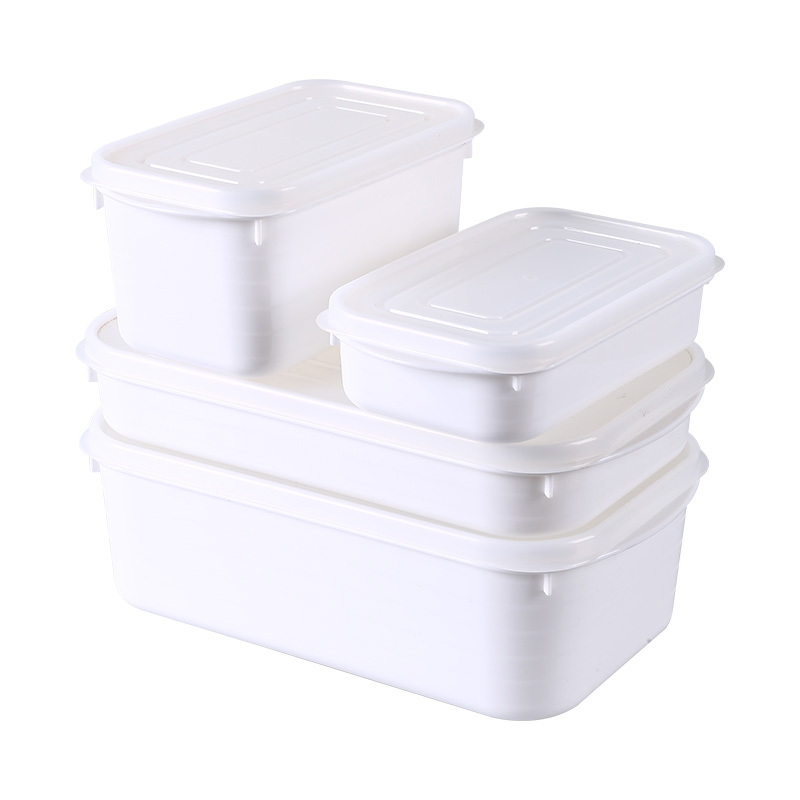
Food Storage Large Capacity Fresh-Keeping Eco Reusable Box Bento Food Leakproof Container
-
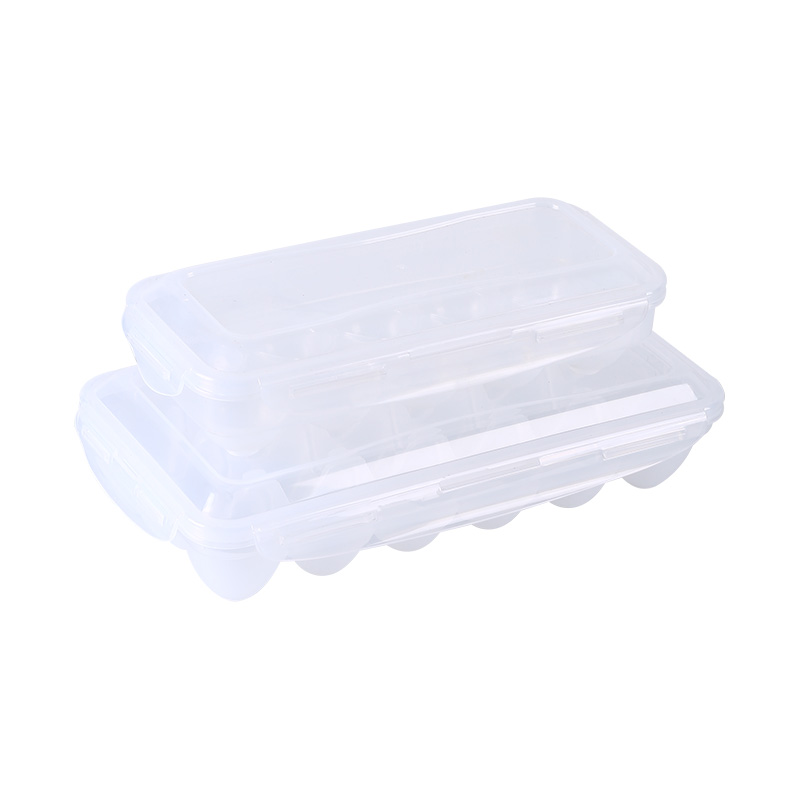
PP Plastic Egg Tray Storage Box
-
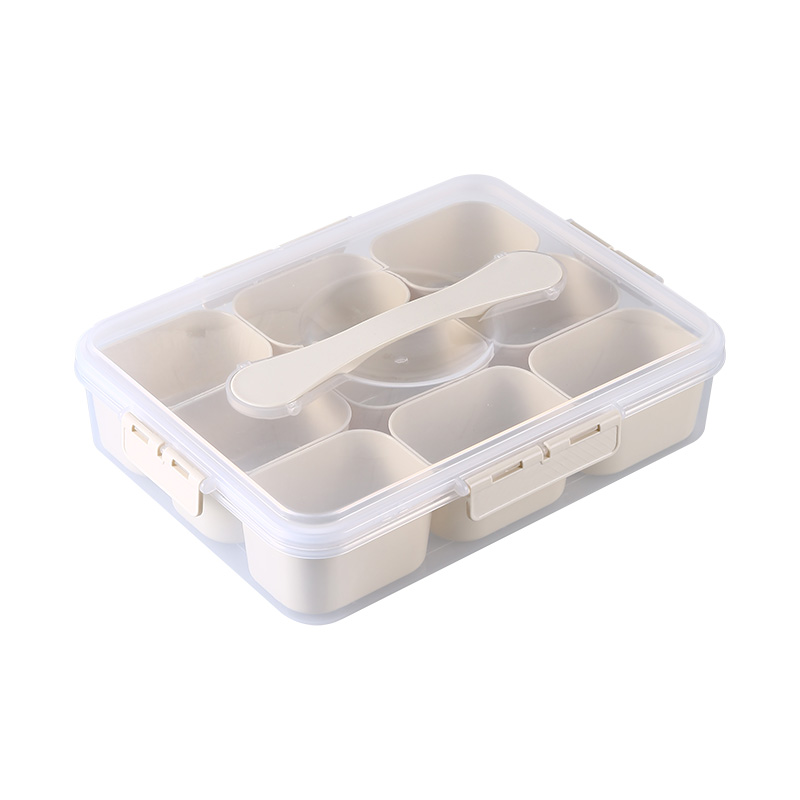
9 Compartment Divided Serving Tray With Lid And Handle Dried Fruit Storage Box
-
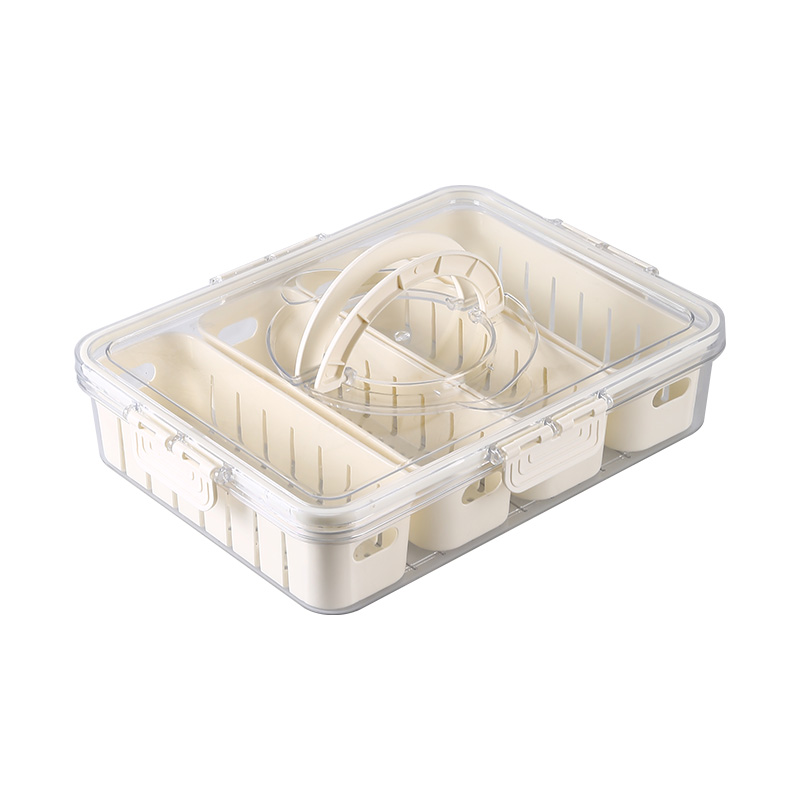
PP Material Handheld Fresh-Keeping Sealed Box Dry Food Classification Storage Box
-
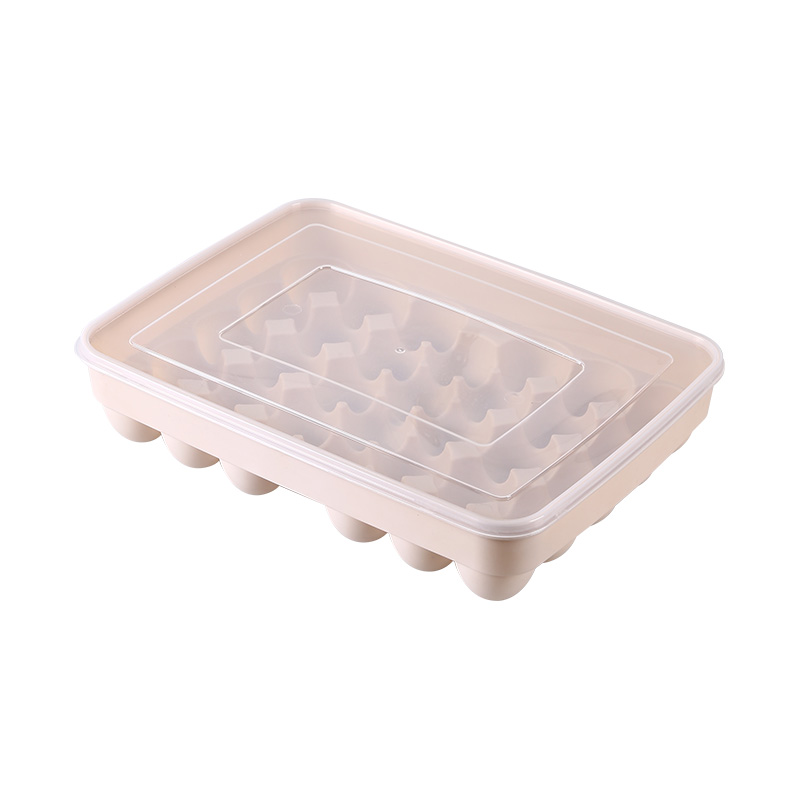
Refrigerator Storage Multi-Grid Egg Box Can Be Stacked With Cover To Food Preservation Box
-
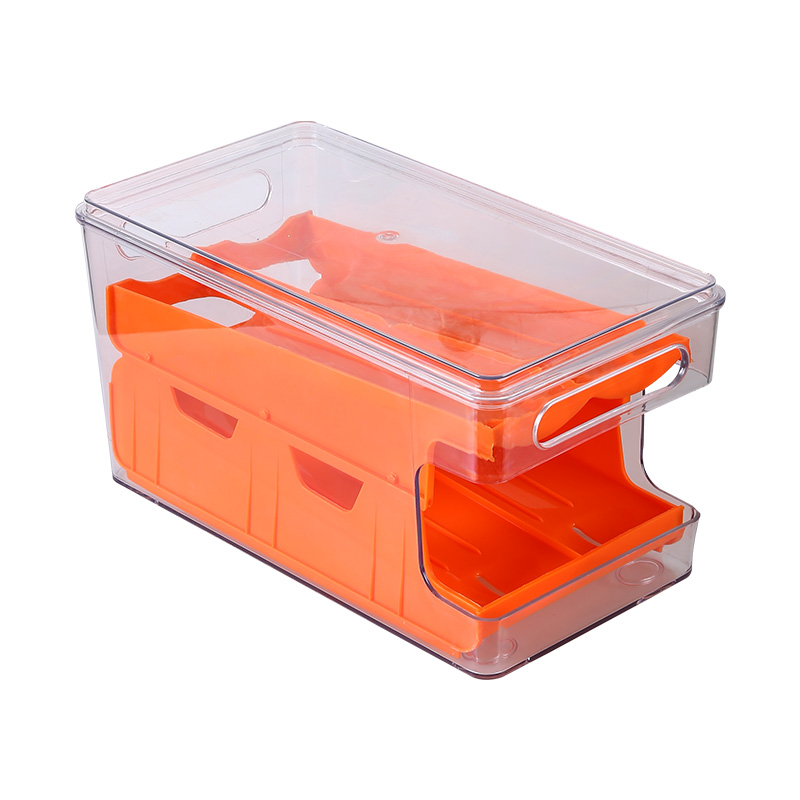
Dual-Layer Transparent Egg Storage Rack Eco-Friendly Slide-Type Household Kitchen

 No. 7 Yicheng Middle Road, Anzhou Street, Xianju, Taizhou, Zhejiang, China.
 +86-0576-89370898
Copyright© Taizhou Soudelor Plastic Industry Co., Ltd. All Rights Reserved.
ECO Friendly Plastic Products Factory
