
 English
 中文简体
中文简体 Deutsch


Why Are More Consumers Turning to Wheat Straw Material Tableware?
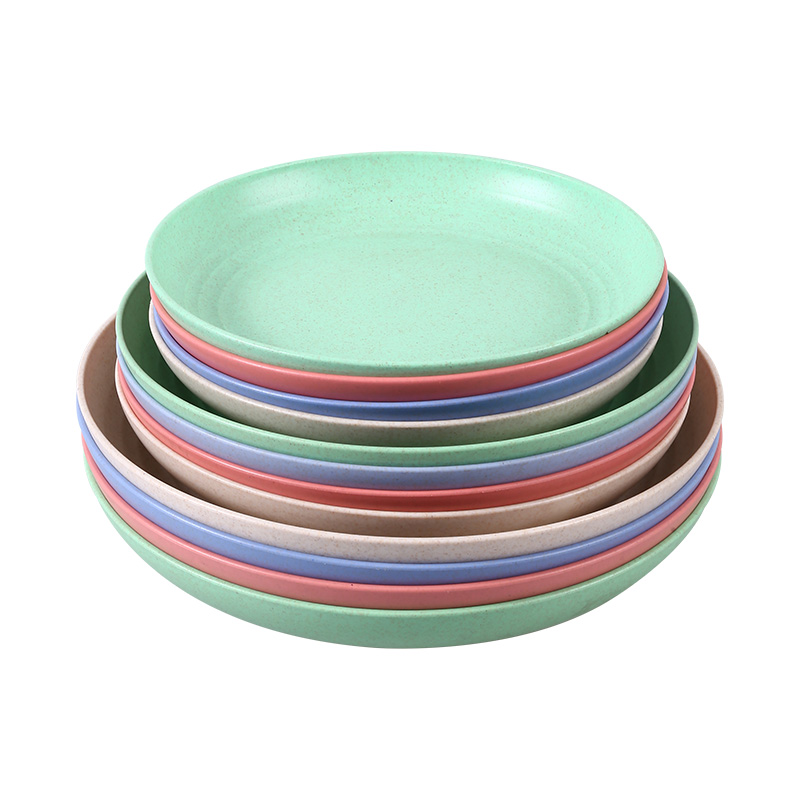
In recent years, the shift toward eco-conscious lifestyles has encouraged many households to explore new materials in daily use items. One solution that has gained noticeable attention is wheat straw material tableware. Known for its lightweight feel, soft colors, and natural origin, this type of tableware appeals to families, students, and outdoor enthusiasts alike. Beyond its appearance, it plays a practical role in reducing dependence on traditional plastics. Understanding how wheat straw material tableware is made and how it fits into everyday routines can help consumers adopt more sustainable habits without sacrificing convenience.
1. What Makes Wheat Straw Material Tableware Different?
Wheat straw material tableware is crafted using leftover stalk fibers from harvested wheat crops. These fibers are processed and combined with safe binding agents to form plates, bowls, cups, and utensils. Several characteristics make this type of tableware stand out:
- Natural Origin: Wheat straw fibers come from agricultural byproducts that would otherwise be discarded or burned.
- Lightweight Feel: Tableware made from wheat straw is comfortable to hold and easy to transport.
- Soft, Neutral Colors: The natural tones provide an appealing look suitable for both home dining and outdoor gatherings.
- Smooth Surface: Despite its plant-based composition, wheat straw material tableware offers a clean and polished texture.
These qualities create a balance between aesthetics, usability, and environmental awareness.
2. Everyday Use in Different Settings
One of the reasons wheat straw material tableware has become widely accepted is its versatility across multiple environments:
- Home Kitchens: Families appreciate its durability and ease of cleaning during daily meals.
- Student Dormitories: Students benefit from lightweight, low-maintenance tableware that fits compact living spaces.
- Children's Meals: Rounded edges and gentle colors make it appealing for young kids.
- Outdoor Events: Picnics, camping trips, and barbecues become easier with tableware that is reusable and easy to pack.
- Workplaces: Offices can use wheat straw material tableware as an alternative to disposable utensils.
Its adaptability allows it to replace plastic items in many situations without changing the user's habits too dramatically.
3. Environmental and Practical Advantages
Switching to wheat straw material tableware brings several practical benefits while supporting responsible consumption:
- Reduction of Traditional Plastic Use: Since the material incorporates plant fibers, it lowers reliance on petroleum-based plastics.
- Durability for Repeated Use: Its sturdy construction supports regular washing and long-term use.
- Heat Resistance: Many items can handle warm food or beverages without deforming.
- Lightweight Construction: Makes transport and storage more convenient, especially for travel or outdoor use.
- Safe for Daily Contact: Produced with food-safe processes that maintain cleanliness and hygiene.
These advantages align with households and businesses looking for simple yet impactful ways to reduce waste.
4. Care and Maintenance Tips
To ensure longevity of wheat straw material tableware, proper care is essential:
- Hand Washing or Gentle Cycles: Although some items are dishwasher-friendly, gentle cleaning helps preserve their surface.
- Avoiding Abrasive Tools: Soft sponges work best to prevent scratches.
- Temperature Awareness: While the material tolerates warm temperatures, extremely high heat should be avoided.
- Proper Storage: Dry thoroughly before storing to maintain its clean appearance.
Following these steps allows the tableware to remain in good condition over extended use.
5. Why Consumers Are Adopting Wheat Straw Options
The rising popularity of wheat straw material tableware is not only about environmental awareness. Many users appreciate:
- Comfortable Handling: Lightweight yet sturdy feel.
- Aesthetic Appeal: Soft hues that fit different kitchen styles.
- Affordability: Often priced accessibly for families and students.
- Multi-Purpose Function: Suitable for a range of meals, from snacks to soups.
This combination of practicality and gentle visual design makes wheat straw material tableware a go-to choice for households aiming to update their dining habits.
Wheat straw material tableware provides a simple way to move toward more sustainable living without giving up convenience or style. With its natural origin, ease of use, and suitability for everyday settings, it helps consumers incorporate eco-friendly choices into daily life. As more people become aware of practical alternatives, wheat straw material tableware continues to play a meaningful role in reducing waste and supporting modern, conscious dining habits.
Hot Products
-
Plastic Pants Hanger (3 Bars)
-
Plastic Chopping Board Food Cutting Block Mat Tool
-
Food Storage Container For Adult Kids All-In-One Lunch Box
-
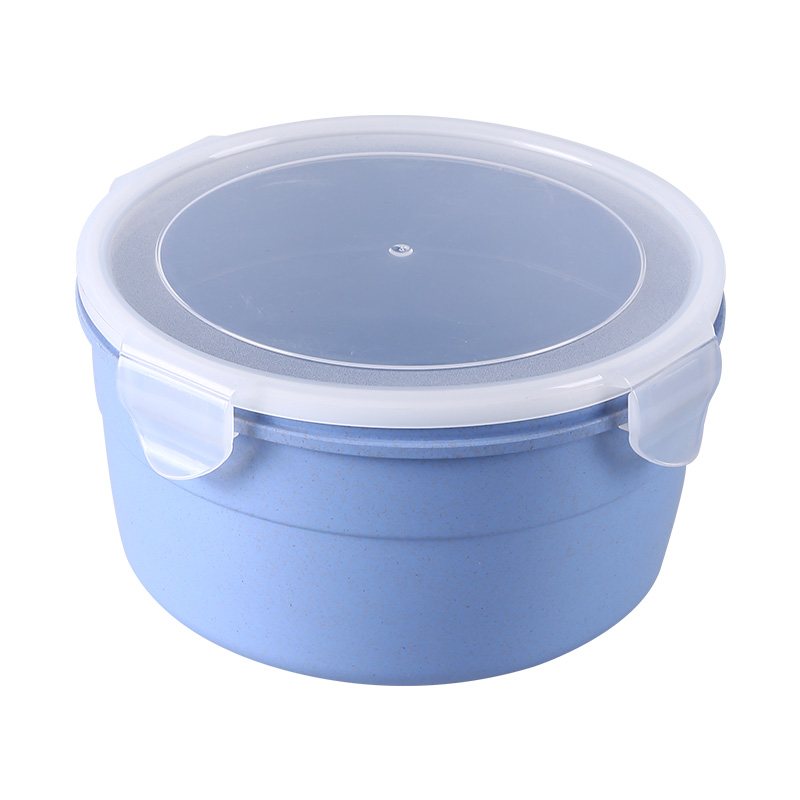
Mini Round Food Preservation Box
-
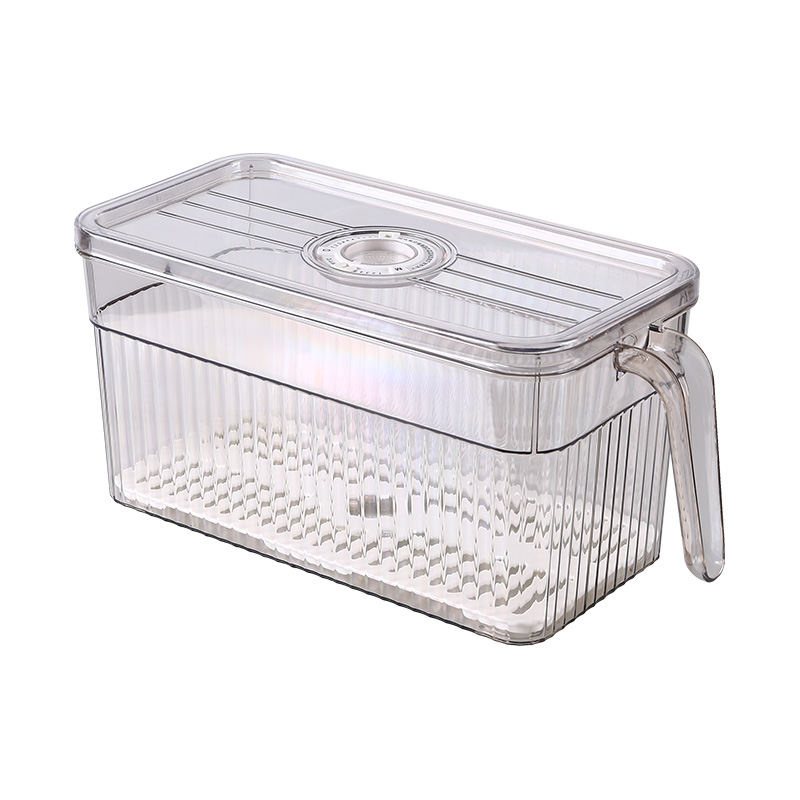
Refrigerator Storage Box Freezer Handle Storage Container
-
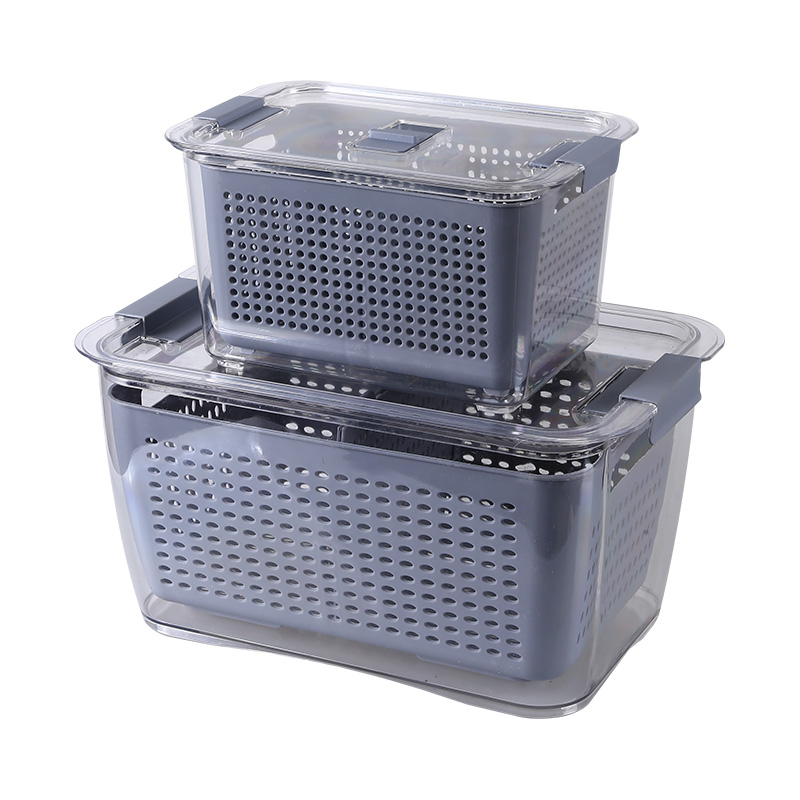
1pc Refrigerator Storage Box With Lid And Drain Basket Fruit Storage Containers Transparent Saver Container Food Organizer Bins
-
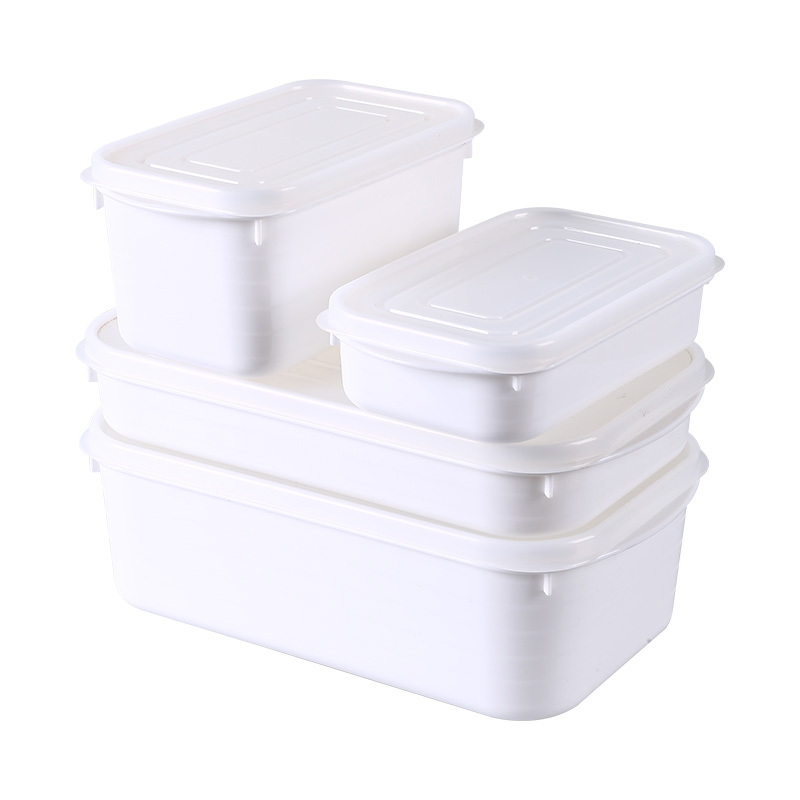
Food Storage Large Capacity Fresh-Keeping Eco Reusable Box Bento Food Leakproof Container
-
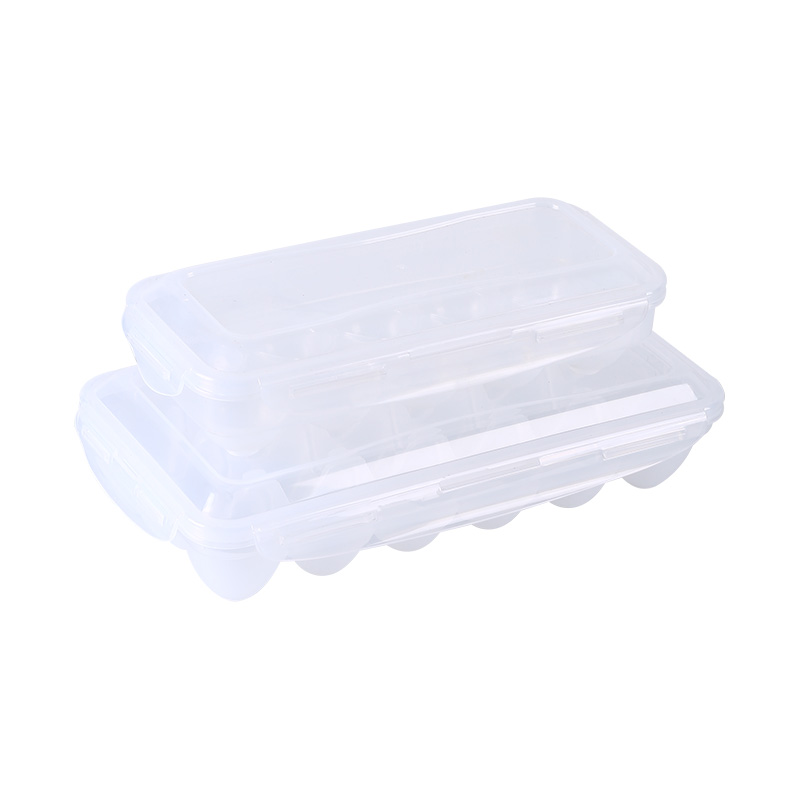
PP Plastic Egg Tray Storage Box
-
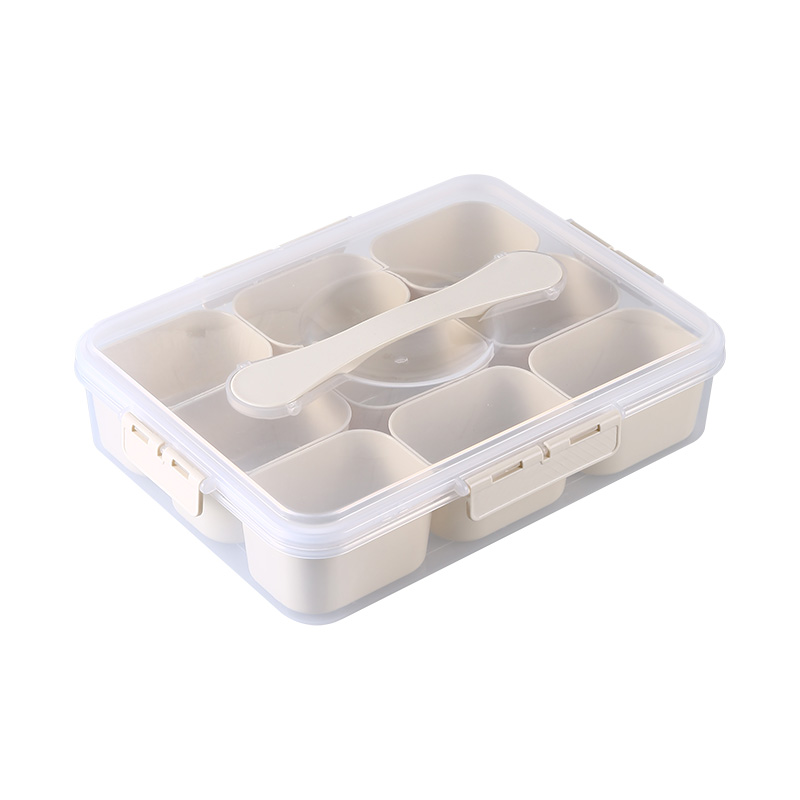
9 Compartment Divided Serving Tray With Lid And Handle Dried Fruit Storage Box
-
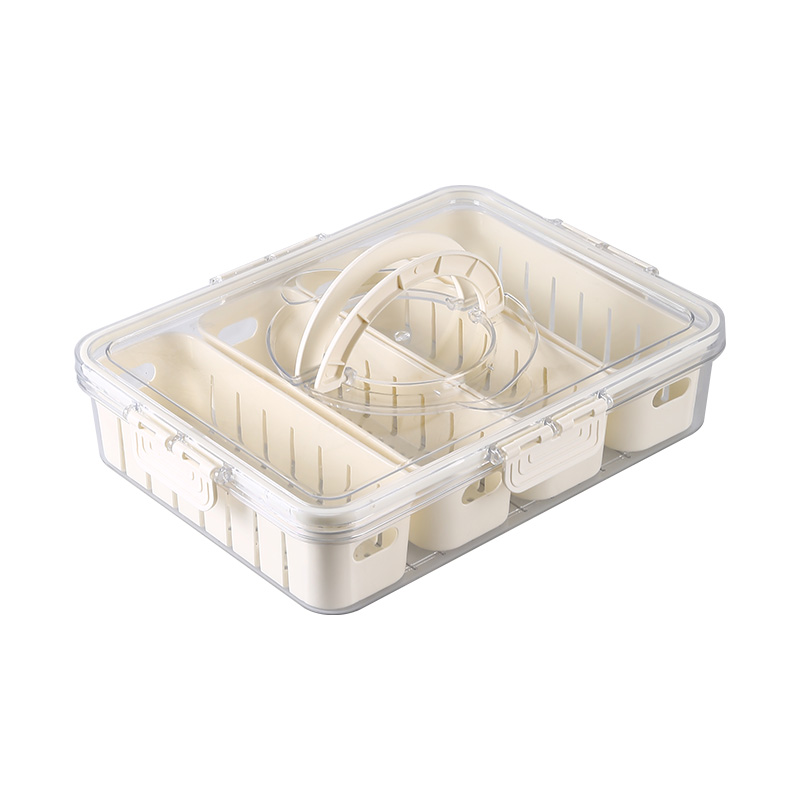
PP Material Handheld Fresh-Keeping Sealed Box Dry Food Classification Storage Box
-
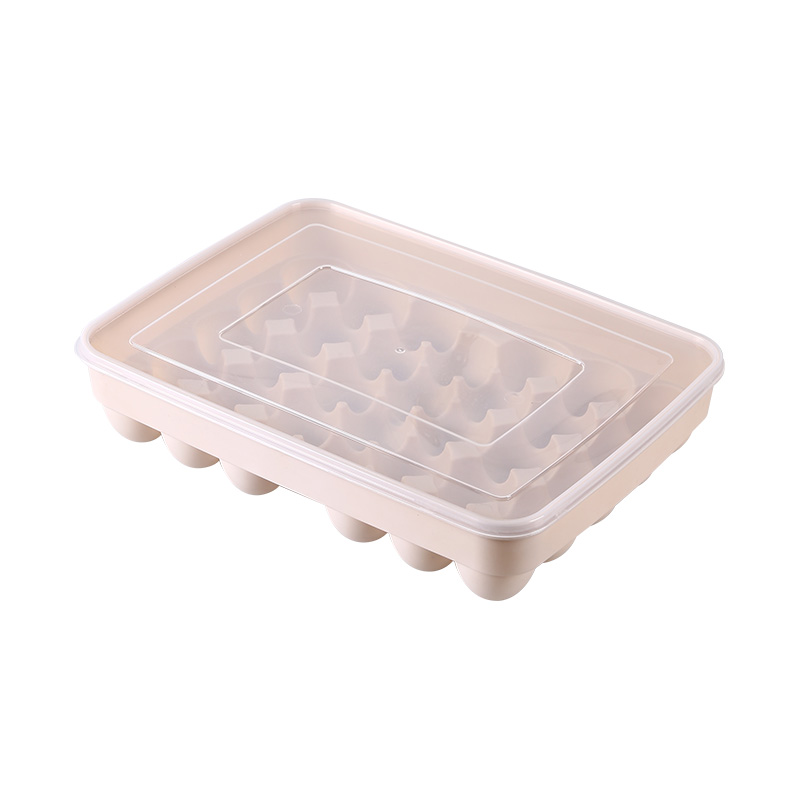
Refrigerator Storage Multi-Grid Egg Box Can Be Stacked With Cover To Food Preservation Box
-
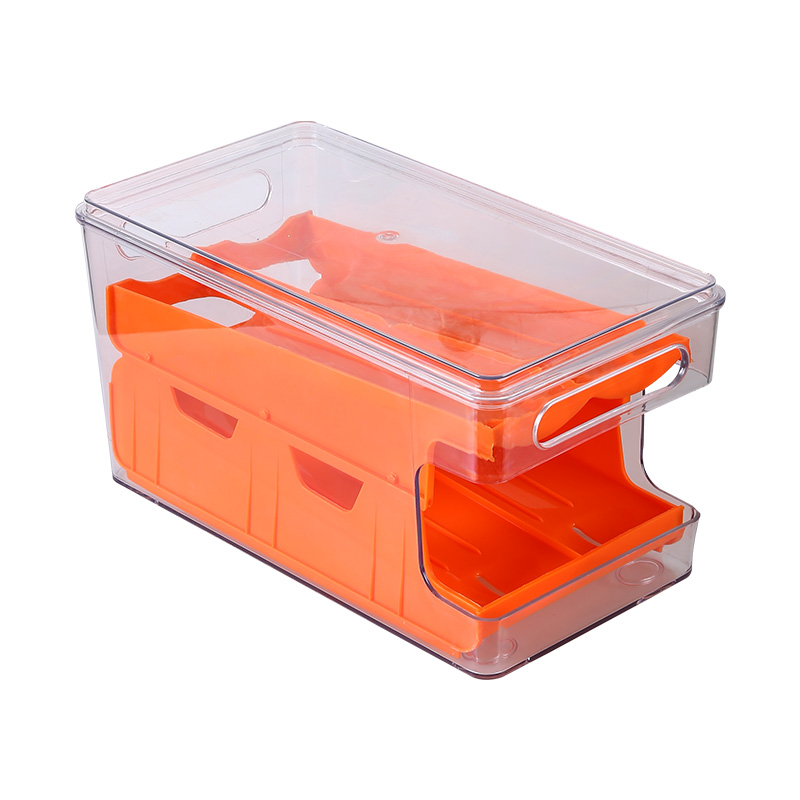
Dual-Layer Transparent Egg Storage Rack Eco-Friendly Slide-Type Household Kitchen

 No. 7 Yicheng Middle Road, Anzhou Street, Xianju, Taizhou, Zhejiang, China.
 +86-0576-89370898
Copyright© Taizhou Soudelor Plastic Industry Co., Ltd. All Rights Reserved.
ECO Friendly Plastic Products Factory
