
 English
 中文简体
中文简体 Deutsch


Are Eco-Friendly Plastic Dinner Plates Truly Resistant to Staining from Sauces and Oils
A plate needs to do more than simply hold food. Daily meals often include tomato sauces, curry, cooking oils, salad dressings, and other ingredients that contain strong pigments or grease compounds. This creates a common concern among consumers: will Plastic Eco-Friendly Dinner Plates maintain a clean appearance after repeated exposure to colorful and oily foods?
The answer depends on several factors, including material composition, surface structure, manufacturing quality, and cleaning methods. Eco-friendly dinnerware is developed with sustainability goals, but stain resistance remains an important part of practical performance. Plant-based composites, recycled plastics, and bio-material blends each show different behaviors during long-term food contact.
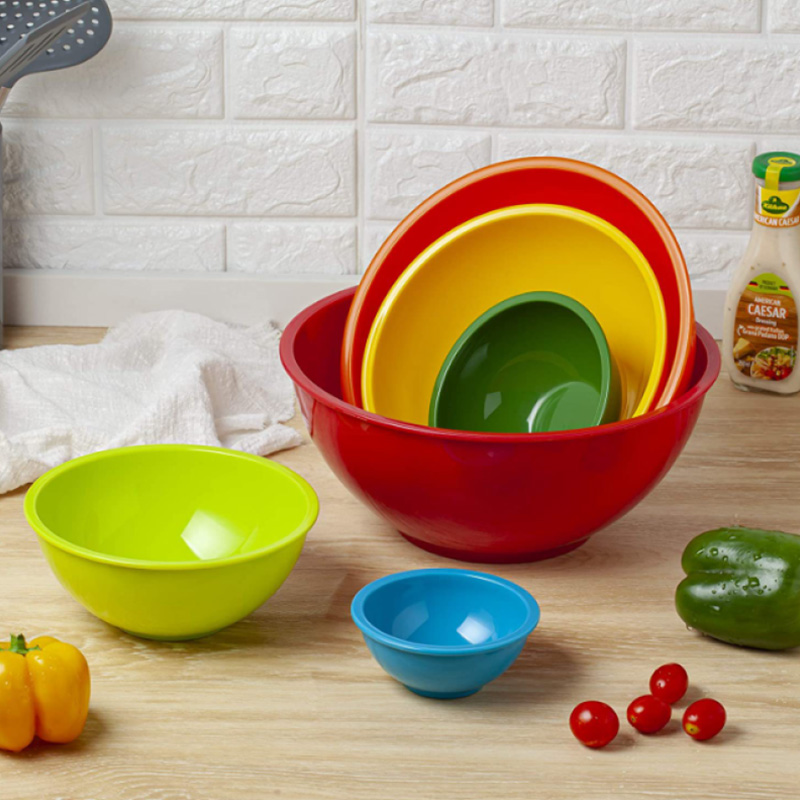
Material Composition Determines Stain Resistance
The ability of a plate to resist stains starts with its raw material structure. Eco-friendly plastic plates are commonly produced using recycled polymers, plant fiber composites, wheat straw blends, bamboo fiber mixtures, or bio-based polymers.
- Polypropylene-based materials: offer a smooth surface with relatively low moisture absorption, helping reduce food residue attachment.
- Plant fiber composites: provide a natural appearance but may require surface treatment to improve resistance against oils and sauces.
- PLA-based materials: provide a bio-based option, though temperature and moisture resistance depend on the formulation.
Food-contact materials are evaluated according to their interaction with food substances, including possible migration and surface behavior. Material selection plays an important role in maintaining both safety and usability.
Why Tomato Sauce and Oils Are Difficult to Remove
Not all stains come from poor plate quality. Certain foods naturally contain compounds that easily attach to plastic surfaces.
- Tomato-based sauces: contain natural pigments such as lycopene, which can create orange or red discoloration.
- Cooking oils: contain fat molecules that can cling to polymer surfaces.
- Spicy foods: often contain concentrated color compounds from peppers and spices.
Plastic surfaces can sometimes retain oily films because certain food compounds interact physically with polymer chains. This does not automatically indicate damage, but it can affect appearance after repeated use.
Surface Finish Plays a Major Role
A smooth and dense plate surface creates fewer areas for food particles and oils to accumulate. Manufacturing techniques directly influence this characteristic.
Important Surface Features Include:
- Low-porosity molding: reduces spaces where sauces and grease can remain.
- Polished surface texture: improves cleaning performance after meals.
- Uniform material distribution: prevents uneven areas that may absorb more residue.
Some reusable plastic dinnerware products use textured surfaces to hide knife marks and maintain appearance during extended use, showing that surface engineering affects visual durability.
Heat Exposure Can Change Staining Performance
Temperature affects how food interacts with plate materials. Hot oily dishes create more challenging conditions compared with cold foods.
A meal containing hot sauce, melted cheese, or oily noodles may leave stronger marks because heat increases contact between food compounds and the plate surface.
- Warm meals: generally create moderate staining pressure.
- High-oil foods: may leave visible films without proper washing.
- Repeated heating cycles: can accelerate surface aging on some plastic materials.
Consumers should check the recommended temperature range before using eco-friendly plates with microwaves or very hot foods, as different materials have different heat tolerance levels.
Cleaning Habits Influence Long-Term Appearance
Even a stain-resistant plate requires suitable cleaning methods. Residue that remains on the surface for extended periods has more time to attach to the material.
- Rinse plates soon after meals: prevents sauces from drying onto the surface.
- Use grease-removing detergent: helps break down oil-based residues.
- Avoid abrasive scrubbers: reduces surface scratches that may trap food pigments.
Dishwasher compatibility also depends on the material design. Some durable reusable plates are developed to withstand dishwasher cleaning without warping, while others require gentler care.
Do Eco-Friendly Plates Perform Differently from Traditional Plastic Plates?
The answer is related to structure rather than environmental labeling. A plant-based composite plate with a dense outer layer may resist staining better than a low-quality conventional plastic plate.
Performance differences usually come from:
- Fiber percentage and distribution
- Polymer type and surface density
- Molding pressure and finishing technology
- Protective coatings or treatments
Sustainability features and practical durability can exist together, but the final performance depends on how the plate is engineered.
Common Food Tests for Stain Resistance
Manufacturers and product developers often evaluate dinner plates with simulated daily-use conditions.
- Tomato sauce test: checks resistance against strong red pigments.
- Oil exposure test: measures grease retention and cleaning difficulty.
- Repeated washing test: evaluates surface changes after multiple cleaning cycles.
- Heat contact test: examines performance under warm food conditions.
These evaluations help determine whether a plate is suitable for family meals, outdoor dining, catering use, or everyday food service.
Final Thoughts on Stain Resistance
Eco-friendly dinner plates can provide reliable resistance against sauces and oils, but their performance is closely connected to material quality and surface design. A well-made Plastic Eco-Friendly Dinner Plates product can maintain a clean appearance through repeated meals, especially with proper cleaning routines.
Consumers should consider more than the environmental label alone. Surface smoothness, temperature tolerance, food compatibility, and maintenance requirements together determine how the plate performs throughout its service life.
Hot Products
-
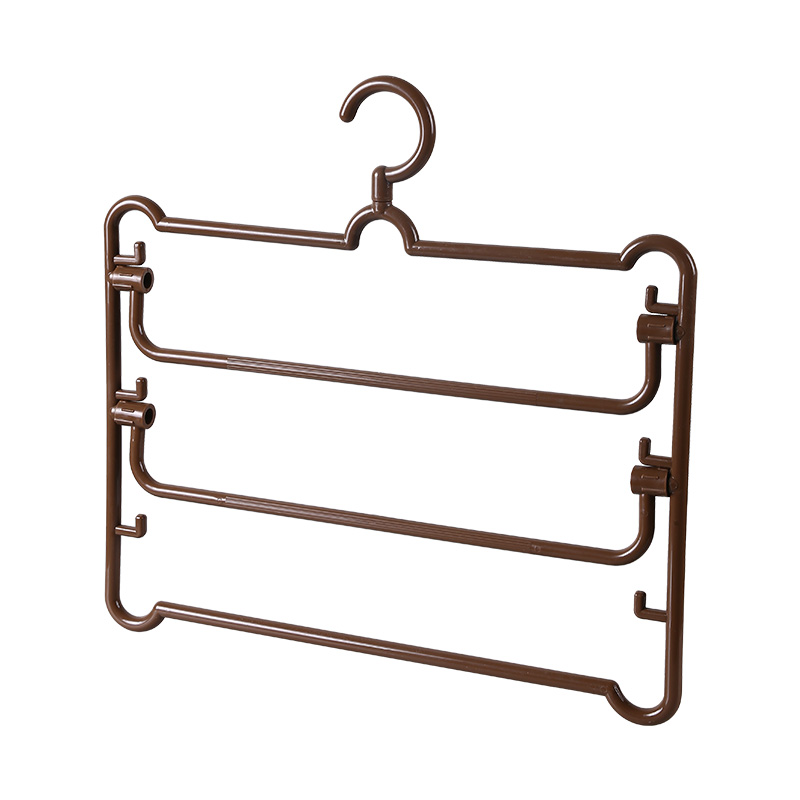
Plastic Pants Hanger (3 Bars)
-
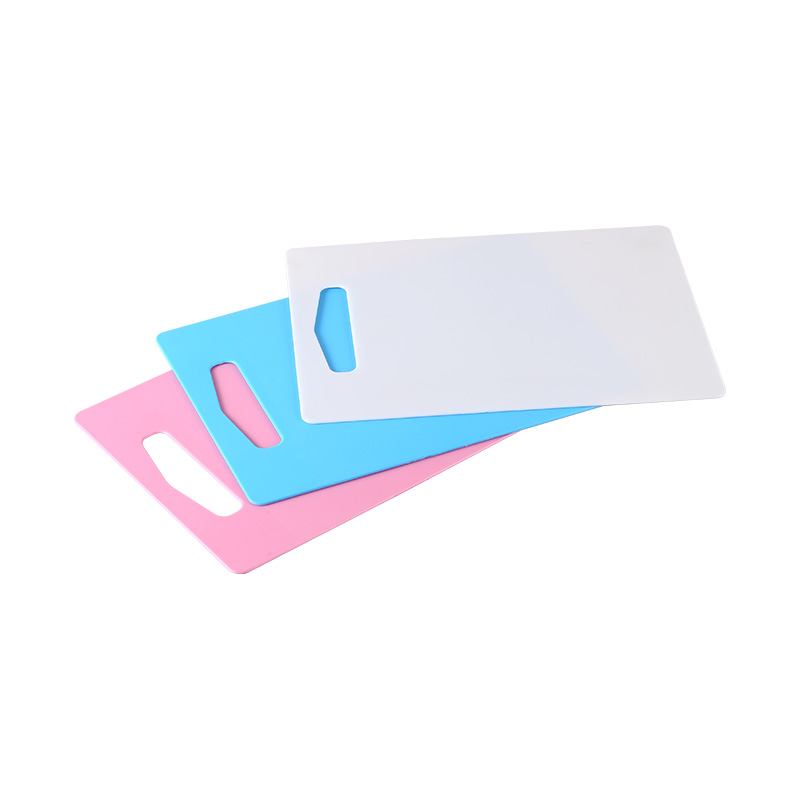
Plastic Chopping Board Food Cutting Block Mat Tool
-
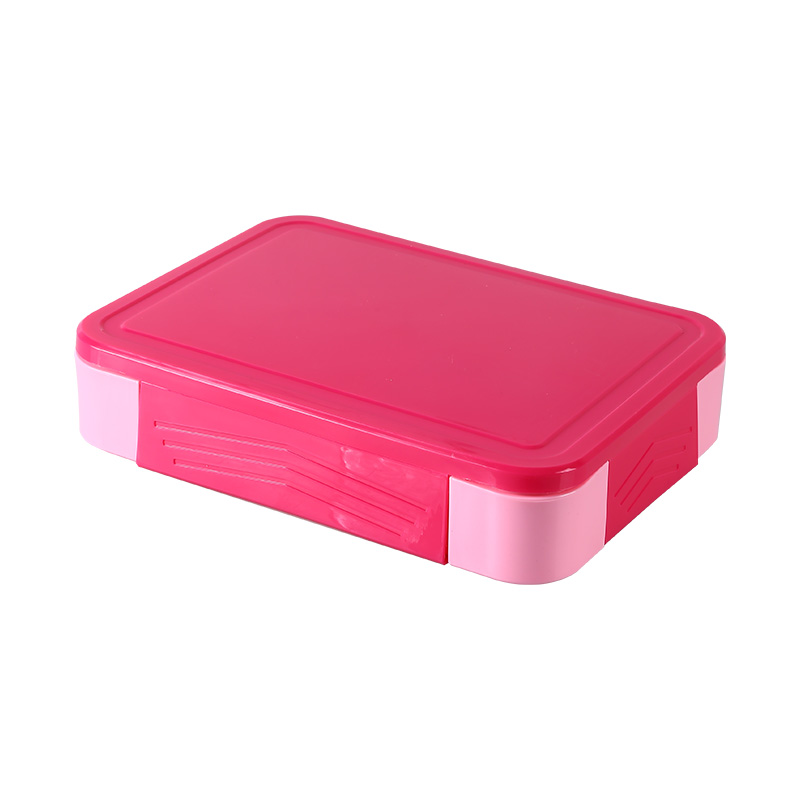
Food Storage Container For Adult Kids All-In-One Lunch Box
-
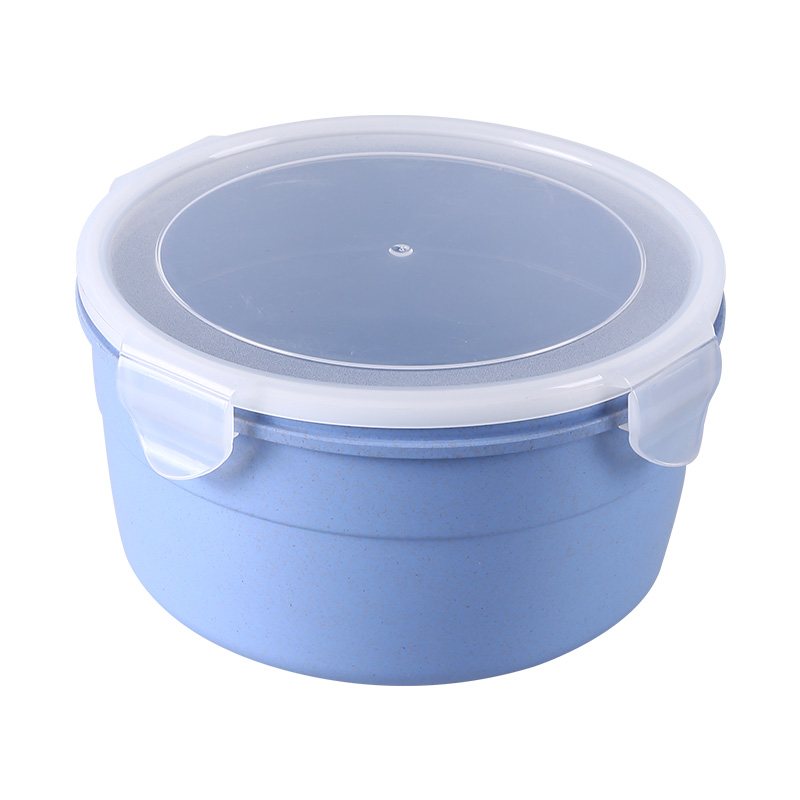
Mini Round Food Preservation Box
-
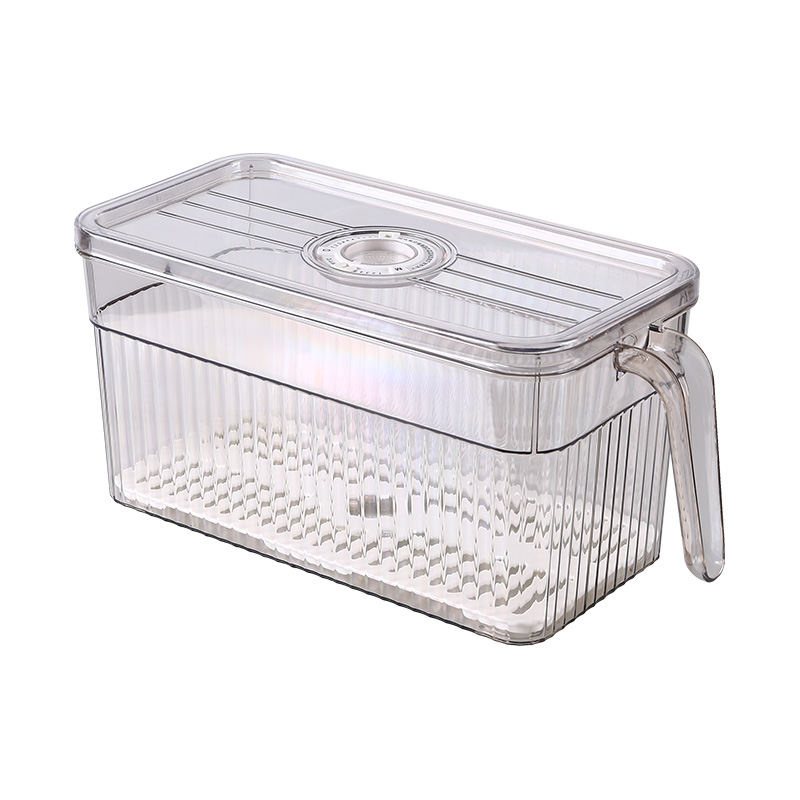
Refrigerator Storage Box Freezer Handle Storage Container
-
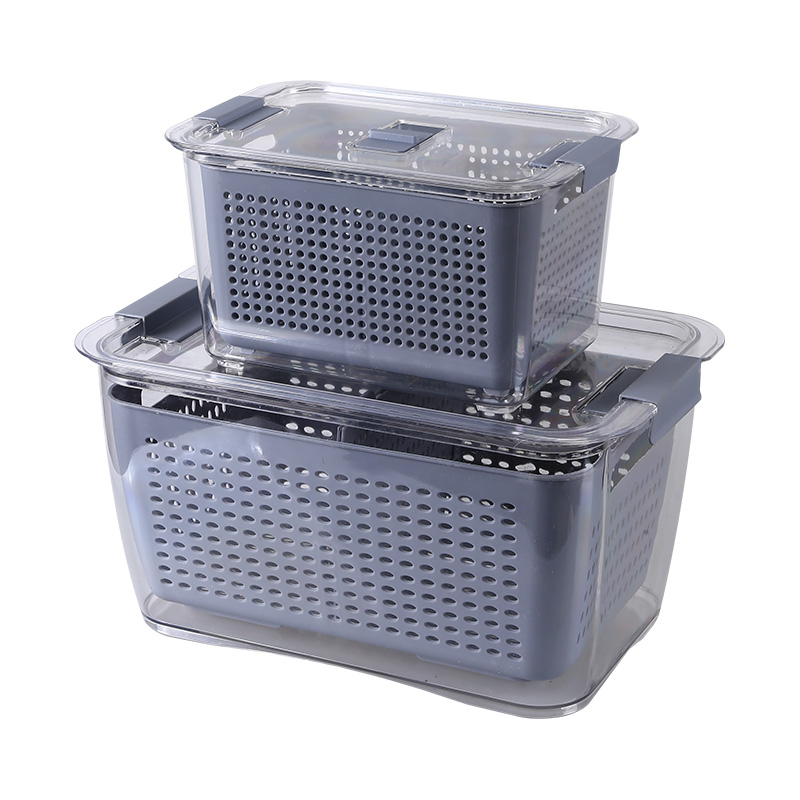
1pc Refrigerator Storage Box With Lid And Drain Basket Fruit Storage Containers Transparent Saver Container Food Organizer Bins
-
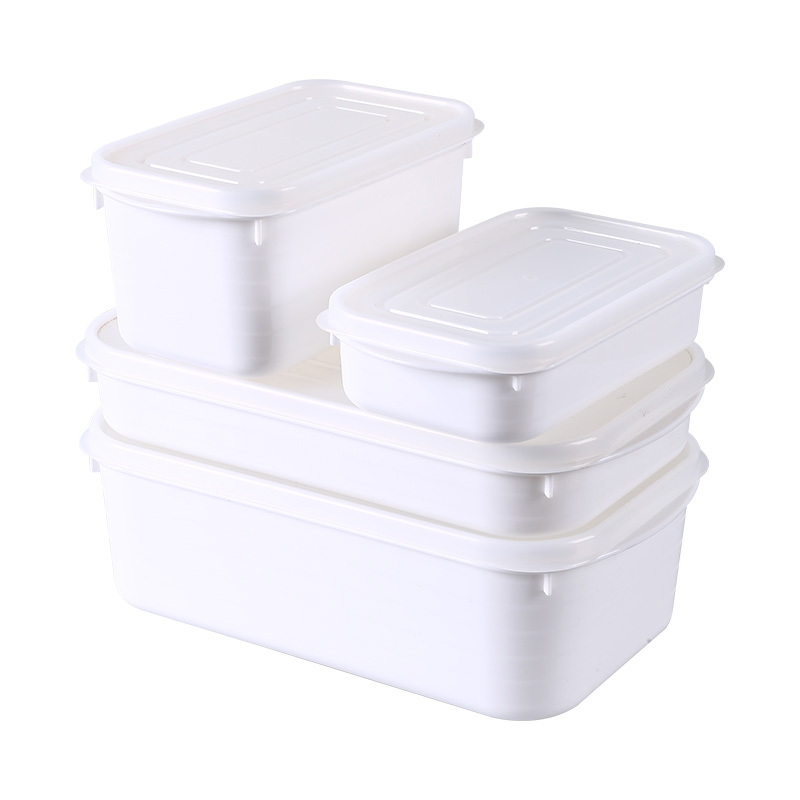
Food Storage Large Capacity Fresh-Keeping Eco Reusable Box Bento Food Leakproof Container
-
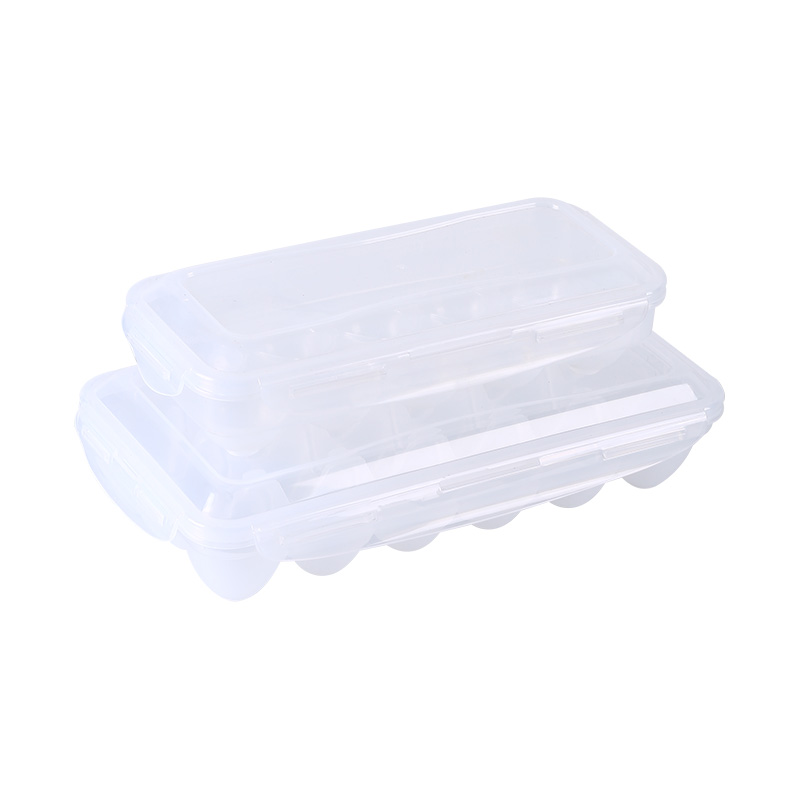
PP Plastic Egg Tray Storage Box
-
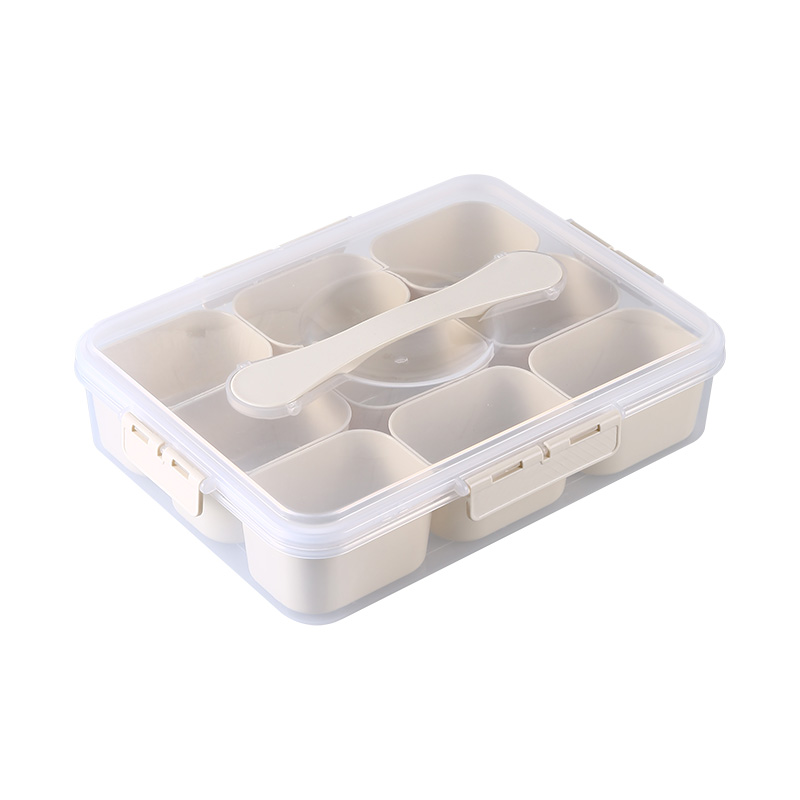
9 Compartment Divided Serving Tray With Lid And Handle Dried Fruit Storage Box
-
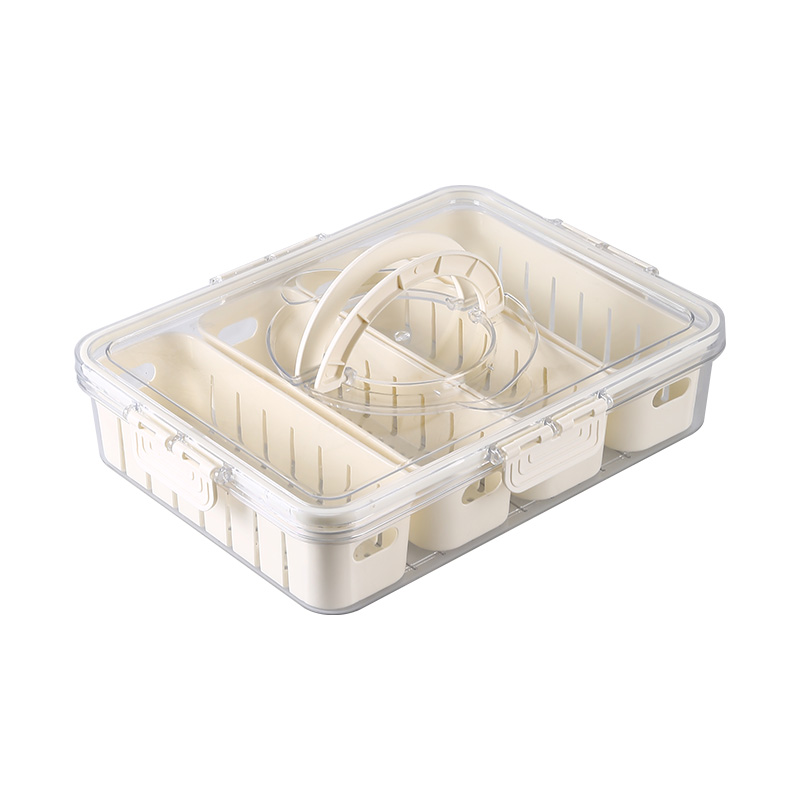
PP Material Handheld Fresh-Keeping Sealed Box Dry Food Classification Storage Box
-
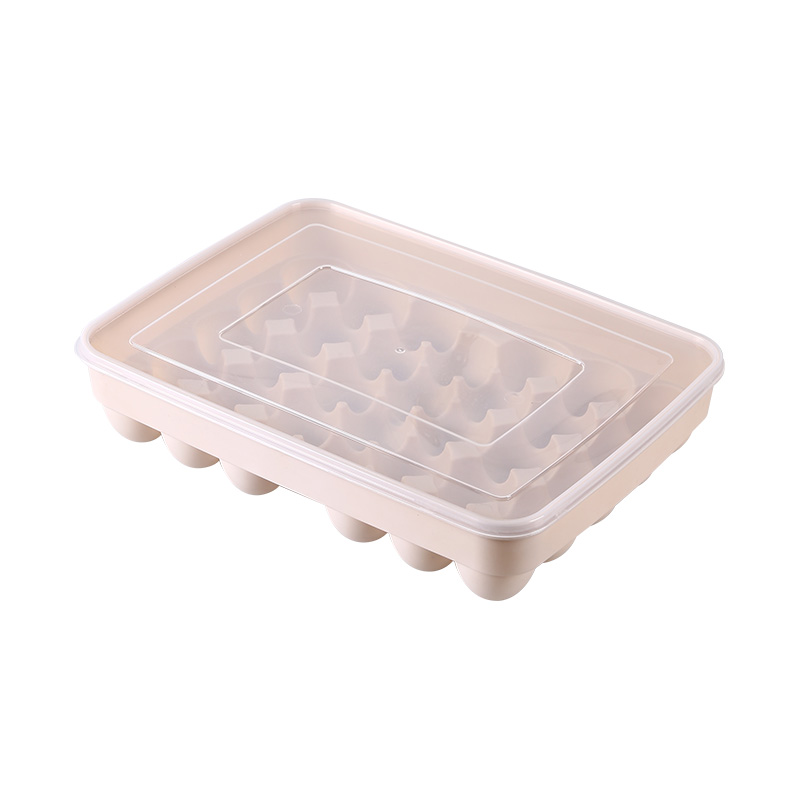
Refrigerator Storage Multi-Grid Egg Box Can Be Stacked With Cover To Food Preservation Box
-
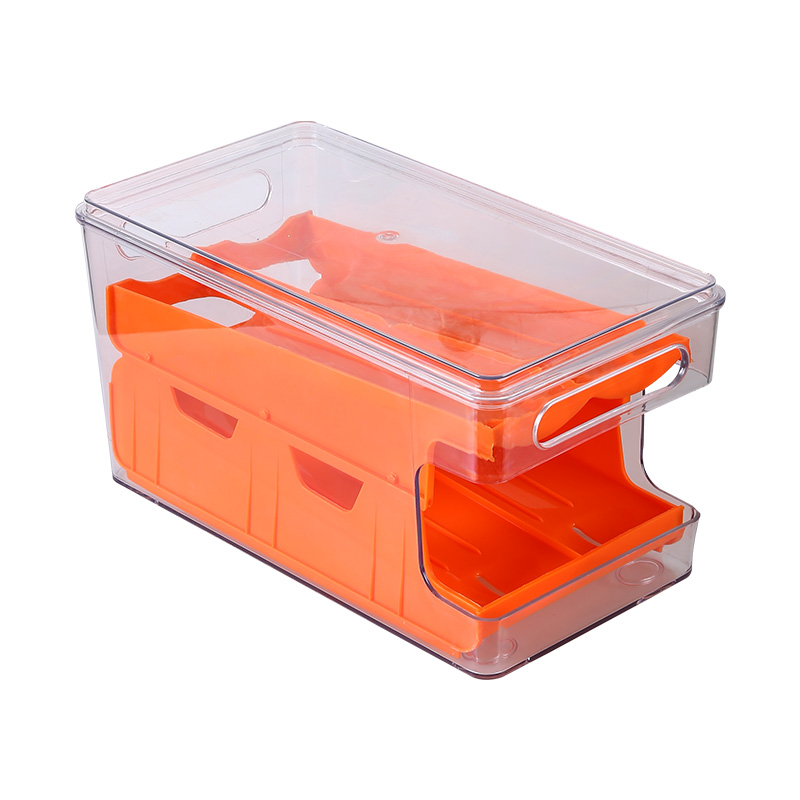
Dual-Layer Transparent Egg Storage Rack Eco-Friendly Slide-Type Household Kitchen

 No. 7 Yicheng Middle Road, Anzhou Street, Xianju, Taizhou, Zhejiang, China.
 +86-0576-89370898
Copyright© Taizhou Soudelor Plastic Industry Co., Ltd. All Rights Reserved.
ECO Friendly Plastic Products Factory
