
 English
 中文简体
中文简体 Deutsch


Does Wheat Straw Plastic Mug Affect Drink Taste After Repeated Use
The rise of eco-composite drinkware has pushed Wheat Straw Plastic Mug into everyday kitchens, travel kits, and office desks. Yet one recurring concern appears across consumer feedback and material discussions: subtle flavor change after long-term use. Taste perception is sensitive, and even slight material interactions inside a cup can influence the drinking experience.
This topic is not only about comfort—it connects with material chemistry, surface wear, temperature exposure, and cleaning habits. Understanding how these factors interact helps explain why taste changes may appear over time.

Material Structure Behind Taste Interaction
Wheat straw drinkware is not a single natural substance. It is a composite material built from plant fiber and polymer binding agents.
- Wheat straw fiber content: typically 30%–60%, derived from agricultural stalk residues
- Binding polymer: often polypropylene (PP) or polylactic acid (PLA)
- Additives: stabilizers and color pigments used for molding consistency
Research shows this hybrid structure behaves closer to conventional plastic than pure plant fiber products because the polymer phase dominates surface contact with liquids.
That means drink interaction is influenced more by the plastic binder than the wheat fiber itself.
Why Taste Perception May Shift Over Time
Flavor alteration does not usually come from a single cause. It develops through gradual surface and material changes.
- Micro-surface abrasion: repeated stirring or washing creates fine scratches that trap residues
- Heat cycling stress: warm beverages followed by cold rinsing expands and contracts the polymer matrix
- Detergent absorption: porous composite surfaces may retain trace cleaning agents
- Aroma retention: coffee, tea, or flavored drinks can leave trace compounds inside micro-grooves
These mechanisms do not necessarily make the mug unsafe, but they can influence neutral taste perception over time.
Temperature Influence on Flavor Stability
Hot beverages interact more intensely with composite materials compared to cold liquids. Heat increases molecular mobility within polymer structures, making subtle absorption or release effects more noticeable.
Most wheat straw mugs are designed with a heat resistance range around -20°C to 120°C, suitable for hot tea or coffee, but not boiling or prolonged high-temperature exposure.
Studies on composite tableware show that sustained heat exposure accelerates micro-structural wear and may increase surface interaction with liquids.
This explains why taste changes are more often reported in hot drink usage scenarios rather than cold water consumption.
Surface Aging and Its Role in Taste Variation
Over time, repeated washing cycles and daily use gradually modify the internal surface of drinkware.
- Initial phase (0–30 uses): surface remains stable, taste neutrality is strong
- Mid phase (30–100 uses): micro abrasions begin to appear, slight aroma retention may occur
- Extended phase (100+ uses): visible wear patterns can influence smell and perceived flavor balance
Dishwasher conditions also matter. High-temperature sanitize cycles can stress the polymer matrix, accelerating surface fatigue and increasing odor retention potential.
Cleaning Residue and Its Hidden Impact
Another factor influencing taste perception is cleaning residue retention. Even small amounts of detergent molecules can bind to composite surfaces.
This effect becomes more noticeable in low-rinse or fragrance-heavy dishwasher pods. Residual compounds do not always remain chemically active, but they may alter the sensory experience of beverages.
Hand washing with mild, fragrance-free detergent often reduces this effect compared to aggressive automated cycles.
Structural Composition and Odor Interaction
Some wheat straw composites include polypropylene as a major structural component. Polypropylene is chemically stable, yet it can still interact physically with oils and aromatic compounds over time.
This interaction may cause:
- Subtle retention of coffee or tea aroma in cup walls
- Delayed release of stored odors when exposed to hot liquid
- Gradual layering effect from repeated beverage use
Such behavior is similar to conventional plastic cups, although wheat fiber blending slightly modifies surface texture and porosity.
Practical Usage Observations
Real-world usage patterns show that taste changes are not uniform across all users or products.
- Cold water use rarely produces noticeable flavor alteration
- Strong beverages like coffee and herbal tea show higher sensitivity
- Higher-quality molded products maintain neutrality longer due to denser polymer structure
- Lower-grade composites tend to show earlier odor retention
Design thickness, injection molding precision, and fiber-to-polymer ratio all influence long-term sensory stability.
Material Safety vs Sensory Experience
It is important to distinguish safety from sensory performance. Most wheat straw composites used in drinkware are tested for food contact safety and show low chemical migration under normal usage conditions.
Taste changes, however, are more related to physical surface evolution than chemical hazards. The mug may remain safe while still gradually altering drinking perception.
Long-term use of composite drinkware highlights a balance between sustainability and sensory stability. A Wheat Straw Plastic Mug generally maintains acceptable performance for daily beverages, though repeated exposure to heat, detergents, and aromatic liquids can gradually influence taste neutrality.
Material selection, cleaning habits, and usage temperature all play a role in how stable the drinking experience remains over time. Understanding these variables helps set realistic expectations for performance across extended use cycles.
Hot Products
-
Plastic Pants Hanger (3 Bars)
-
Plastic Chopping Board Food Cutting Block Mat Tool
-
Food Storage Container For Adult Kids All-In-One Lunch Box
-
Mini Round Food Preservation Box
-
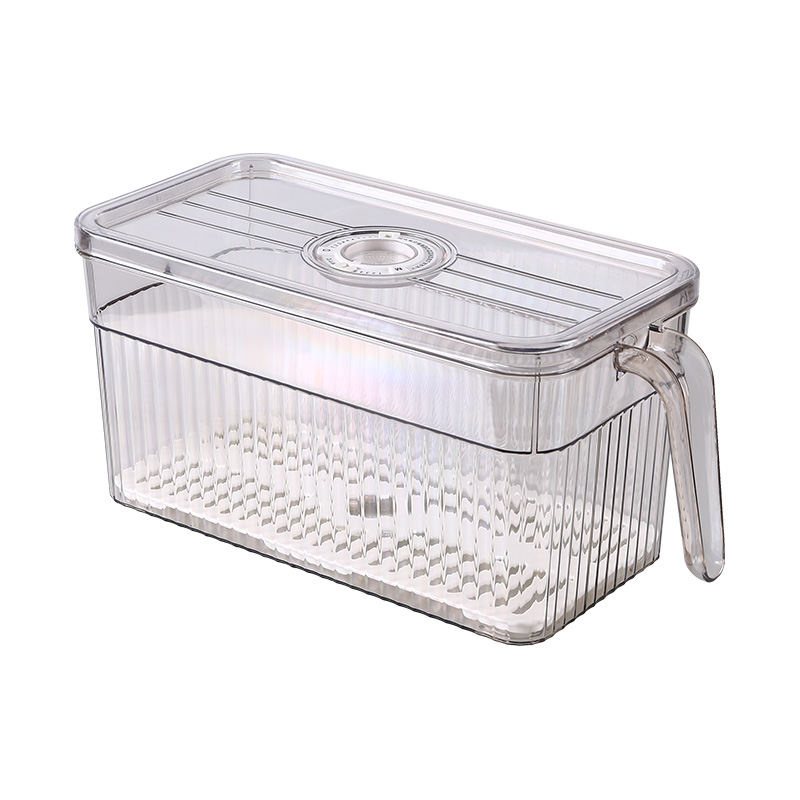
Refrigerator Storage Box Freezer Handle Storage Container
-
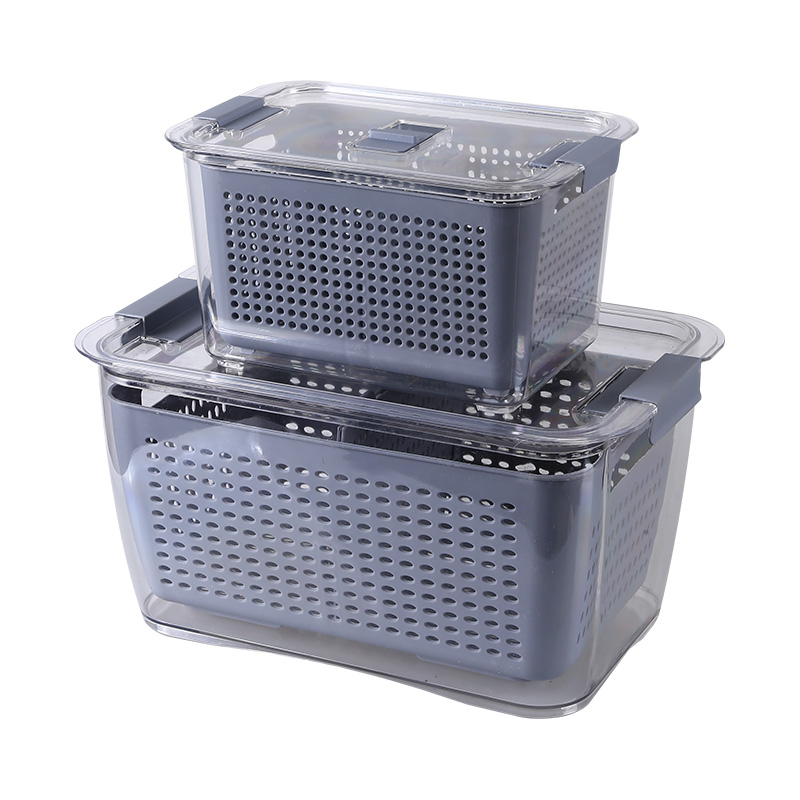
1pc Refrigerator Storage Box With Lid And Drain Basket Fruit Storage Containers Transparent Saver Container Food Organizer Bins
-
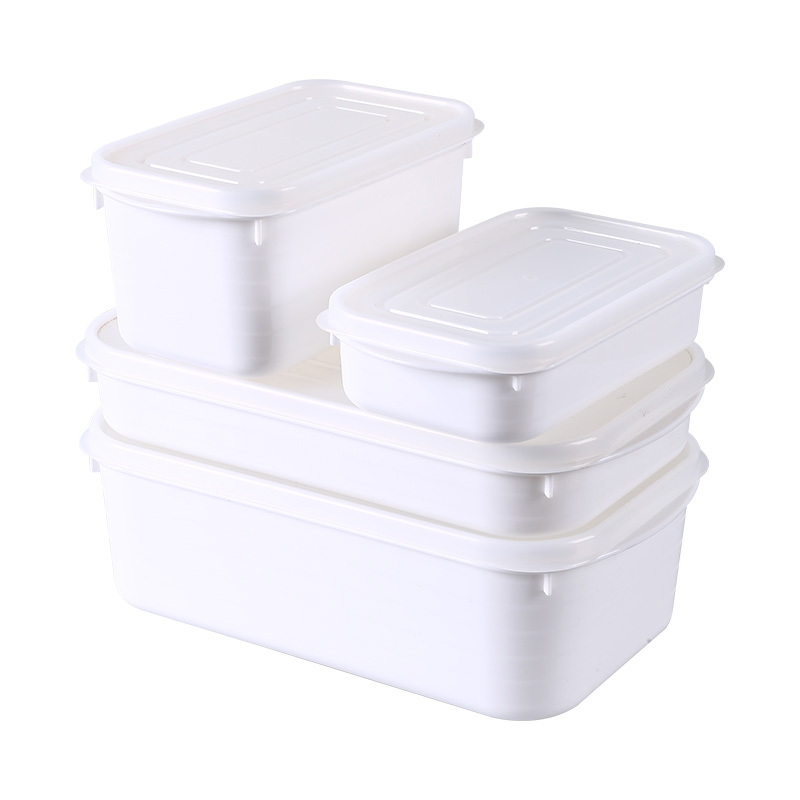
Food Storage Large Capacity Fresh-Keeping Eco Reusable Box Bento Food Leakproof Container
-
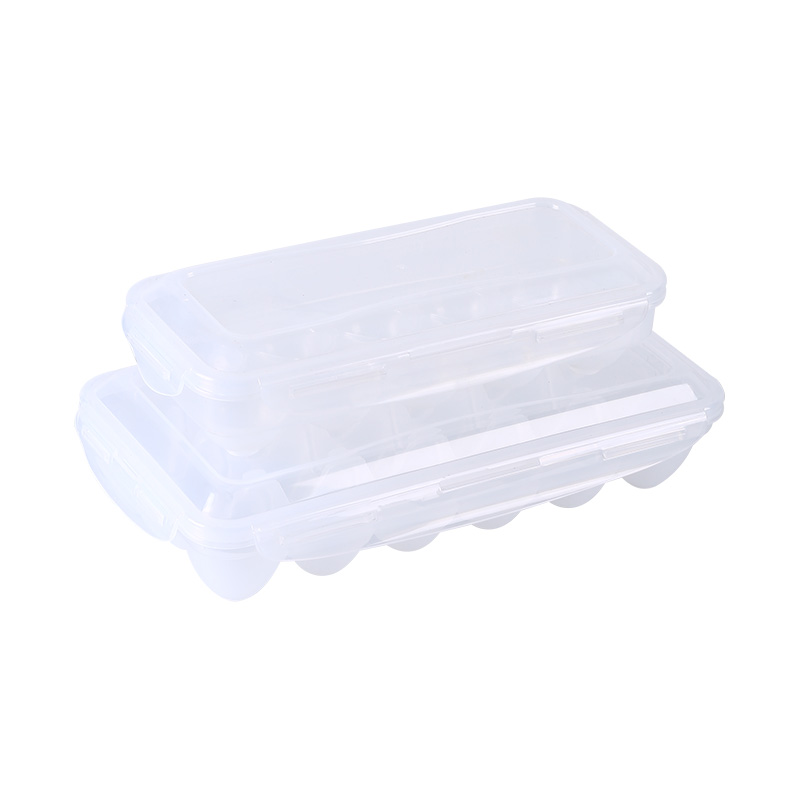
PP Plastic Egg Tray Storage Box
-
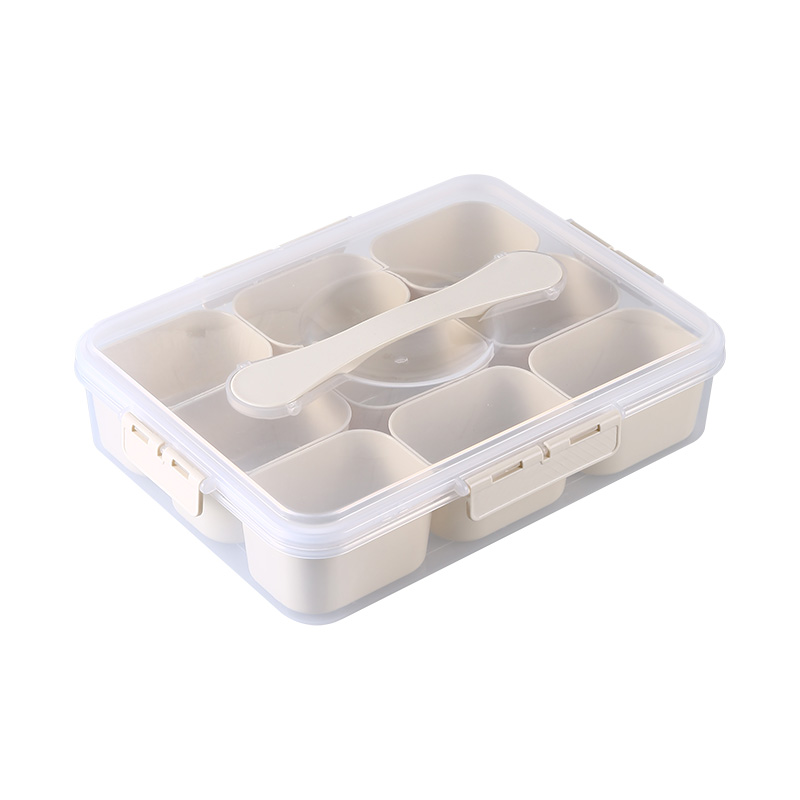
9 Compartment Divided Serving Tray With Lid And Handle Dried Fruit Storage Box
-
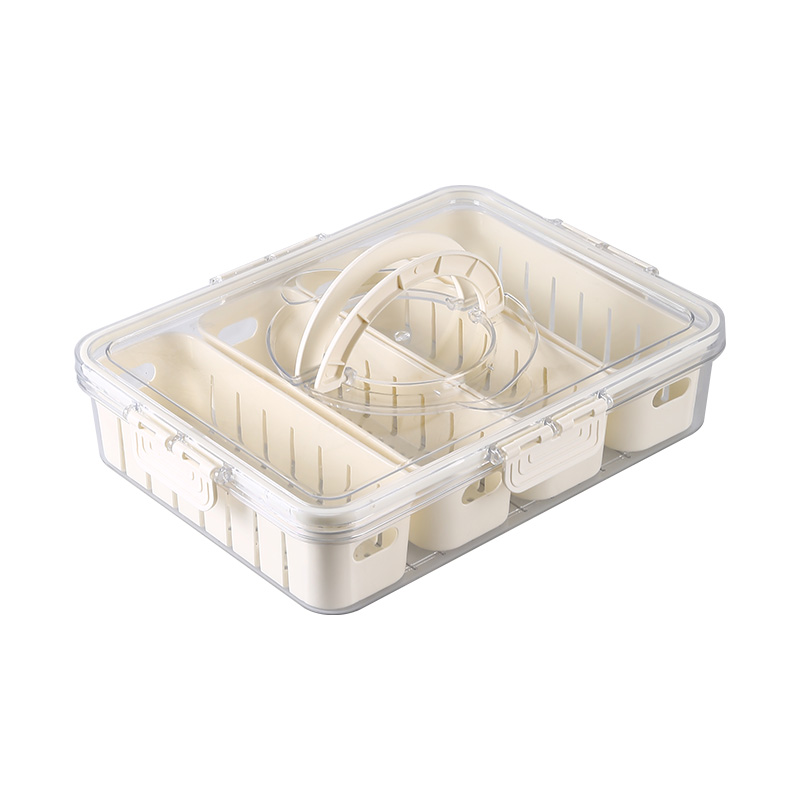
PP Material Handheld Fresh-Keeping Sealed Box Dry Food Classification Storage Box
-
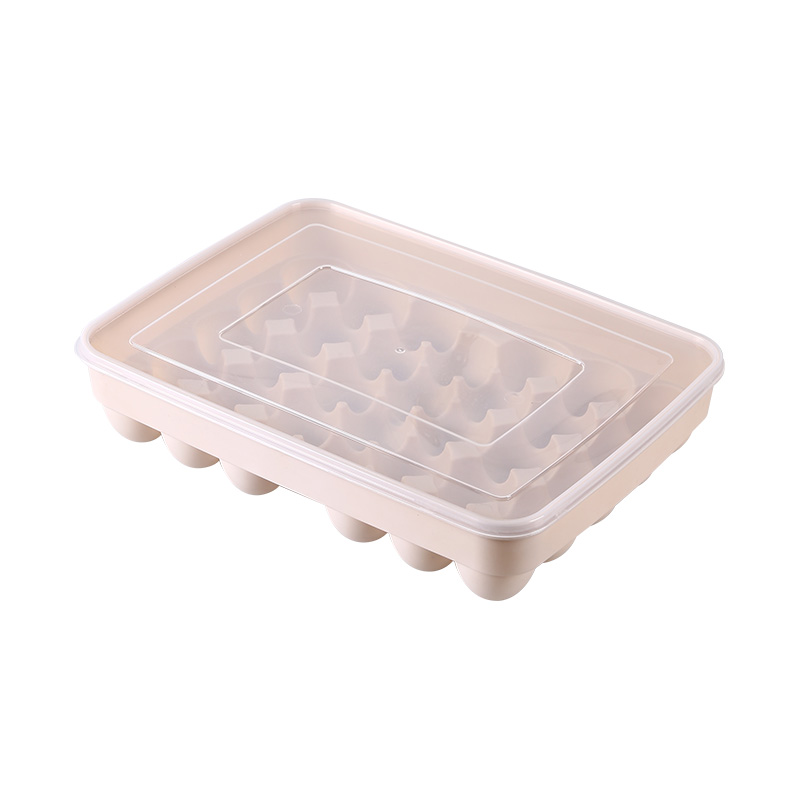
Refrigerator Storage Multi-Grid Egg Box Can Be Stacked With Cover To Food Preservation Box
-
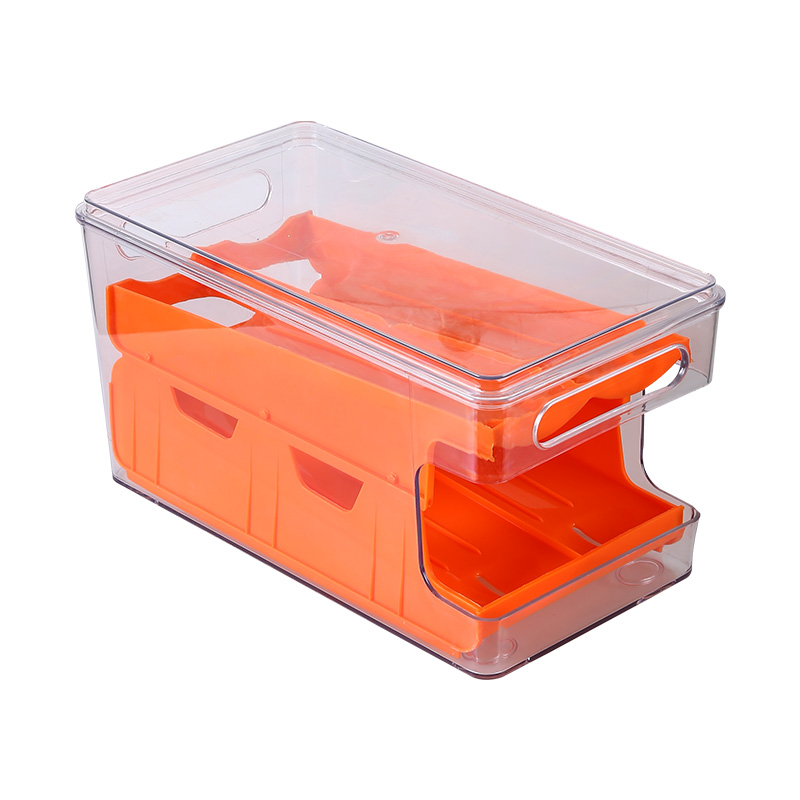
Dual-Layer Transparent Egg Storage Rack Eco-Friendly Slide-Type Household Kitchen

 No. 7 Yicheng Middle Road, Anzhou Street, Xianju, Taizhou, Zhejiang, China.
 +86-0576-89370898
Copyright© Taizhou Soudelor Plastic Industry Co., Ltd. All Rights Reserved.
ECO Friendly Plastic Products Factory
