
 English
 中文简体
 Deutsch



Before Bulk Ordering, How Should Buyers Verify Container Load Ratings
Large storage containers are often used for organizing household supplies, storing merchandise, or holding bulky items in warehouses and commercial facilities. However, a container's appearance and dimensions do not establish how much weight it can safely support. At Soudelor, we encourage buyers to verify load ratings against the intended application before confirming a bulk order. Reviewing the structure, material specifications, stacking conditions, and sample test results helps purchasing teams make informed decisions about a large plastic container box.

1. Clarify What the Load Rating Represents
The term load capacity can refer to different operating conditions. Buyers should ask suppliers to explain the meaning of each published figure instead of assuming that a single number applies to every situation.
- Payload capacity: The weight of the contents that a container is designed to hold under specified conditions.
- Static load: The load applied while the container remains stationary on a suitable supporting surface.
- Stacking load: The downward force applied by containers positioned above the unit being evaluated.
- Handling load: The conditions experienced during lifting, carrying, or moving the loaded container.
These terms are not interchangeable. A container that supports a particular weight on the floor may not withstand the same conditions during lifting or stacking. Buyers should request a written explanation of the rating and the test conditions behind it.
2. Examine the Structural Features
Container geometry and material distribution affect how weight moves through the product. Large boxes may experience additional stress around their corners, base, sidewalls, handles, and lid edges.
- Base construction: Check whether the bottom panel distributes the intended load without excessive bending.
- Sidewall reinforcement: Review ribs, corners, and wall thickness for their role in structural support.
- Handle design: Confirm that lifting points are suitable for the expected contents and handling method.
- Stacking interface: Inspect whether the lid, rim, and base align properly during stacking.
- Material specification: Request the plastic grade and relevant information about its mechanical properties.
At Soudelor, we recommend evaluating these details alongside the intended use rather than judging load performance from wall thickness alone. Two containers with similar external dimensions may distribute forces differently because of their geometry and construction.
3. Request a Defined Load Test
A meaningful load rating should be supported by a documented test or a clearly defined engineering basis. Buyers should ask which sample configuration was evaluated, how the load was applied, how long it remained in place, and what conditions determined a pass or failure.
For stacking applications, ASTM D4577 describes a method for evaluating a container's resistance to a constant vertical load over a specified period or until failure. Its principles illustrate why test duration and loading conditions matter when comparing product claims.
- Confirm whether the test used an empty or loaded container.
- Record the applied weight and how it was distributed.
- Check the test duration and environmental conditions.
- Inspect for cracks, permanent deformation, instability, or damage to functional components.
- Request the test report or agreed acceptance criteria where available.
Testing should reflect the actual product and intended use. A result from a different container design should not automatically be treated as proof of equivalent performance.
4. Test the Container Under Realistic Conditions
Laboratory results become more useful when buyers understand how the container will be used after delivery. A storage box holding lightweight clothing has different requirements from one carrying dense tools or other heavy supplies.
Before approving a sample, purchasing teams should define:
- Expected contents: Specify the total weight and whether the contents are evenly distributed.
- Support surface: Confirm whether the container rests on a flat floor, shelf, pallet, or other structure.
- Stacking arrangement: State the intended stack height and whether the boxes will be loaded during storage.
- Handling frequency: Explain whether containers will remain stationary or be moved regularly.
- Operating environment: Identify relevant temperature conditions and exposure that may affect the material.
For example, a container intended for repeated manual handling should be evaluated for its handles and base as well as its ability to hold the contents while stationary. Stacking tests alone cannot establish suitability for every lifting or carrying scenario.
5. Include Load Requirements in the Purchase Agreement
Written specifications reduce ambiguity between the buyer and supplier. Before placing a bulk order, document the required dimensions, material, load conditions, stacking arrangement, and inspection criteria.
We recommend including the following items in the procurement checklist:
- The exact model and approved product drawing.
- The stated working load and the conditions under which it applies.
- The relevant sample testing and acceptance procedures.
- The packaging configuration and transportation requirements.
- Procedures for addressing samples or production units that fail agreed inspections.
Buyers should also distinguish between a recommended working load and a load reached during a destructive test. A failure threshold is not a suitable operating target, and a safety margin should be established according to the application and relevant requirements.
Verify Specifications Before Confirming Your Order
Reliable load verification combines clear definitions, structural assessment, appropriate testing, and written acceptance criteria. A container's stated capacity is meaningful only when buyers understand the conditions behind the figure and confirm that those conditions match the intended application.
At Soudelor, we welcome inquiries from distributors, wholesalers, and business buyers evaluating plastic storage products. Share your required dimensions, expected contents, stacking arrangement, handling method, and packaging needs with our team. These details help us review your project requirements and discuss suitable product specifications before bulk production is confirmed.
Hot Products
-
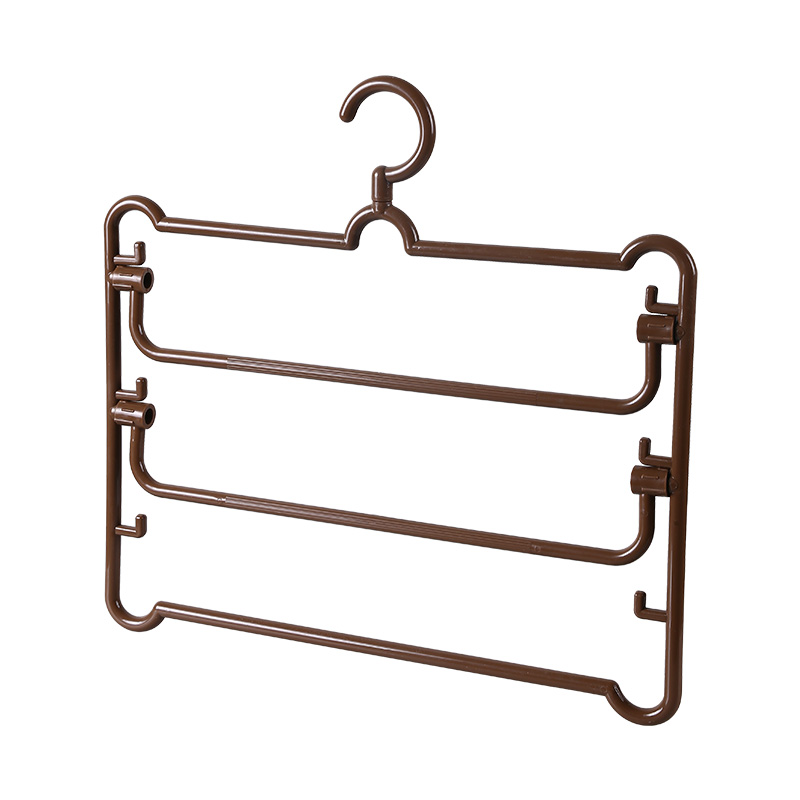
Plastic Pants Hanger (3 Bars)
-
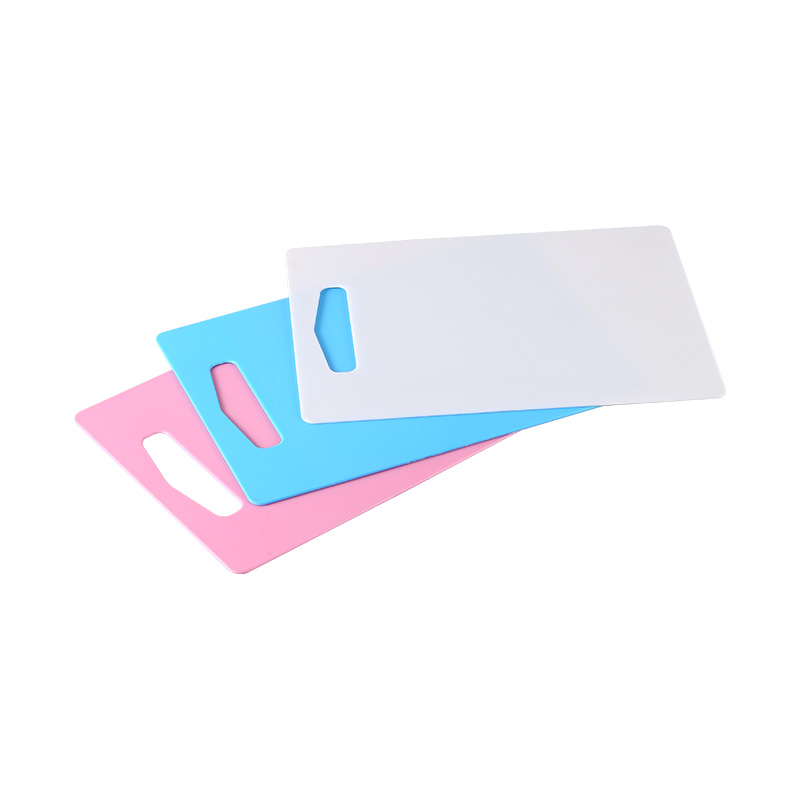
Plastic Chopping Board Food Cutting Block Mat Tool
-
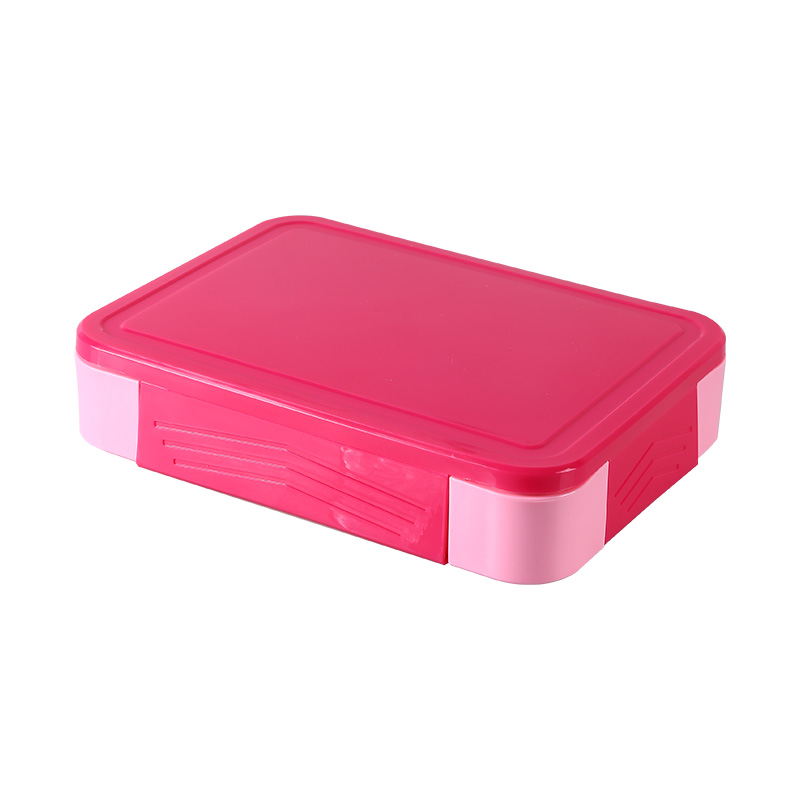
Food Storage Container For Adult Kids All-In-One Lunch Box
-
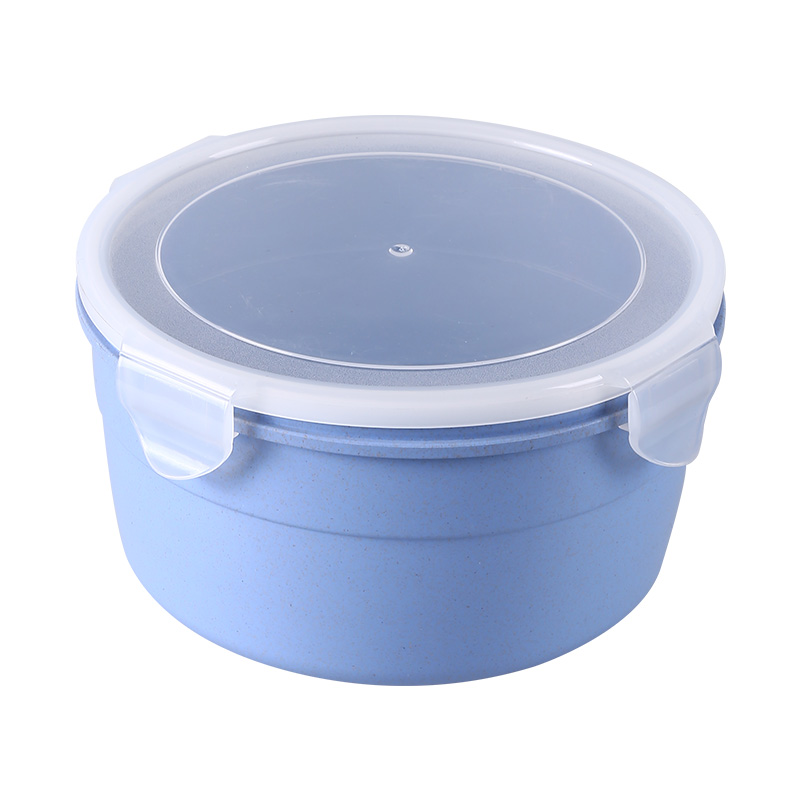
Mini Round Food Preservation Box
-
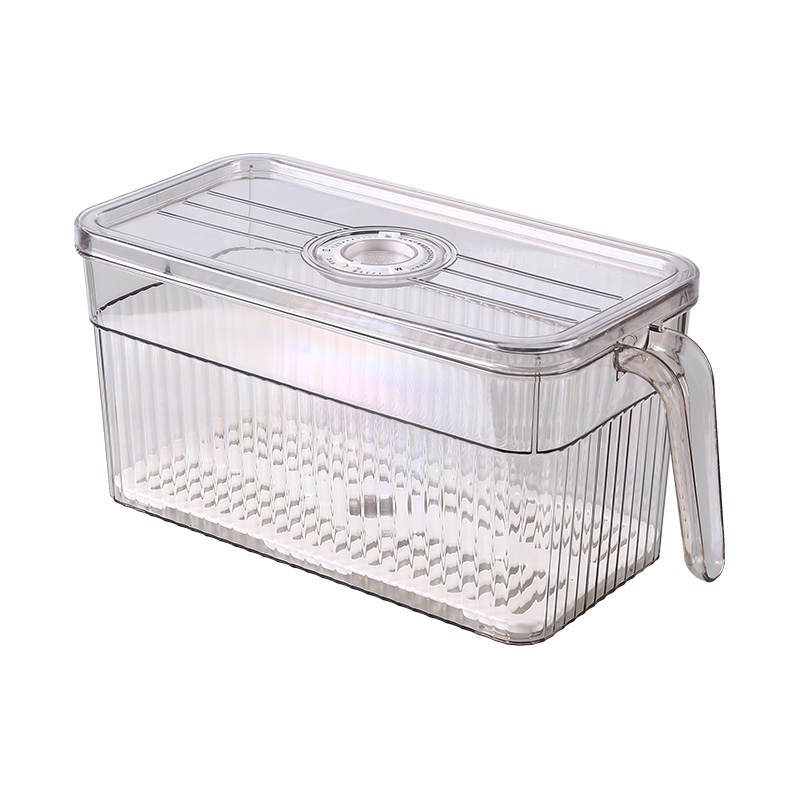
Refrigerator Storage Box Freezer Handle Storage Container
-
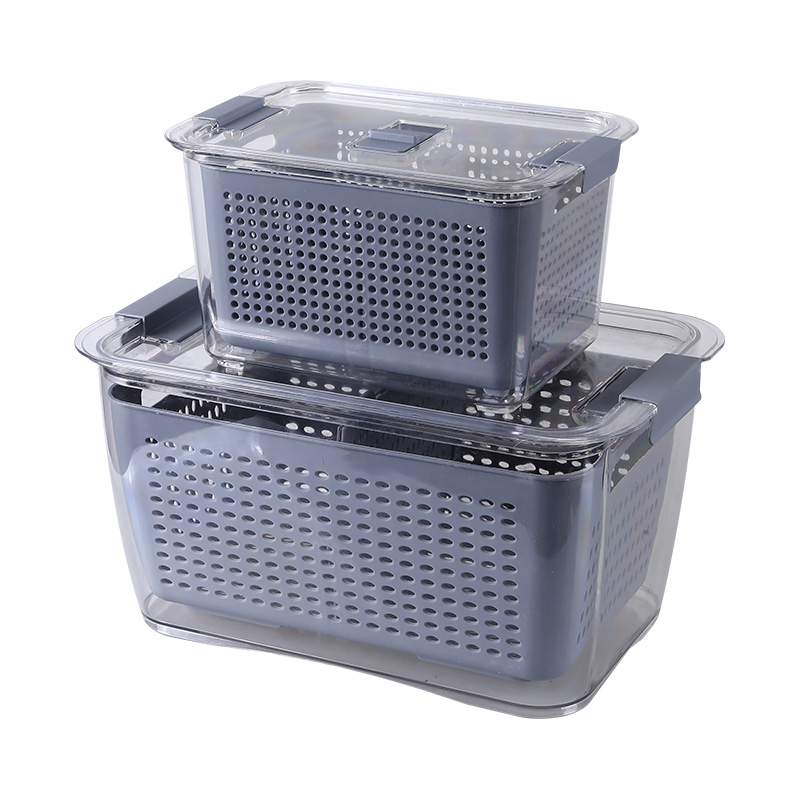
1pc Refrigerator Storage Box With Lid And Drain Basket Fruit Storage Containers Transparent Saver Container Food Organizer Bins
-
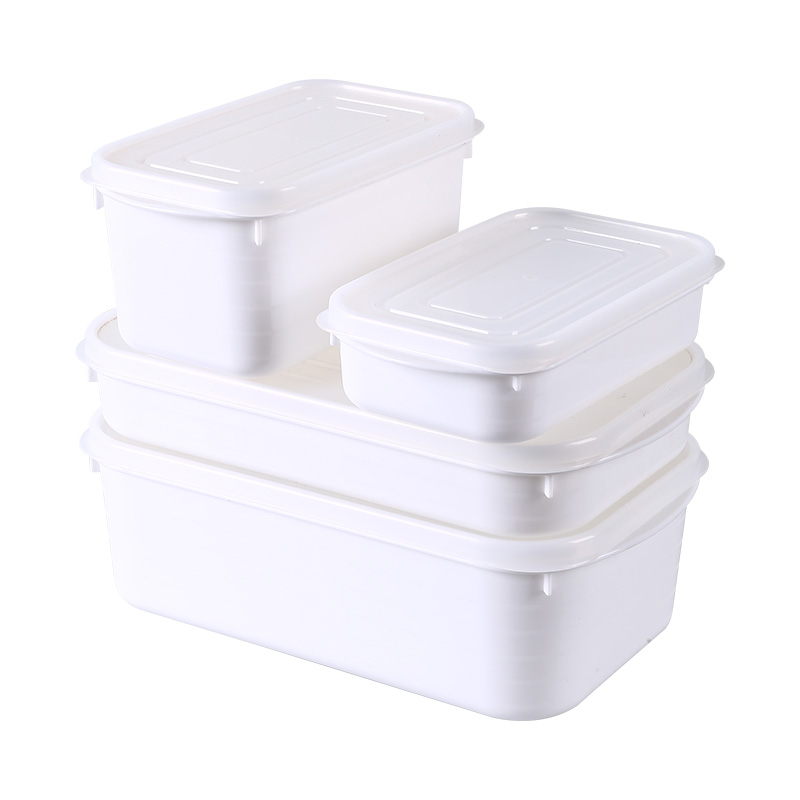
Food Storage Large Capacity Fresh-Keeping Eco Reusable Box Bento Food Leakproof Container
-
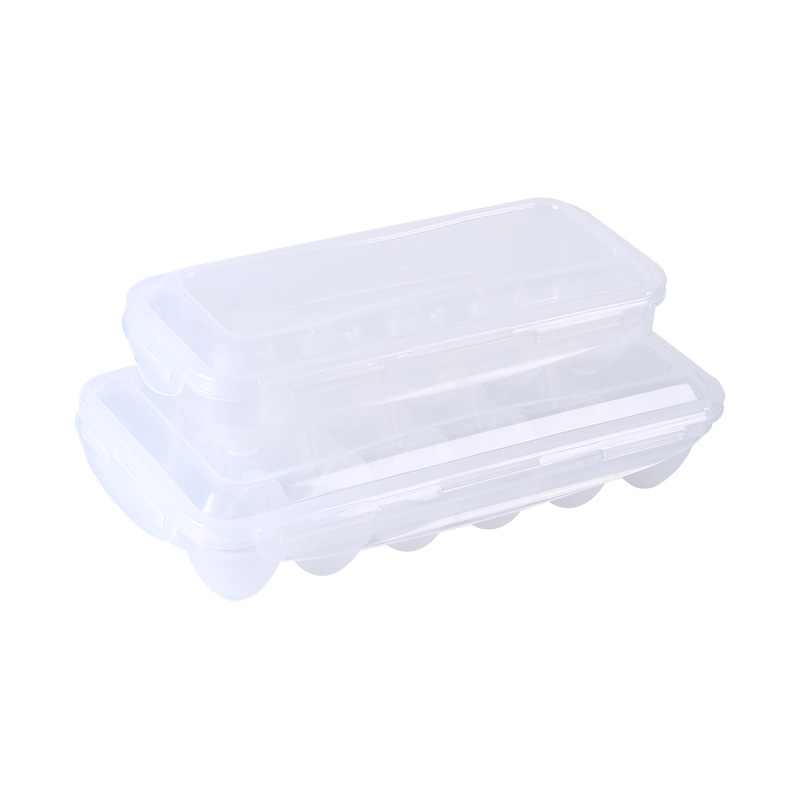
PP Plastic Egg Tray Storage Box
-
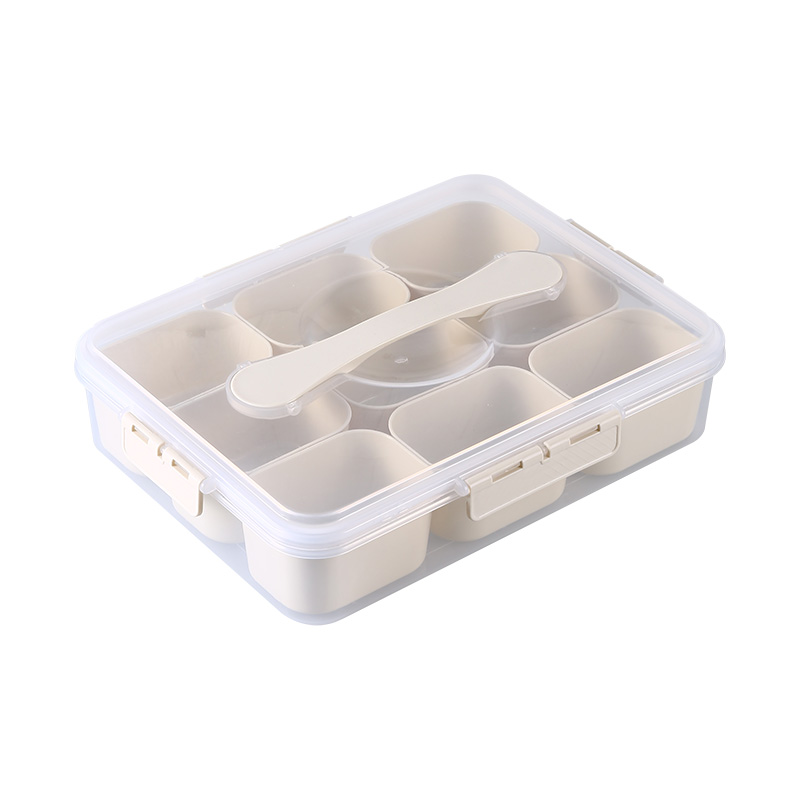
9 Compartment Divided Serving Tray With Lid And Handle Dried Fruit Storage Box
-
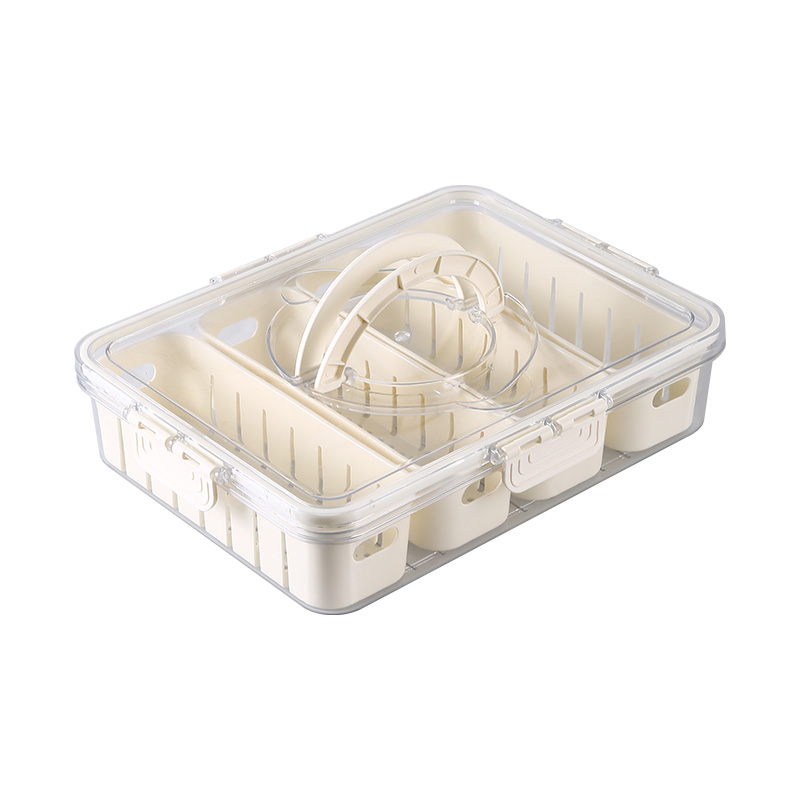
PP Material Handheld Fresh-Keeping Sealed Box Dry Food Classification Storage Box
-
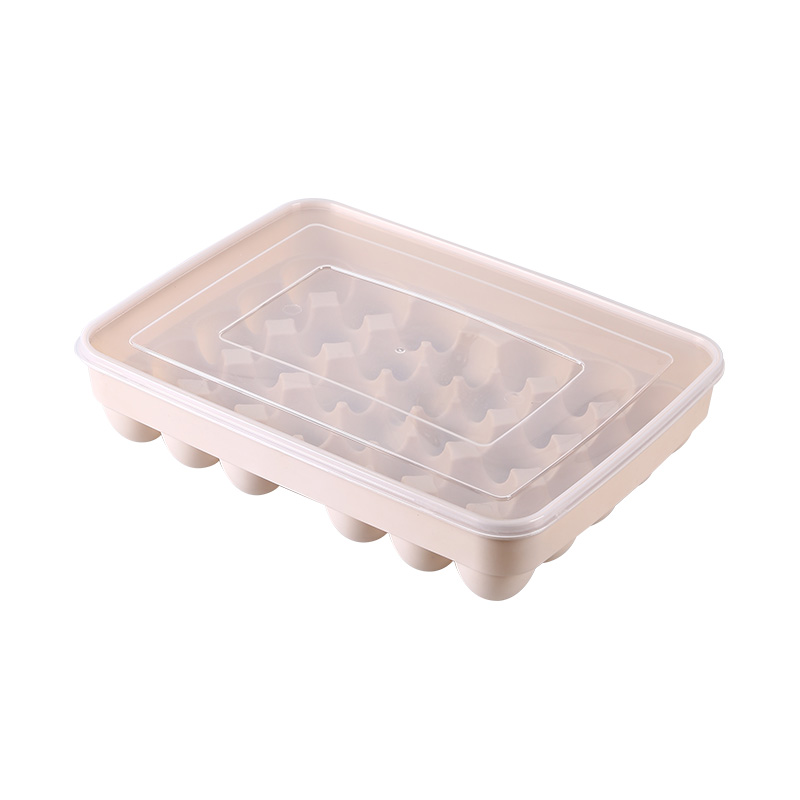
Refrigerator Storage Multi-Grid Egg Box Can Be Stacked With Cover To Food Preservation Box
-
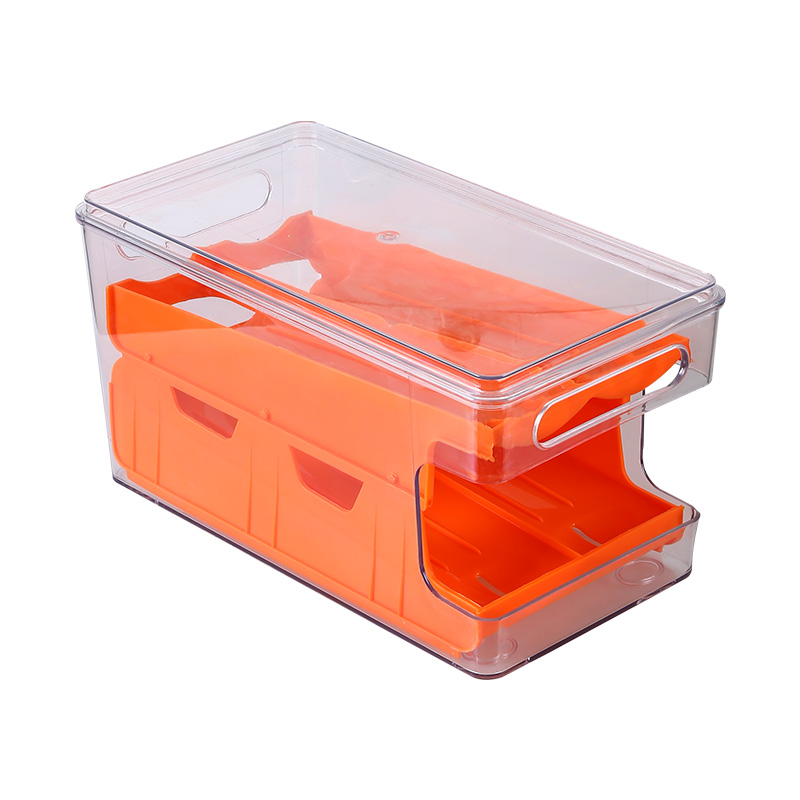
Dual-Layer Transparent Egg Storage Rack Eco-Friendly Slide-Type Household Kitchen

 No. 7 Yicheng Middle Road, Anzhou Street, Xianju, Taizhou, Zhejiang, China.
 +86-0576-89370898

Copyright© Taizhou Soudelor Plastic Industry Co., Ltd. All Rights Reserved.
ECO Friendly Plastic Products Factory
