
 English
 中文简体
 Deutsch



Comparing Storage Container Suppliers: Which Specifications Matter
Choosing a plastic storage supplier involves more than comparing unit prices and product photographs. Differences in dimensions, material grades, lid design, manufacturing consistency, and packaging can affect the suitability of a product for retail distribution. At Soudelor, we encourage buyers to establish clear requirements before requesting quotations for plastic home storage containers. A consistent specification makes supplier comparisons more meaningful and helps both parties understand the expected product quality.

1. Confirm Dimensions and Usable Capacity
External dimensions determine whether a container fits a cabinet, shelf, drawer, or designated storage area. Internal dimensions indicate how much usable space remains after accounting for wall thickness, tapered sides, and structural features.
- External measurements: Confirm length, width, and height in millimeters or inches.
- Internal measurements: Check the space available for the intended household items.
- Capacity: Ask how the stated volume is calculated and whether it represents usable storage space.
- Tolerances: Establish acceptable dimensional variation for production inspections.
Buyers should request technical drawings or dimensioned samples rather than relying exclusively on catalog images. Clear measurements also help prevent misunderstandings between suppliers quoting products with different specifications.
2. Evaluate Material and Wall Construction
The plastic material influences rigidity, weight, appearance, impact behavior, and suitability for different storage applications. Common options include polypropylene (PP), polyethylene (PE), and selected transparent plastics. The appropriate choice depends on the container's design and intended use.
- Material identification: Request the specified resin type and relevant material documentation.
- Wall thickness: Review the design in relation to expected contents and handling conditions.
- Surface finish: Check for scratches, burrs, uneven coloring, and visible molding defects.
- Application requirements: Confirm any applicable food-contact, temperature, or chemical-resistance requirements for the intended use.
A material name alone does not establish product performance. At Soudelor, we recommend assessing the actual sample and requesting supporting information relevant to the application instead of assuming that containers made from the same polymer will behave identically.
3. Check Lid Fit, Handles, and Stackability
Functional details can distinguish a suitable container from one that creates difficulties during everyday use. Buyers should examine how the lid attaches, whether handles are comfortable to grip, and whether stacked units remain stable under the intended conditions.
- Lid compatibility: Confirm alignment, closure method, and ease of opening.
- Handle construction: Inspect grip space and attachment points where handles are included.
- Stacking interface: Check whether the base and lid align securely in the intended arrangement.
- Load requirements: Define the expected contents and stacking conditions before requesting performance claims.
For example, a container intended for lightweight clothing has different structural requirements from a box used to store heavier household supplies. Buyers should establish the intended load and request appropriate verification rather than relying on appearance alone.
4. Compare Samples and Quality Inspection Procedures
Samples provide a practical way to compare suppliers against the same requirements. Inspect each sample using an agreed checklist and record any differences from the submitted drawings or reference product.
Our suggested inspection points include:
- Dimensional accuracy and consistency.
- Material appearance, color, and surface condition.
- Lid fit, handle function, and stacking stability.
- Visible defects, deformation, and sharp edges.
- Packaging condition and product identification.
Buyers should also ask how production samples are approved, which characteristics are checked during manufacturing, and how nonconforming products are handled. A written inspection plan provides a shared reference for both the supplier and purchasing team.
5. Review Packaging and Delivery Requirements
Packaging affects product protection, warehouse handling, retail presentation, and shipping calculations. A quotation should clearly identify whether containers are individually packed, nested, bundled, or placed directly into master cartons.
- Carton dimensions: Confirm the outer length, width, and height for freight planning.
- Packing quantity: Specify the number of containers or sets per carton.
- Retail presentation: Confirm labels, barcodes, inserts, and customized packaging requirements.
- Shipping protection: Review how the packaging limits scratches, deformation, and movement during transit.
Buyers should compare packaging assumptions across quotations because different packing arrangements can change the total landed cost. Product price, packaging, transportation, and any applicable import charges should be evaluated together.
6. Build a Consistent Supplier Comparison Checklist
Before making a purchasing decision, Soudelor recommends comparing every quotation against the same written specification.
- Are the material, dimensions, capacity, and included components clearly stated?
- Can the supplier provide samples and relevant technical documentation?
- Are customization options and associated costs clearly explained?
- Does the quotation specify packaging details and order assumptions?
- Are sample approval and production inspection procedures agreed upon?
These questions help identify differences that a unit-price comparison may overlook. A supplier quotation should describe the actual product being purchased, including its specifications, packaging, and agreed quality requirements.
Make Your Storage Container Specifications Clear
Reliable supplier evaluation begins with measurable requirements. Dimensions, material information, structural details, sample consistency, and packaging arrangements all deserve attention before an order is confirmed.
At Soudelor, we welcome inquiries from importers, wholesalers, distributors, and private-label buyers seeking plastic storage products. Share your preferred dimensions, intended application, material requirements, packaging details, and customization expectations with our team. These details will help us review your project and discuss suitable product options for your market.
Hot Products
-
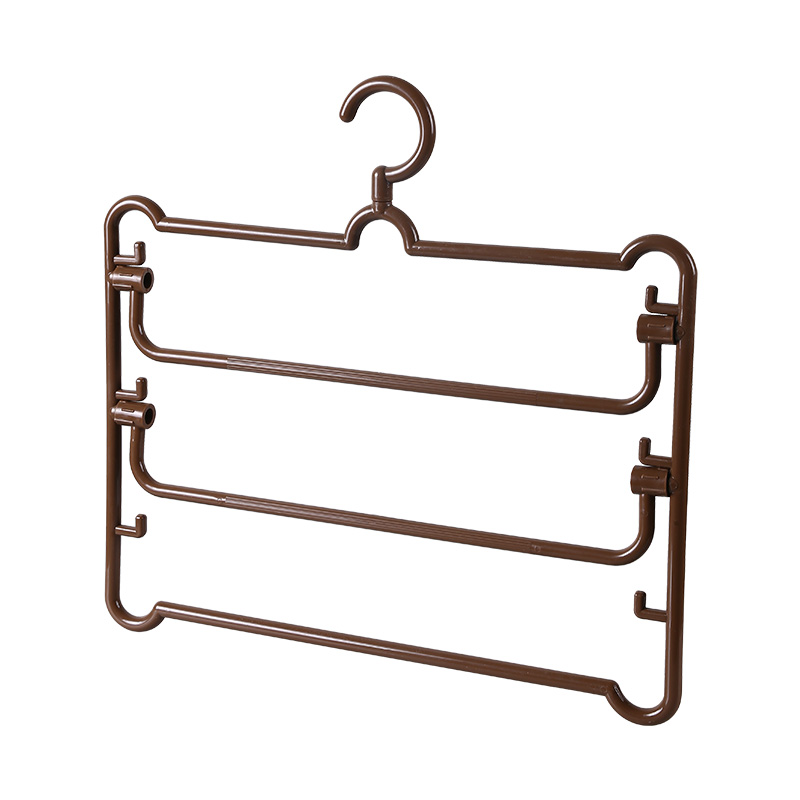
Plastic Pants Hanger (3 Bars)
-
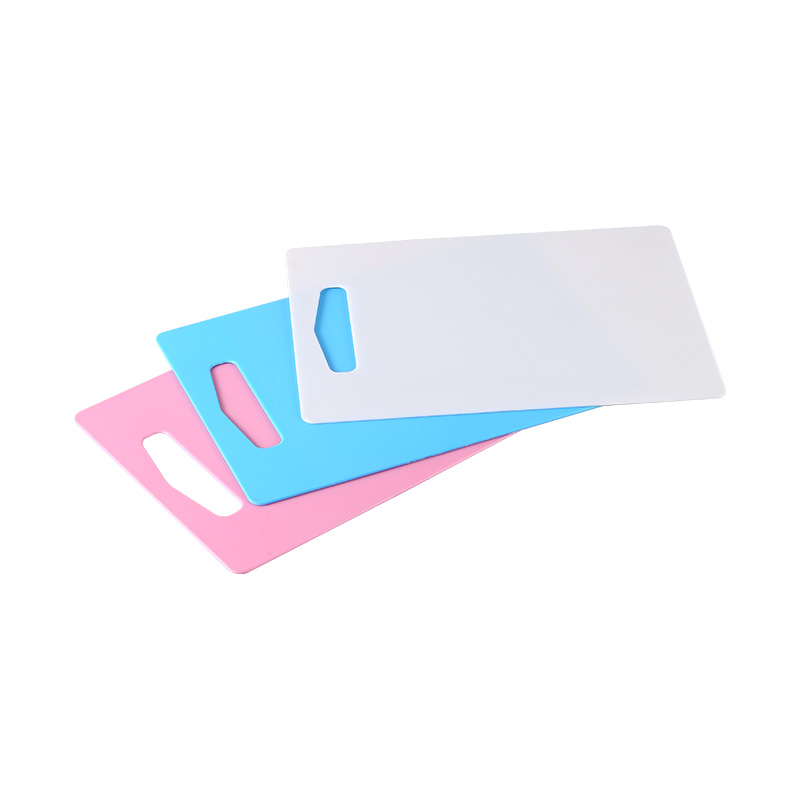
Plastic Chopping Board Food Cutting Block Mat Tool
-
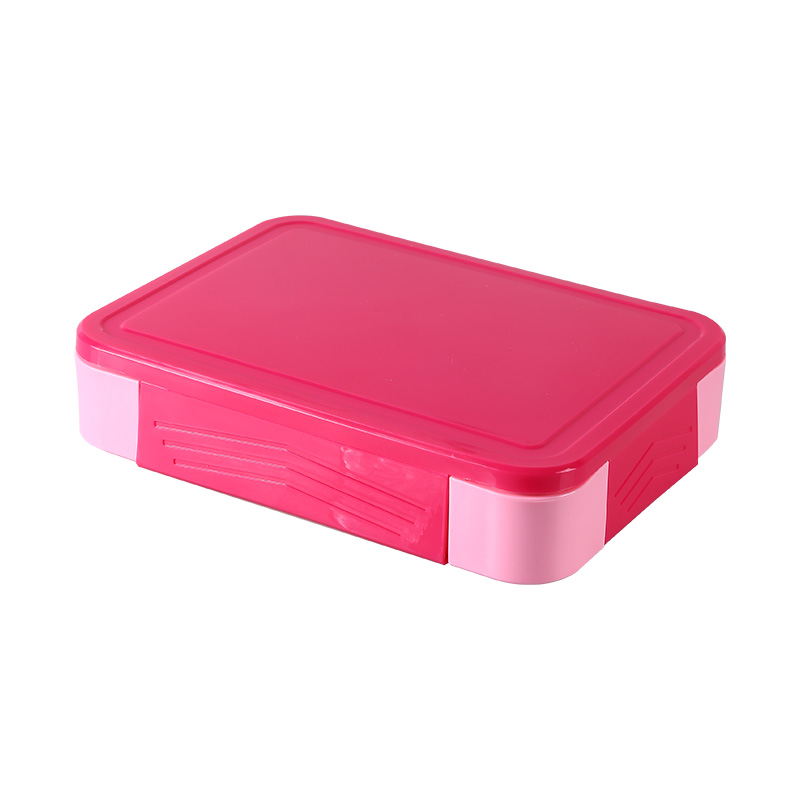
Food Storage Container For Adult Kids All-In-One Lunch Box
-
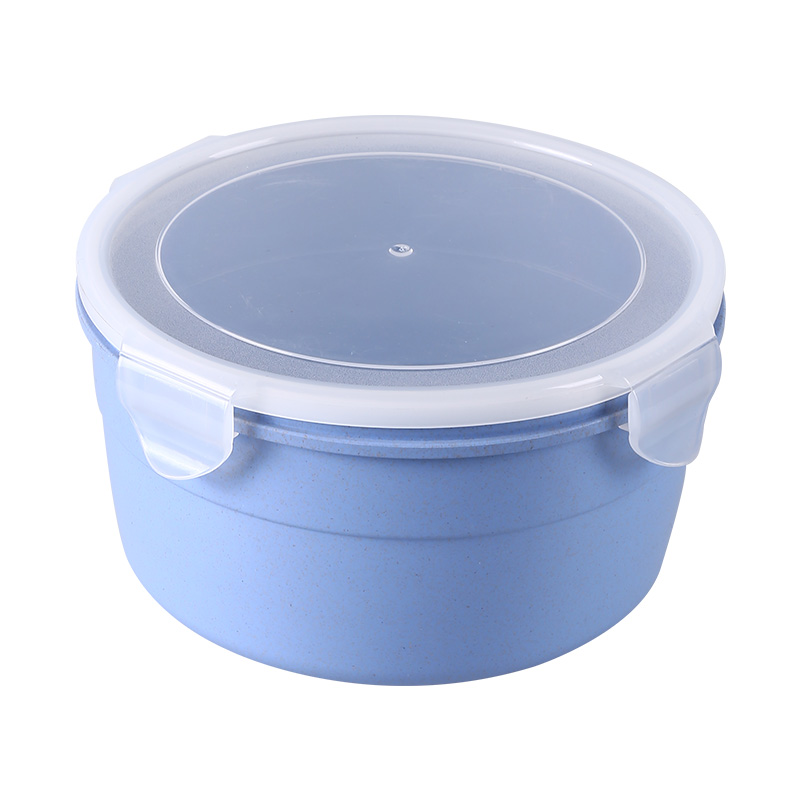
Mini Round Food Preservation Box
-
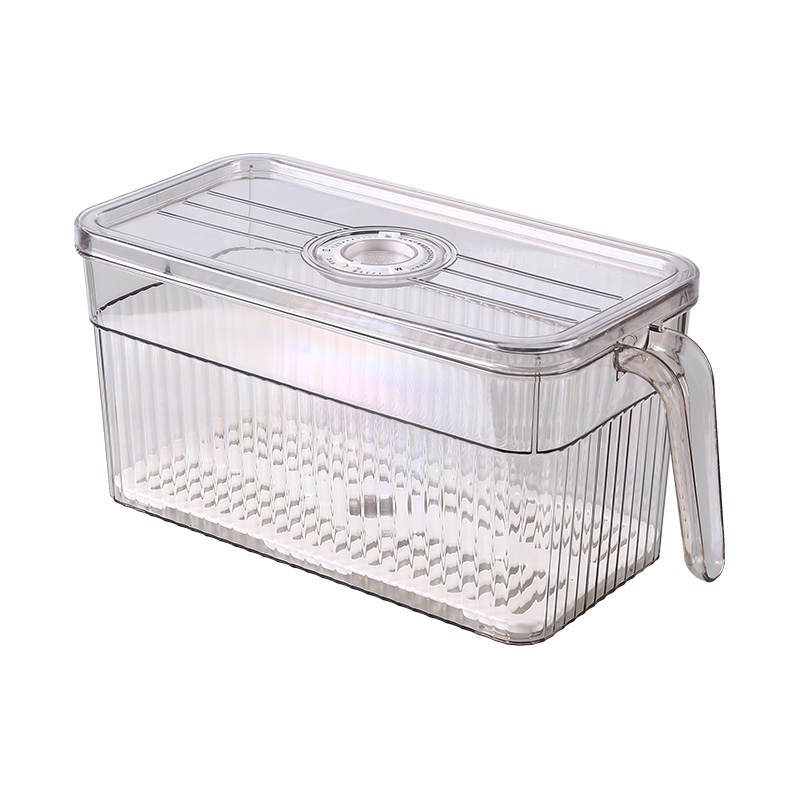
Refrigerator Storage Box Freezer Handle Storage Container
-
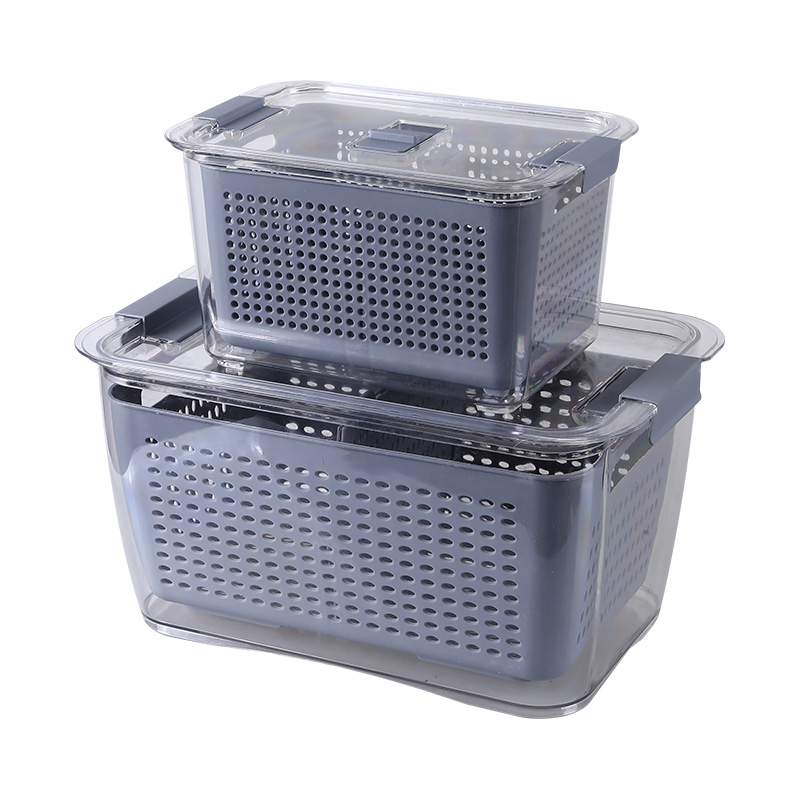
1pc Refrigerator Storage Box With Lid And Drain Basket Fruit Storage Containers Transparent Saver Container Food Organizer Bins
-
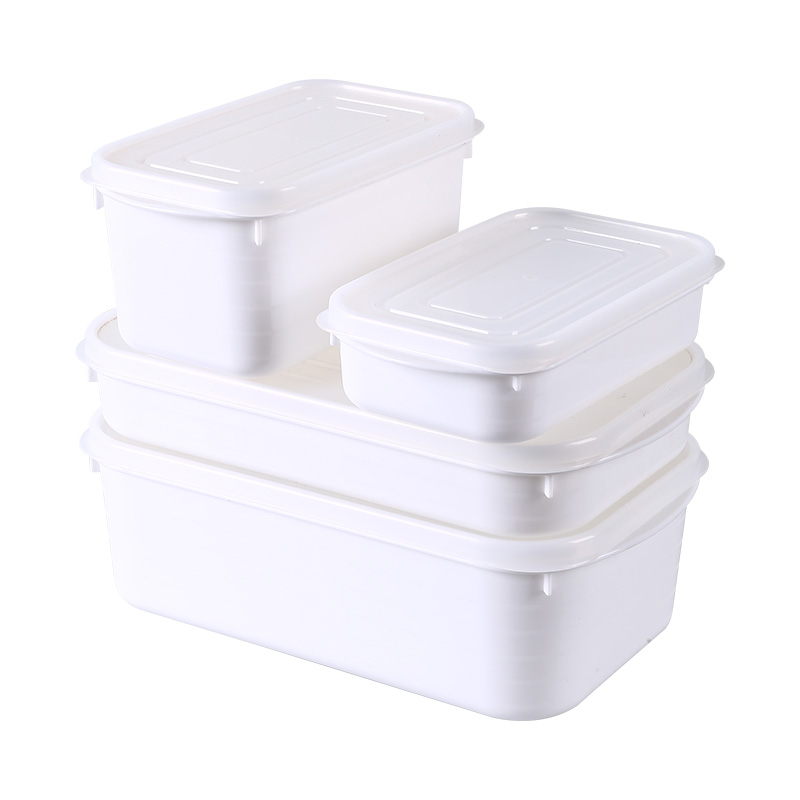
Food Storage Large Capacity Fresh-Keeping Eco Reusable Box Bento Food Leakproof Container
-
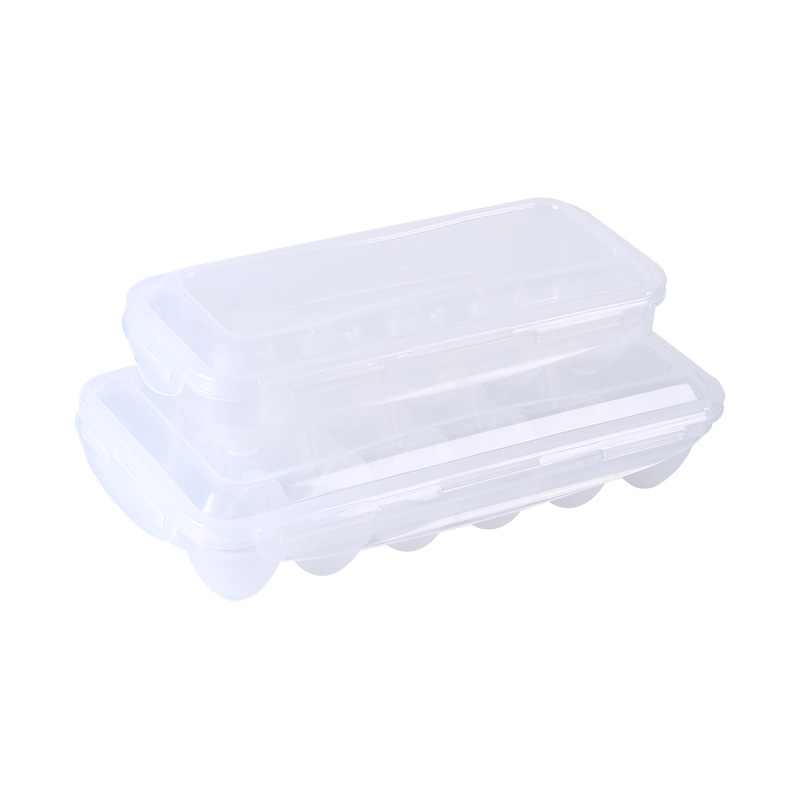
PP Plastic Egg Tray Storage Box
-
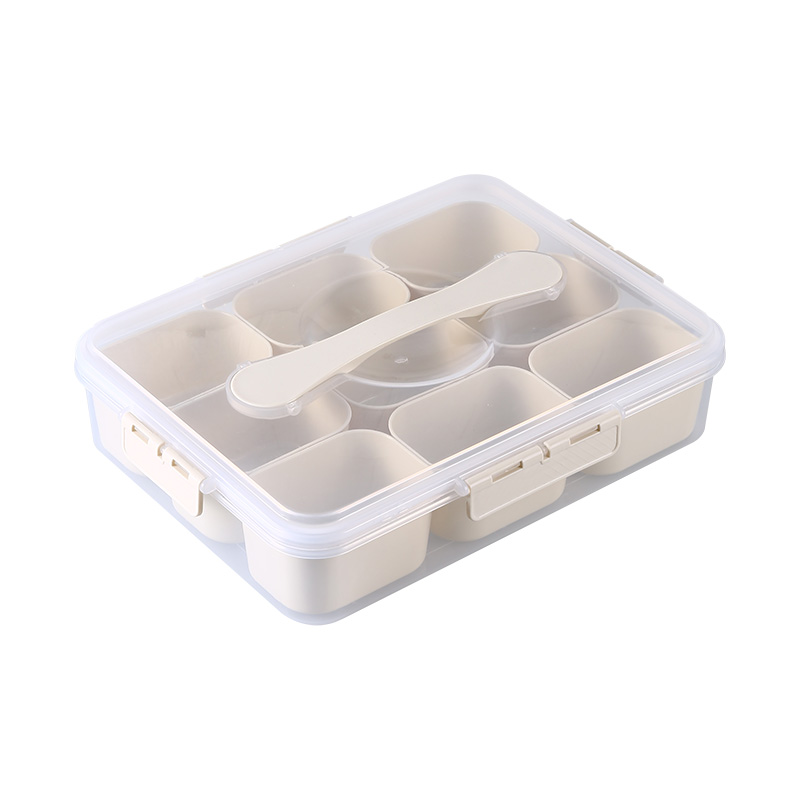
9 Compartment Divided Serving Tray With Lid And Handle Dried Fruit Storage Box
-
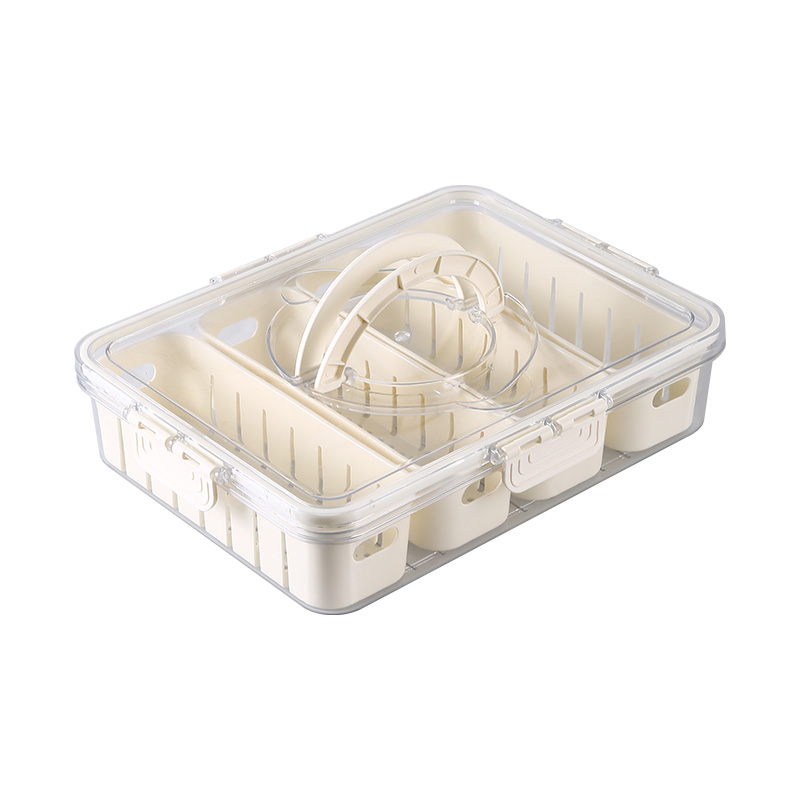
PP Material Handheld Fresh-Keeping Sealed Box Dry Food Classification Storage Box
-
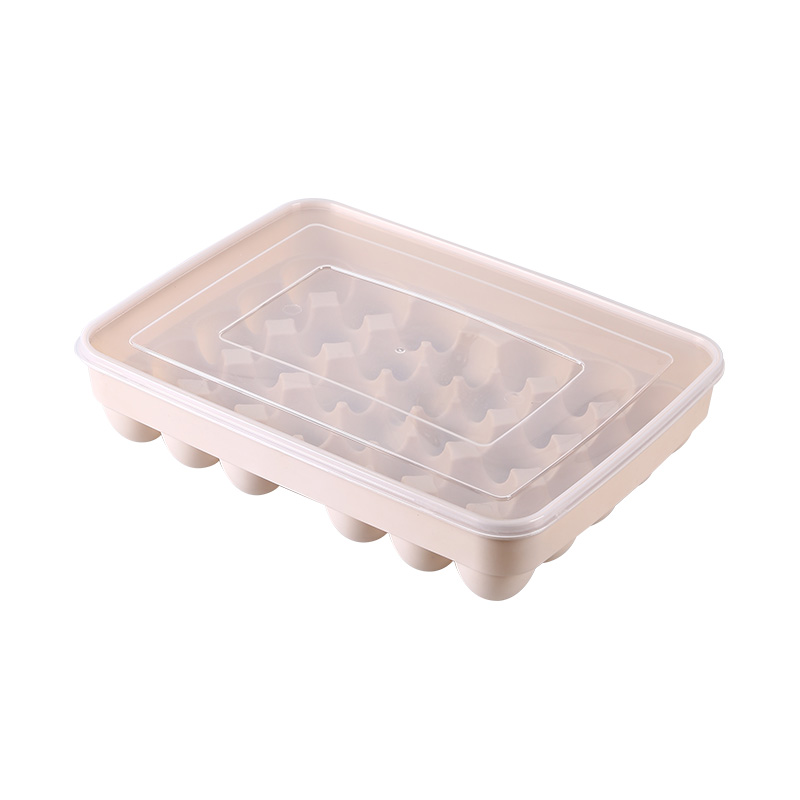
Refrigerator Storage Multi-Grid Egg Box Can Be Stacked With Cover To Food Preservation Box
-
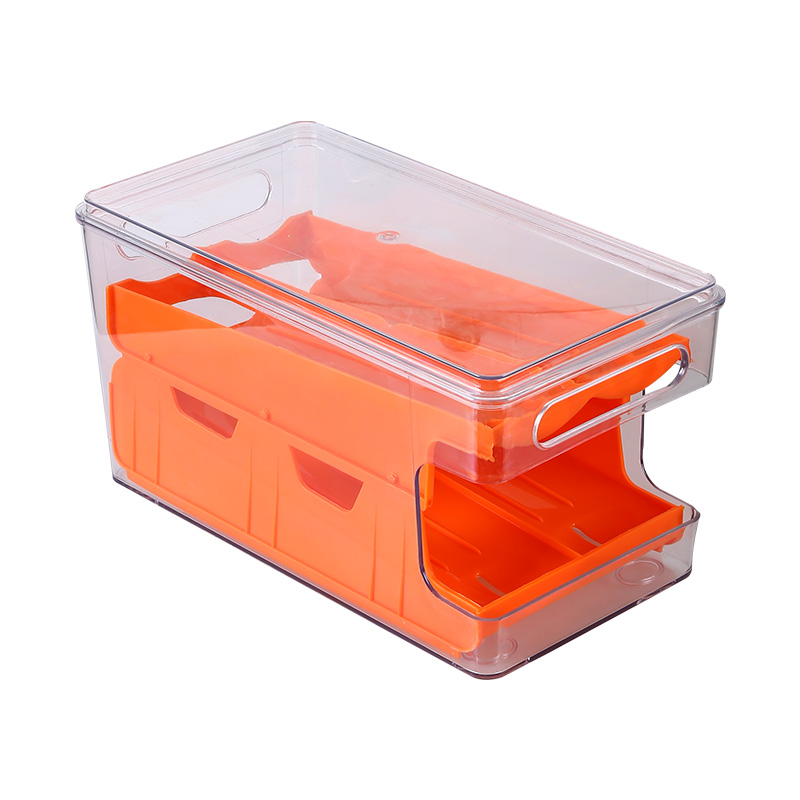
Dual-Layer Transparent Egg Storage Rack Eco-Friendly Slide-Type Household Kitchen

 No. 7 Yicheng Middle Road, Anzhou Street, Xianju, Taizhou, Zhejiang, China.
 +86-0576-89370898

Copyright© Taizhou Soudelor Plastic Industry Co., Ltd. All Rights Reserved.
ECO Friendly Plastic Products Factory
