
 English
 中文简体
中文简体 Deutsch


Custom Storage Bins: Is a New Mold Necessary for Your Project
Developing a plastic storage product involves more than confirming its size and appearance. Buyers also need to decide whether an existing mold can meet their requirements or whether new tooling is justified. At Soudelor, we help customers evaluate product dimensions, structural details, customization needs, and expected order volume before discussing a suitable manufacturing route.
For custom plastic storage bins, the decision depends on the gap between the available designs and the intended application. A new mold can support distinctive shapes and specific functions, while an existing mold may accommodate the project with fewer development expenses.
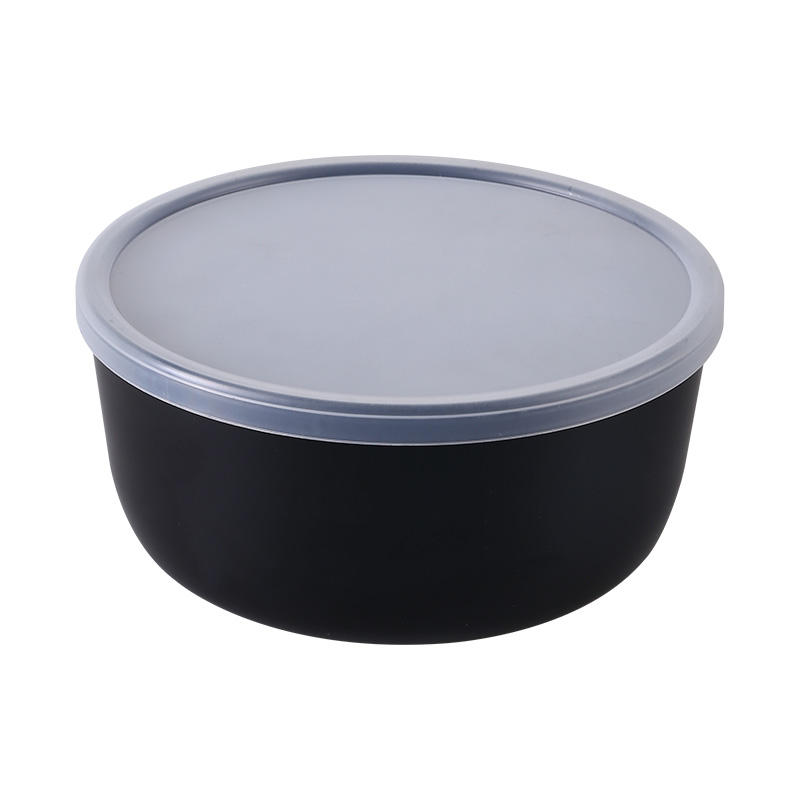
1. Start by Reviewing Existing Mold Options
Existing molds offer a practical starting point for projects that do not require substantial structural changes. Buyers can review available models and identify whether their dimensions, capacity, lid structure, and intended use match the project specifications.
- Standard dimensions: Check whether an available size meets the required storage capacity and installation space.
- Color customization: Confirm whether the selected material supports the requested color options.
- Branding: Discuss applicable logo printing, labeling, or other identification methods.
- Packaging: Review carton design, product labeling, and retail presentation requirements.
These adjustments may help buyers establish a product range without developing an entirely new mold. However, customization possibilities depend on the existing tool and manufacturing process. We recommend checking each requirement with our team before assuming that a particular modification is feasible.
2. Identify Changes That May Require New Tooling
Some product requirements involve the physical structure rather than appearance. Such changes may exceed the capabilities of an existing mold and require a new tooling assessment.
- Different dimensions: A substantially longer, wider, or deeper container may require a new mold design.
- Special lid construction: Unique closures, hinges, or locking features can affect the tooling structure.
- Stacking requirements: Custom interlocking edges or reinforced contact areas may need structural changes.
- Drainage features: Specific hole arrangements, channels, or drainage layouts may require a different mold configuration.
- Distinctive appearance: A proprietary shape or surface design may justify dedicated tooling for brand differentiation.
Our recommendation is to identify essential features separately from optional preferences. This distinction helps determine whether an existing design, a limited modification, or a new mold deserves further evaluation.
3. Compare Tooling Investment with Long-Term Demand
New mold development adds an upfront expense to a project. The final amount depends on product dimensions, geometric complexity, tooling material, cavity configuration, and manufacturing requirements. A reliable quotation therefore requires a review of the actual design rather than a general price estimate.
Expected sales volume also matters. A dedicated mold may be reasonable for a product with stable repeat orders, while an existing model can be useful for testing a new market before committing to a larger investment.
Buyers can compare the available options using these questions:
- What is the expected order volume over the product's planned sales period?
- Does the existing design meet all essential functional requirements?
- How much additional value would a unique shape or structure provide?
- Can the tooling investment be distributed across repeat orders?
- What costs arise from sampling, revisions, packaging, and transportation?
Comparing these factors provides a clearer financial picture than reviewing the mold quotation alone.
4. Confirm Technical Specifications Before Development
Clear specifications help our team assess feasibility and prepare a relevant proposal. Buyers should provide a product drawing, reference sample, or photographs alongside the intended application.
Useful technical details include:
- Dimensions: External length, width, height, and usable internal space.
- Material: Preferred plastic grade and any applicable performance or compliance requirements.
- Structure: Wall thickness requirements, handles, lid design, drainage openings, and stacking features.
- Appearance: Color references, surface finish, logo position, and labeling.
- Order details: Estimated quantity, packaging method, destination market, and anticipated repeat demand.
For example, a buyer requesting a storage box with drainage holes should specify the hole positions, intended use, and relevant dimensions. A buyer developing a stackable container should also explain how the boxes will interact under normal loading conditions. These details help us evaluate the design before tooling work begins.
5. Approve Samples Before Bulk Production
Sample evaluation allows buyers to check whether the proposed design matches the agreed specifications. For new tooling, trial samples can reveal dimensional deviations, molding defects, lid-fit problems, or structural issues that require correction.
At Soudelor, we recommend agreeing on measurable acceptance criteria before sample approval. These can include dimensional tolerances, appearance standards, functional checks, and packaging requirements. The approved sample and technical drawing should serve as references for subsequent production inspections.
Buyers should also confirm mold ownership, permitted use, maintenance responsibilities, and transfer arrangements in writing when investing in dedicated tooling. Clear contractual terms help protect the project's commercial interests throughout its production lifecycle.
Make the Mold Decision Based on Project Requirements
A new mold is not necessary for every customized storage product. Existing tooling may be suitable for projects involving standard dimensions, color changes, branding, or packaging adjustments. Dedicated tooling deserves consideration when a project requires a different structure, specialized functions, or a distinctive product design.
At Soudelor, we encourage customers to share their drawings, target dimensions, intended application, material preferences, and estimated order volume before making a tooling decision. Our team can then review the available options and discuss a practical route for your storage product project.
Hot Products
-
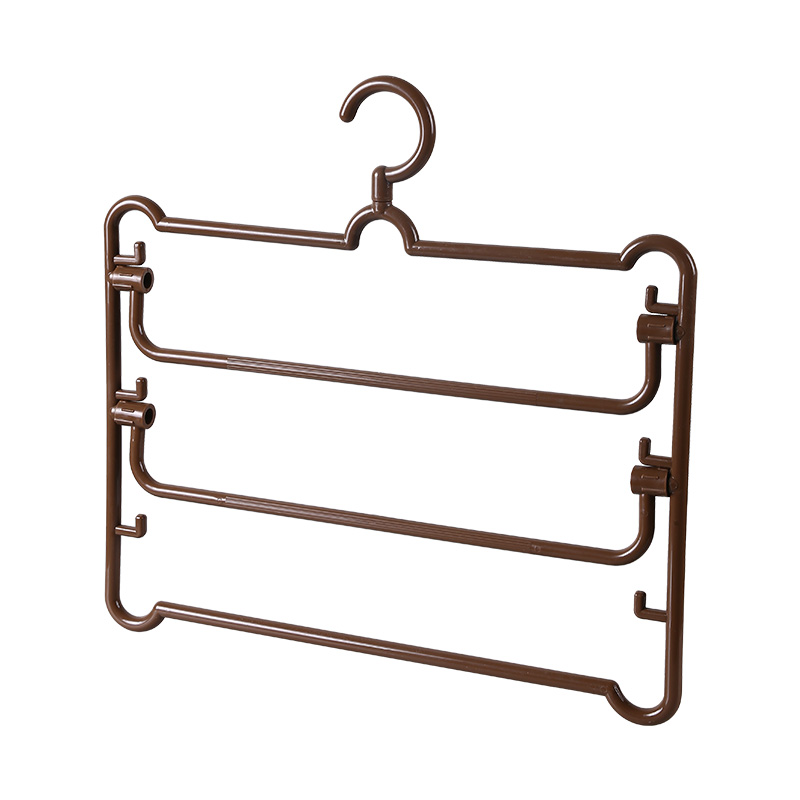
Plastic Pants Hanger (3 Bars)
-
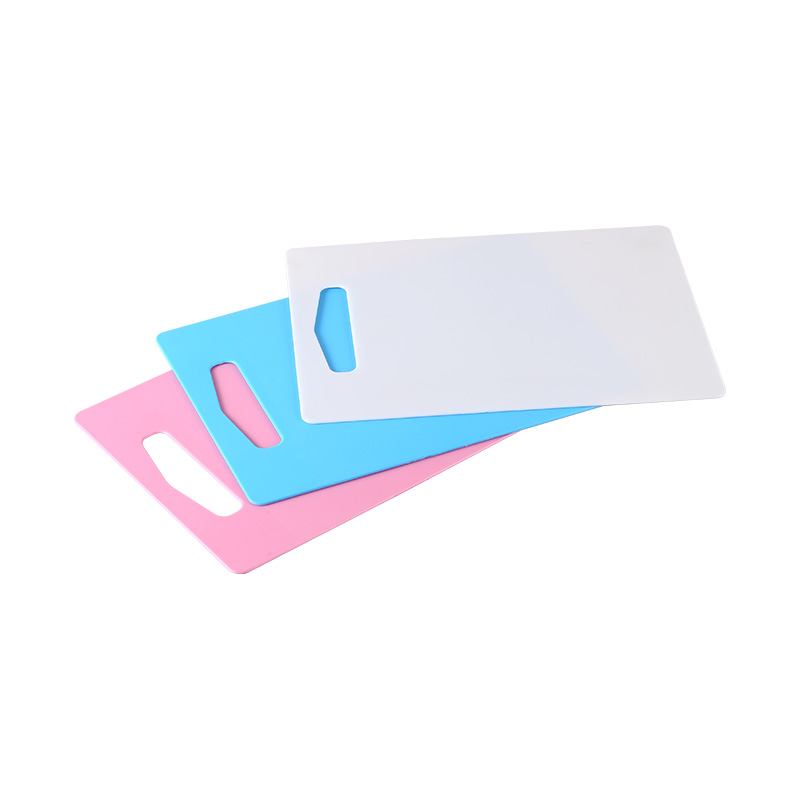
Plastic Chopping Board Food Cutting Block Mat Tool
-
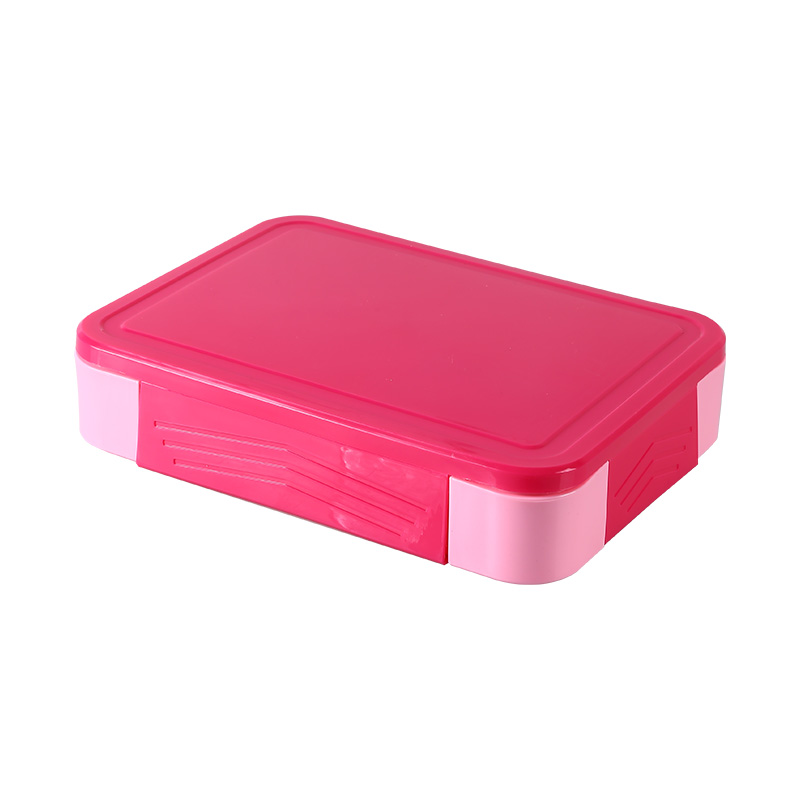
Food Storage Container For Adult Kids All-In-One Lunch Box
-
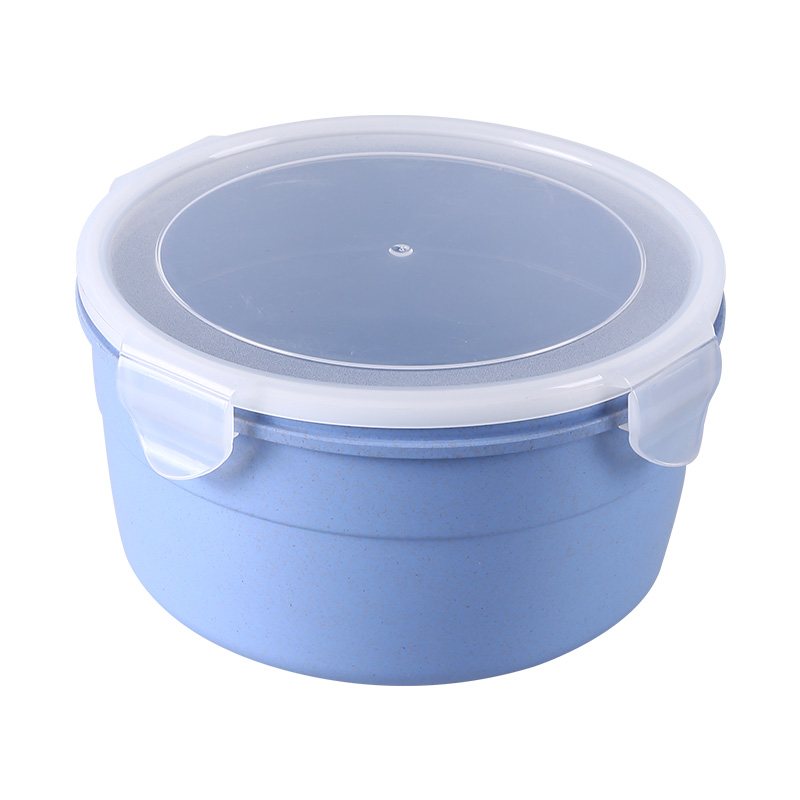
Mini Round Food Preservation Box
-
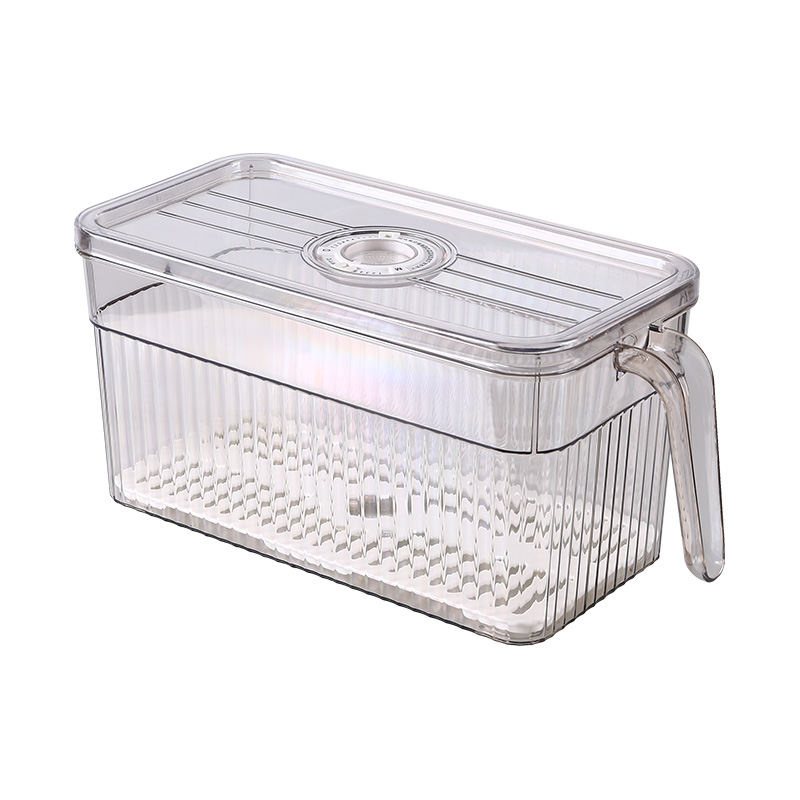
Refrigerator Storage Box Freezer Handle Storage Container
-
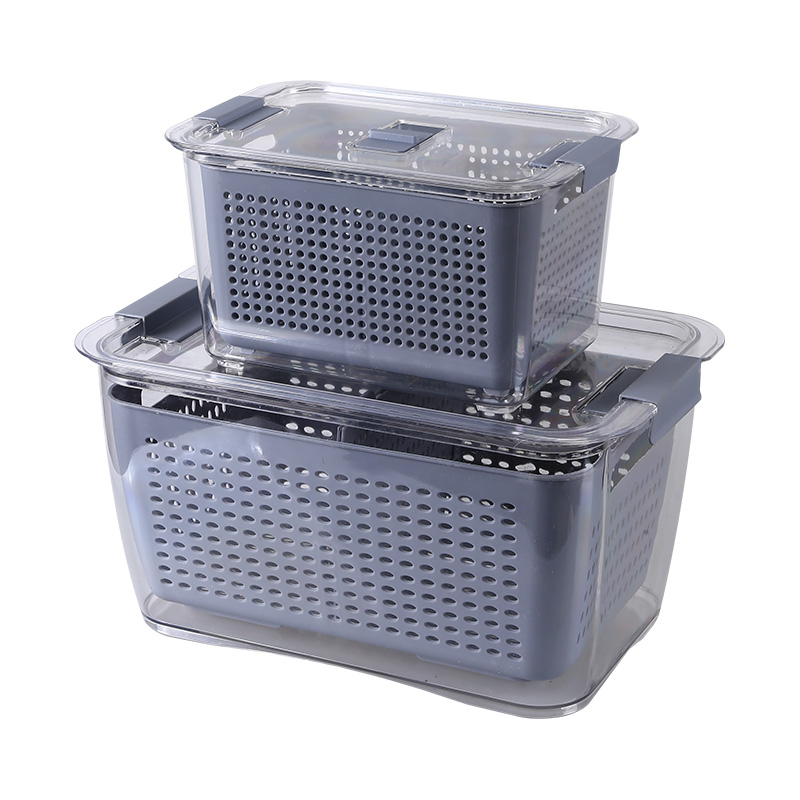
1pc Refrigerator Storage Box With Lid And Drain Basket Fruit Storage Containers Transparent Saver Container Food Organizer Bins
-
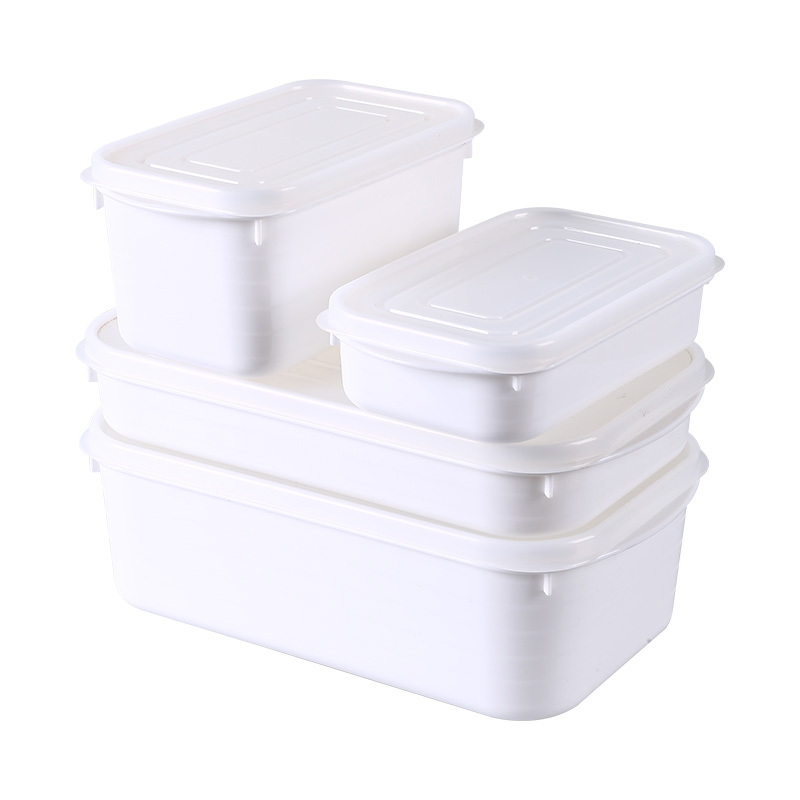
Food Storage Large Capacity Fresh-Keeping Eco Reusable Box Bento Food Leakproof Container
-
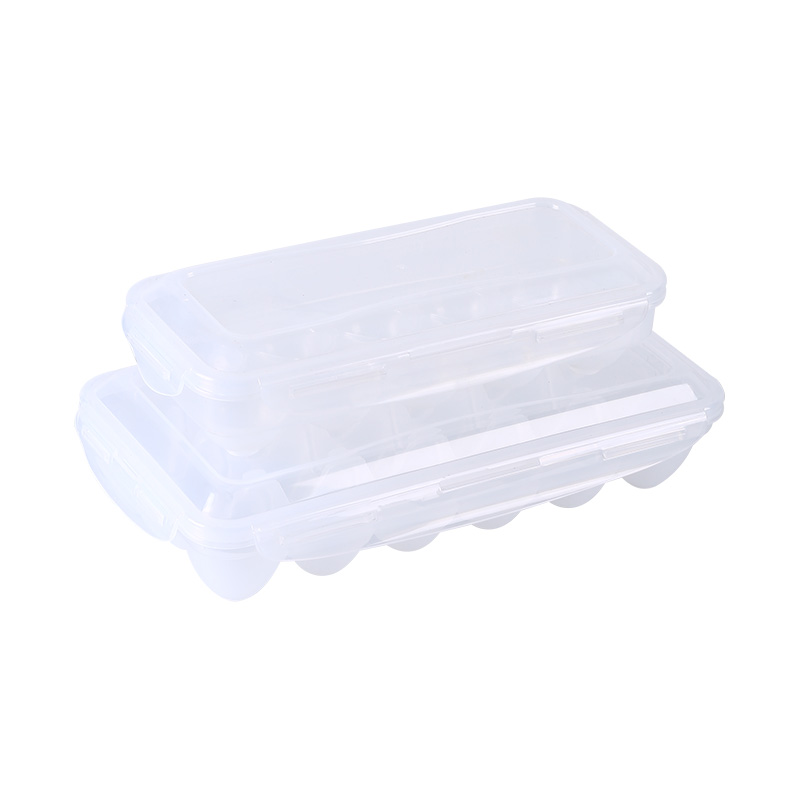
PP Plastic Egg Tray Storage Box
-
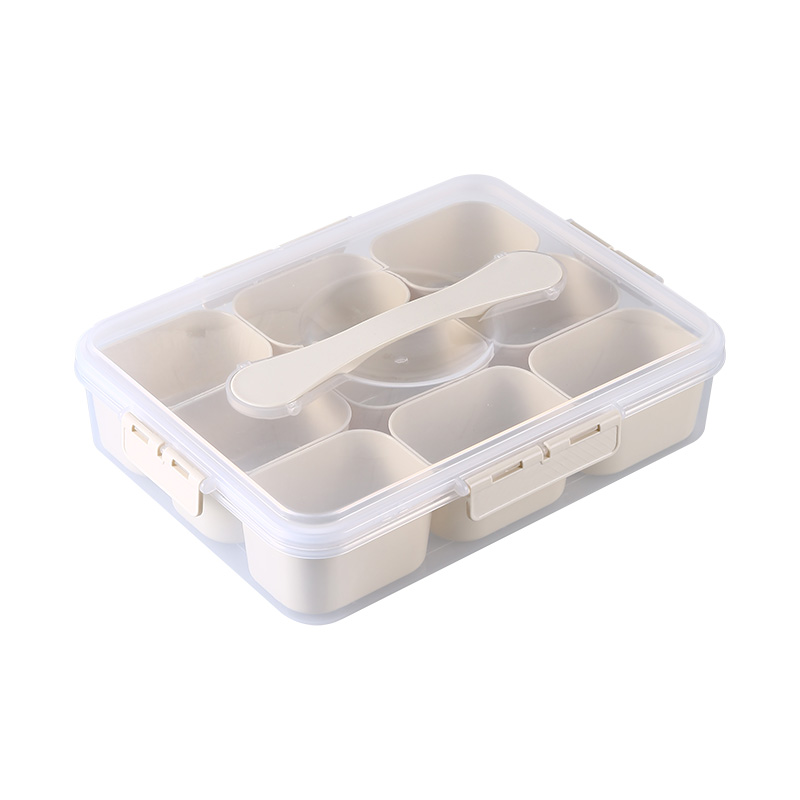
9 Compartment Divided Serving Tray With Lid And Handle Dried Fruit Storage Box
-
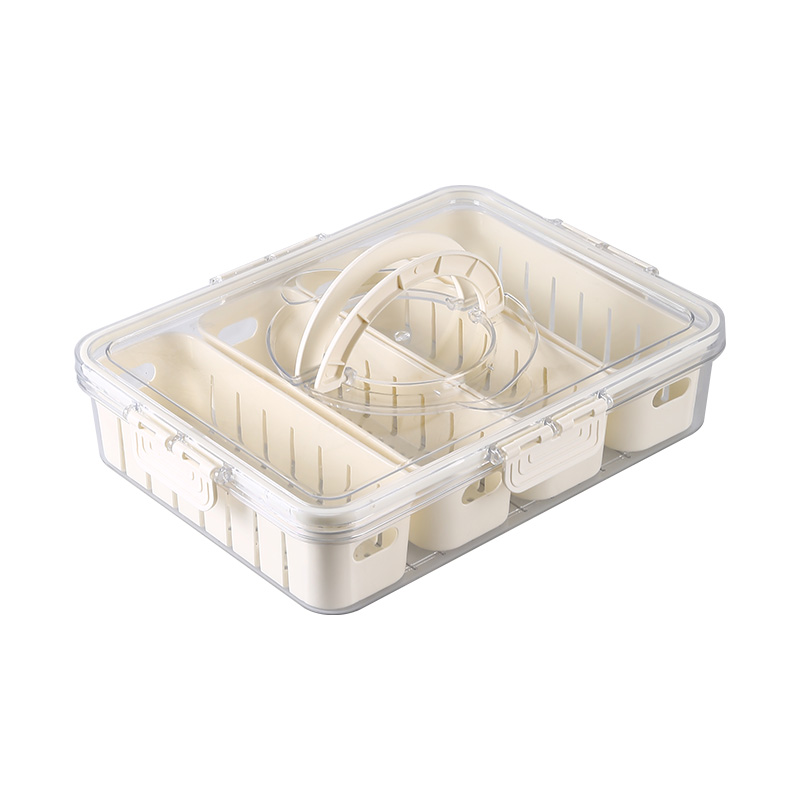
PP Material Handheld Fresh-Keeping Sealed Box Dry Food Classification Storage Box
-
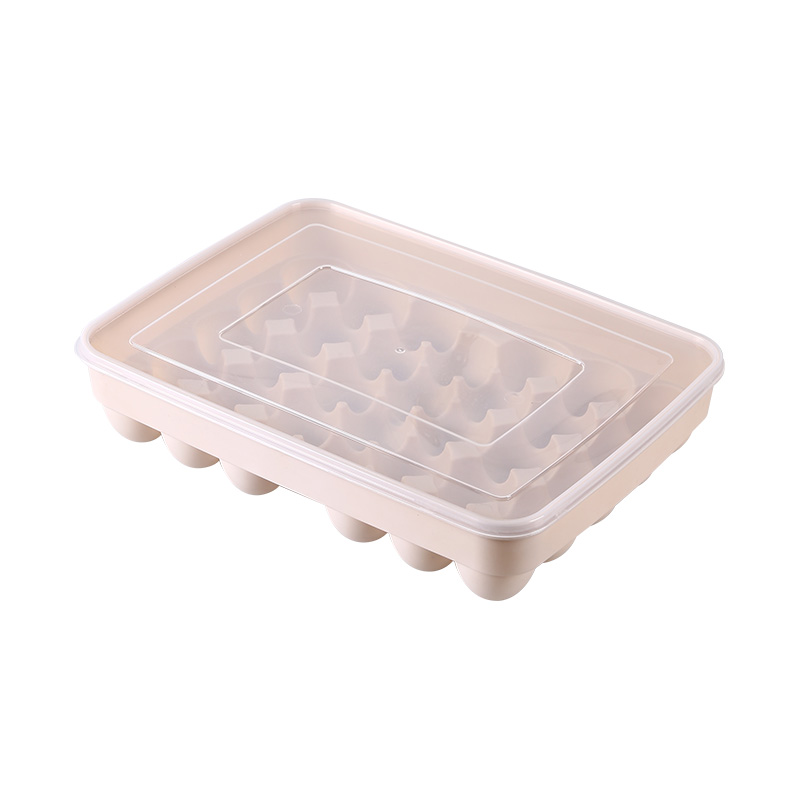
Refrigerator Storage Multi-Grid Egg Box Can Be Stacked With Cover To Food Preservation Box
-
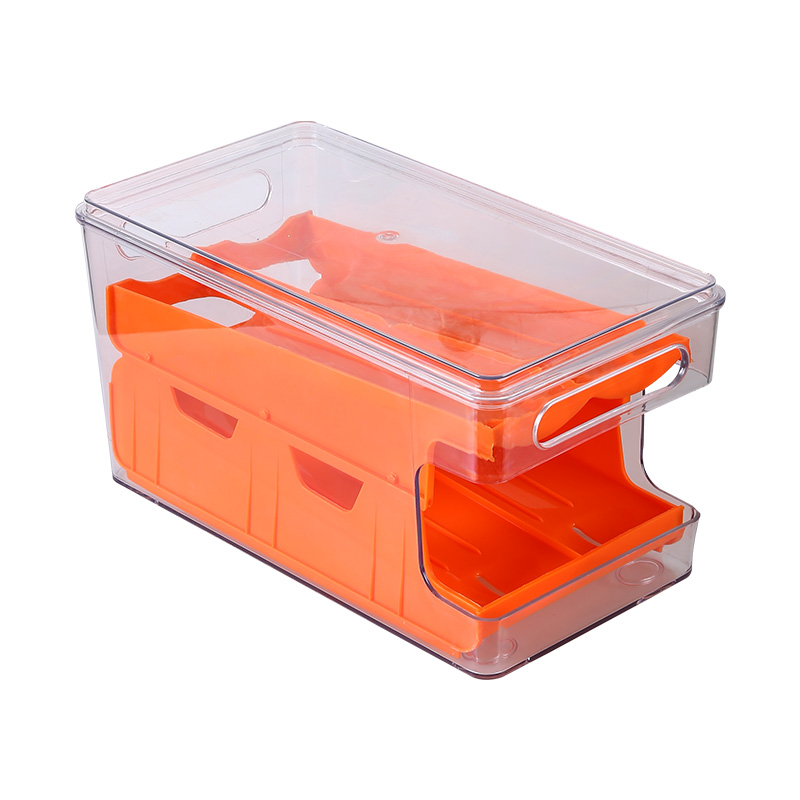
Dual-Layer Transparent Egg Storage Rack Eco-Friendly Slide-Type Household Kitchen

 No. 7 Yicheng Middle Road, Anzhou Street, Xianju, Taizhou, Zhejiang, China.
 +86-0576-89370898
Copyright© Taizhou Soudelor Plastic Industry Co., Ltd. All Rights Reserved.
ECO Friendly Plastic Products Factory
