
 English
 中文简体
中文简体 Deutsch


Egg Organizer Design: Should Buyers Prioritize Capacity or Access
Refrigerator organization products serve different household routines, shopping habits, and kitchen layouts. At Soudelor, we recognize that a successful egg storage design needs to balance storage capacity with convenient access. A container that holds a large number of eggs may appeal to families who shop in bulk, while a compact organizer can suit households with limited refrigerator space. Buyers evaluating a refrigerator egg storage box should examine how these design priorities work together rather than treating capacity as the only purchasing criterion.
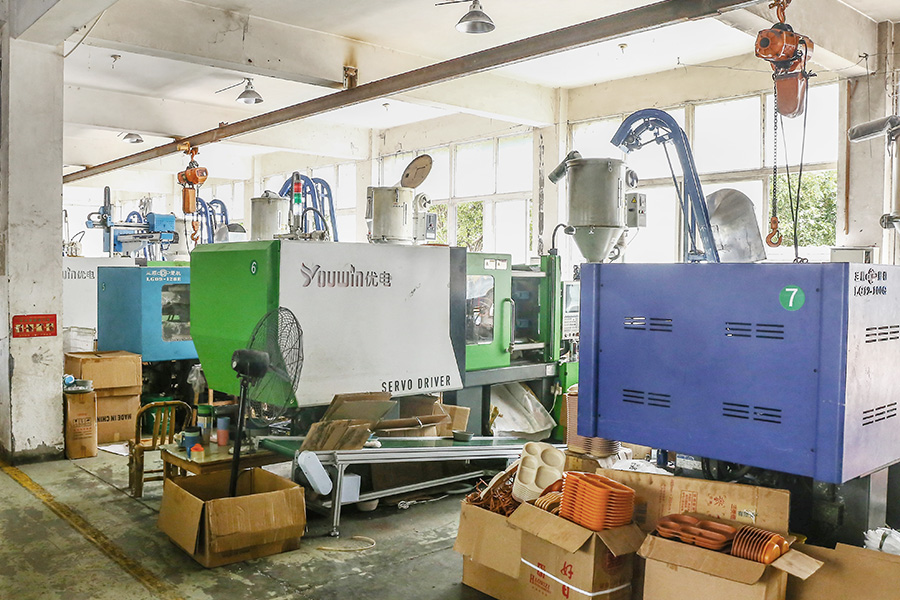
As a plastic household storage product supplier, we consider practical usability, dimensions, material properties, and manufacturing requirements during product evaluation. These factors help our customers develop product ranges that match their target markets and retail positioning.
1. Storage Capacity Should Match Household Demand
Capacity influences the intended customer group, product dimensions, and overall storage arrangement. However, a larger container does not automatically provide a better user experience. Buyers need to assess the relationship between egg quantity, refrigerator space, and the frequency of household shopping.
- Compact households: A 6–12 egg layout may suit consumers who purchase smaller quantities or have limited refrigerator space.
- Family use: A 12–18 egg configuration can accommodate a larger weekly supply without requiring a bulky container.
- Bulk storage: A 24-egg or larger design may serve households that purchase multiple cartons at once, provided the refrigerator has sufficient room.
- Retail assortment planning: Offering several capacity options can help distributors serve different customer groups without relying on a single container size.
These quantities are illustrative design categories rather than fixed market standards. Actual demand varies by region, household size, purchasing habits, and refrigerator configuration.
At Soudelor, we recommend evaluating usable capacity alongside the container's external dimensions. A design that accommodates 24 eggs but occupies excessive shelf space may be less suitable for compact kitchens than a well-arranged model with a smaller capacity.
2. Easy Access Is a Separate Design Requirement
Storage capacity determines how many eggs a container can hold, while access determines how comfortably users can retrieve and replace them. These functions influence the shape of the compartments, lid arrangement, opening clearance, and internal layout.
Compartment Layout and Egg Positioning
Individual egg recesses help keep eggs separated during ordinary handling. Their diameter, depth, and spacing should correspond to the intended egg sizes and the material's structural characteristics. Excessively tight recesses can make removal awkward, while shallow compartments may allow eggs to shift during movement.
- Rounded recesses: Support individual placement and help limit unwanted movement.
- Appropriate spacing: Gives users room to grasp eggs without disturbing adjacent items.
- Accessible openings: Allow eggs to be removed without forcing fingers into narrow gaps.
- Stable support surfaces: Help maintain the arrangement as the container is placed on or removed from a shelf.
Lid and Opening Configuration
A lid can protect stored contents from incidental contact with other refrigerator items. Its design should also allow straightforward opening and closing. Buyers can compare removable lids, hinged covers, and drawer-style structures according to the intended use scenario.
A removable lid may simplify filling and cleaning, while a hinged cover can reduce the number of separate parts handled during routine use. Drawer-style products require enough clearance for the moving section to extend without striking nearby containers or refrigerator walls.
We encourage buyers to assess the complete user interaction rather than judging the lid by appearance alone. Opening force, finger clearance, hinge movement, and access to the rear compartments all deserve attention during sample evaluation.
3. Refrigerator Compatibility Depends on Measurable Dimensions
External dimensions can determine whether a storage container fits a refrigerator shelf, leaves room for other food items, and remains accessible after placement. Product photographs rarely communicate these spatial relationships clearly enough for procurement decisions.
Buyers should request a dimensioned drawing or technical specification sheet covering the following measurements:
- External length: The horizontal space occupied by the container.
- External width: The clearance required across the shelf.
- Total height: The vertical space needed with the lid closed.
- Internal compartment dimensions: The usable space available for the intended egg sizes.
- Opening clearance: The additional room required to remove the lid or extend a drawer.
For example, a hypothetical container measuring 300 × 200 × 80 mm requires a shelf area of approximately 600 cm² before allowing for access space. The 80 mm height also needs to be considered alongside the available vertical clearance. These figures are an illustration of dimensional assessment, not specifications for a particular Soudelor model.
We advise buyers to compare drawings against representative refrigerator layouts in their target market. Testing samples in different shelf positions can reveal compatibility issues that may not be apparent from measurements alone.
4. Material and Structure Influence Everyday Usability
Plastic selection affects weight, transparency, rigidity, molding requirements, and the appearance of the finished product. Material decisions should reflect the intended design and applicable food-contact requirements rather than being based on price alone.
- Polypropylene (PP): Offers a balance of low weight and flexibility for suitable container designs. Its performance depends on grade, wall thickness, and molding conditions.
- Polyethylene terephthalate (PET): Can provide clear visibility in suitable storage applications. Buyers should verify the specific grade and its intended conditions of use.
- Acrylonitrile butadiene styrene (ABS): May be considered for selected structural components where stiffness and impact performance are relevant.
These materials are not interchangeable in every application. The choice depends on product construction, temperature exposure, expected loading, cleaning instructions, and relevant regulatory requirements.
Wall thickness and rib placement also affect structural behavior. A broad lid or base may need additional support to resist bending during handling. At the same time, unnecessary material can increase product weight and shipping volume. We therefore assess material distribution together with the overall geometry.
Transparency is another practical consideration. A clear body can help users see remaining eggs without opening the container. However, surface scratches, molding marks, and uneven wall thickness can affect the visual finish. Sample inspections allow buyers to review these details before confirming production specifications.
5. Stackability Must Not Compromise Access
Stackable storage designs can make better use of vertical space, but stacking changes how users reach the contents. A container that performs well on its own may become inconvenient when another box covers its lid or blocks its handle.
During product evaluation, buyers should examine several structural details:
- Base-to-lid alignment: Recesses or locating features can help keep stacked units positioned correctly.
- Load distribution: The upper container should rest on suitable support areas rather than placing excessive pressure on the lid center.
- Opening sequence: Users should understand whether the upper container must be removed before eggs can be accessed.
- Grip and handling: Side edges or handles should remain practical to hold during repositioning.
At Soudelor, we encourage buyers to test the proposed stacking arrangement with representative loads. Repeated placement, removal, and lid operation can help identify weak contact points or awkward handling sequences before a bulk order is approved.
6. How Buyers Can Compare Capacity and Access
A structured comparison makes product discussions more objective. Instead of relying on general descriptions such as large capacity or convenient design, procurement teams can assign requirements to measurable features.
| Evaluation factor | Capacity-focused design | Access-focused design |
| Internal layout | Uses available space to accommodate more eggs | Provides practical spacing for individual retrieval |
| External dimensions | May require a larger footprint or additional height | Prioritizes clearance around openings and handles |
| Lid configuration | May cover a larger storage area | Should open without obstructing normal handling |
| Stacking arrangement | May support multiple storage levels | Should allow a clear plan for accessing lower units |
| Target customer | Households storing larger quantities | Users who retrieve eggs frequently |
The comparison does not suggest that the two priorities are mutually exclusive. A carefully planned layout can accommodate a practical number of eggs while preserving sufficient clearance for removal and replacement. The appropriate balance depends on the product's intended market and price positioning.
7. Sample Testing and Bulk Order Specification
Product samples provide an opportunity to verify the design before procurement commitments are made. At Soudelor, we recommend agreeing on the main acceptance criteria with the supplier before moving from sample review to a larger order.
- Dimensional inspection: Measure external dimensions, compartment spacing, lid fit, and stacking interfaces against the approved drawing.
- Capacity verification: Confirm that the stated number of eggs fits without forcing them into the compartments.
- Access testing: Open and close the lid repeatedly, remove eggs from different positions, and check finger clearance.
- Structural assessment: Inspect the base, lid, hinges, and stacking contact points under the intended conditions of use.
- Material documentation: Request applicable material and food-contact compliance information for the specified product and target market.
- Packaging review: Confirm carton dimensions, protective arrangements, labeling, and the number of units packed per carton.
Buyers should also agree on acceptable dimensional tolerances, appearance criteria, inspection methods, and procedures for handling nonconforming units. Written specifications provide a consistent reference for sample approval, production checks, and incoming inspection.
Packaging deserves attention because lids, handles, and protruding structural details can be vulnerable during transport. A suitable carton layout should protect these areas while using shipping space sensibly. Actual packaging performance can be checked through an agreed handling or transit simulation where appropriate.
8. Build a Product Range Around Different Buying Needs
Retailers and distributors may serve customers with different refrigerator sizes, household routines, and purchasing habits. A product range can address these differences through variations in capacity, dimensions, lid configuration, transparency, and packaging presentation.
- Compact model: Emphasizes a smaller footprint and straightforward handling.
- Family model: Balances egg capacity with shelf compatibility and practical access.
- Stackable model: Supports organized storage across multiple containers, subject to the available vertical space.
- Retail-ready model: Incorporates agreed labeling, packaging, and product information for the intended sales channel.
Developing a clear specification for each model helps buyers compare product variants and communicate requirements to manufacturing teams. Changes to dimensions, materials, colors, or packaging should be reviewed for their effects on tooling, assembly, quality control, and shipping arrangements.
Balance Storage Volume with Everyday Access
Capacity and accessibility serve different purposes, and successful egg organizer design considers both from the beginning. A large storage area has limited practical value when the container does not fit the refrigerator or makes individual eggs difficult to retrieve. Conversely, an easy-to-open design may not satisfy customers who purchase larger quantities regularly.
At Soudelor, we approach plastic storage product development through a combination of dimensional planning, material evaluation, structural review, and sample verification. We encourage distributors, importers, and private-label buyers to define their intended users and measurable product requirements before confirming an order.
Share your preferred capacity, refrigerator space limitations, material preferences, lid configuration, and packaging requirements with our team at Soudelor. These details provide a useful starting point for discussing suitable product specifications and developing a storage solution that aligns with your market needs.
Hot Products
-
Plastic Pants Hanger (3 Bars)
-
Plastic Chopping Board Food Cutting Block Mat Tool
-
Food Storage Container For Adult Kids All-In-One Lunch Box
-
Mini Round Food Preservation Box
-
Refrigerator Storage Box Freezer Handle Storage Container
-
1pc Refrigerator Storage Box With Lid And Drain Basket Fruit Storage Containers Transparent Saver Container Food Organizer Bins
-
Food Storage Large Capacity Fresh-Keeping Eco Reusable Box Bento Food Leakproof Container
-
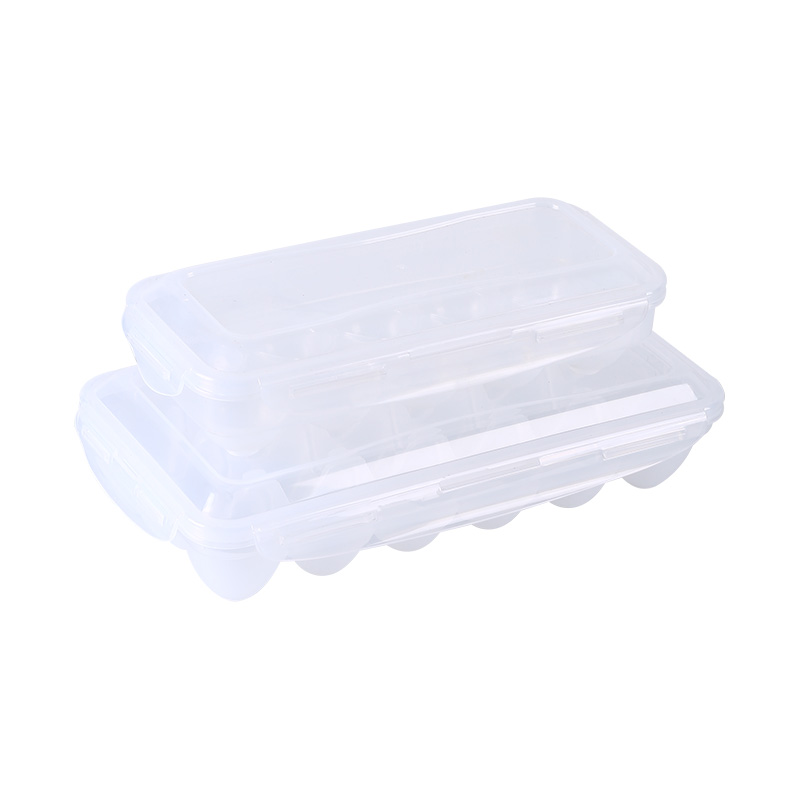
PP Plastic Egg Tray Storage Box
-
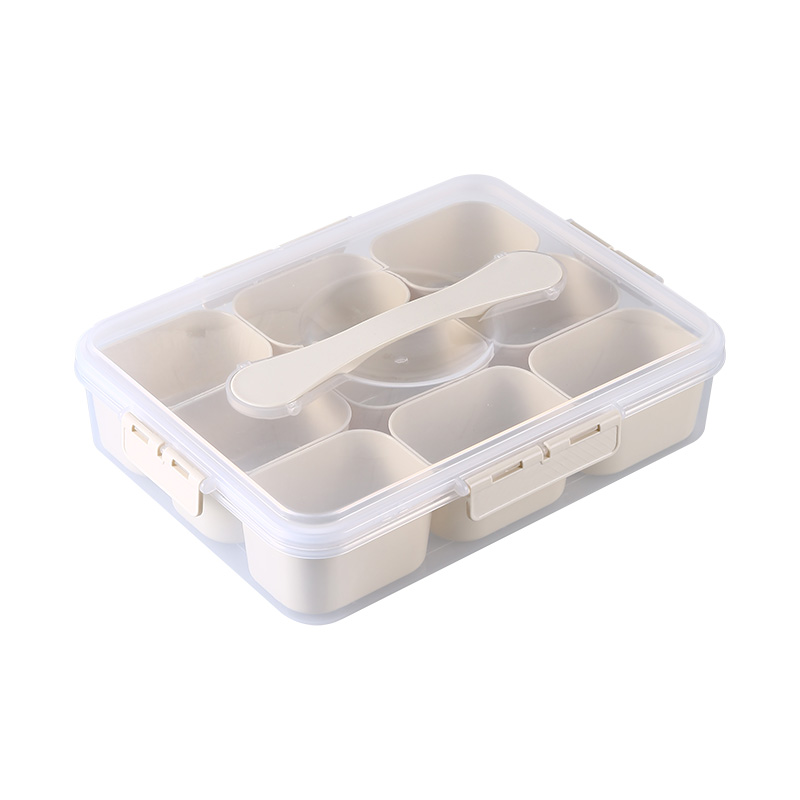
9 Compartment Divided Serving Tray With Lid And Handle Dried Fruit Storage Box
-
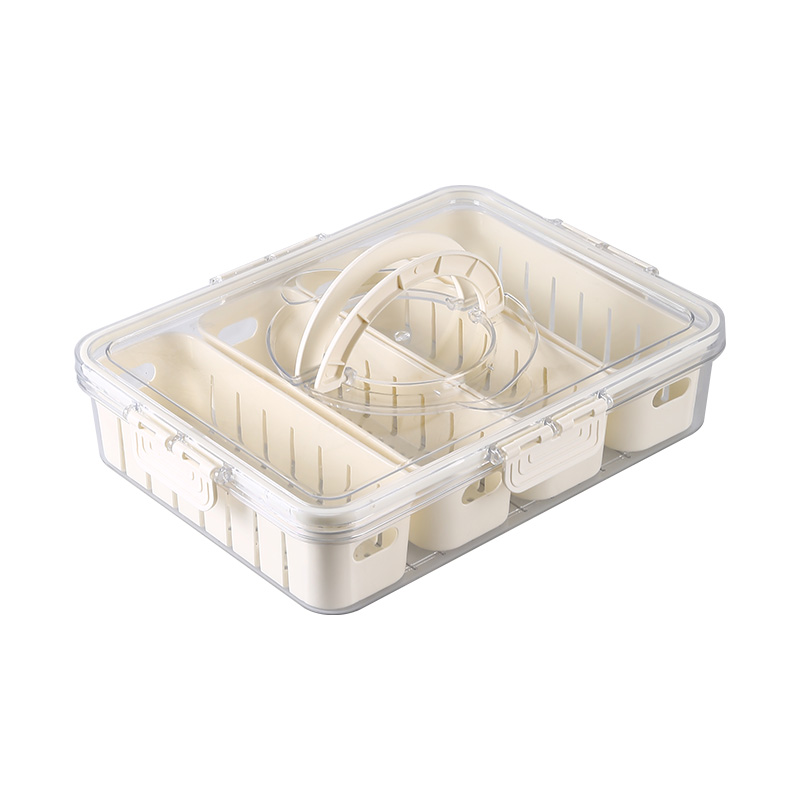
PP Material Handheld Fresh-Keeping Sealed Box Dry Food Classification Storage Box
-
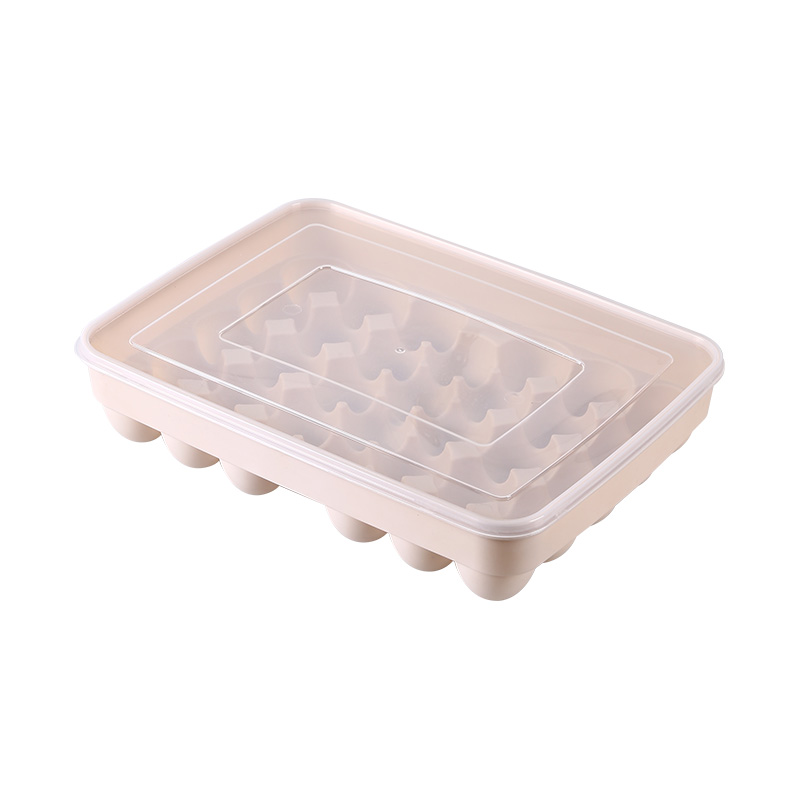
Refrigerator Storage Multi-Grid Egg Box Can Be Stacked With Cover To Food Preservation Box
-
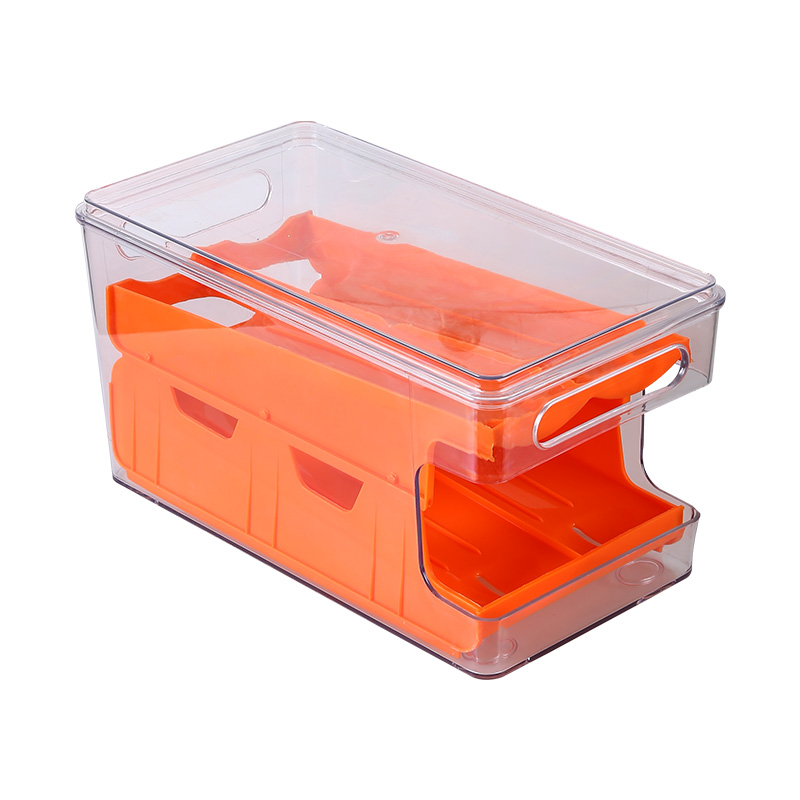
Dual-Layer Transparent Egg Storage Rack Eco-Friendly Slide-Type Household Kitchen

 No. 7 Yicheng Middle Road, Anzhou Street, Xianju, Taizhou, Zhejiang, China.
 +86-0576-89370898
Copyright© Taizhou Soudelor Plastic Industry Co., Ltd. All Rights Reserved.
ECO Friendly Plastic Products Factory
