
 English
 中文简体
中文简体 Deutsch

How Much Food Can a Large Capacity Lunch Box Really Hold
The phrase large capacity lunch box sounds straightforward, but stated volume does not always tell the whole story. A container marked 2,000 ml may appear spacious, yet the usable area can change considerably depending on the number of compartments, divider thickness, lid structure, and shape of the food being packed.
Understanding actual capacity helps users decide whether a lunch box can handle a complete meal, snacks, fruit, or food for a longer day away from home.
What Does 2,000 ml Actually Mean?
A 2,000 ml capacity is equivalent to approximately 2 liters of internal volume. Several current lunch box products use this size. One b.box model, for example, provides 2L or approximately 8.5 cups of total capacity and divides the interior into four sections. Another 2,000 ml two-tier design separates the upper and lower storage areas.
That volume can accommodate a substantial meal, but users rarely fill every cubic centimeter. Empty space around irregular foods such as sandwiches, whole fruit, chicken pieces, or pasta can reduce practical capacity.
- 1,000–1,200 ml: suitable for a main meal with a side dish or fruit.
- 1,500 ml: provides additional room for larger portions or several food types.
- 2,000 ml: can accommodate a complete meal, multiple sides, fruit, and snacks.
Compartments Change the Usable Space
Capacity is not only about total volume. Internal organization can determine how efficiently that space is used.
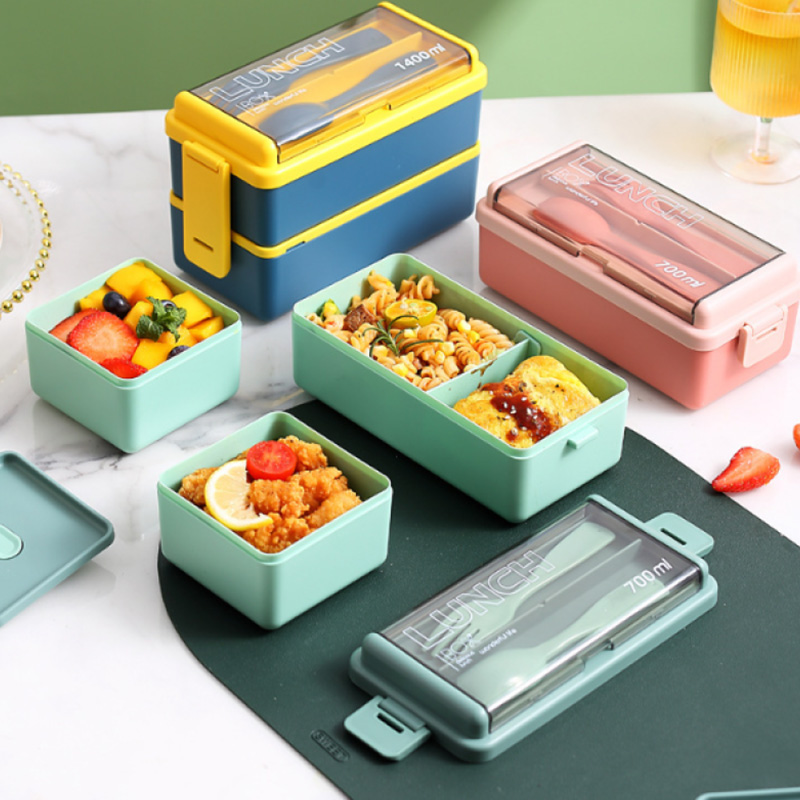
Four-compartment designs can separate a main course, vegetables, fruit, and snacks without requiring several individual containers. Some 2L lunch boxes also include leakproof sections for foods such as yogurt, dips, or cut fruit.
Fixed dividers create predictable sections but can limit the size of individual food portions. Adjustable dividers offer greater flexibility because users can enlarge one section and reduce another according to the day's meal.
Can a Large Box Fit Whole Foods?
Shape becomes particularly important with uncut food. A whole apple, orange, banana, wrap, or sandwich can consume more space than its actual volume suggests because its shape does not conform neatly to rectangular compartments.
Some large bento designs address this issue with dedicated fruit sections. One 2L model uses a flexible seal that can hold whole fruit such as apples or oranges without requiring the fruit to be cut into smaller pieces.
- Whole fruit benefits from deeper, less restrictive sections.
- Sandwiches and wraps need sufficient horizontal space to avoid compression.
- Rice and pasta can use rectangular compartments efficiently.
- Snacks can occupy smaller sections without wasting larger areas.
Depth Matters More Than It Seems
Two lunch boxes may have the same stated capacity but feel completely different during daily use. A deeper design can hold more food vertically, while a wider and flatter design may make sandwiches and larger pieces easier to arrange.
One 2L bento lunch box measures approximately 23.5 × 21.5 × 6.5 cm, giving it a relatively broad footprint with moderate depth. A 2L stainless-steel lunch box, by comparison, measures approximately 21 × 15 × 7.5 cm. Both provide similar stated capacity, yet their proportions create different packing experiences.
Length, width, and height should therefore be considered together with volume. A capacity figure alone cannot indicate whether a lunch box will accommodate a particular sandwich, food tray, or fruit container.
Does Bigger Always Mean More Useful?
Extra capacity can become less practical once the container becomes difficult to carry. Weight, footprint, lid size, and bag compatibility all influence everyday usability.
One 2L stainless-steel model weighs around 450 g before food is added. A 2L bento product listed by another retailer weighs approximately 470 g. Once a full meal is packed, the combined weight can become noticeable during commuting or school travel.
A larger lunch box also needs enough structural support around its lid and compartments. More internal space can increase pressure on the closure, especially after food is packed tightly.
How Much Food Fits Into Different Sizes?
| Capacity | Typical Packing Possibility | Suitable Scenario |
| 1,100–1,200 ml | Main dish + fruit + small side | Regular work or school lunch |
| 1,500 ml | Main dish + two sides + snack | Larger meal portions |
| 2,000 ml | Main dish + multiple sides + fruit + snacks | Long days, larger appetites, outdoor use |
Current products confirm this range: commercial lunch boxes around 1,100–1,200 ml are marketed for salads, sandwiches, fruit, and similar meal combinations, while 2L models provide substantially more compartmentalized space.
Capacity Should Match the Way You Eat
A large capacity lunch box is useful when its dimensions and internal layout match the food being carried. Someone packing a sandwich, apple, and small snack may not need 2L. Someone carrying a full meal with several sides may benefit from the additional space.
The practical question is therefore not simply “How many liters can it hold?” It is “How much of that space can be used comfortably?” Compartment dimensions, food shape, lid clearance, depth, and portability can make a bigger difference than the capacity number printed on the packaging.
Looking beyond the headline volume gives buyers a clearer idea of real-world capacity and helps distinguish genuinely spacious lunch boxes from products that simply use a large capacity figure as a selling point.
Hot Products
-
Plastic Pants Hanger (3 Bars)
-
Plastic Chopping Board Food Cutting Block Mat Tool
-
Food Storage Container For Adult Kids All-In-One Lunch Box
-
Mini Round Food Preservation Box
-
Refrigerator Storage Box Freezer Handle Storage Container
-
1pc Refrigerator Storage Box With Lid And Drain Basket Fruit Storage Containers Transparent Saver Container Food Organizer Bins
-
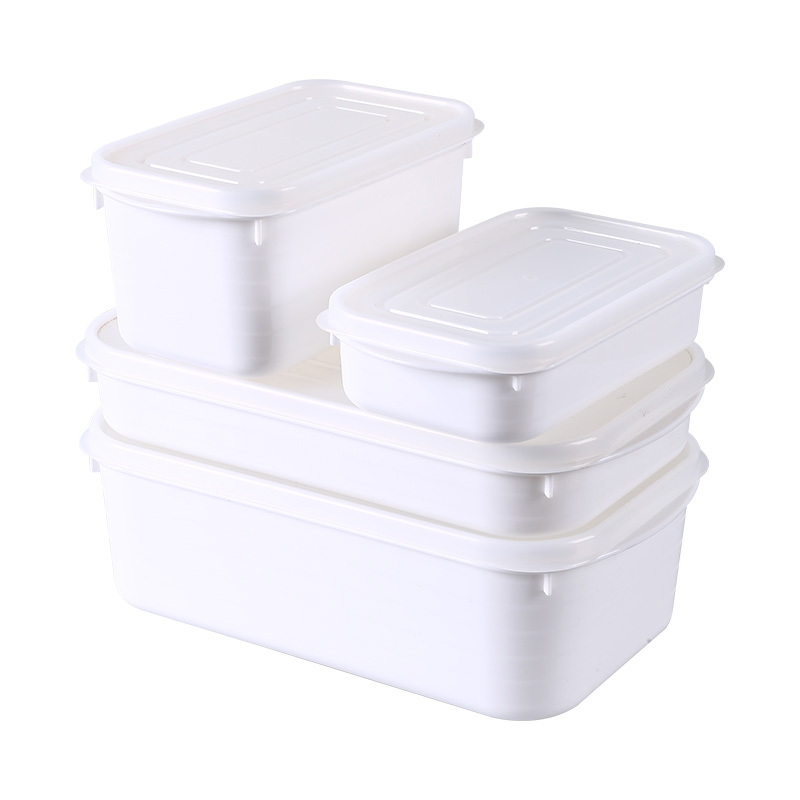
Food Storage Large Capacity Fresh-Keeping Eco Reusable Box Bento Food Leakproof Container
-
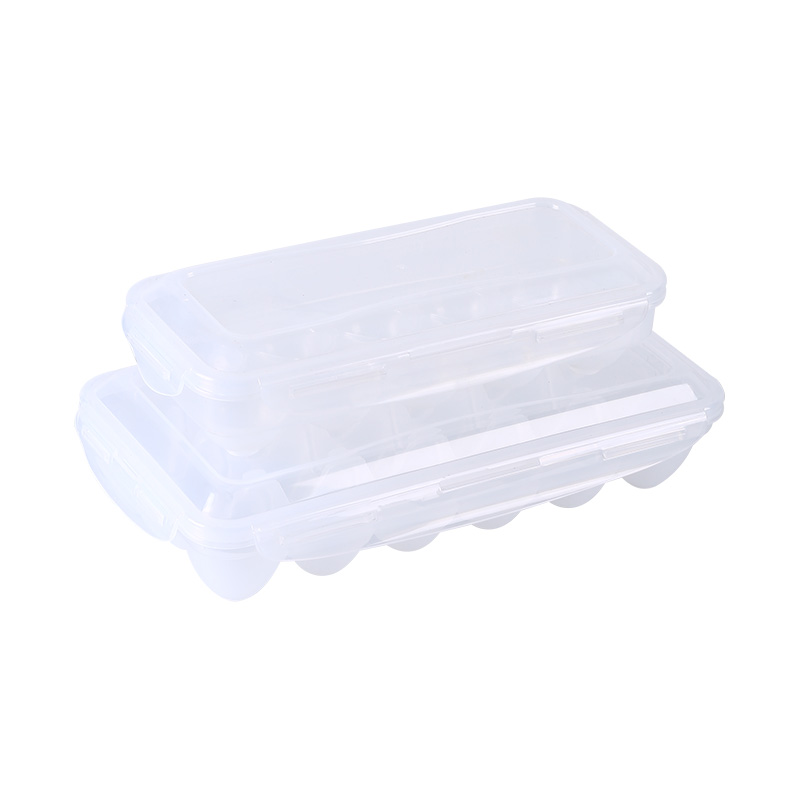
PP Plastic Egg Tray Storage Box
-
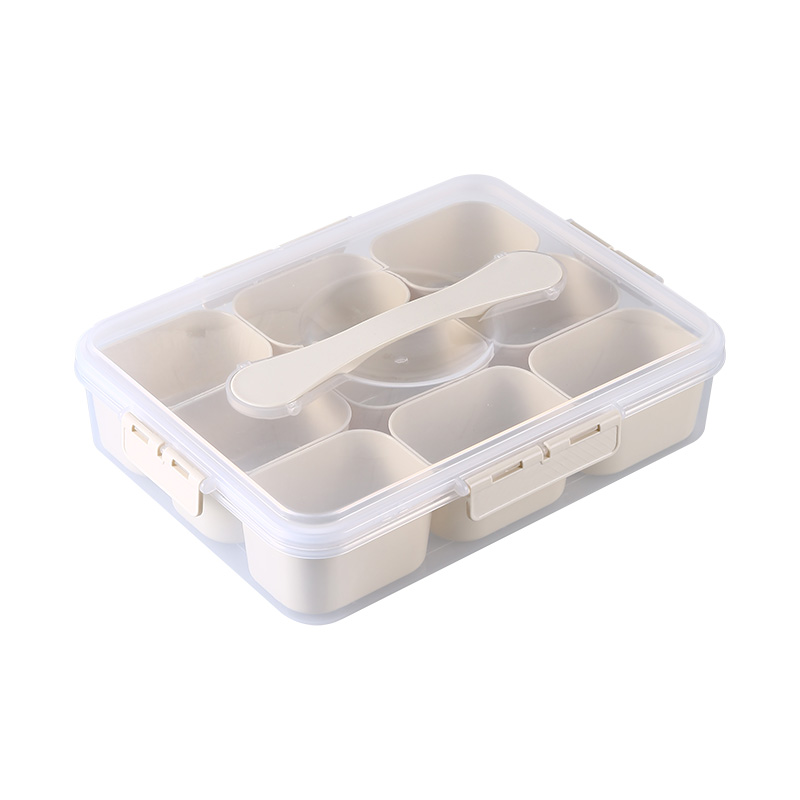
9 Compartment Divided Serving Tray With Lid And Handle Dried Fruit Storage Box
-
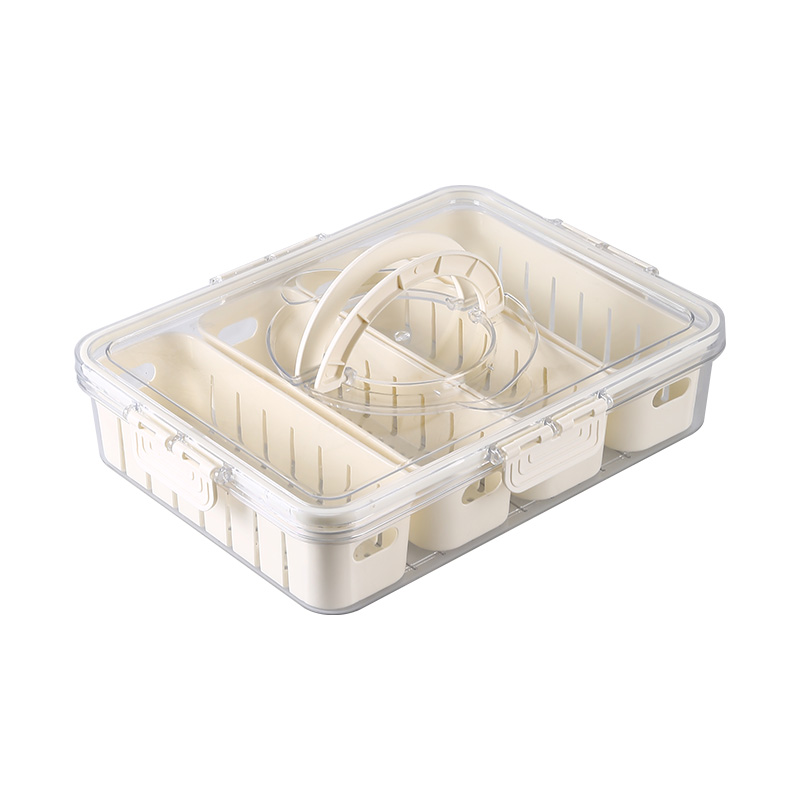
PP Material Handheld Fresh-Keeping Sealed Box Dry Food Classification Storage Box
-
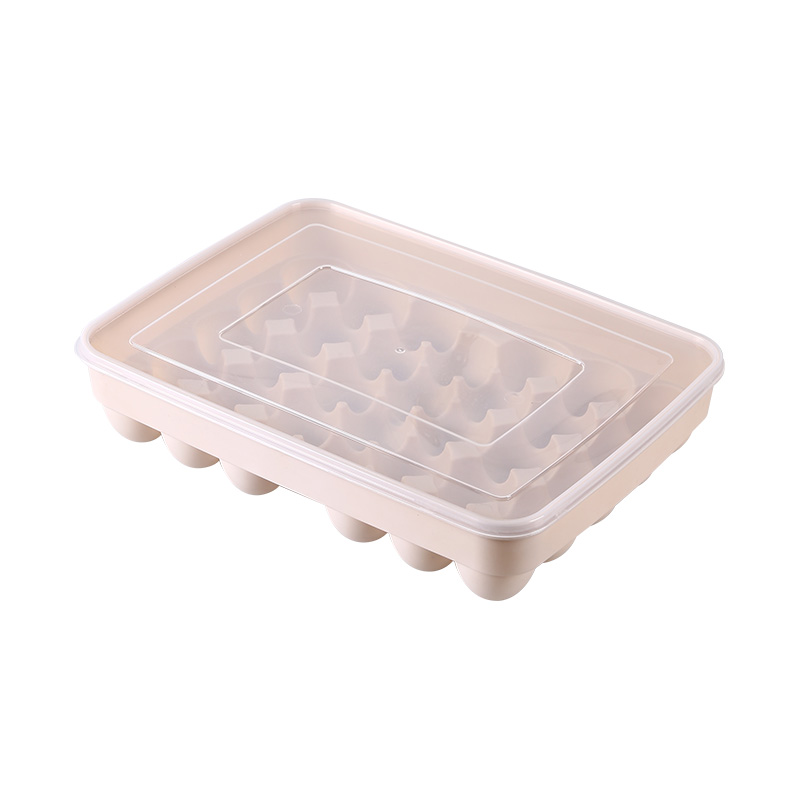
Refrigerator Storage Multi-Grid Egg Box Can Be Stacked With Cover To Food Preservation Box
-
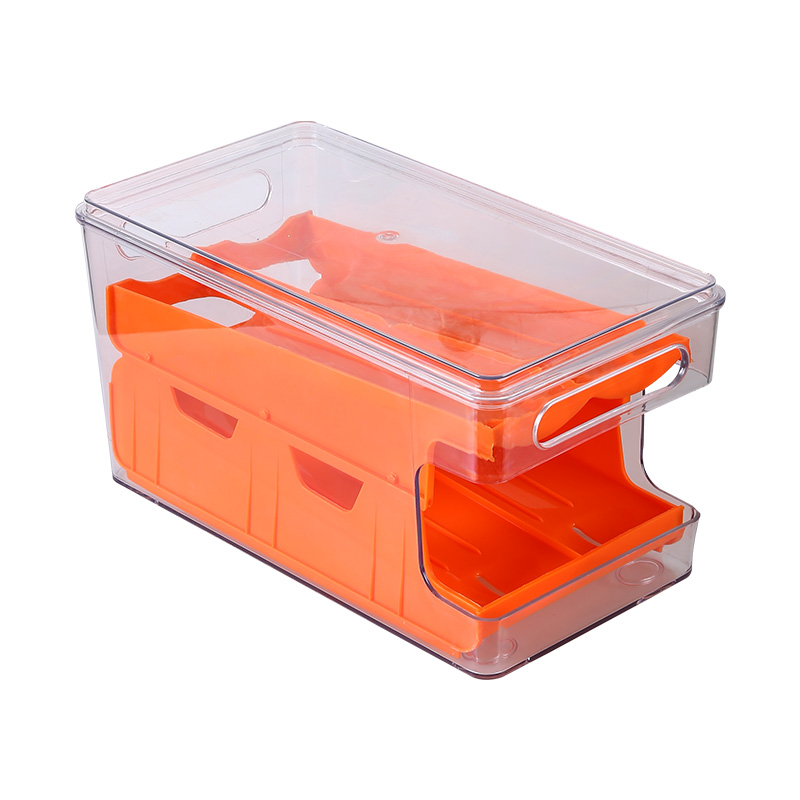
Dual-Layer Transparent Egg Storage Rack Eco-Friendly Slide-Type Household Kitchen
 No. 7 Yicheng Middle Road, Anzhou Street, Xianju, Taizhou, Zhejiang, China.
 +86-0576-89370898
Copyright© Taizhou Soudelor Plastic Industry Co., Ltd. All Rights Reserved.
ECO Friendly Plastic Products Factory
