
 English
 中文简体
中文简体 Deutsch


How Does PS Wine Glass Compare With Traditional Glass in Event Settings?
In recent years, tableware design has expanded beyond traditional glass materials. Restaurants, event organizers, and home users now consider durability, weight, and safety when choosing drinkware. Within this shift, the PS Wine Glass has become a commonly used alternative for situations where lightweight handling and breakage resistance are important.
Instead of focusing only on visual appearance, many buyers now look at how drinkware performs in practical service environments.
Why Lightweight Drinkware Is Becoming More Common
Glassware has long been associated with formal dining settings. However, in outdoor events, catering services, and large gatherings, traditional glass can present handling challenges.
A PS Wine Glass offers a lighter structure that is easier to transport and manage in bulk service environments. This makes it suitable for situations such as weddings, festivals, hotel pool areas, and banquet halls where quick setup and cleanup are required.
In many cases, event planners prefer materials that reduce risk during high-traffic service periods.
Material Characteristics and Product Structure
PS material, short for polystyrene, is used to produce lightweight drinkware with clear appearance. A PS Wine Glass is typically molded into shape rather than cut or blown like traditional glass.
This production method allows consistent shaping and easier mass manufacturing. While it does not replicate all characteristics of glass, it offers practical handling advantages in specific service environments.
Common characteristics include:
- Lightweight structure for easy carrying
- Clear surface appearance for beverage presentation
- Stackable design for storage efficiency
- Disposable or reusable options depending on model
These features make it suitable for commercial and temporary event use.
Applications in Hospitality and Events
A PS Wine Glass is widely used in hospitality settings where large guest volumes are expected. Hotels and catering companies often rely on it for outdoor dining areas or temporary service stations.
It is also used in:
- Wedding receptions
- Corporate events
- Food festivals
- Beachside or poolside service
- Large banquet setups
In these environments, breakage risk is reduced compared with traditional glassware, which can simplify cleanup and reduce interruptions during service.
Comparison With Traditional Glassware
Traditional glass wine glasses are often selected for formal dining due to their weight and tactile feel. However, they require careful handling and cleaning processes.
A PS Wine Glass changes the handling approach by focusing on convenience in large-scale service. While it may not replace glass in formal fine dining, it provides an alternative for environments where speed and safety are more important than traditional presentation standards.
This difference allows businesses to choose drinkware based on event type rather than using a single material across all scenarios.
Storage, Transport, and Bulk Usage
For catering businesses, storage efficiency is an important factor. A PS Wine Glass can often be stacked more compactly than traditional glassware, which helps reduce storage space during off-season periods.
During transport, lightweight material also reduces handling effort for staff preparing large event setups. In many cases, products are packed in bulk boxes designed for quick distribution across multiple event stations.
These practical aspects make it easier for service providers to manage high-volume operations.
Environmental and Usage Considerations
Different regions have varying approaches to disposable and reusable tableware. Some PS Wine Glass products are designed for single use, while others are intended for limited reuse depending on cleaning methods.
In event planning, material choice often depends on local regulations, waste management systems, and client preferences. Some service providers also combine PS products with recycling programs where available.
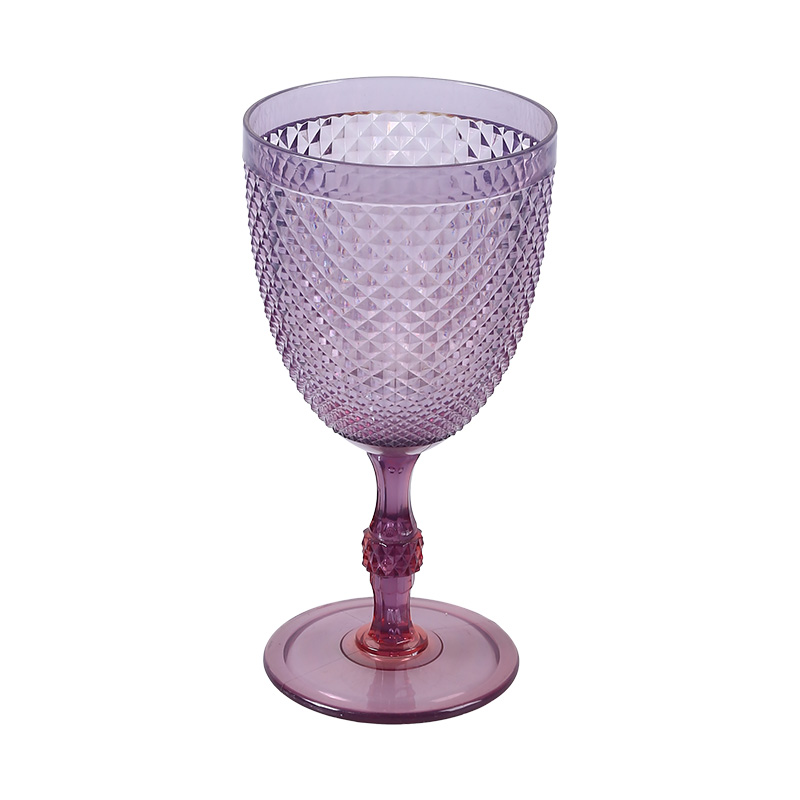
Modern hospitality and event service environments require flexible solutions that balance practicality and presentation. The PS Wine Glass has become part of this shift by offering lightweight handling and simplified logistics for large-scale beverage service.
While it does not replace traditional glassware in all settings, it supports a different category of use where efficiency, transport, and safety are important considerations in daily operations.
Hot Products
-
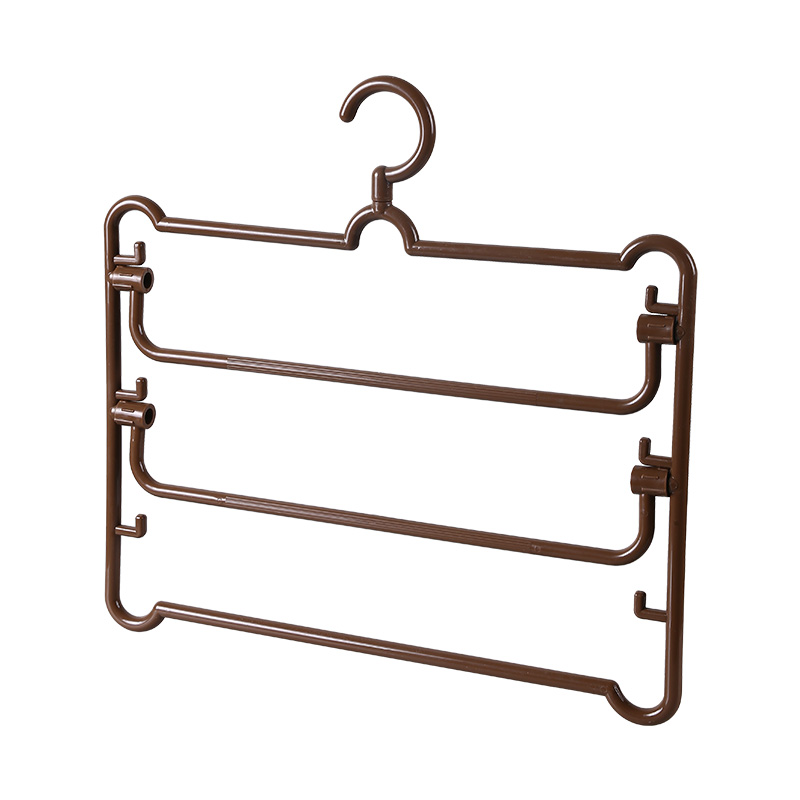
Plastic Pants Hanger (3 Bars)
-
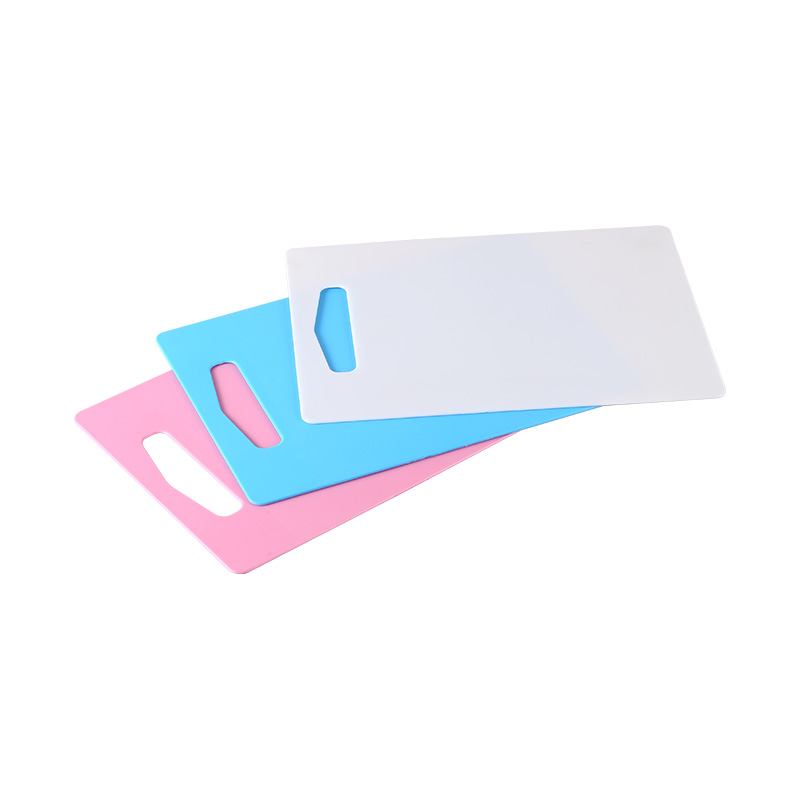
Plastic Chopping Board Food Cutting Block Mat Tool
-
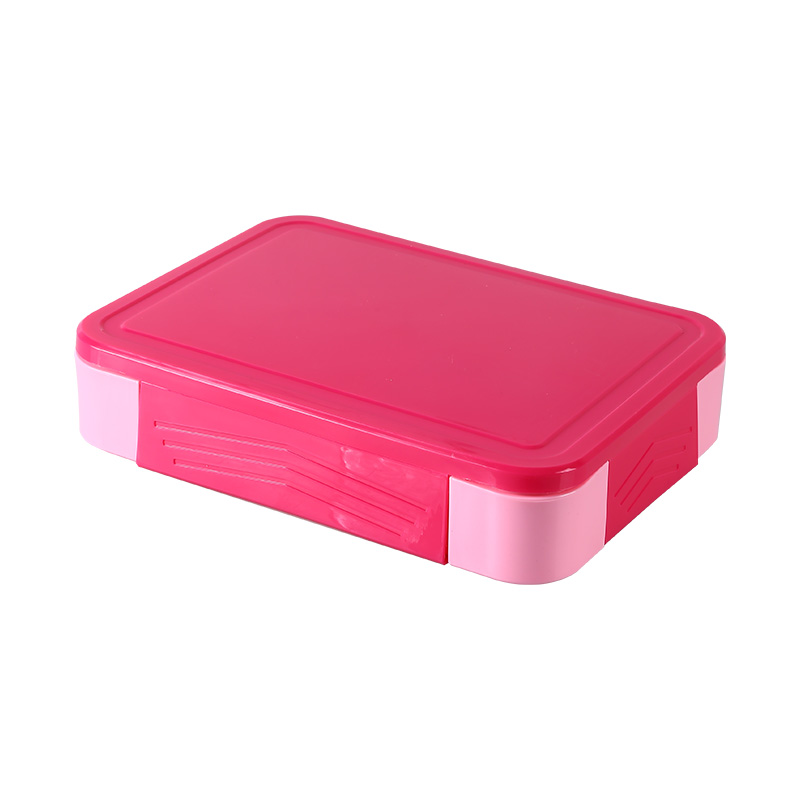
Food Storage Container For Adult Kids All-In-One Lunch Box
-
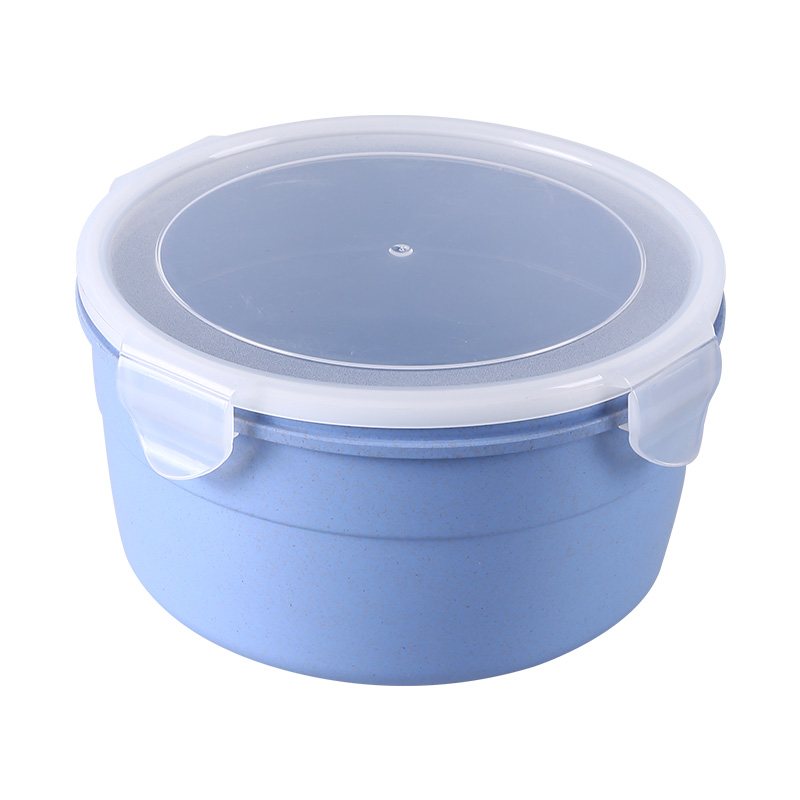
Mini Round Food Preservation Box
-
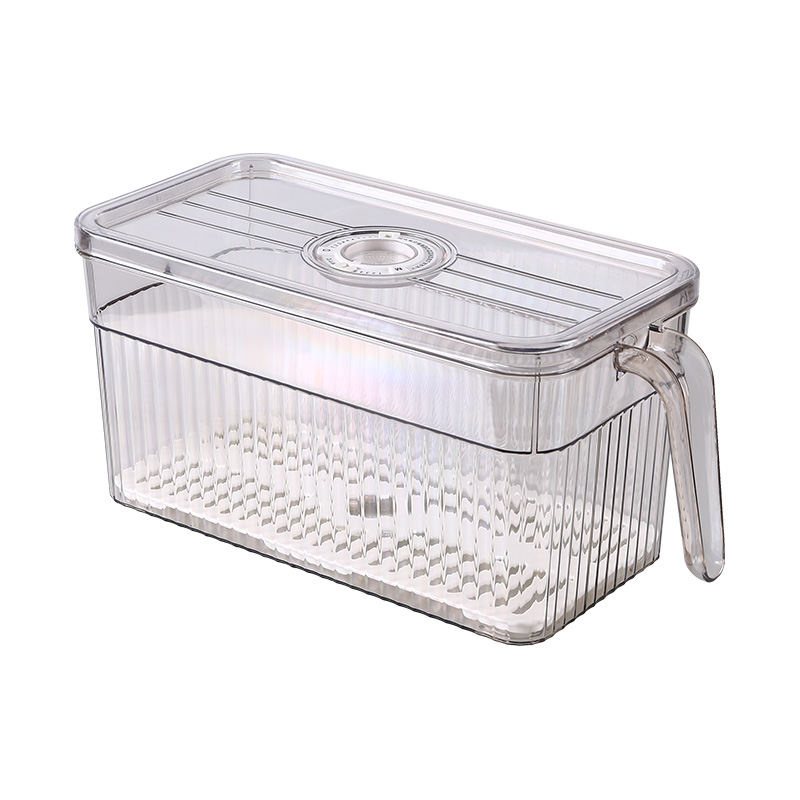
Refrigerator Storage Box Freezer Handle Storage Container
-
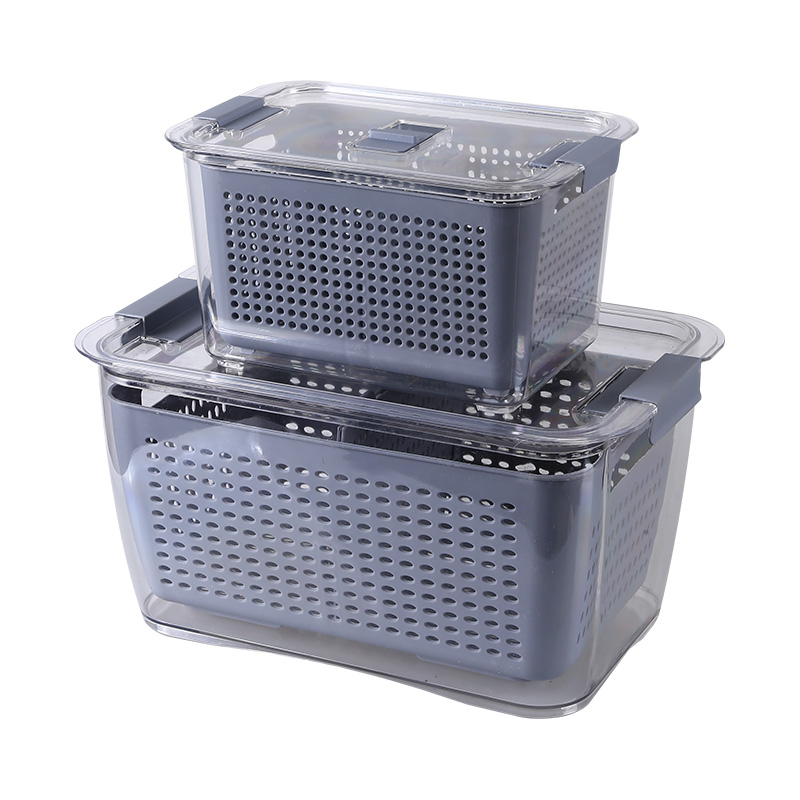
1pc Refrigerator Storage Box With Lid And Drain Basket Fruit Storage Containers Transparent Saver Container Food Organizer Bins
-
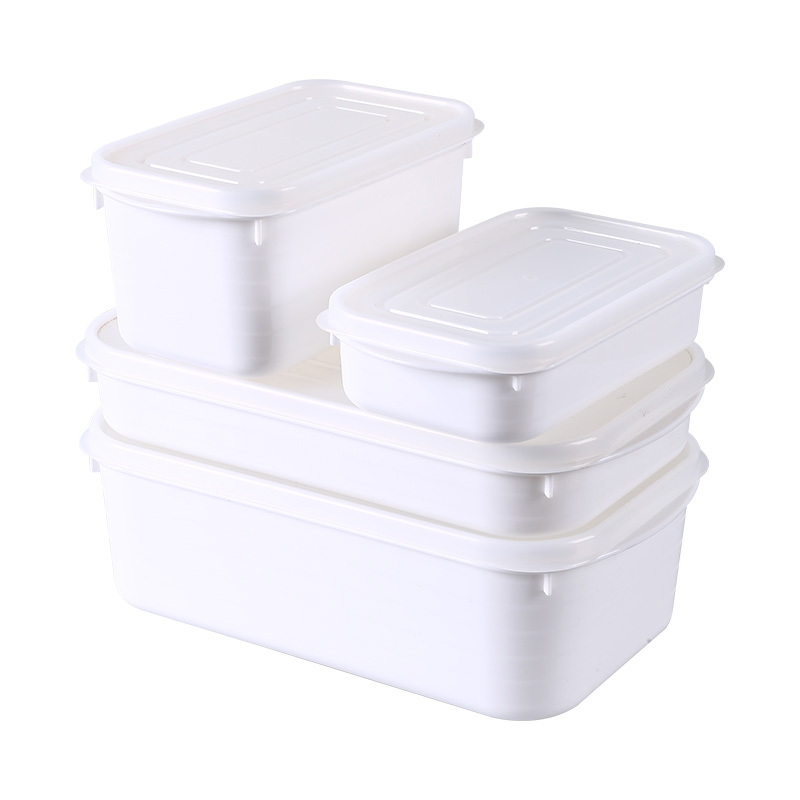
Food Storage Large Capacity Fresh-Keeping Eco Reusable Box Bento Food Leakproof Container
-
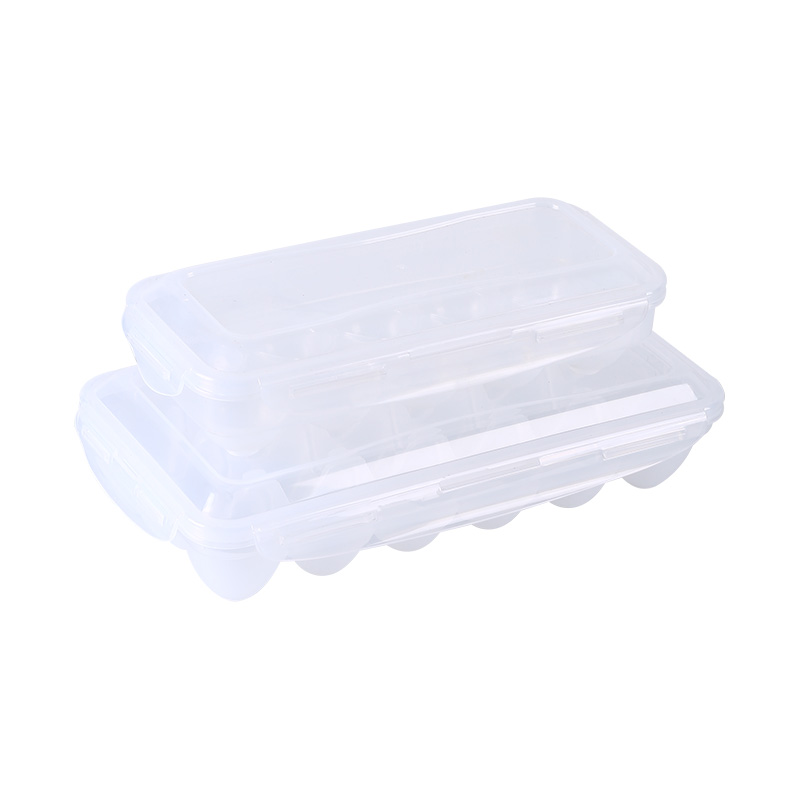
PP Plastic Egg Tray Storage Box
-
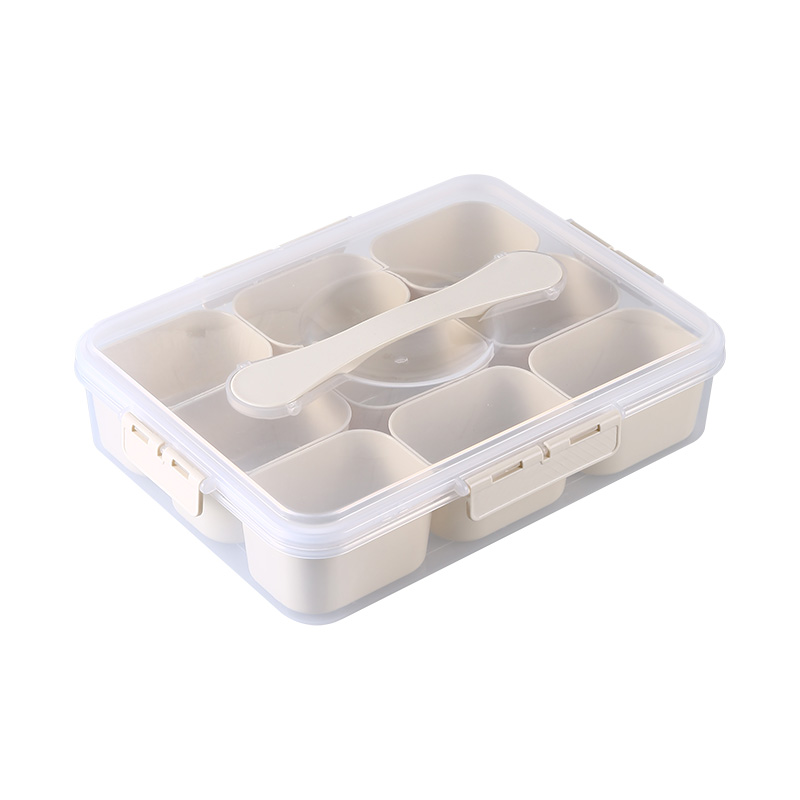
9 Compartment Divided Serving Tray With Lid And Handle Dried Fruit Storage Box
-
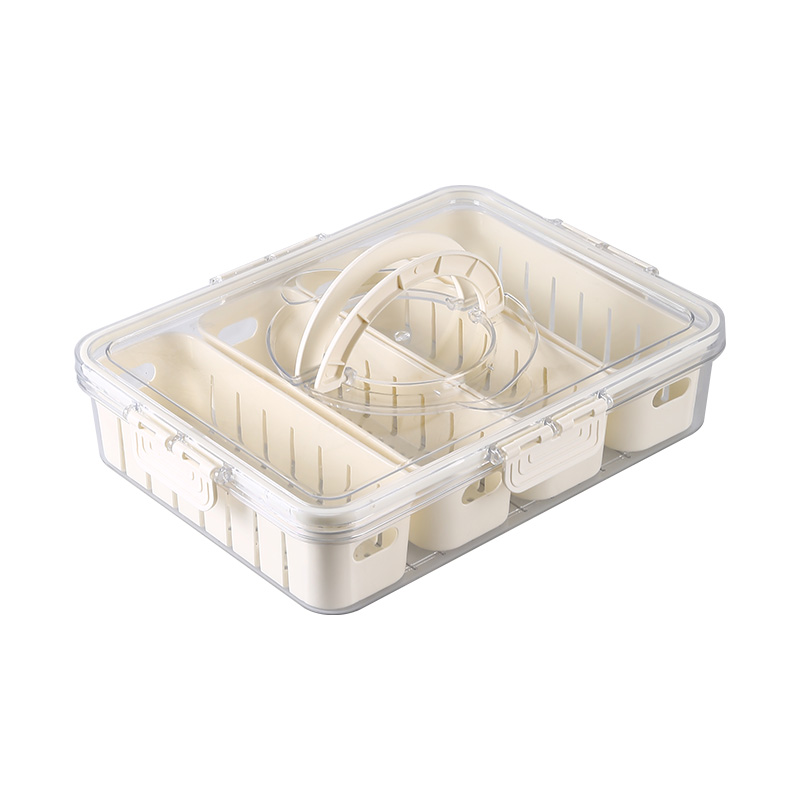
PP Material Handheld Fresh-Keeping Sealed Box Dry Food Classification Storage Box
-
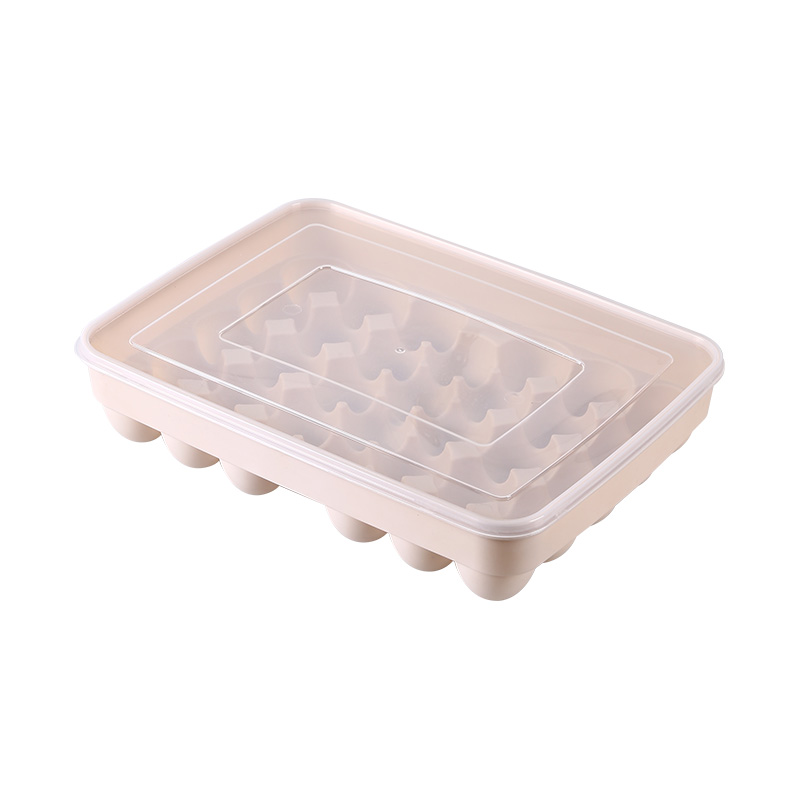
Refrigerator Storage Multi-Grid Egg Box Can Be Stacked With Cover To Food Preservation Box
-
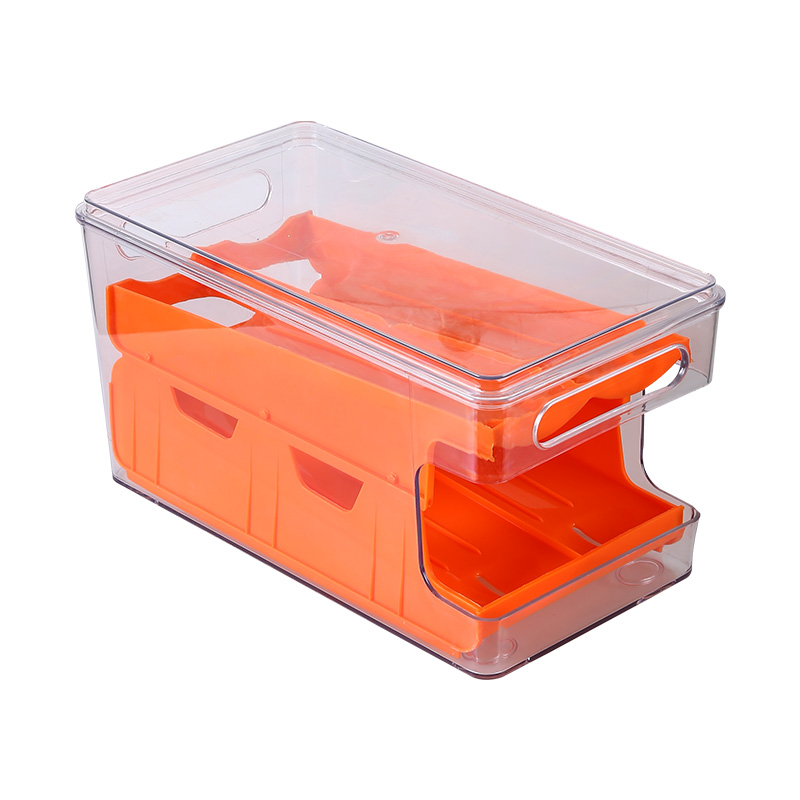
Dual-Layer Transparent Egg Storage Rack Eco-Friendly Slide-Type Household Kitchen
 No. 7 Yicheng Middle Road, Anzhou Street, Xianju, Taizhou, Zhejiang, China.
 +86-0576-89370898
Copyright© Taizhou Soudelor Plastic Industry Co., Ltd. All Rights Reserved.
ECO Friendly Plastic Products Factory
