
 English
 中文简体
中文简体 Deutsch

How Wheat Straw Material Tableware Performs In Hot Cold Food Use
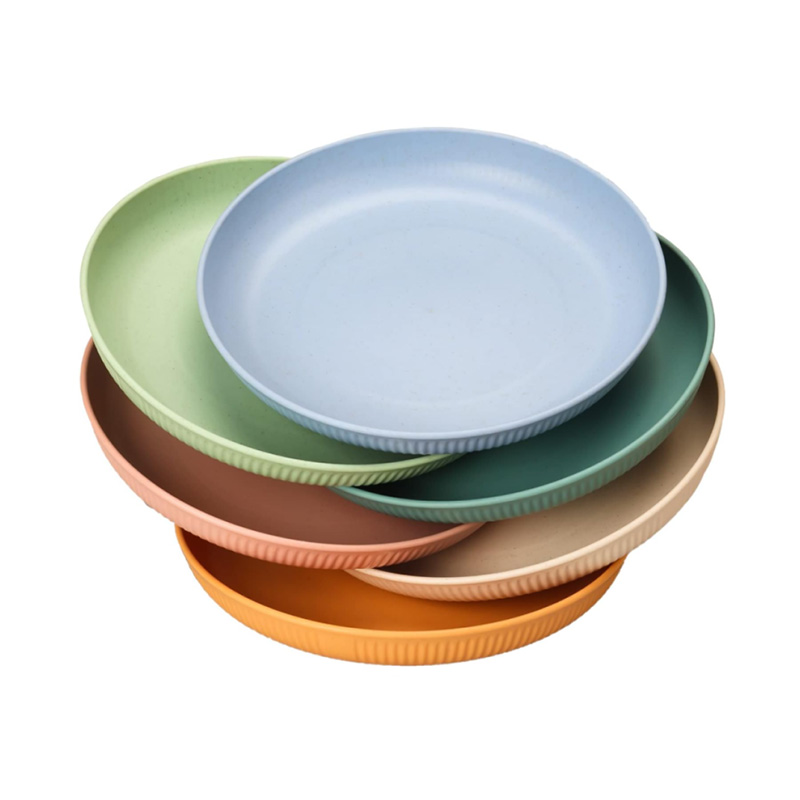
In daily life, tableware is not used in just one place. A meal may start in the kitchen, move to the table, and sometimes end up in a bag as part of a Lunch Box. Wheat Straw Material Tableware often sits quietly in this process. It is picked up, filled, carried, and used again without much attention.
What people notice is not the material itself, but how it behaves. When food is hot, does it feel comfortable to hold. When food cools down, does anything change. These are small things, but they build the overall impression over time.
In supply chains that support this kind of everyday use, products connected with manufacturers such as Taizhou Soudelor Plastic Industry Co., Ltd. are often part of what people use without thinking about where it comes from. The focus is not on the name, but on how the item fits into routine.
Temperature is always present. It starts from cooking and stays through serving, carrying, and eating. The container follows that process step by step.
How Temperature Starts At The Moment Food Leaves Cooking
Right after cooking, food carries its heat into the container. This is the point where Wheat Straw Material Tableware meets the highest temperature it will usually face in daily use.
The first contact feels direct:
- Warm food transfers heat to the inner surface
- The outside may feel slightly warm after a short time
- Moist dishes release a bit of steam right away
- Dry food feels more stable and less active
This moment is short, but it sets the tone for everything that follows.
What Happens During The Short Waiting Time Before Eating
After serving, food usually sits for a short while. People talk, prepare other dishes, or simply wait. During this time, the temperature begins to settle.
A few quiet changes happen:
- Steam slowly disappears in open containers
- In a closed Lunch Box, moisture stays inside
- The heat spreads more evenly across the container
- The food shifts from very warm to a more comfortable state
Nothing dramatic happens, but the feel changes slightly. When someone touches the container again, it may feel different from the first moment it was filled.
This is often when people begin to notice whether the container feels consistent or not.
How Wheat Straw Material Tableware Behaves During Active Eating
Once eating begins, the container is handled again and again. It is no longer just holding food. It becomes part of the action.
During a meal:
- Hands come back to the surface many times
- Utensils touch and move across the inside
- Food is stirred or lifted repeatedly
- The temperature continues to drop slowly
At this stage, changes are subtle but easier to notice. A container that stays steady in feel does not draw attention. One that feels slightly different over time may stand out.
Warm food may leave the surface feeling a bit softer in touch. As the meal continues and food cools, the surface returns to a more neutral feel. These are small shifts, but they are part of everyday experience.
How Lunch Box Changes The Way Temperature Is Managed
When food is packed into a Lunch Box, the situation changes. The container is closed, and air movement is limited.
This creates a different condition:
- Heat stays inside longer
- Steam does not escape quickly
- Moisture builds up inside the container
- Food is no longer in an open environment
The timing also changes. Instead of eating right away, there may be a gap between packing and eating. During that time, the container is doing quiet work, holding both heat and moisture.
The way it handles this period affects how the food and the container feel later when opened.
What Happens When Food Moves From Hot To Warm To Cool
As time passes, food does not stay at one temperature. It moves gradually from hot to warm, then to a cooler state.
This transition is slow and continuous:
- Heat spreads across the container and fades
- Moisture settles inside or disappears
- The surface returns to its usual feel
- Food texture changes along the way
Wheat Straw Material Tableware tends to follow this process without sudden shifts. There is no sharp change, just a gradual adjustment.
For users, this feels natural. The container does not interrupt the process. It simply moves along with it.
How Cold Food Introduces A Different Type Of Material Response
Cold food creates a quieter interaction. There is no heat spreading, no steam rising. The contact is more stable from the start.
In this case:
- The surface feels firm and unchanged
- There is little movement of heat inside the container
- Moisture from the air may appear lightly on the surface
- Handling feels steady and predictable
Cold meals often feel simpler to manage because fewer changes happen over time. What you feel at the beginning is close to what you feel later.
How Switching Between Hot And Cold Use Affects Daily Experience
In daily life, containers are used for different kinds of meals. One day it may hold warm food, another day something cold. This switching happens naturally.
Over time, this pattern creates small effects:
- The surface becomes more familiar to the hand
- Frequently used areas feel slightly smoother
- Temperature changes feel less noticeable
- Handling becomes more natural without thinking
- How Container Shape Influences Temperature Behavior
Shape plays a quiet role in how temperature behaves. Even with the same material, different shapes create different experiences.
Here is a simple view:
| Container Shape | What Happens With Heat | How It Feels To Use | Typical Situation |
|---|---|---|---|
| Shallow | Heat spreads quickly | Cools faster when touched | Serving meals right away |
| Deep | Heat stays inside longer | Outside feels more stable | Packed Lunch Box meals |
| Divided | Different sections cool differently | Mixed temperature feel | Meals with separate dishes |
| Rounded | Heat flows more evenly | Smooth to handle | Daily general use |
The difference is not always obvious at first, but it becomes clearer with repeated use.
How Movement During Transport Changes Temperature Interaction
Carrying food adds another layer to the experience. A Lunch Box is often placed in a bag or carried by hand, and movement changes how things behave.
During transport:
- Food may shift slightly inside
- Warm areas move as the container moves
- Outside temperature can influence what is inside
- The container experiences motion and temperature at the same time
This is different from a still table. The container needs to stay steady not only in structure, but also in how it holds the food during movement.
How Cleaning Right After Use Changes The Way The Material Feels Over Time
After a meal, cleaning usually happens while the container still holds a bit of leftover warmth. This moment is often quick and routine, but it has a quiet influence on how the material feels later.
In everyday washing:
- Warm containers meet cooler water
- Food residue, especially from oily dishes, is removed
- Surfaces are rubbed repeatedly in similar areas
- Moisture settles briefly before drying
These actions are simple, but they repeat again and again. Over time, the surface may begin to feel slightly different, not in a noticeable way at once, but gradually. Areas that are touched and cleaned more often may feel smoother. Corners that are harder to reach may behave a little differently.
Nothing changes suddenly. It is more like a slow adjustment shaped by routine.
How Daily Storage Connects With Temperature And Material Condition
After cleaning, the container is usually left to dry and then stored. This stage may seem unimportant, but it continues the cycle of temperature change.
Typical storage habits include:
- Placing the container in open air to dry
- Stacking it with other items
- Keeping it in cabinets or shelves
- Sometimes closing it while still slightly warm
Each of these habits affects how the material settles after use. If it is stored while still holding some warmth, the cooling process continues in a closed space. If it is left open, air helps it return to a neutral state more quickly.
Over time, these small differences build a pattern. The container adapts not just to food, but also to how it is stored.
How Repeated Use Shapes Long Term Temperature Response
With regular use, Wheat Straw Material Tableware does not stay exactly the same as it was at the beginning. It slowly develops a kind of “used feel.”
This is often noticed in small ways:
- The surface feels more familiar in the hand
- Temperature changes feel less sharp than before
- Handling becomes more natural without adjustment
- The container responds in a more predictable way
This does not mean the material changes dramatically. Instead, it reflects how repeated heating, cooling, and handling create a steady pattern over time.
Users rarely think about this directly, but they recognize it when switching between a new item and one that has been used for a while.
How Different Eating Habits Create Different Use Patterns
Not everyone uses tableware in the same way. Some prefer warm meals, others often eat cold dishes. Some use a Lunch Box daily, while others use it occasionally.
These habits shape how the container behaves in the long run:
- Frequent hot food use increases exposure to warmth and steam
- Regular cold food use keeps the material in a more stable state
- Daily transport adds movement and closed storage conditions
- Occasional use keeps changes minimal
Because of this, two containers of the same type may feel slightly different after some time, depending on how they are used.
How Lunch Box Use Adds Another Layer Of Daily Interaction
Using a Lunch Box is not just about storing food. It adds timing, movement, and delay into the process.
Compared with eating at home:
- Food is packed and carried before being eaten
- Temperature changes happen while the container is closed
- The container is opened later, often in a different place
- The experience includes both storage and serving
This creates a longer interaction between food and material. The container is not only reacting to temperature, but also holding that condition over time.
Users may notice that the feel of the container when opening it is different from when it was first filled. This difference becomes part of the overall experience.
How Small Daily Details Become Noticeable Over Time
For example:
- How quickly the container returns to room temperature
- Whether the surface feels dry or slightly damp after use
- How it responds when switching between hot and cold meals
- How easy it feels to handle during different stages of use
These are not features that stand out immediately. They appear slowly, shaped by daily routines rather than one-time use.
How Environment Influences Long Term Use Experience
The place where the container is used also plays a role. Even without changing the product, different environments create different patterns.
Common situations include:
- Indoor kitchens with stable conditions
- Office or school settings with repeated Lunch Box use
- Outdoor meals where temperature changes more quickly
- Travel situations with varying storage and handling
Each environment introduces small differences in how the container reacts. Over time, these differences become part of the overall feel.
How Wheat Straw Material Tableware Fits Into Daily Rhythm
After enough use, the container becomes part of a routine. It is no longer something that needs attention. It simply works within the flow of daily life.
Typical patterns include:
- Preparing food and placing it directly into the container
- Carrying it without thinking about structure or material
- Using it in different places without adjustment
- Cleaning and storing it in a familiar way
At this stage, the interaction between temperature and material becomes almost invisible. The container follows the rhythm of use without interruption.
From the first moment warm food is placed inside, to repeated cycles of cooling, cleaning, and storing, Wheat Straw Material Tableware moves through many small changes. None of them are dramatic on their own, but together they shape how the product feels in real life.
When used as part of a Lunch Box, this process becomes even more extended. Temperature is not only experienced at the table, but also during transport and waiting time.
Over time, the material does not stand out. Instead, it becomes part of everyday habits. The way it handles hot and cold food is no longer something to observe, but something that quietly supports daily routines.
Hot Products
-
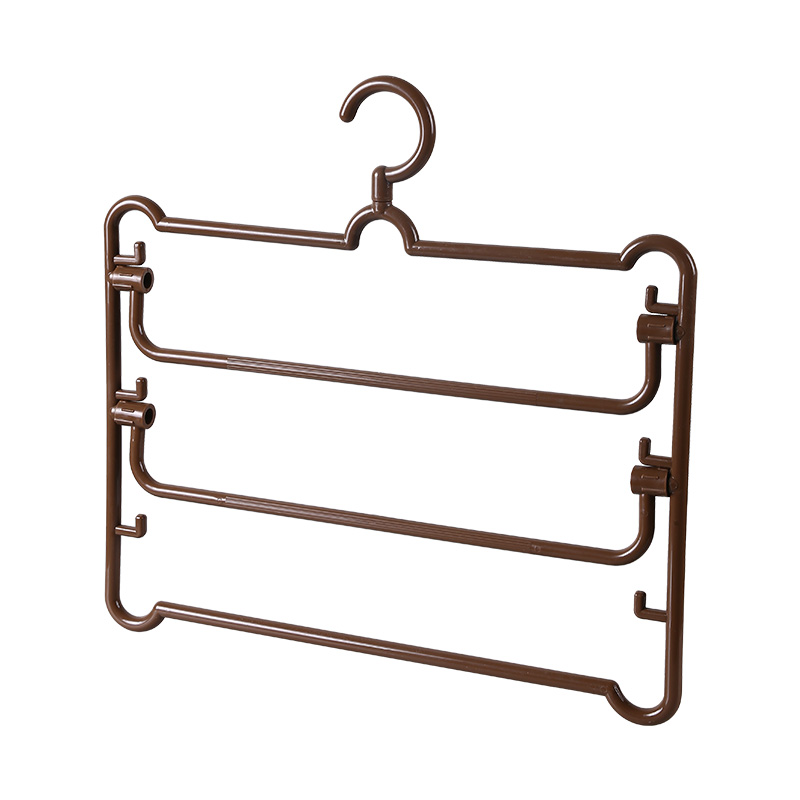
Plastic Pants Hanger (3 Bars)
-
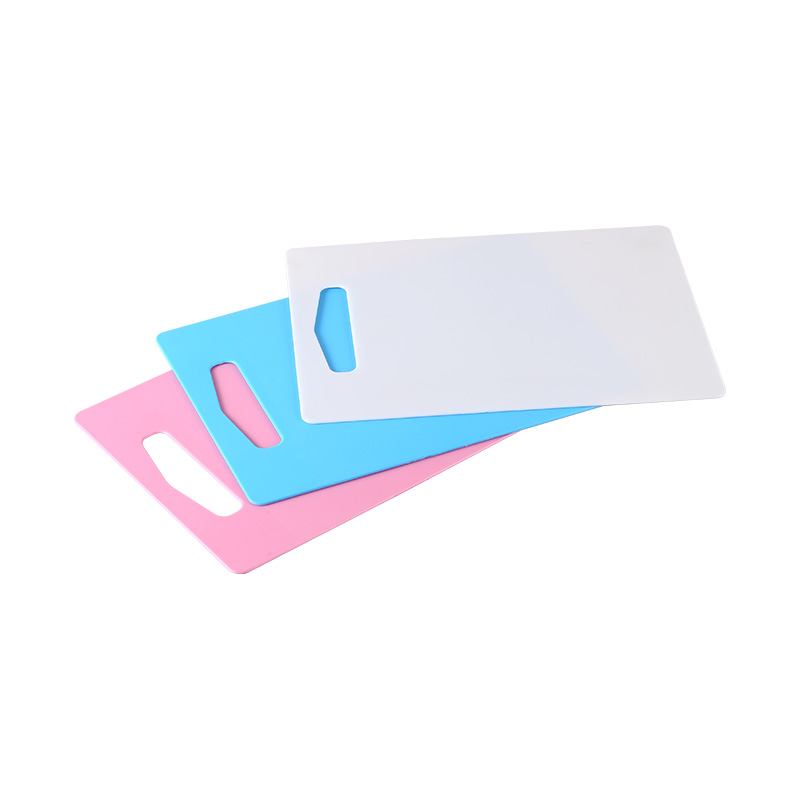
Plastic Chopping Board Food Cutting Block Mat Tool
-
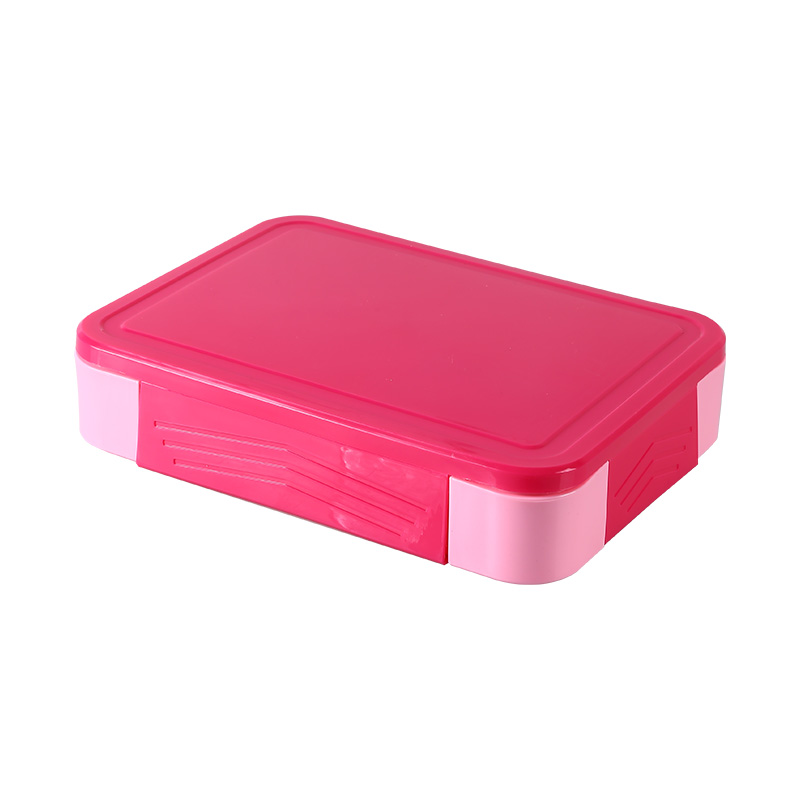
Food Storage Container For Adult Kids All-In-One Lunch Box
-
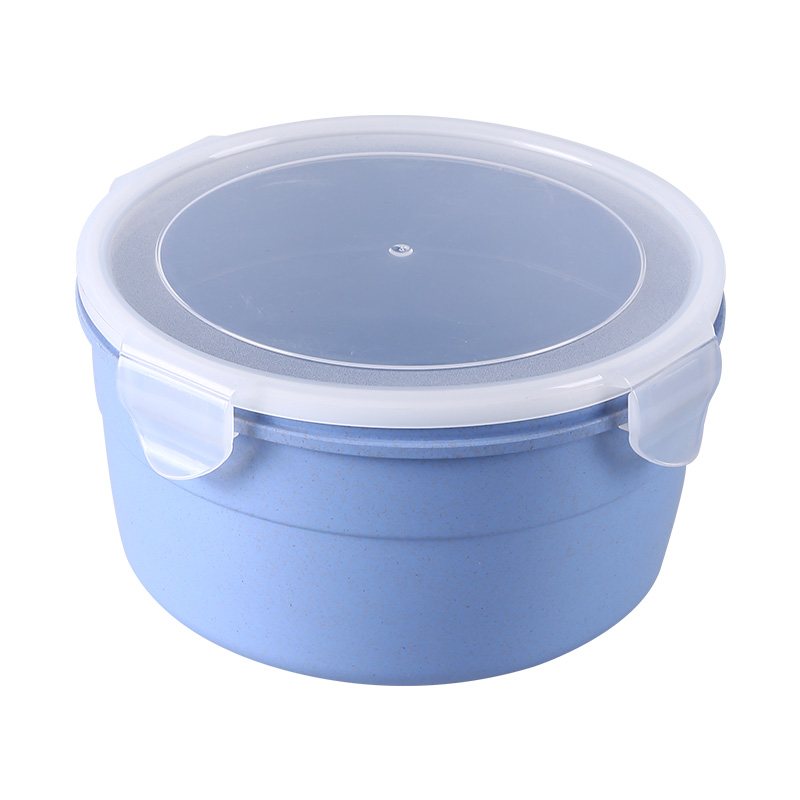
Mini Round Food Preservation Box
-
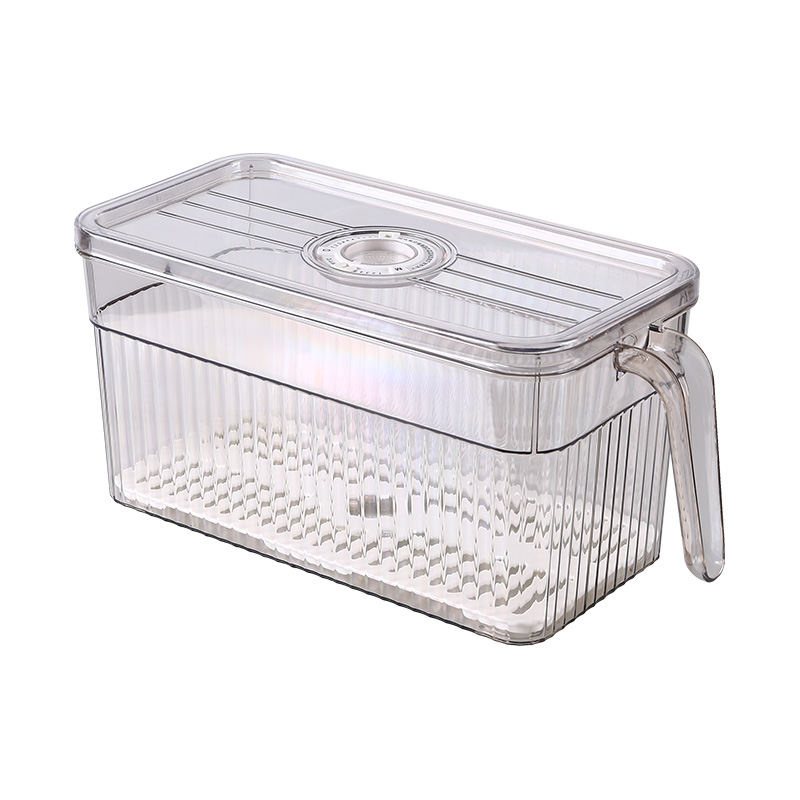
Refrigerator Storage Box Freezer Handle Storage Container
-
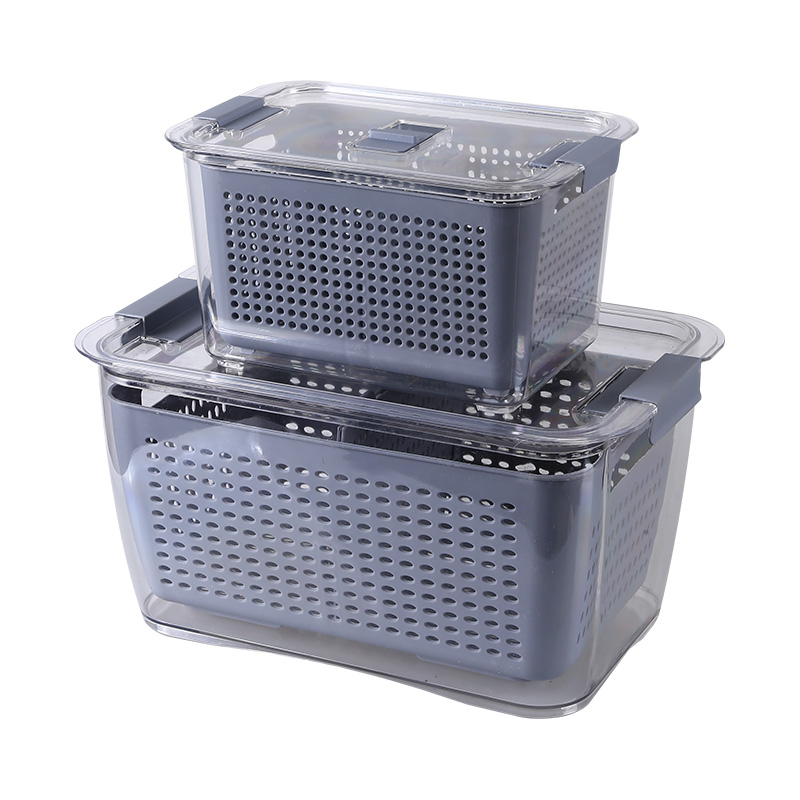
1pc Refrigerator Storage Box With Lid And Drain Basket Fruit Storage Containers Transparent Saver Container Food Organizer Bins
-
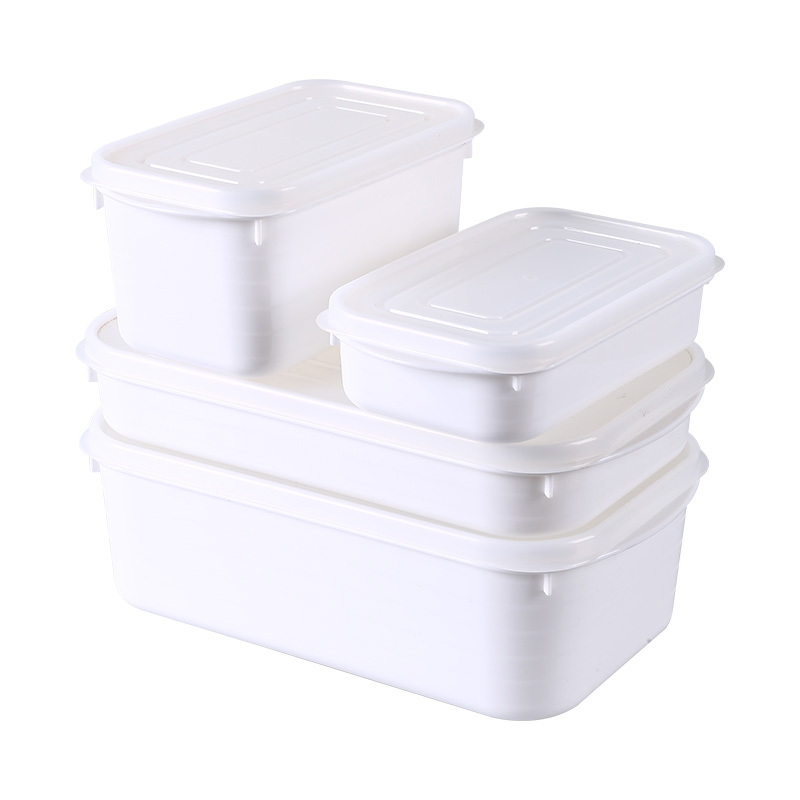
Food Storage Large Capacity Fresh-Keeping Eco Reusable Box Bento Food Leakproof Container
-
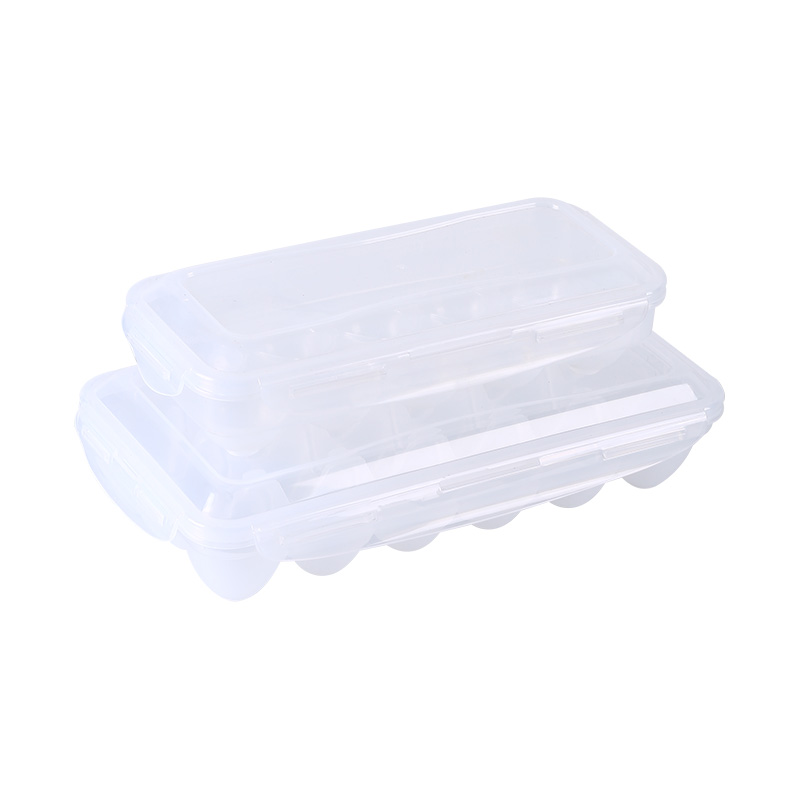
PP Plastic Egg Tray Storage Box
-
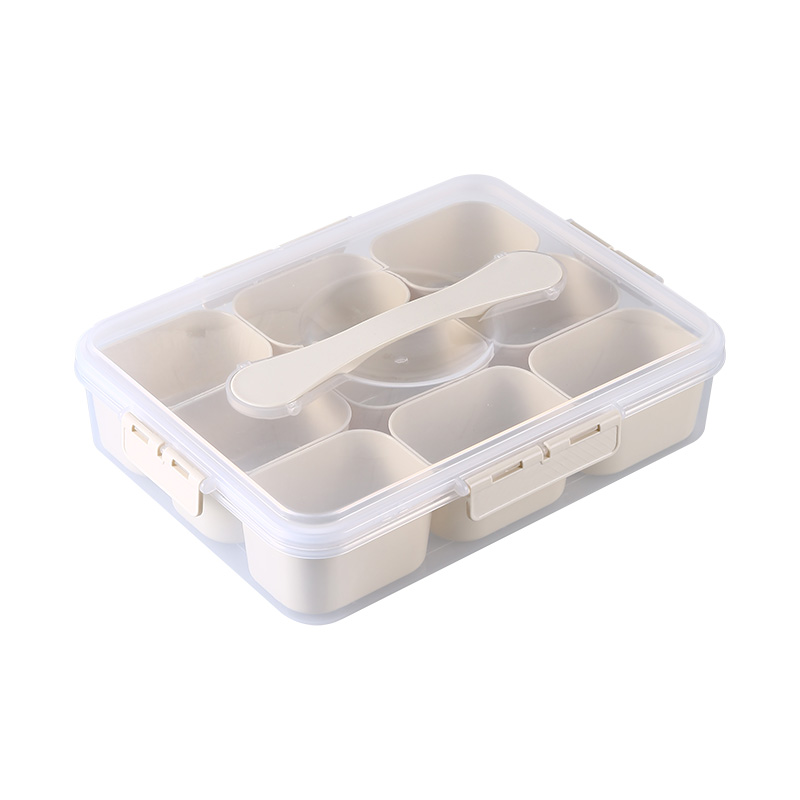
9 Compartment Divided Serving Tray With Lid And Handle Dried Fruit Storage Box
-
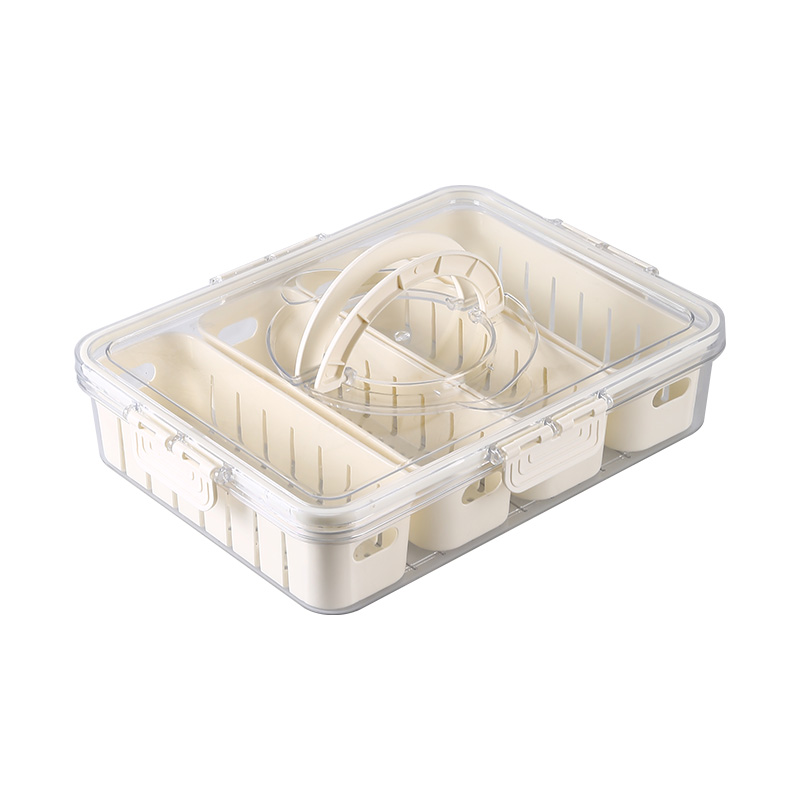
PP Material Handheld Fresh-Keeping Sealed Box Dry Food Classification Storage Box
-
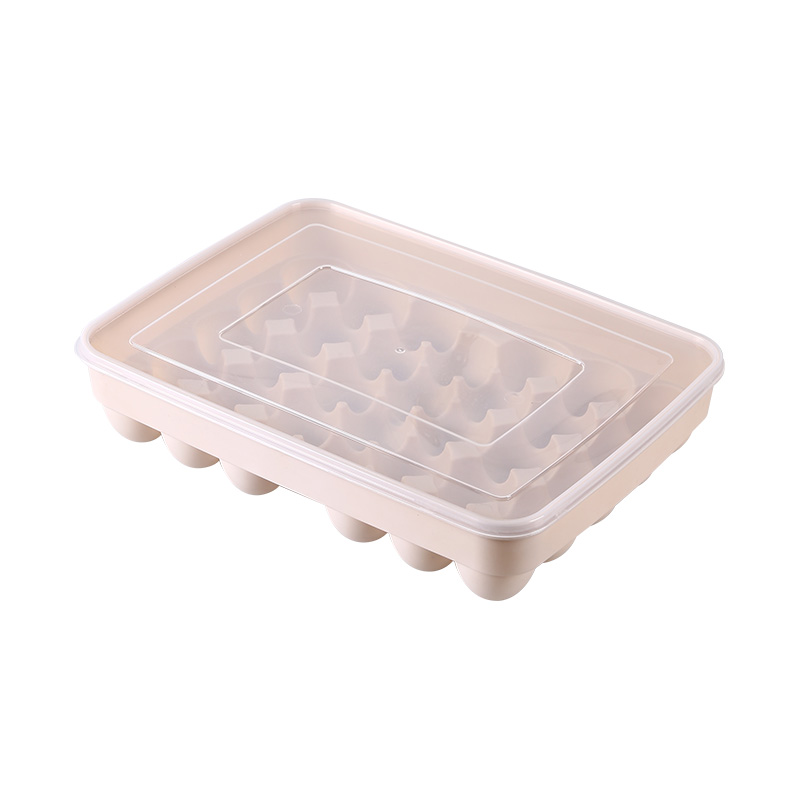
Refrigerator Storage Multi-Grid Egg Box Can Be Stacked With Cover To Food Preservation Box
-
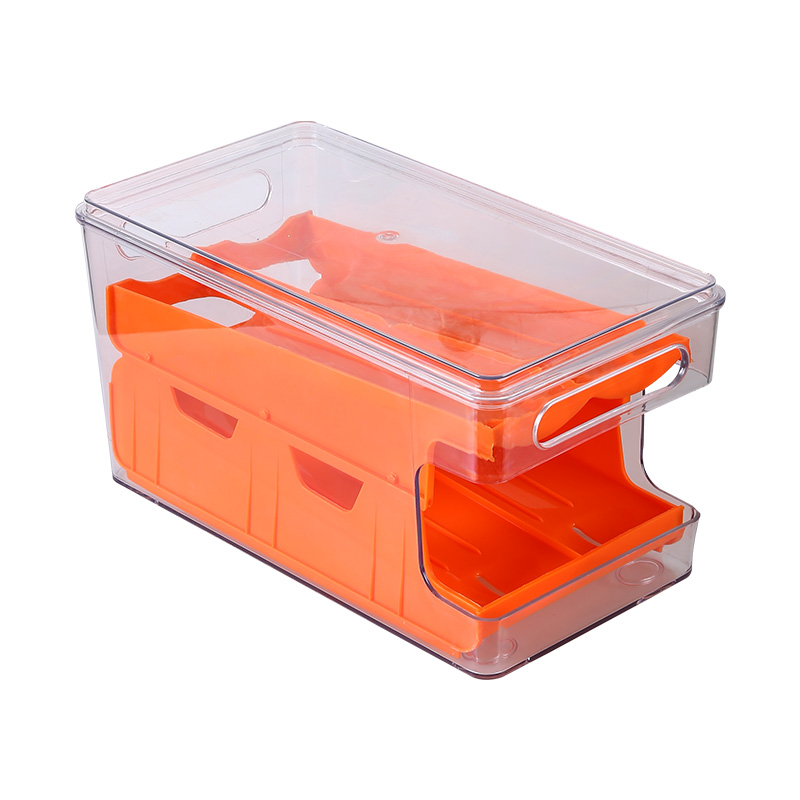
Dual-Layer Transparent Egg Storage Rack Eco-Friendly Slide-Type Household Kitchen
 No. 7 Yicheng Middle Road, Anzhou Street, Xianju, Taizhou, Zhejiang, China.
 +86-0576-89370898
Copyright© Taizhou Soudelor Plastic Industry Co., Ltd. All Rights Reserved.
ECO Friendly Plastic Products Factory
