
 English
 中文简体
中文简体 Deutsch


How Does a Manufacturer Produce Durable Wheat Straw Material Tableware?
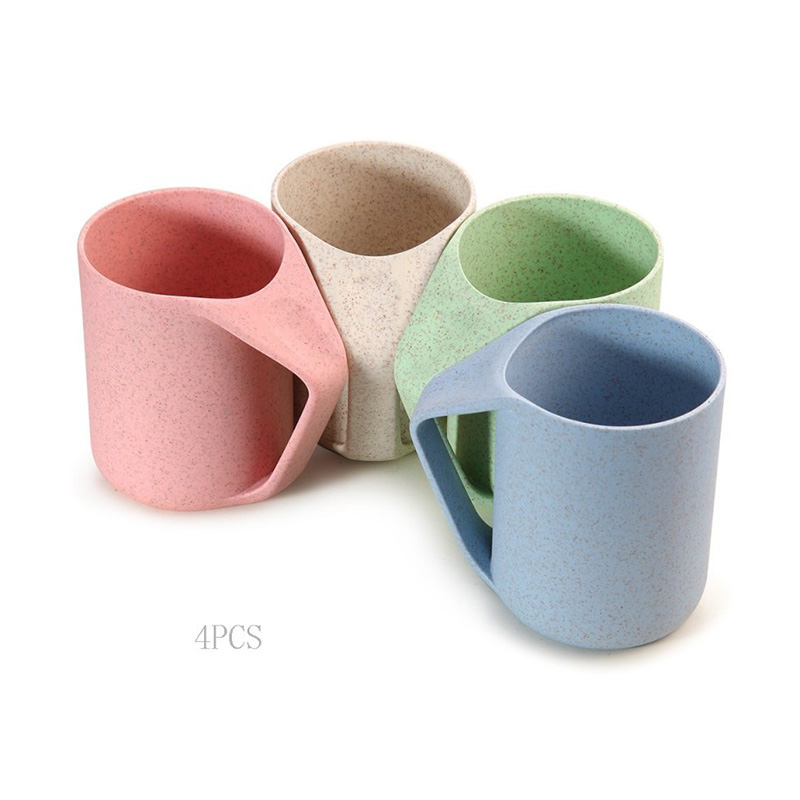
In recent years, sustainable tableware has gained attention as consumers seek eco-friendly alternatives to disposable plastics. Wheat Straw Material Tableware has emerged as a solution that combines renewable resources with functional design. Manufacturers focus on producing tableware that is durable, safe, and environmentally responsible, while meeting the diverse needs of households and businesses.
Material Selection and Advantages
The key to quality wheat straw tableware lies in its raw material. Wheat straw, a byproduct of cereal production, is abundant and biodegradable. Factories carefully clean, dry, and process the straw, combining it with safe binders to create a sturdy composite. This material provides resistance to heat, deformation, and everyday wear, making it suitable for plates, bowls, cups, and cutlery.
Using wheat straw also reduces reliance on petroleum-based plastics, lowering carbon footprint and promoting sustainable production. Manufacturers often highlight the natural texture and light color of wheat straw, which appeals to environmentally conscious consumers seeking both aesthetics and functionality.
Production Workflow
The manufacturing of Wheat Straw Material Tableware involves several precise steps. First, cleaned wheat straw is ground into fine particles and mixed with food-safe binding agents. The mixture is then molded under heat and pressure to form the desired shapes.
Once molded, the tableware is cooled and trimmed for uniform edges. Surface polishing or texturing is applied to improve appearance and handling. Each piece undergoes careful inspection to ensure proper thickness, smooth surfaces, and consistent color. Factories may also stamp or brand tableware to meet client requirements.
Quality Control and Testing
Quality assurance is a critical aspect of production. Every batch of Wheat Straw Material Tableware is tested for heat resistance, durability, and food safety compliance. Manufacturers check that the tableware can withstand hot foods and liquids without deforming or releasing harmful substances.
Testing also includes mechanical strength checks to confirm that bowls and plates maintain their shape under typical use. By maintaining detailed records of each batch, manufacturers ensure that any defects can be quickly traced and corrected, maintaining a high standard of reliability.
Customization and Market Adaptation
Clients often require tableware in specific shapes, sizes, or colors. Manufacturers of Wheat Straw Material Tableware adjust molds and production parameters to meet these requests. Some markets prefer lightweight designs for convenience, while others require sturdier options for catering or restaurants.
This flexibility allows manufacturers to cater to both individual consumers and commercial clients, providing functional tableware that suits different dining scenarios.
Environmental Considerations
Factories producing wheat straw tableware prioritize sustainability. Waste materials from production can be recycled or composted, and the use of renewable wheat straw helps reduce environmental impact. Manufacturing processes are optimized to minimize energy consumption and emissions, supporting both regulatory compliance and eco-friendly branding.
From a manufacturer's perspective, Wheat Straw Material Tableware represents a balance of sustainability, durability, and design. By selecting high-quality raw materials, implementing precise molding processes, conducting thorough quality checks, and accommodating client requirements, factories produce tableware that meets modern environmental expectations. Choosing wheat straw tableware allows consumers and businesses to reduce plastic waste while enjoying functional and aesthetically pleasing dining products.
Hot Products
-
Plastic Pants Hanger (3 Bars)
-
Plastic Chopping Board Food Cutting Block Mat Tool
-
Food Storage Container For Adult Kids All-In-One Lunch Box
-
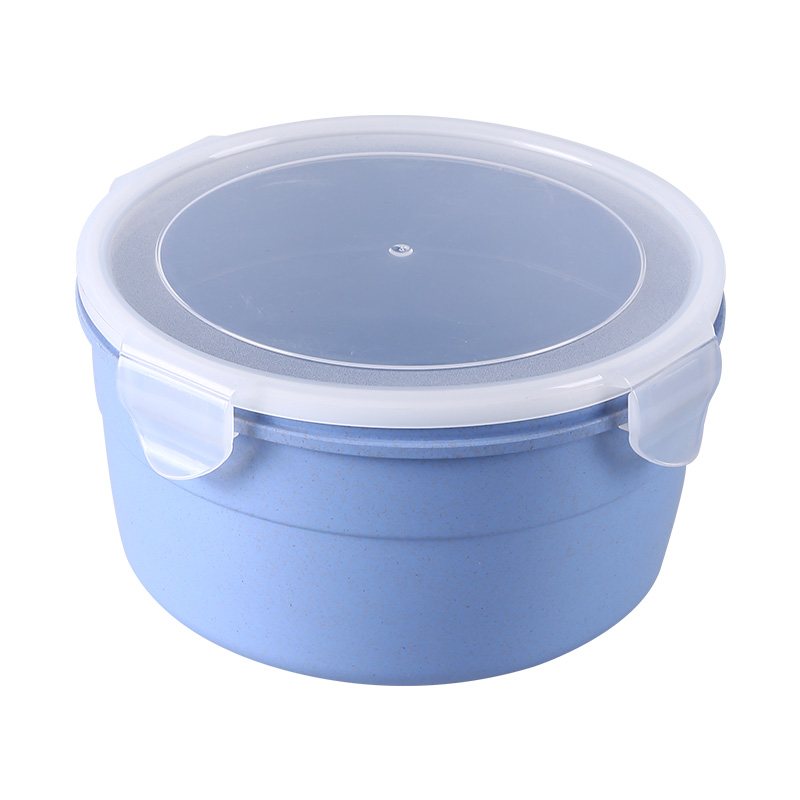
Mini Round Food Preservation Box
-
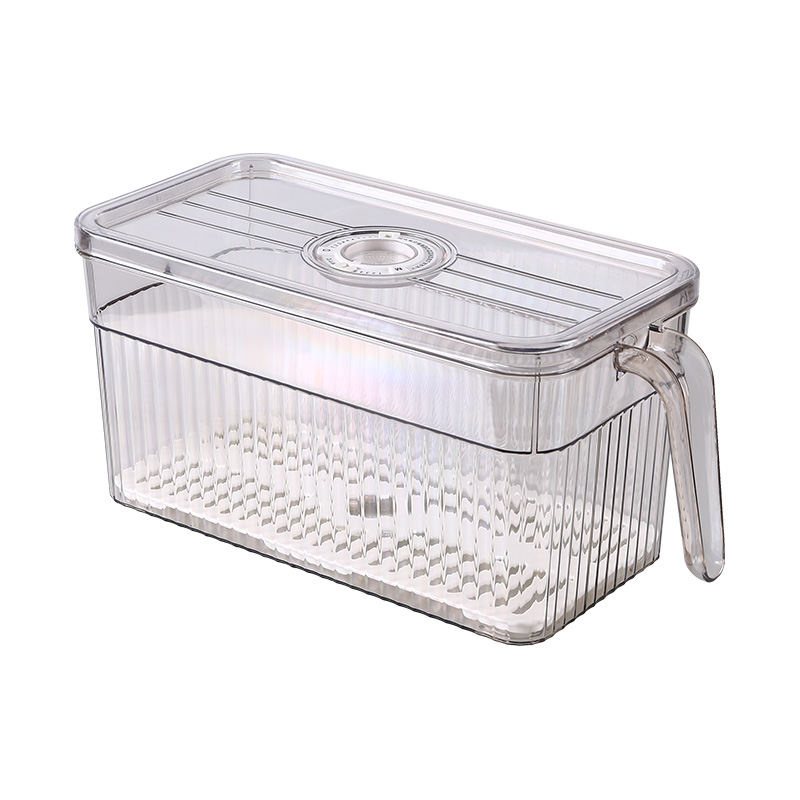
Refrigerator Storage Box Freezer Handle Storage Container
-
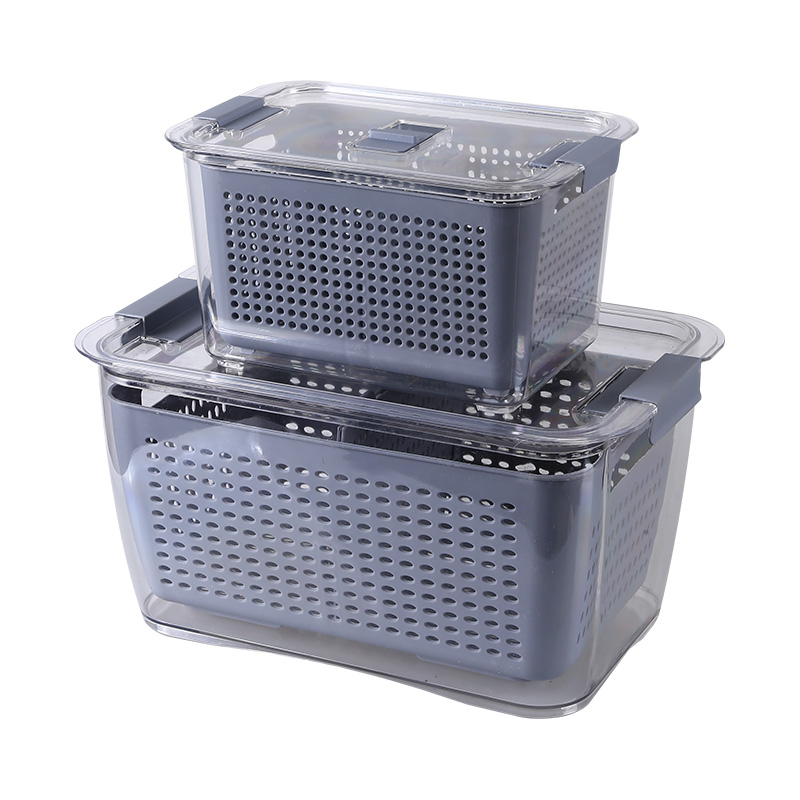
1pc Refrigerator Storage Box With Lid And Drain Basket Fruit Storage Containers Transparent Saver Container Food Organizer Bins
-
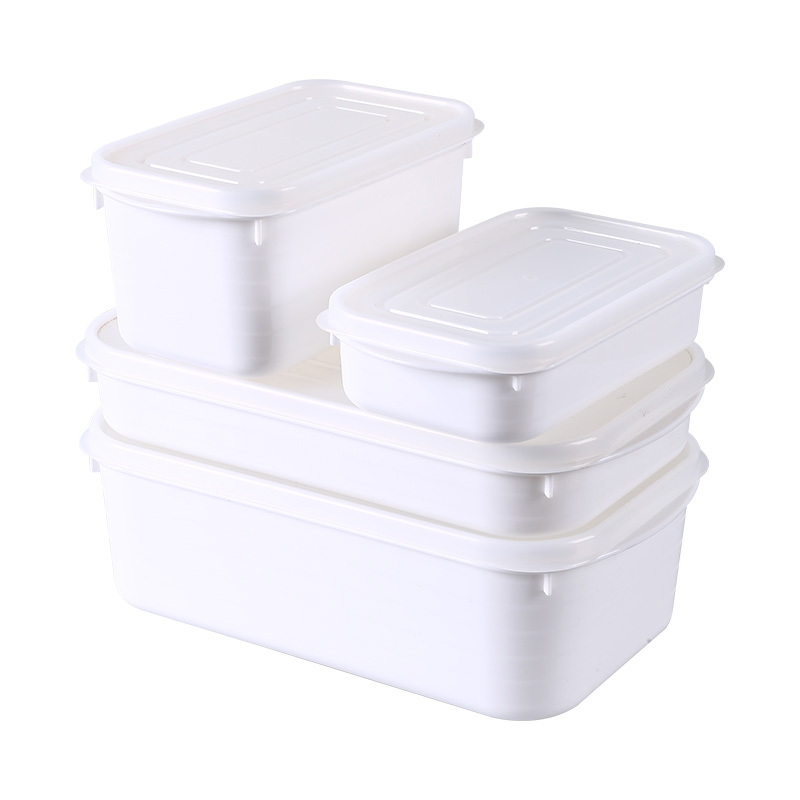
Food Storage Large Capacity Fresh-Keeping Eco Reusable Box Bento Food Leakproof Container
-
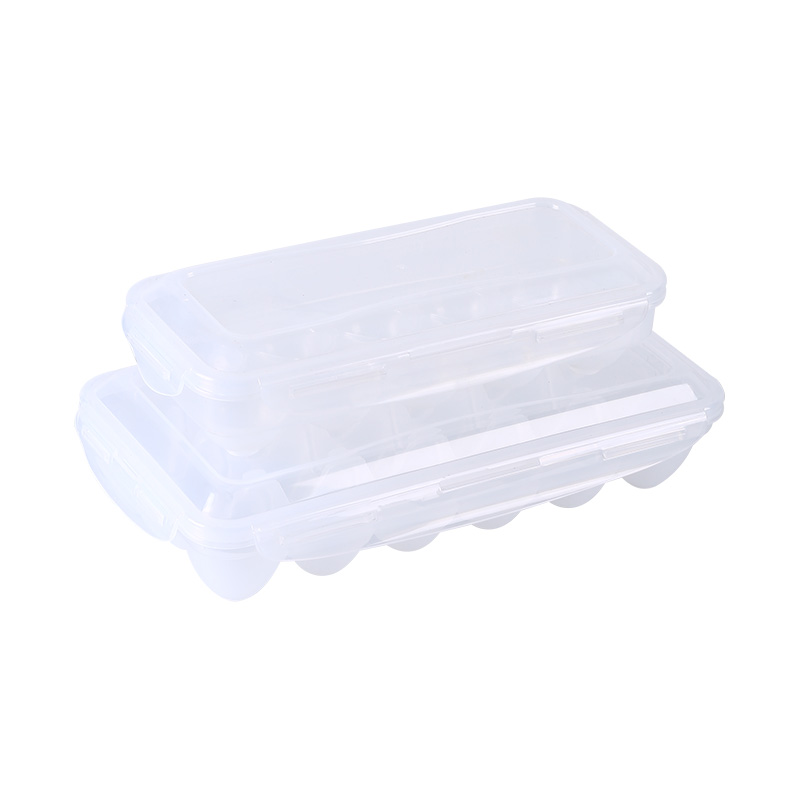
PP Plastic Egg Tray Storage Box
-
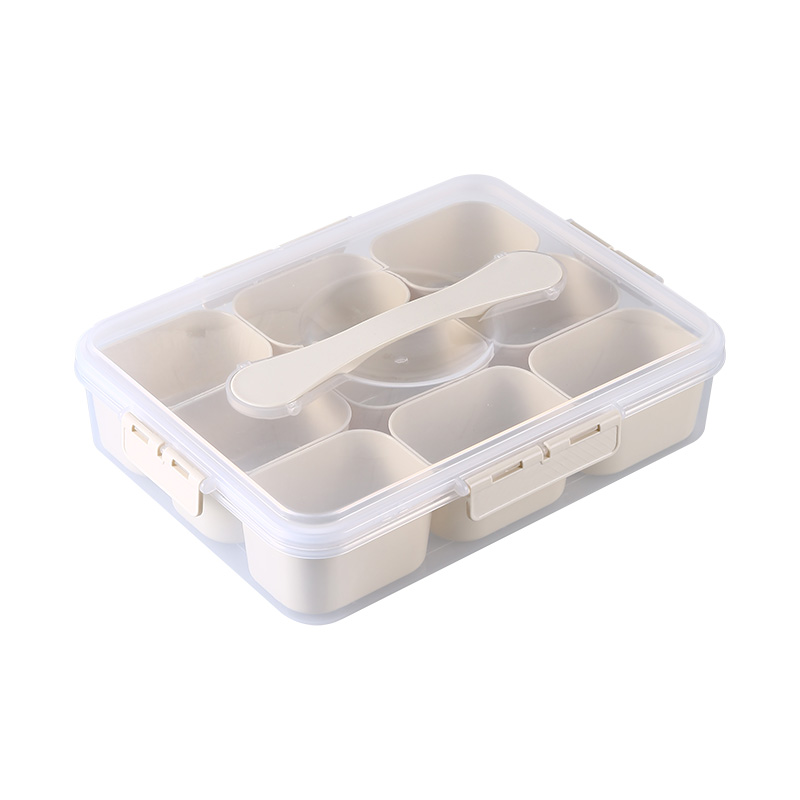
9 Compartment Divided Serving Tray With Lid And Handle Dried Fruit Storage Box
-
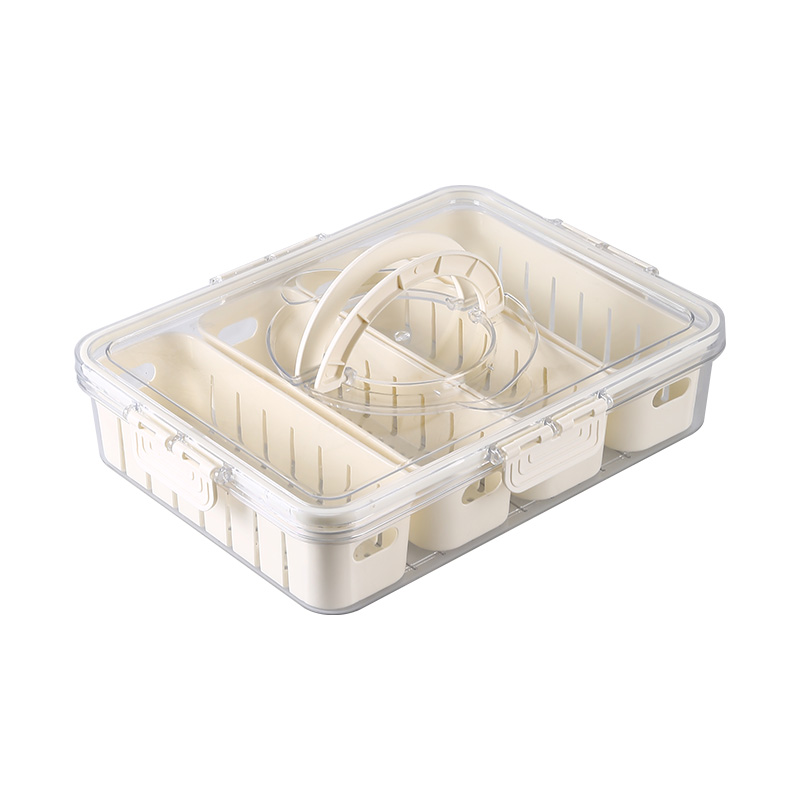
PP Material Handheld Fresh-Keeping Sealed Box Dry Food Classification Storage Box
-
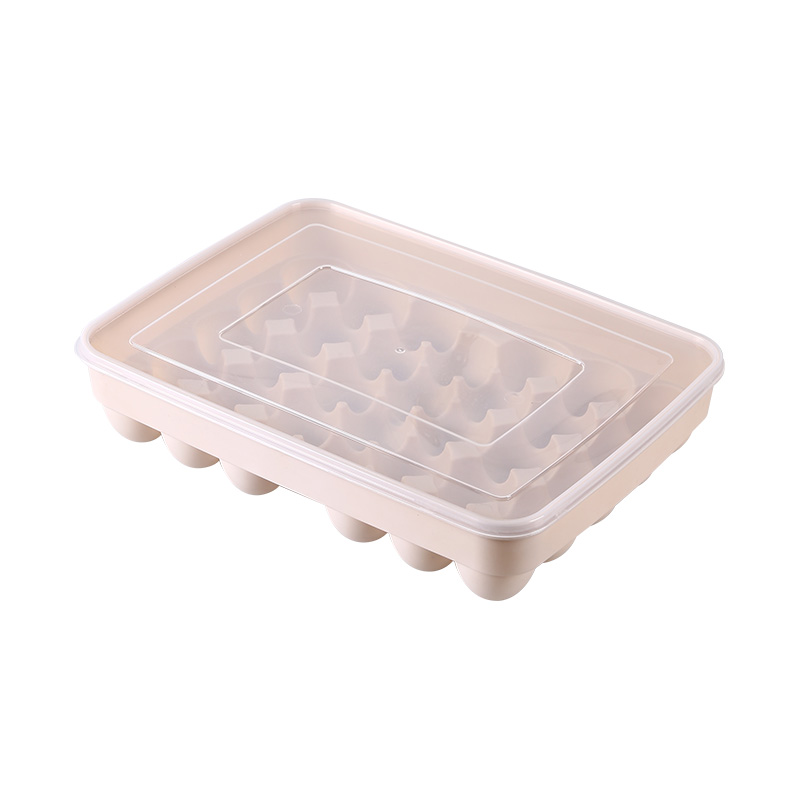
Refrigerator Storage Multi-Grid Egg Box Can Be Stacked With Cover To Food Preservation Box
-
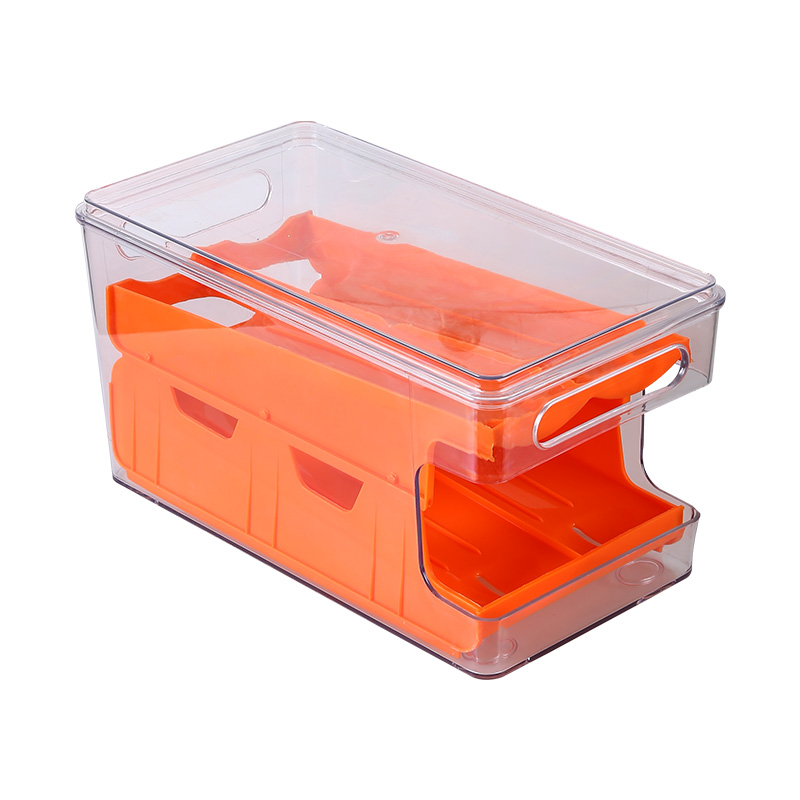
Dual-Layer Transparent Egg Storage Rack Eco-Friendly Slide-Type Household Kitchen

 No. 7 Yicheng Middle Road, Anzhou Street, Xianju, Taizhou, Zhejiang, China.
 +86-0576-89370898
Copyright© Taizhou Soudelor Plastic Industry Co., Ltd. All Rights Reserved.
ECO Friendly Plastic Products Factory
