
 English
 中文简体
中文简体 Deutsch


Is Wheat Straw Tableware Truly Plastic-Free or Hybrid
Wheat straw material tableware has become a widely used alternative in household dining products, especially plates, bowls, cups, and cutlery. The surface often appears natural and matte, which creates the impression of a fully plant-based item. Reality behind the material structure is more complex, and many buyers are unaware that the composition can vary significantly between brands and product lines.
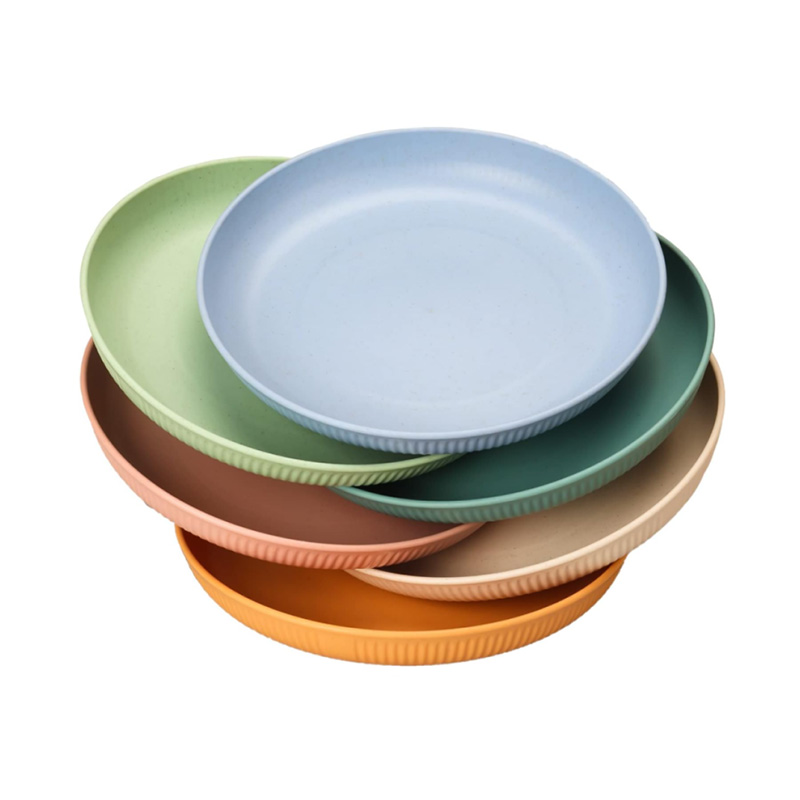
Material structure behind the product
Wheat straw material tableware is not a single uniform substance. It is a composite formed by blending agricultural wheat stalk fibers with binding agents.
Typical composition range observed in commercial products:
- Wheat straw fiber: about 30% to 70%
- Binding polymers: about 30% to 50%
The binding agents are usually food-grade polypropylene (PP) or polylactic acid (PLA). These components give the product shape stability, water resistance, and durability under daily use conditions.
Without these binders, wheat straw fibers alone cannot maintain rigid molded shapes for long-term use or repeated washing cycles.
Why “plastic-free” claims are often misleading
Marketing descriptions sometimes highlight “natural fiber” or “eco-friendly material,” which creates confusion about whether plastic is involved.
Key clarification points:
- Wheat straw itself is a plant-based byproduct from grain harvesting
- Structural integrity depends on polymer binders in most commercial products
- Even high-fiber versions still rely on synthetic resins for molding stability
Some products labeled as wheat straw items may behave similarly to conventional plastic because the binder portion determines heat resistance and rigidity more than the fiber content.
A composite with PP resin behaves chemically closer to standard polypropylene tableware, while PLA-based versions follow a different degradation pathway under industrial composting conditions.
Heat resistance and usage boundaries
Performance characteristics vary based on formulation, but general industry ranges are consistent:
- Microwave tolerance: up to around 100°C–120°C (short duration heating)
- Dishwasher tolerance: 50°C–70°C wash cycles
- Structural stability: maintained across roughly 40–60 repeated washes in typical testing conditions
Beyond these limits, deformation or surface roughening may occur, especially in lower-grade composites.
Hot oil, open flame exposure, or oven use is not suitable due to polymer softening behavior.
Chemical safety considerations
Most wheat straw material tableware products are marketed as BPA-free because BPA is associated with older polycarbonate plastics.
Important technical points:
- BPA absence does not automatically mean zero chemical migration risk
- PP and PLA binders are generally considered food-grade materials
- Heat exposure increases potential for minor compound migration in composite plastics
Regulatory discussions in several regions have highlighted uncertainty around long-term safety of mixed fiber-plastic tableware under high-temperature food contact conditions .
The wheat straw fiber itself is not the primary chemical concern. The binder matrix plays the dominant role in food-contact stability.
Differences between product categories
Wheat straw material tableware available in the market can generally be grouped into three categories:
High fiber composite products
- Higher proportion of wheat straw fiber
- Matte texture, lighter weight
- Still contains polymer binders for shaping
Standard PP blended tableware
- More plastic-like performance
- Stronger heat resistance
- Wheat straw content mainly serves as filler material
PLA-based bio-composites
- Plant-derived resin system
- Better compostability under industrial conditions
- More sensitive to heat deformation
These differences explain why two products with similar naming can feel and perform completely differently.
Practical understanding of “hybrid material”
Calling wheat straw material tableware fully plastic-free is inaccurate in most commercial contexts. A more precise classification is:
- Bio-based composite material (fiber + polymer system)
- Not pure plastic, but not purely natural fiber either
- Performance depends heavily on binder ratio and processing method
The hybrid structure is intentional, designed to balance moldability, cost control, and usability in daily household environments.
Wheat straw composites sit in a middle category between conventional plastics and purely biodegradable natural materials. Understanding the internal structure helps avoid misleading expectations and supports more accurate evaluation of durability, safety, and real-world performance.
Hot Products
-
Plastic Pants Hanger (3 Bars)
-
Plastic Chopping Board Food Cutting Block Mat Tool
-
Food Storage Container For Adult Kids All-In-One Lunch Box
-
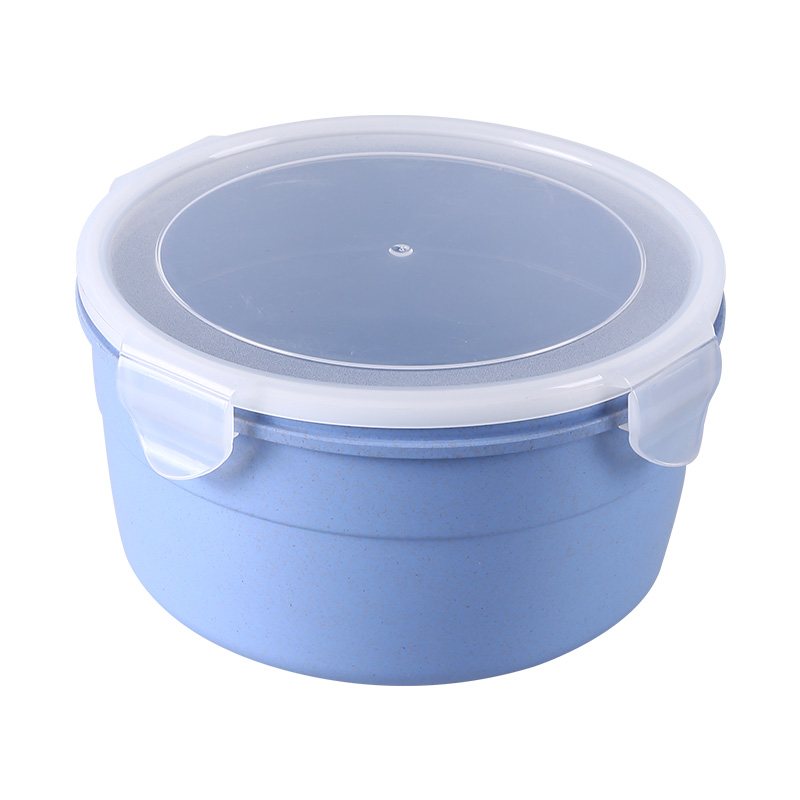
Mini Round Food Preservation Box
-
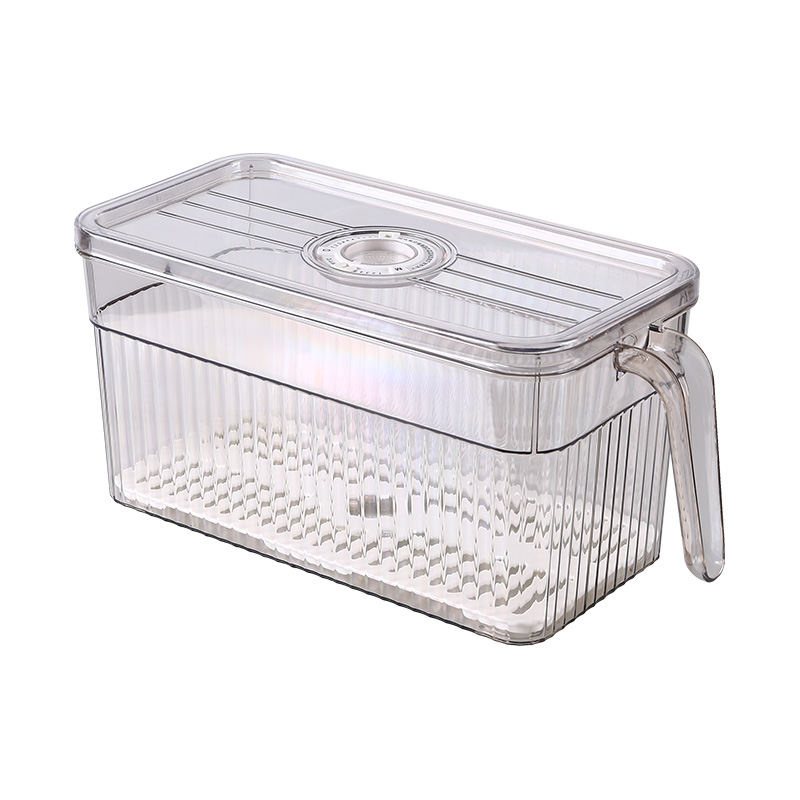
Refrigerator Storage Box Freezer Handle Storage Container
-
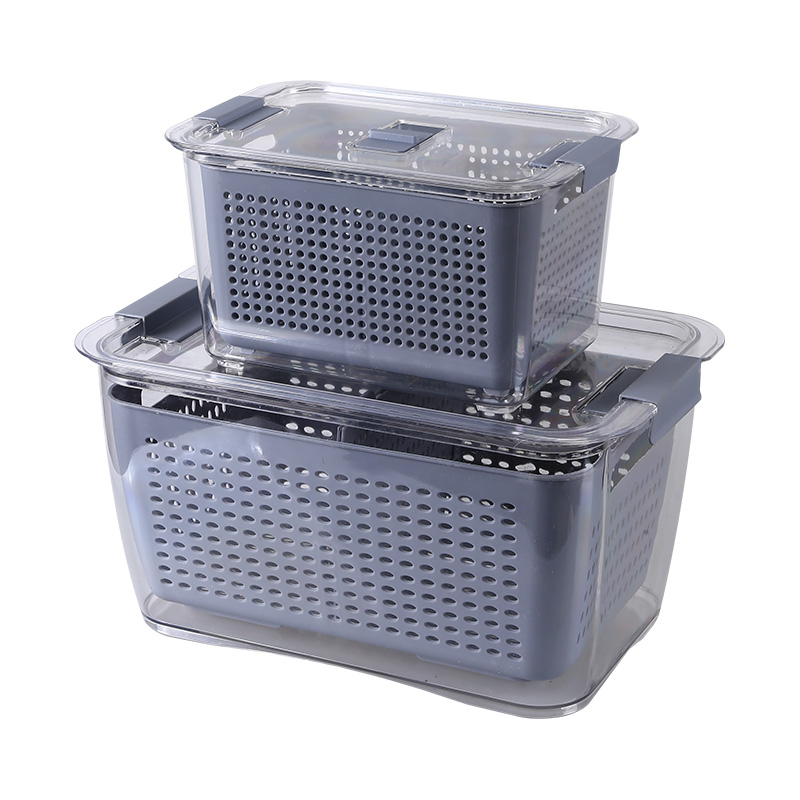
1pc Refrigerator Storage Box With Lid And Drain Basket Fruit Storage Containers Transparent Saver Container Food Organizer Bins
-
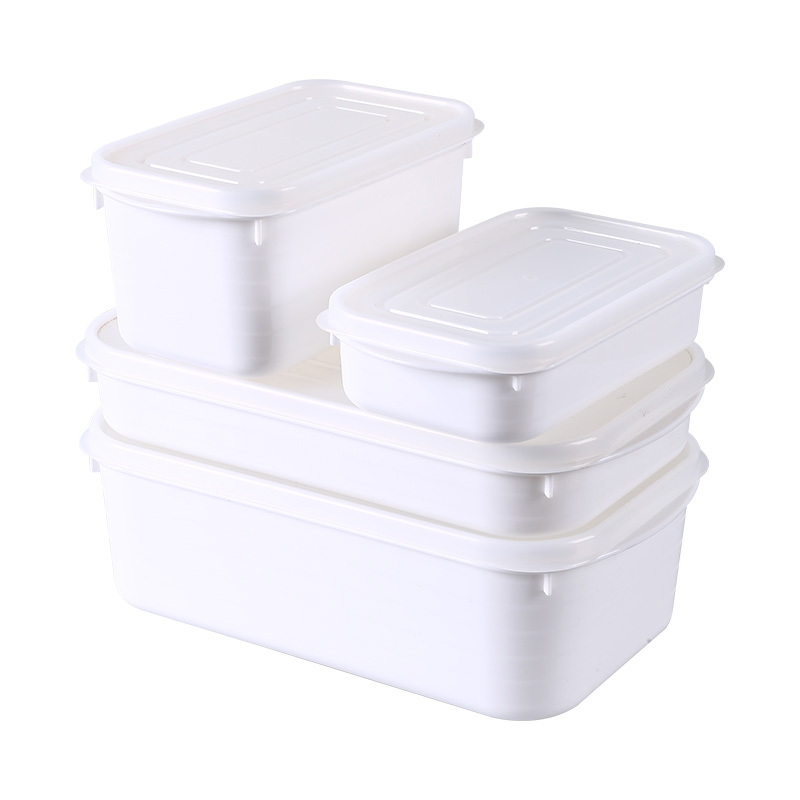
Food Storage Large Capacity Fresh-Keeping Eco Reusable Box Bento Food Leakproof Container
-
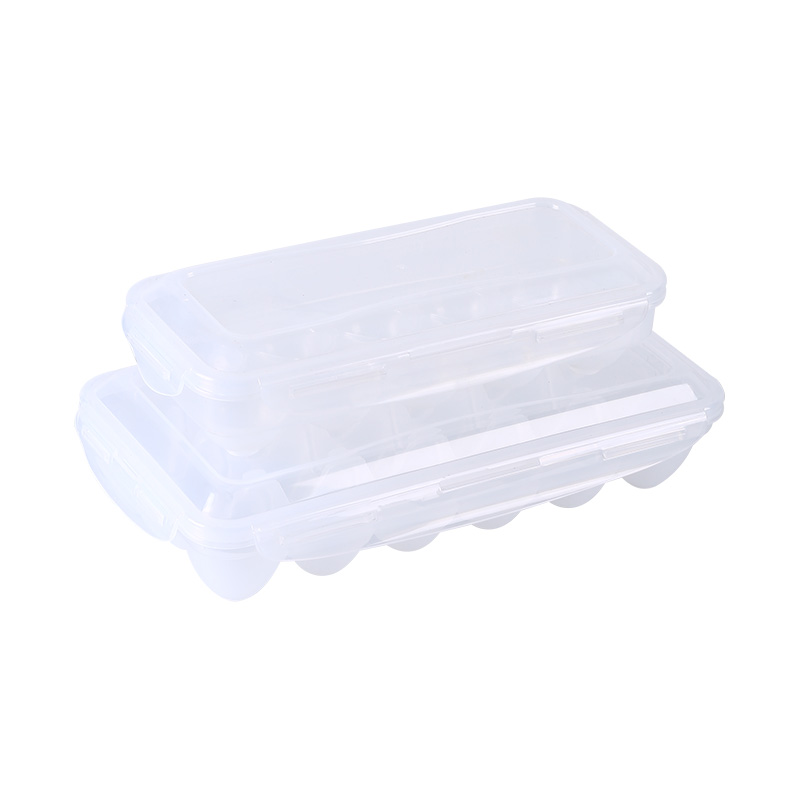
PP Plastic Egg Tray Storage Box
-
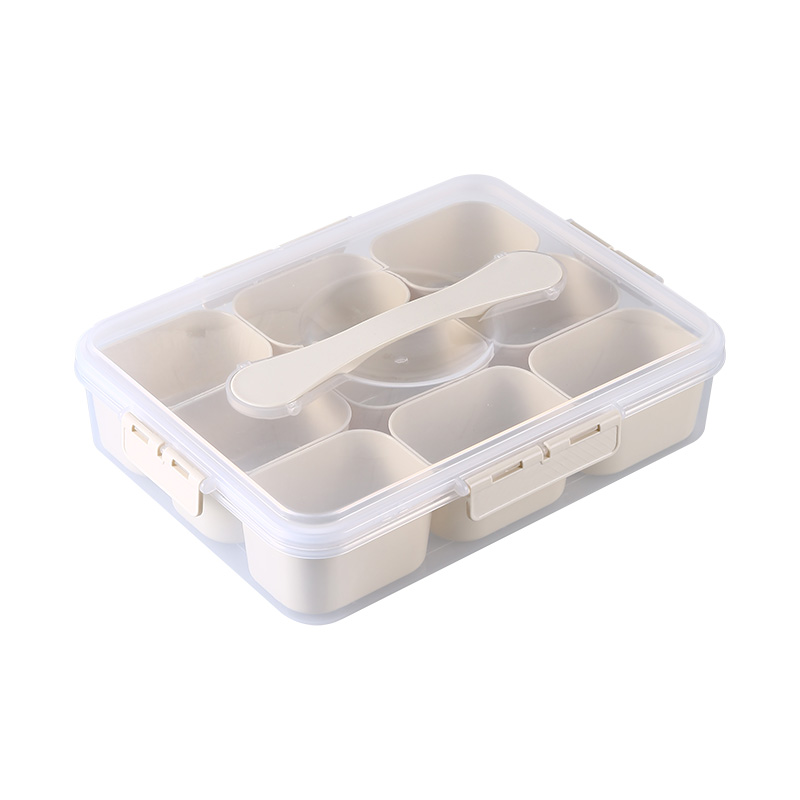
9 Compartment Divided Serving Tray With Lid And Handle Dried Fruit Storage Box
-
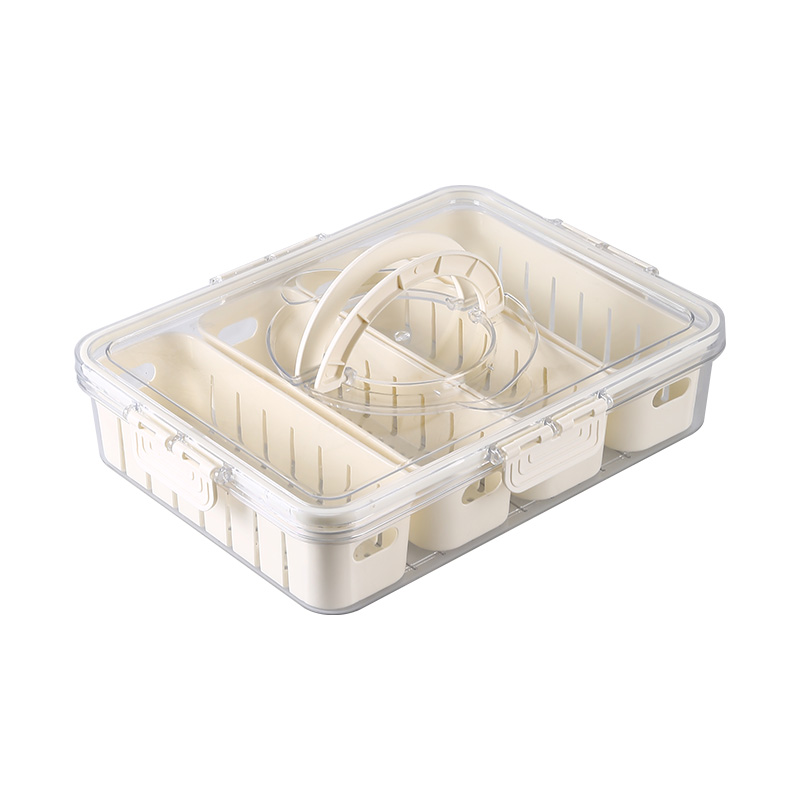
PP Material Handheld Fresh-Keeping Sealed Box Dry Food Classification Storage Box
-
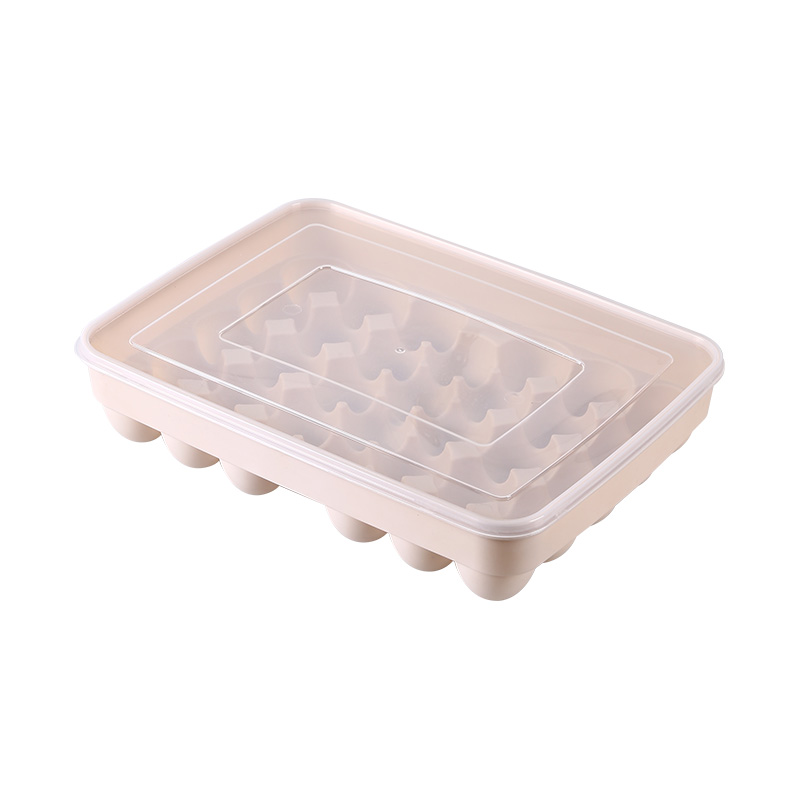
Refrigerator Storage Multi-Grid Egg Box Can Be Stacked With Cover To Food Preservation Box
-
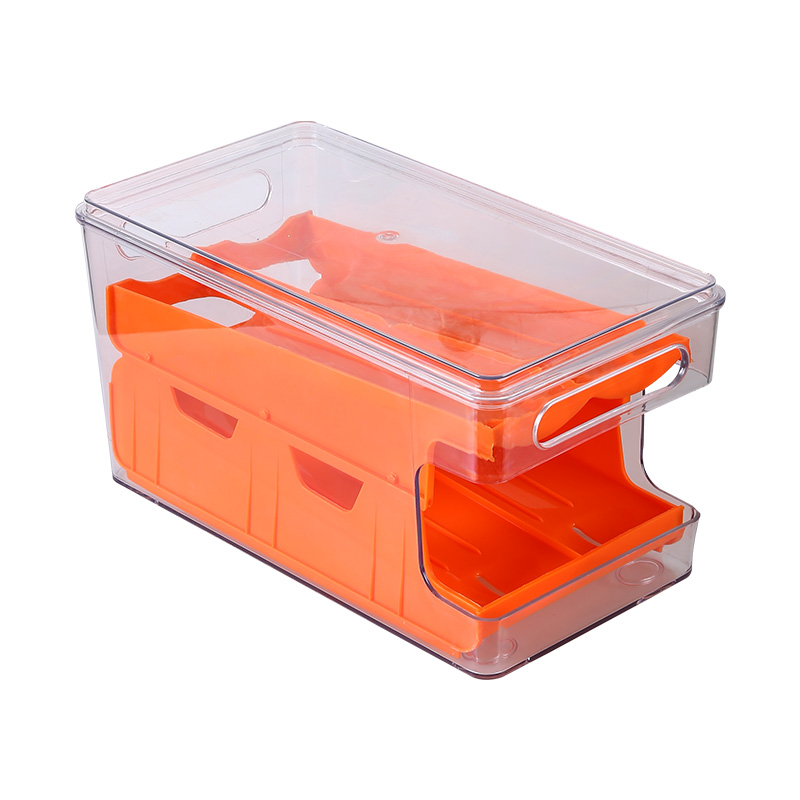
Dual-Layer Transparent Egg Storage Rack Eco-Friendly Slide-Type Household Kitchen

 No. 7 Yicheng Middle Road, Anzhou Street, Xianju, Taizhou, Zhejiang, China.
 +86-0576-89370898
Copyright© Taizhou Soudelor Plastic Industry Co., Ltd. All Rights Reserved.
ECO Friendly Plastic Products Factory
