
 English
 中文简体
中文简体 Deutsch

Do PS Wine Glasses Look Elegant Like Glass
PS wine glass has become a widely used alternative in event catering, outdoor dining, and casual gatherings where traditional glassware is not practical. Interest around this material usually centers on visual appearance, surface clarity, and how closely it can replicate the experience of real glass. Polystyrene-based drinkware sits in a unique position between disposable convenience and reusable presentation-grade products, which makes its design quality a key discussion point.
A closer look at material behavior, optical performance, and structural design helps explain why it is often chosen for settings that still require visual refinement.
Optical clarity and visual impression under lighting
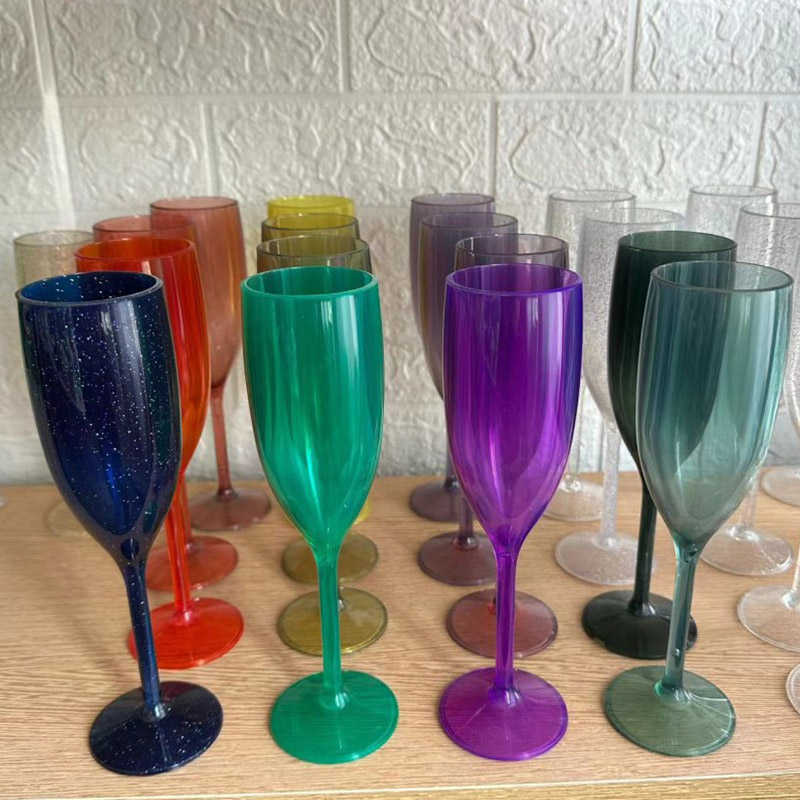
Polystyrene used in PS wine glass is engineered for high transparency, often reaching light transmission levels close to 88–92% depending on manufacturing grade. This allows the surface to mimic glass-like refraction, especially under indoor lighting or controlled event environments.
Observed visual characteristics include:
- Clear body with mild synthetic sheen under strong light sources
- Slight edge distortion at thicker rim zones due to injection molding
- High brightness reflection in LED or spotlight conditions
- Reduced optical depth compared with crystal glass
Event designers often rely on these properties to maintain table presentation standards while avoiding the fragility of real glass. Under soft ambient lighting, the difference between PS material and glass becomes less noticeable, especially at a moderate viewing distance.
Surface finish and perception of refinement
The perceived elegance of drinkware depends not only on transparency but also on surface texture and edge finishing. PS wine glass typically uses injection molds with polished cavity surfaces to achieve a smooth exterior.
Common design features include:
- Seam lines minimized along stem or bowl junction
- Smooth rim finishing to reduce visual interruption at the drinking edge
- Slightly thicker base for structural balance on flat surfaces
- Uniform wall thickness ranging around 1.2–2.0 mm in standard models
While traditional glass often carries sharper light refraction at edges, PS material creates a softer reflection profile. This gives it a more subdued visual character, which can be interpreted as either modern minimalism or reduced luxury depending on context.
Structural design supporting glass-like appearance
A major factor influencing elegance is proportion. PS wine glass products are typically designed following classical wine glass geometry, including a tapered bowl, narrow stem, and stable base.
Typical dimensional ranges include:
- Capacity: 150 ml to 300 ml
- Height: approximately 140–190 mm
- Bowl diameter: 60–85 mm
- Base thickness: reinforced zone around 2–3 mm for stability
The replication of traditional proportions allows the product to maintain familiar visual cues associated with wine service. Even though the material differs, silhouette consistency plays a major role in perceived sophistication.
Material limitations affecting visual luxury
Despite improvements in molding technology, PS material still presents certain optical constraints that distinguish it from real glass or polycarbonate alternatives.
Key limitations include:
- Slight haze under direct sunlight exposure
- Lower refractive sharpness compared with soda-lime glass
- Surface micro-scratch sensitivity after repeated handling
- Reduced depth perception in red or dark beverages
These characteristics do not prevent the product from looking presentable, yet they influence how closely it matches premium glassware aesthetics in fine dining environments.
Performance in event and hospitality settings
PS wine glass is often used in environments where breakage risk or fast service flow matters more than long-term luxury presentation. Its appearance is designed to remain visually acceptable across large-scale usage scenarios.
Common application contexts include:
- Outdoor weddings and garden receptions
- Festival beverage service stations
- Hotel poolside or rooftop bars
- Catering events with high guest turnover
Under these conditions, uniformity and safety often outweigh fine optical precision. The material maintains consistent appearance across large batches, which supports table coordination and visual rhythm in event layouts.
Comparison with glass perception standards
From a visual psychology perspective, people associate elegance with weight, clarity depth, and edge sharpness. PS wine glass replicates some of these cues but not all.
Differences noticeable during close inspection:
- Glass shows sharper internal light refraction
- PS material produces flatter highlight transitions
- Glass edges appear thinner due to higher structural strength
- PS stems feel slightly bulkier to ensure stability
At conversational distance, however, these differences become significantly less pronounced, especially in environments with controlled lighting and decorative table setups.
Hot Products
-
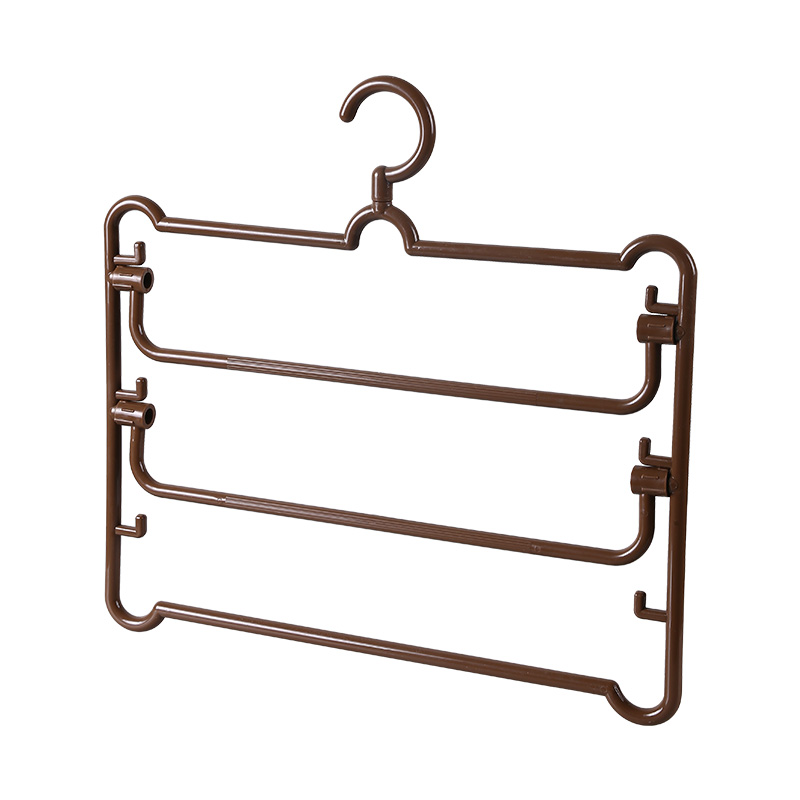
Plastic Pants Hanger (3 Bars)
-
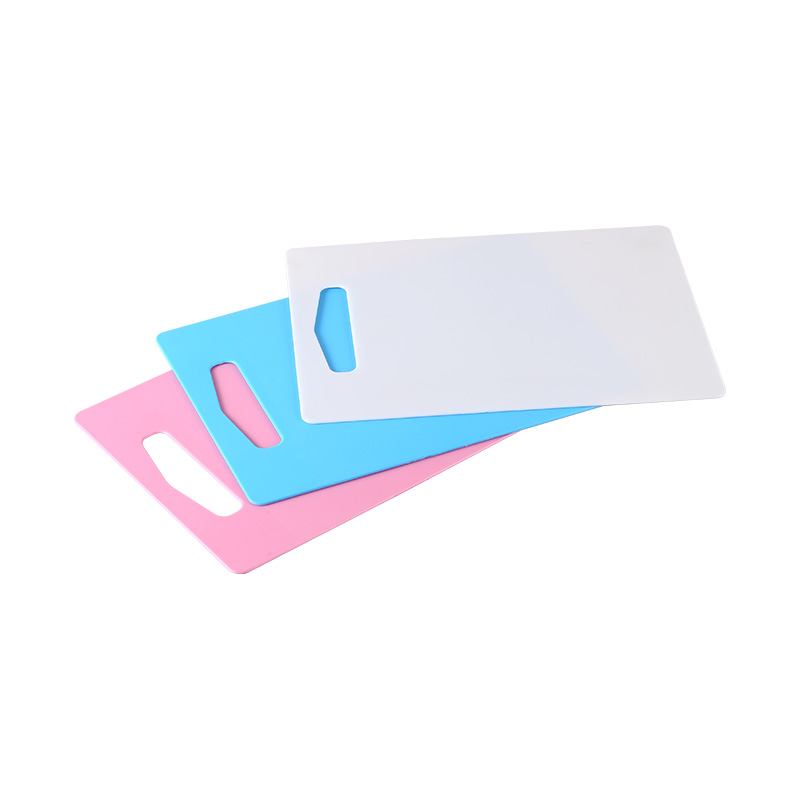
Plastic Chopping Board Food Cutting Block Mat Tool
-
Food Storage Container For Adult Kids All-In-One Lunch Box
-
Mini Round Food Preservation Box
-
Refrigerator Storage Box Freezer Handle Storage Container
-
1pc Refrigerator Storage Box With Lid And Drain Basket Fruit Storage Containers Transparent Saver Container Food Organizer Bins
-
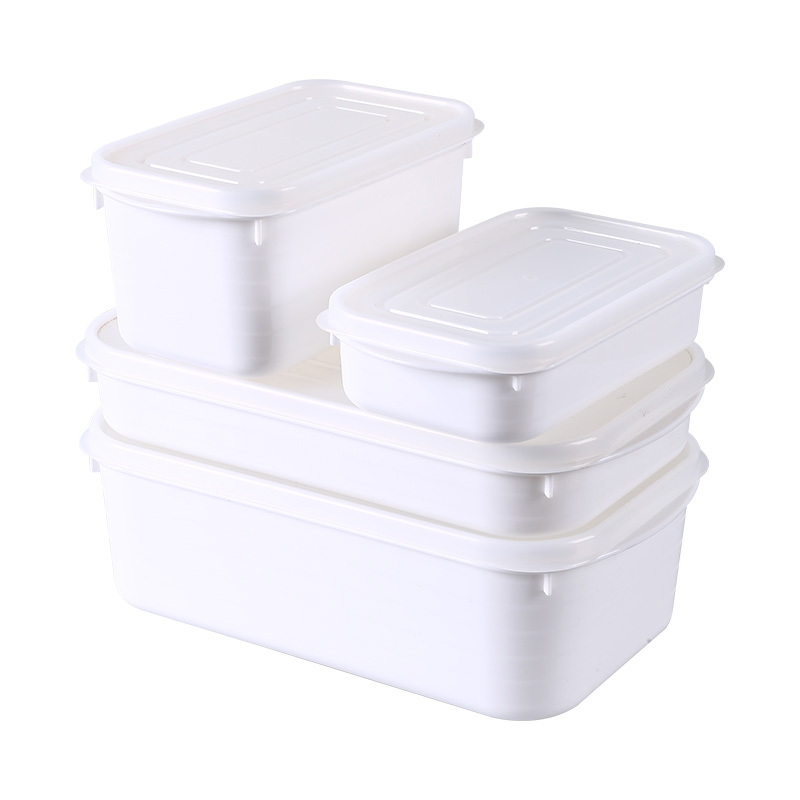
Food Storage Large Capacity Fresh-Keeping Eco Reusable Box Bento Food Leakproof Container
-
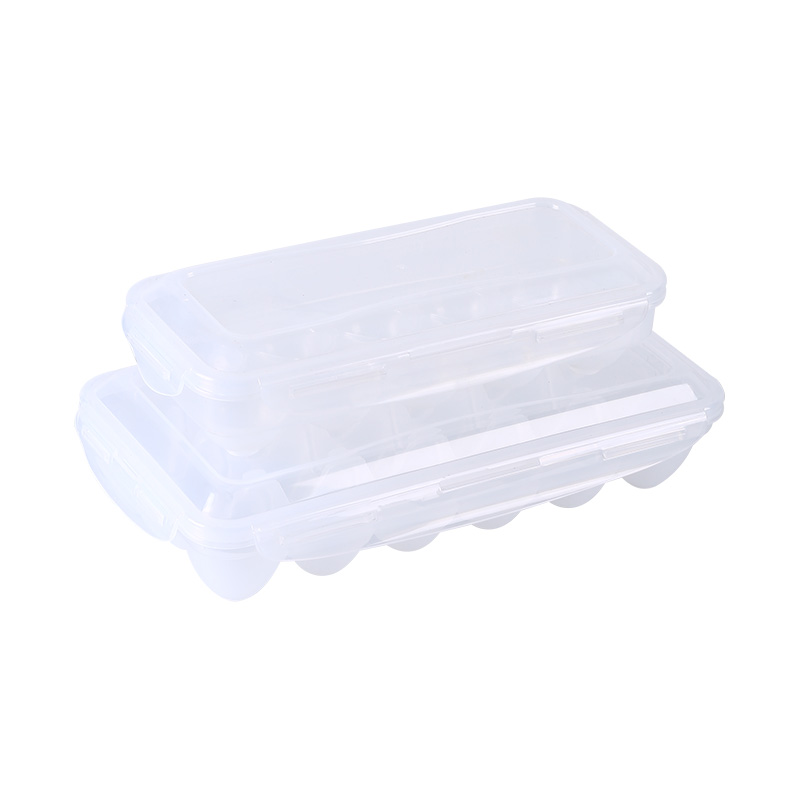
PP Plastic Egg Tray Storage Box
-
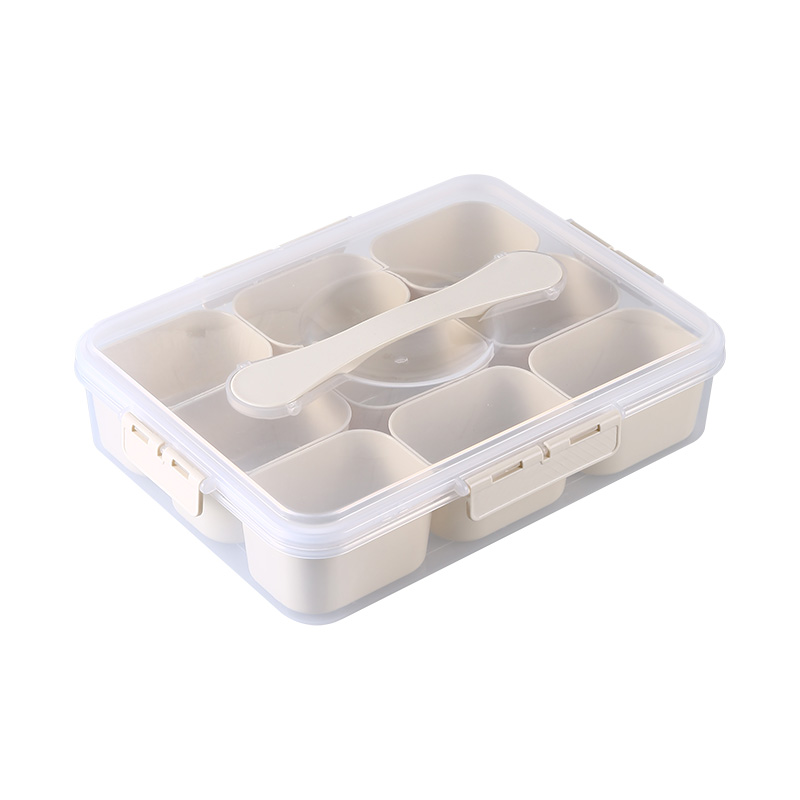
9 Compartment Divided Serving Tray With Lid And Handle Dried Fruit Storage Box
-
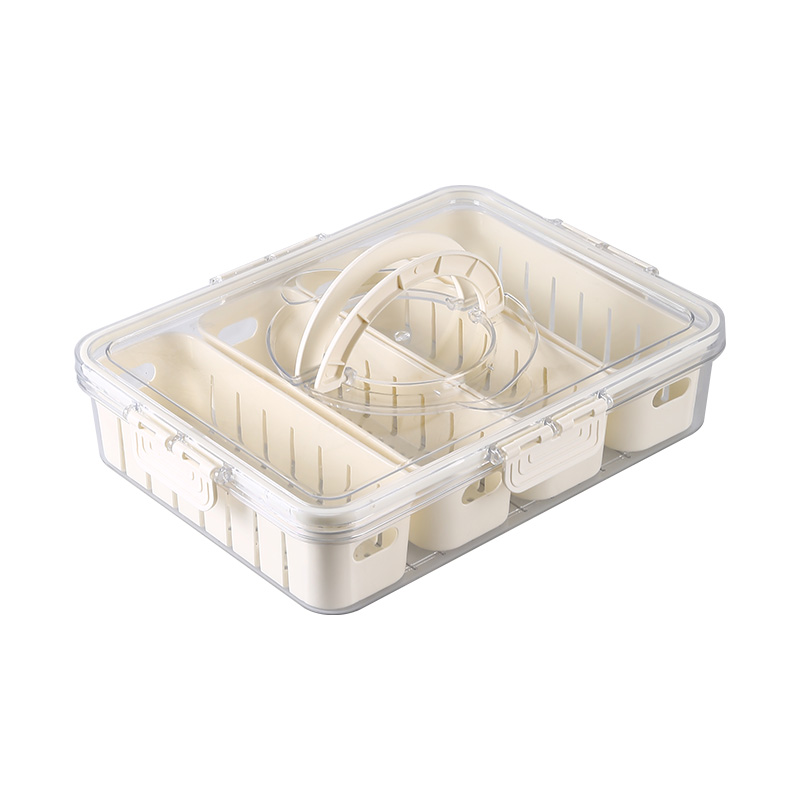
PP Material Handheld Fresh-Keeping Sealed Box Dry Food Classification Storage Box
-
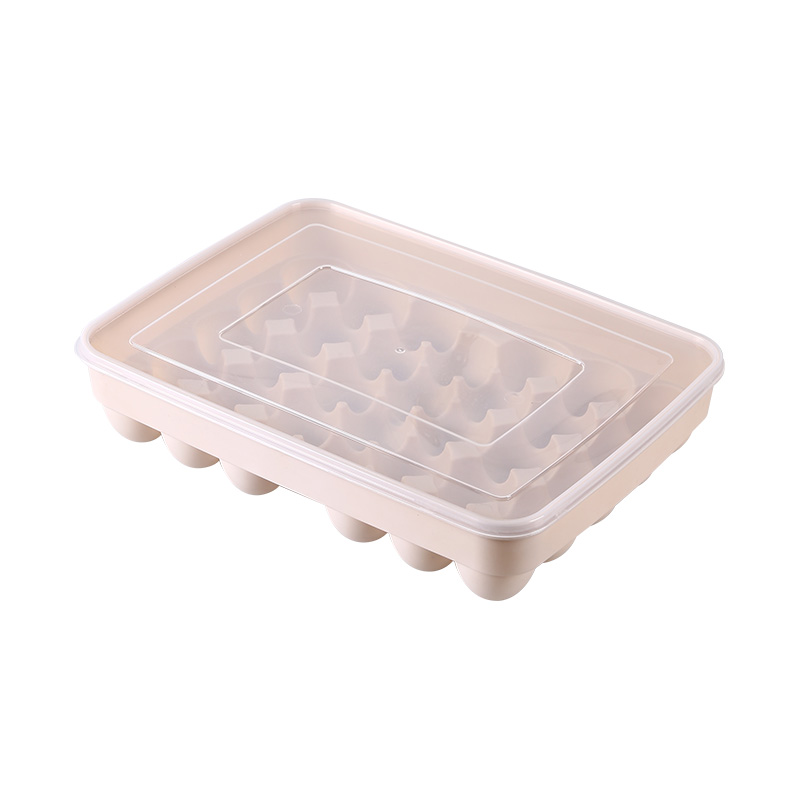
Refrigerator Storage Multi-Grid Egg Box Can Be Stacked With Cover To Food Preservation Box
-
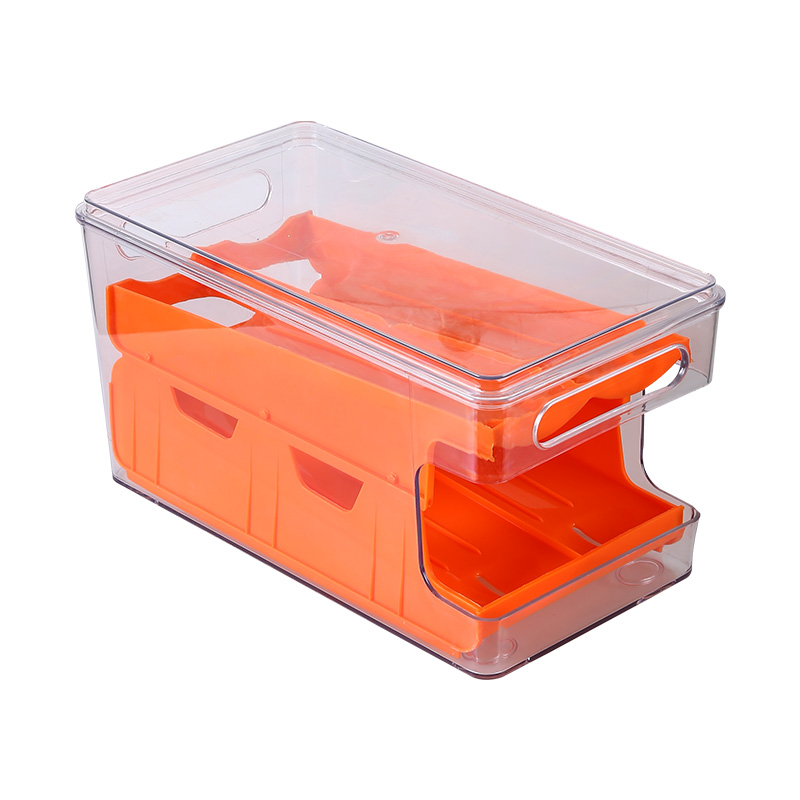
Dual-Layer Transparent Egg Storage Rack Eco-Friendly Slide-Type Household Kitchen
 No. 7 Yicheng Middle Road, Anzhou Street, Xianju, Taizhou, Zhejiang, China.
 +86-0576-89370898
Copyright© Taizhou Soudelor Plastic Industry Co., Ltd. All Rights Reserved.
ECO Friendly Plastic Products Factory
