
 English
 中文简体
中文简体 Deutsch


Plastic Water Cups Provide a Cost-Effective Option for Businesses
In many industries, from hospitality to events and catering, the demand for Plastic Water Cup is steady. These cups are designed to be lightweight, durable, and convenient, making them a popular choice for businesses that serve beverages in high volumes. Understanding their design, benefits, and sourcing considerations helps B2B buyers make informed decisions.
A plastic water cup is a reusable or disposable vessel for serving water and other beverages. Manufacturers design these cups to withstand normal handling while providing a safe, hygienic container for liquids. They come in various sizes, shapes, and colors, making them versatile for different settings.
Key features include:
- Material Safety – High-quality plastics such as polypropylene (PP) or polyethylene terephthalate (PET) ensure the cup is food-safe and BPA-free.
- Durability – Resistant to cracking or deformation during normal use.
- Lightweight Design – Easy to handle and transport, reducing shipping costs.
- Stackable Form – Allows for efficient storage and easy dispensing.
Advantages for Businesses
From a manufacturer and supplier perspective, plastic water cups offer several benefits:
- Cost-Effective – Affordable production and bulk availability reduce overall expenses.
- Hygienic and Safe – Single-use cups or properly sanitized reusable cups minimize contamination risk.
- Versatile Applications – Suitable for restaurants, hotels, hospitals, offices, and outdoor events.
- Customizable – Cups can be printed with logos, colors, or patterns for branding purposes.
- Lightweight and Easy to Store – Reduces logistical challenges for businesses managing large inventories.
These benefits explain why plastic water cups are widely adopted in commercial and institutional settings.
Manufacturing Insights
The production of a plastic water cup involves several key steps:
- Material Selection – Choosing food-grade plastic that meets international safety standards.
- Molding Process – Injection molding or thermoforming ensures uniform thickness and shape.
- Quality Control – Each batch undergoes testing for durability, leakage, and safety compliance.
- Finishing – Edges are smoothed, and optional printing or labeling is applied.
- Packaging – Bulk packing for distributors or retail-ready packs for end customers.
Attention to these processes ensures that every plastic water cup meets performance expectations.
Applications Across Industries
Plastic water cups are used across multiple sectors:
- Hospitality and Catering – Quick and safe beverage service in restaurants or events.
- Corporate Offices – Providing water in break rooms or meetings without frequent washing.
- Healthcare Facilities – Ensures hygienic delivery of fluids for patients.
- Outdoor Events – Lightweight and disposable options for festivals, fairs, and sports events.
- Promotional Uses – Custom cups enhance brand recognition during marketing campaigns.
The versatility of plastic water cups makes them an essential item in business operations.
Considerations for B2B Buyers
When sourcing plastic water cups, buyers should evaluate:
- Material Quality – Ensure food-grade plastics that comply with safety standards.
- Size and Capacity – Choose cups suitable for the intended beverages and portion sizes.
- Durability – Consider the expected handling environment, especially for events or transport.
- Customization Options – Logo printing or color variations for branding purposes.
- Supplier Reliability – Confirm production capacity, lead times, and delivery reliability.
Proper selection and sourcing help ensure consistent quality and reduce operational challenges.
From a manufacturer's perspective, producing a Plastic Water Cup involves balancing safety, durability, and cost-efficiency. B2B buyers benefit from understanding material properties, production quality, and customization options.
Whether for hospitality, corporate, or event settings, plastic water cups provide a practical, hygienic, and flexible solution for serving beverages. By working with reliable manufacturers, businesses can secure high-quality cups that meet operational needs and support efficient service.
Hot Products
-
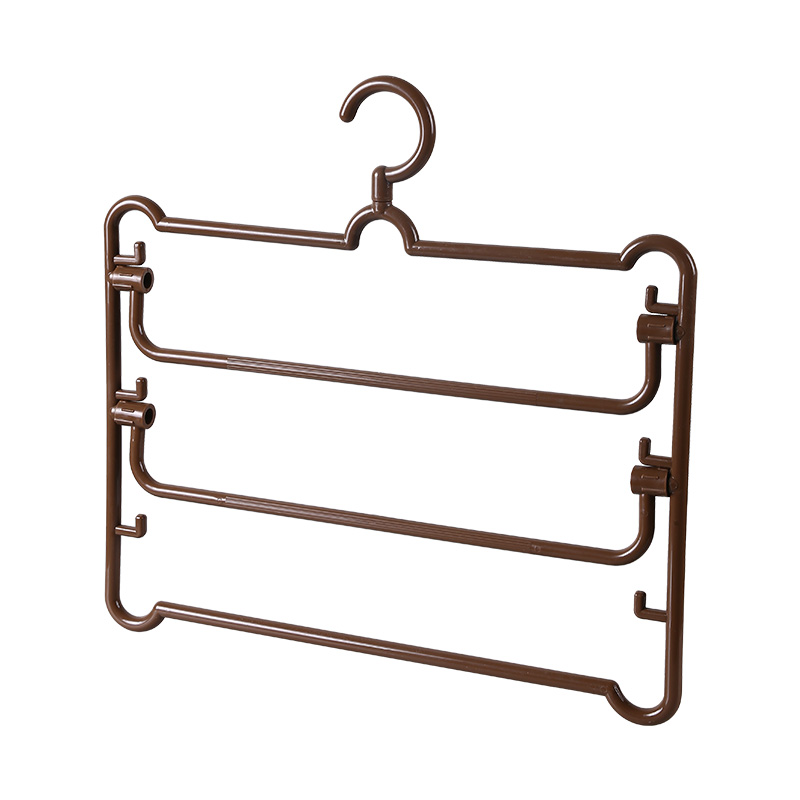
Plastic Pants Hanger (3 Bars)
-
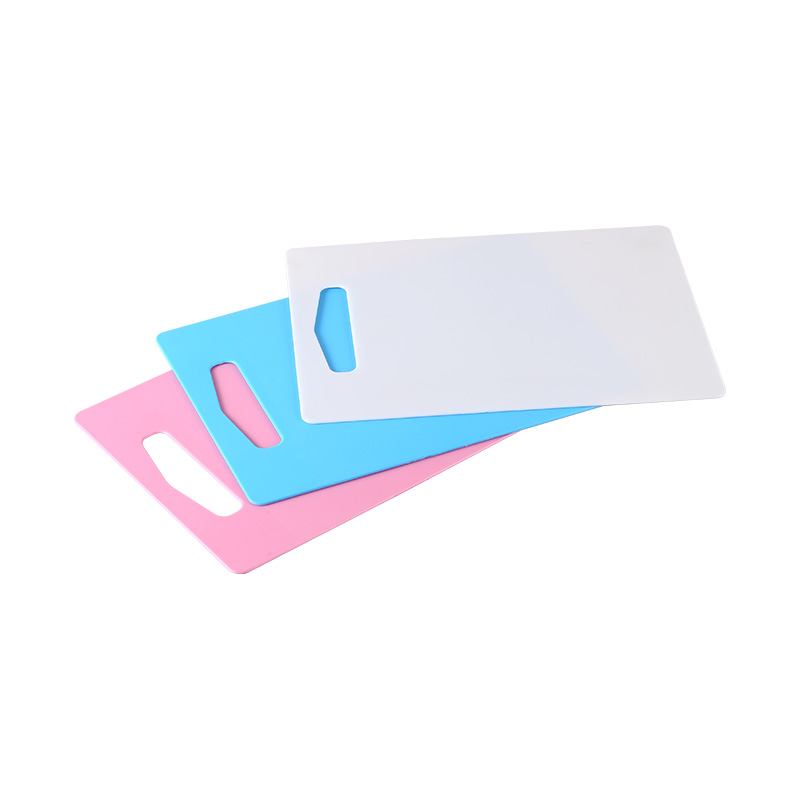
Plastic Chopping Board Food Cutting Block Mat Tool
-
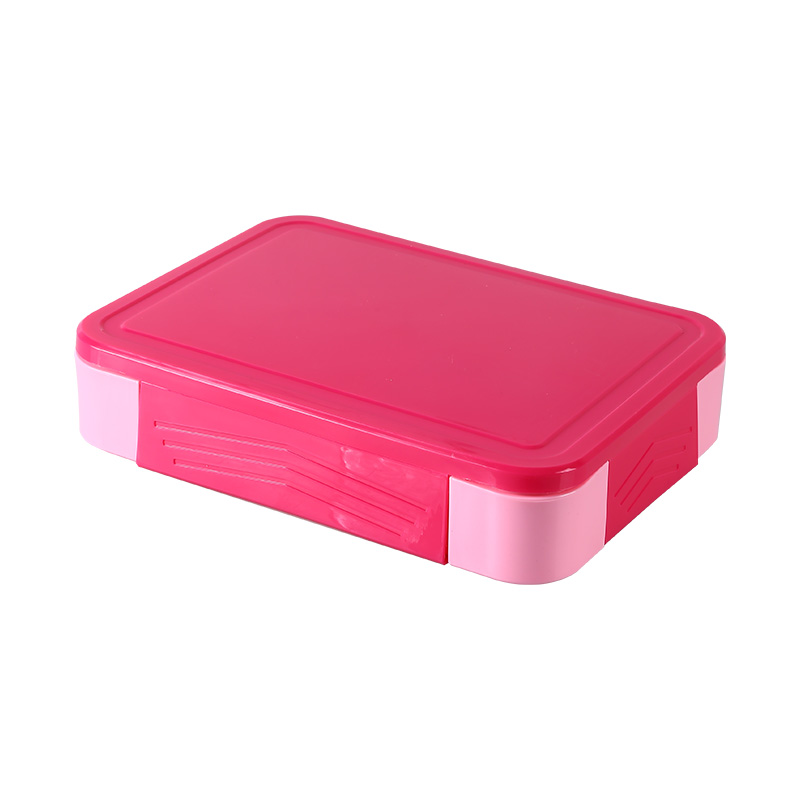
Food Storage Container For Adult Kids All-In-One Lunch Box
-
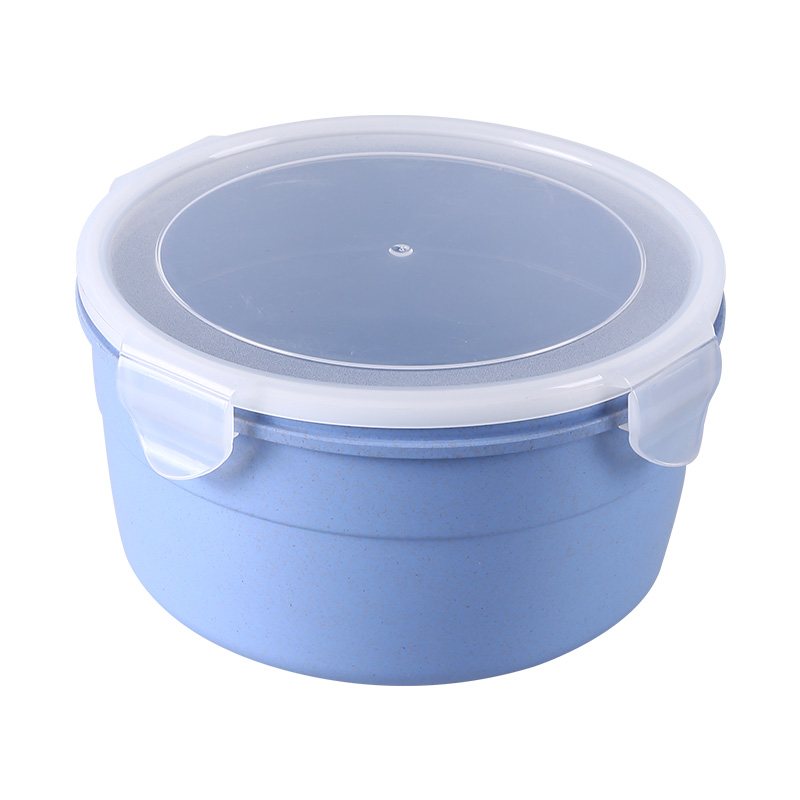
Mini Round Food Preservation Box
-
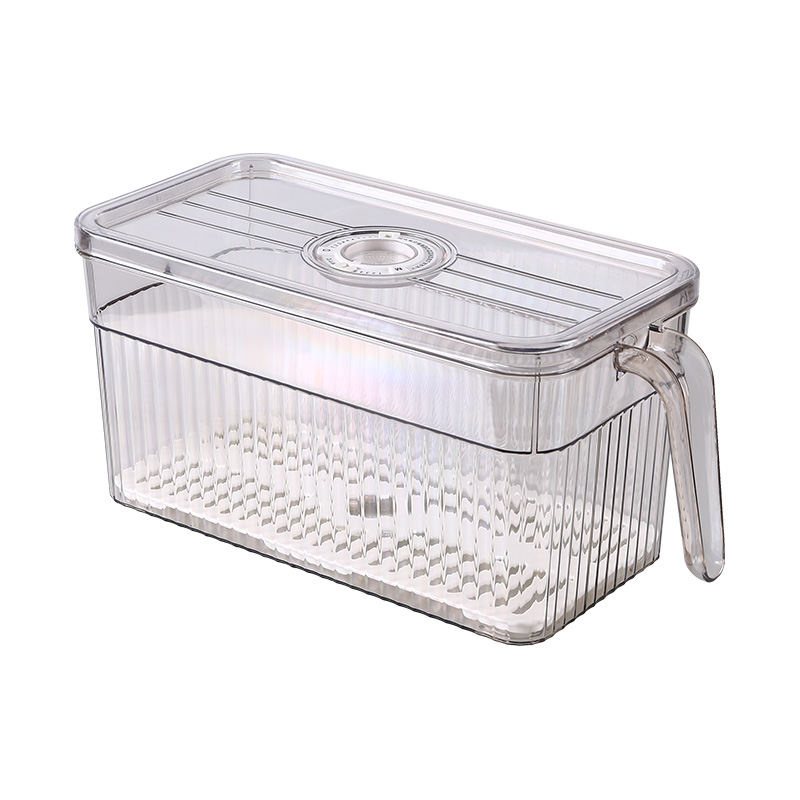
Refrigerator Storage Box Freezer Handle Storage Container
-
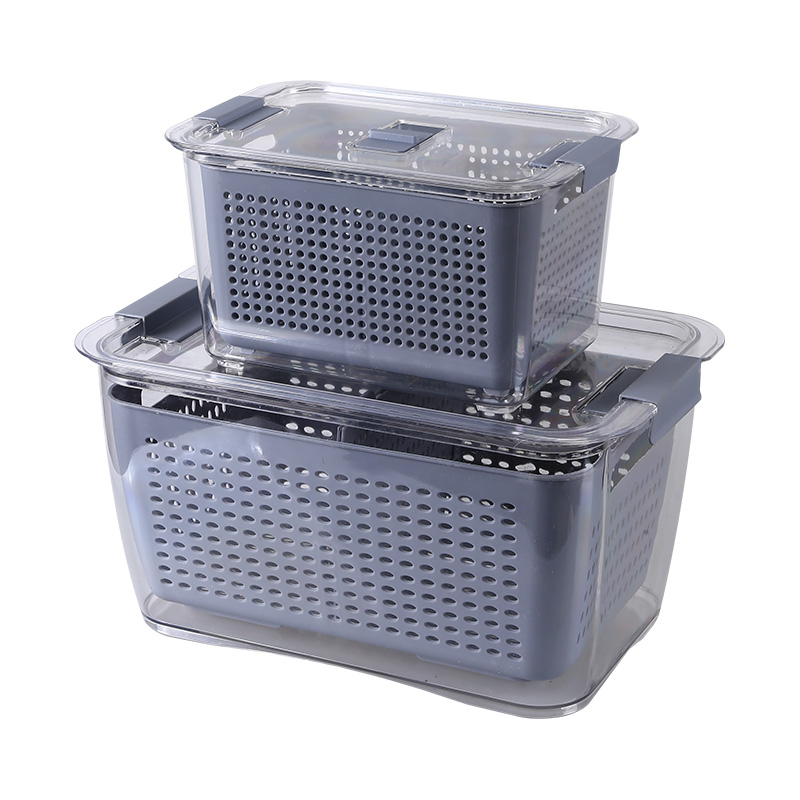
1pc Refrigerator Storage Box With Lid And Drain Basket Fruit Storage Containers Transparent Saver Container Food Organizer Bins
-
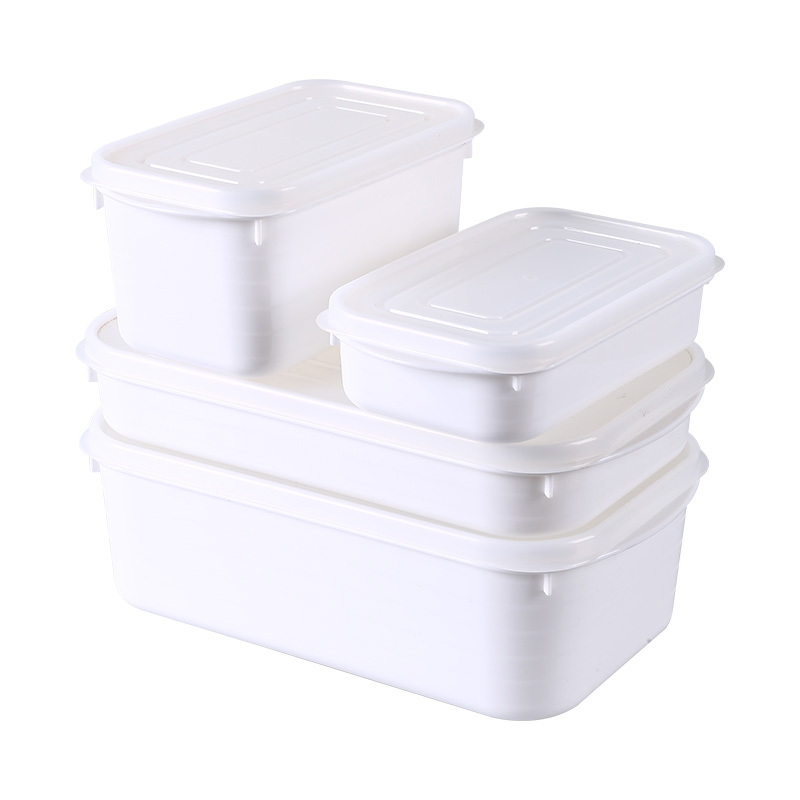
Food Storage Large Capacity Fresh-Keeping Eco Reusable Box Bento Food Leakproof Container
-
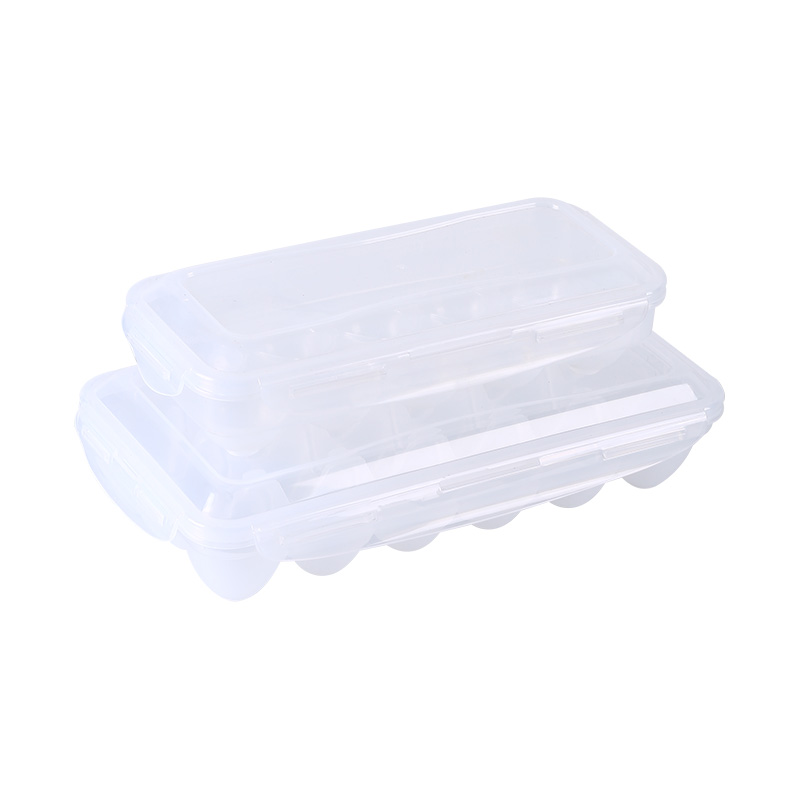
PP Plastic Egg Tray Storage Box
-
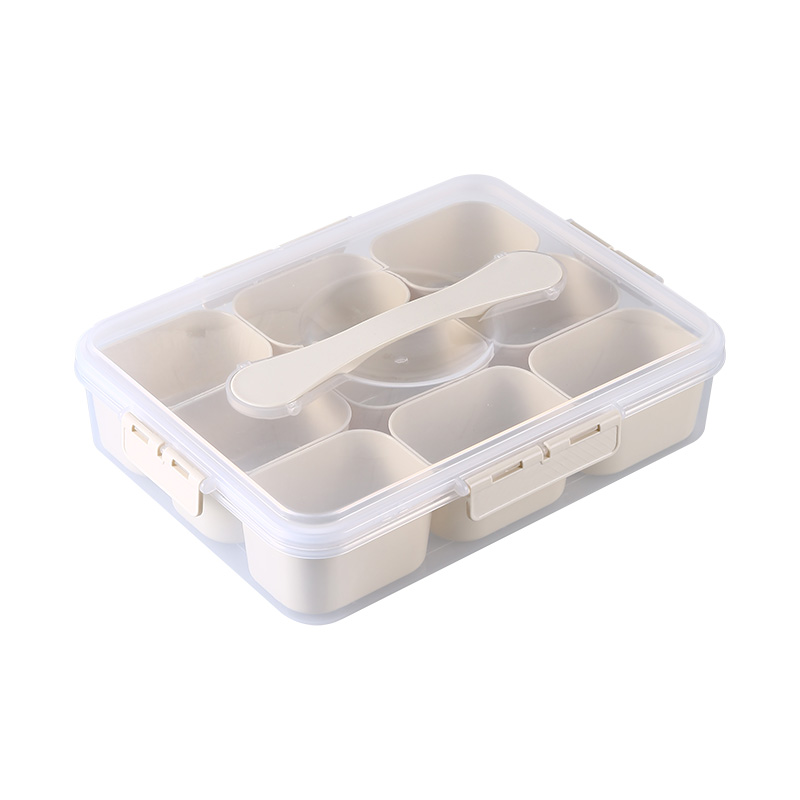
9 Compartment Divided Serving Tray With Lid And Handle Dried Fruit Storage Box
-
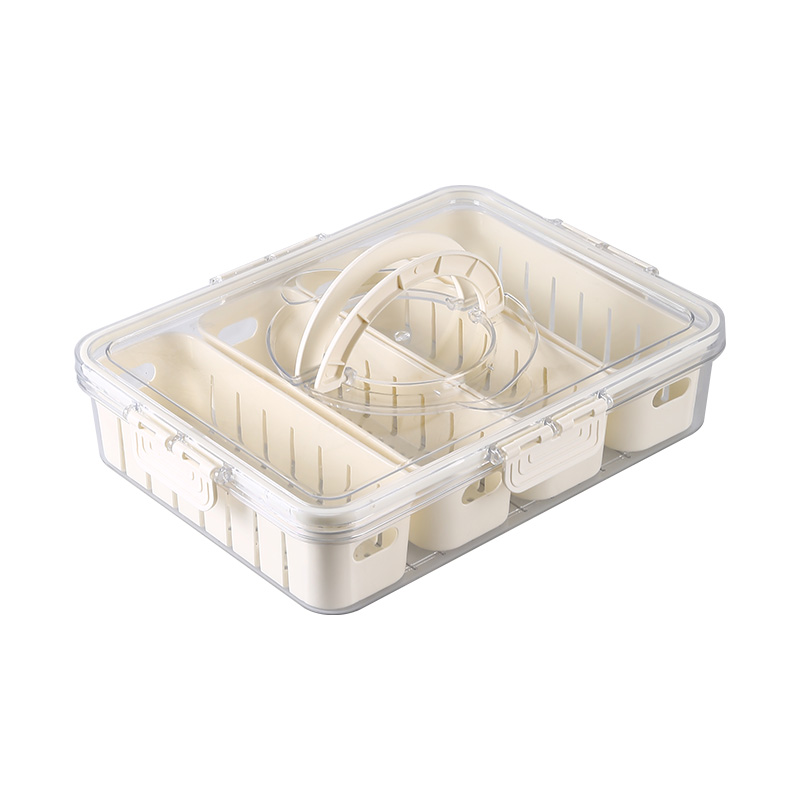
PP Material Handheld Fresh-Keeping Sealed Box Dry Food Classification Storage Box
-
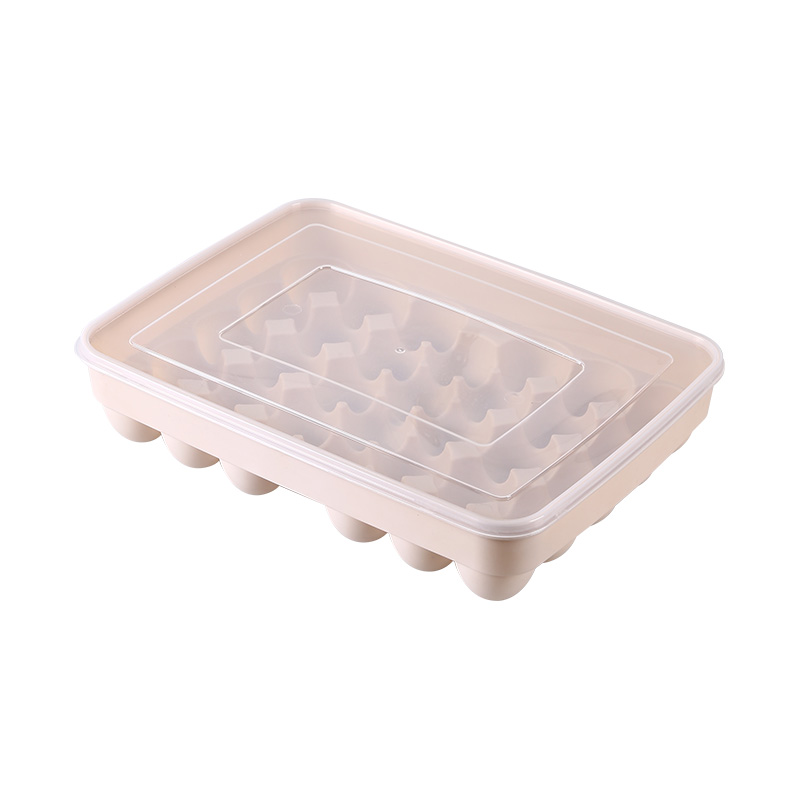
Refrigerator Storage Multi-Grid Egg Box Can Be Stacked With Cover To Food Preservation Box
-
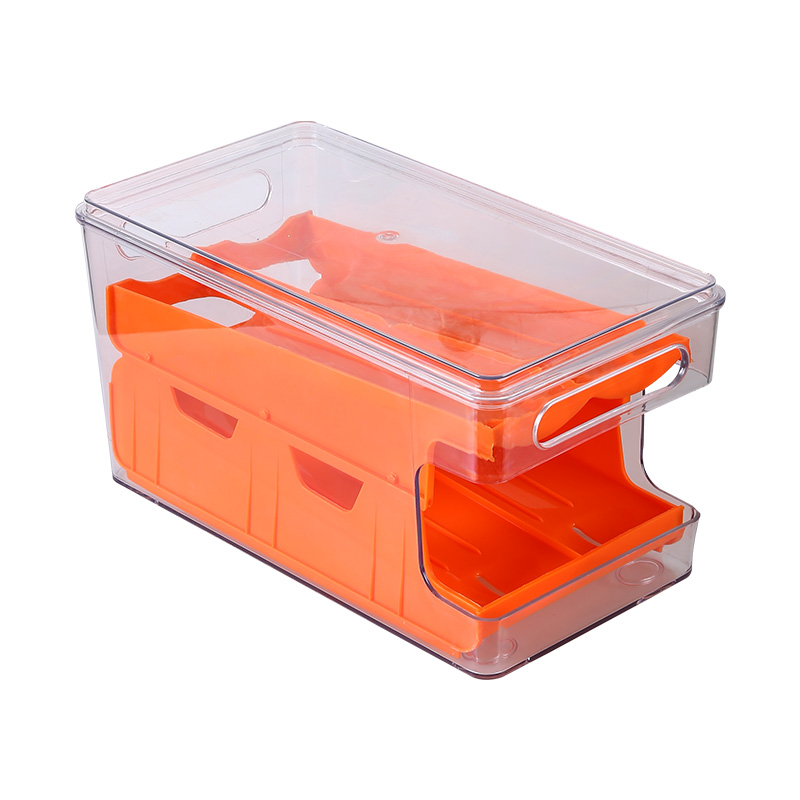
Dual-Layer Transparent Egg Storage Rack Eco-Friendly Slide-Type Household Kitchen

 No. 7 Yicheng Middle Road, Anzhou Street, Xianju, Taizhou, Zhejiang, China.
 +86-0576-89370898
Copyright© Taizhou Soudelor Plastic Industry Co., Ltd. All Rights Reserved.
ECO Friendly Plastic Products Factory
