
 English
 中文简体
中文简体 Deutsch


How Can Wheat Straw Material Tableware Benefit Eco-Friendly Restaurants?
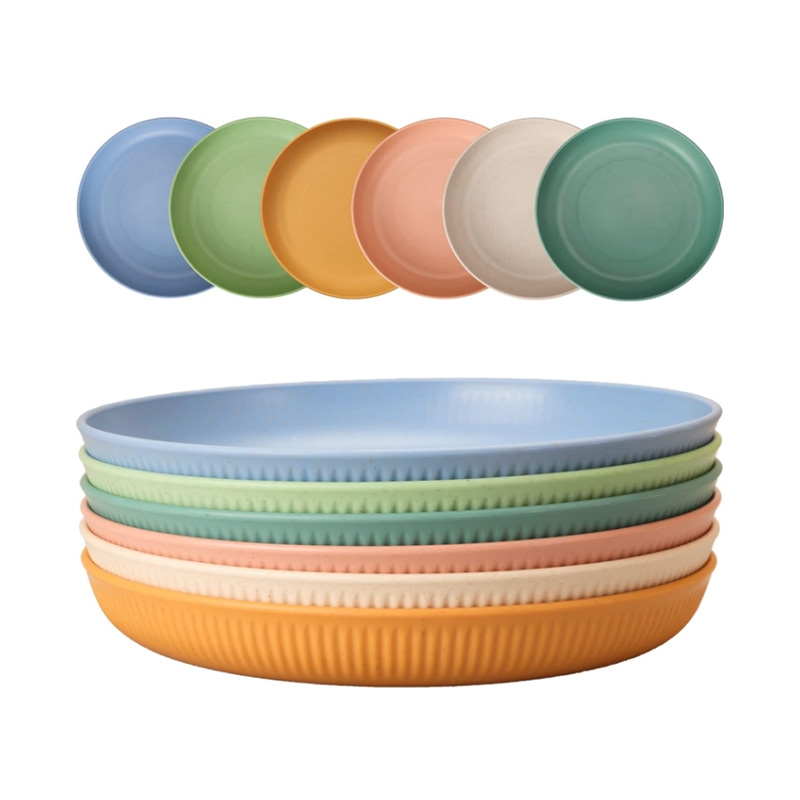
The demand for eco-friendly dining products has increased globally, and Wheat Straw Material Tableware has emerged as a sustainable alternative to traditional plastics. For manufacturers and B2B buyers, understanding the production, advantages, and applications of wheat straw tableware can guide procurement decisions and support environmentally conscious business practices.
Features and Advantages of Wheat Straw Material Tableware
Wheat Straw Material Tableware is produced by combining natural wheat straw fibers with food-grade resins. This process creates tableware that is lightweight, durable, and biodegradable. Key features include:
- Eco-Friendly Composition: Made from renewable wheat straw fibers, reducing reliance on plastics.
- Durability: Resistant to cracking or deformation under normal use.
- Heat Resistance: Suitable for hot and cold dishes, maintaining shape and strength.
- Lightweight Design: Easy to handle and transport, especially for bulk orders.
- Customizable Design: Manufacturers can offer various colors, textures, and shapes to meet specific client branding requirements.
These characteristics make wheat straw tableware appealing to restaurants, catering businesses, and retail distributors.
Applications in Different Sectors
From a manufacturing perspective, Wheat Straw Material Tableware caters to multiple markets:
- Hospitality Industry: Restaurants and cafes adopt eco-friendly tableware to enhance their brand image.
- Catering Services: Lightweight and durable plates, bowls, and cutlery are convenient for events.
- Retail Distribution: Supermarkets and online stores offer environmentally conscious tableware to consumers.
- Corporate and Institutional Use: Schools, offices, and canteens benefit from durable, safe alternatives.
- Event Supplies: Manufacturers can provide customized bulk sets for conferences, exhibitions, and special events.
Manufacturers can produce customizable sets, colors, and sizes to meet client specifications, making it suitable for bulk B2B orders.
Manufacturing and Quality Assurance
Producing high-quality Wheat Straw Material Tableware requires attention to both material and process:
- Material Sourcing: Selecting food-grade wheat straw fibers free from impurities.
- Blending Process: Combining fibers with safe resins to ensure consistent texture and durability.
- Molding Techniques: Precision molding creates uniform plates, bowls, and utensils.
- Safety Testing: Tableware must comply with food safety regulations and withstand heat exposure.
- Packaging: Efficient bulk packaging reduces damage during transport and facilitates B2B shipping.
- Process Optimization: Continuous improvements in manufacturing reduce waste and energy consumption while maintaining quality.
Consistency in manufacturing ensures that bulk buyers receive uniform quality across large orders.
Maintenance and Reusability
While Wheat Straw Material Tableware is biodegradable, it is designed for multiple uses:
- Cleaning: Can be washed with mild detergents without losing shape.
- Storage: Stackable design saves space in storage and transportation.
- Durability Monitoring: Resistant to minor scratches or stains under normal use.
Providing guidance on usage and cleaning enhances customer satisfaction and supports long-term relationships between manufacturers and buyers.
Sustainability and Market Trends
The market for Wheat Straw Material Tableware is growing due to increased environmental awareness. Manufacturers focusing on sustainable production methods, recyclable packaging, and bulk availability attract B2B buyers seeking eco-friendly alternatives. Offering bulk supply chains with consistent quality helps restaurants, schools, and retailers transition from disposable plastics to eco-conscious tableware. By balancing durability, safety, aesthetic design, and sustainability, wheat straw tableware meets modern demands while supporting greener operations.
Wheat Straw Material Tableware presents a practical, eco-conscious solution for dining and catering industries. From a manufacturer's perspective, attention to material quality, molding precision, and safety testing ensures reliable performance. For B2B buyers, understanding these production aspects helps secure consistent, durable, and environmentally friendly tableware in bulk, supporting sustainable practices in modern food service, retail, and event markets.
Hot Products
-
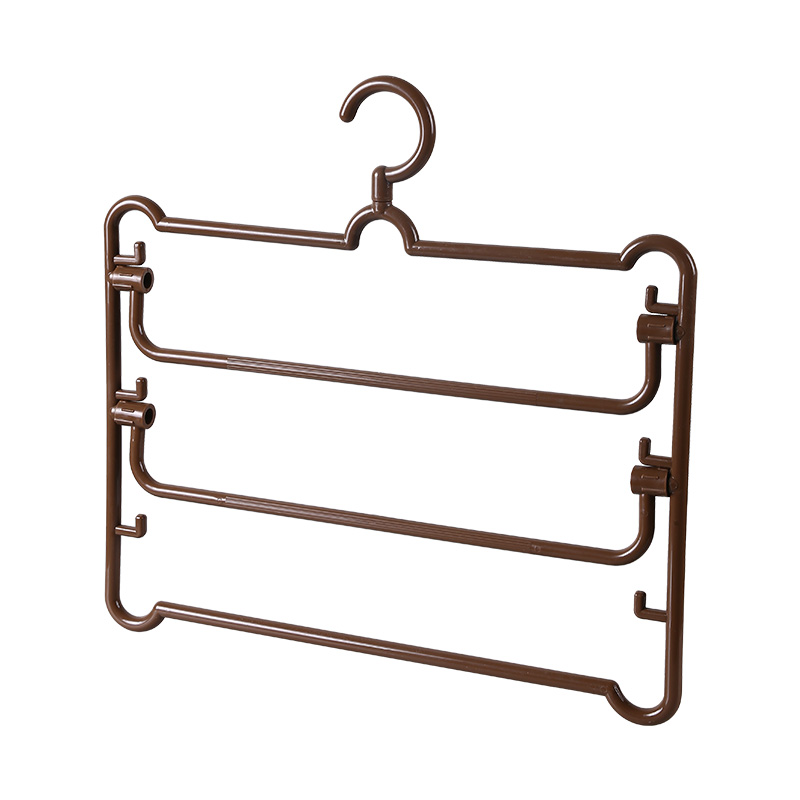
Plastic Pants Hanger (3 Bars)
-
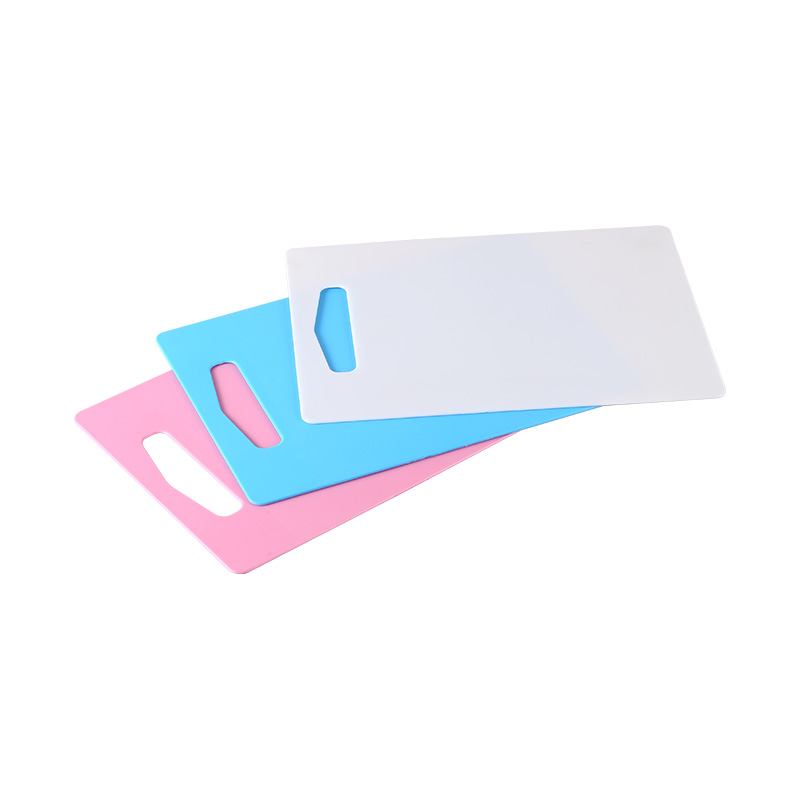
Plastic Chopping Board Food Cutting Block Mat Tool
-
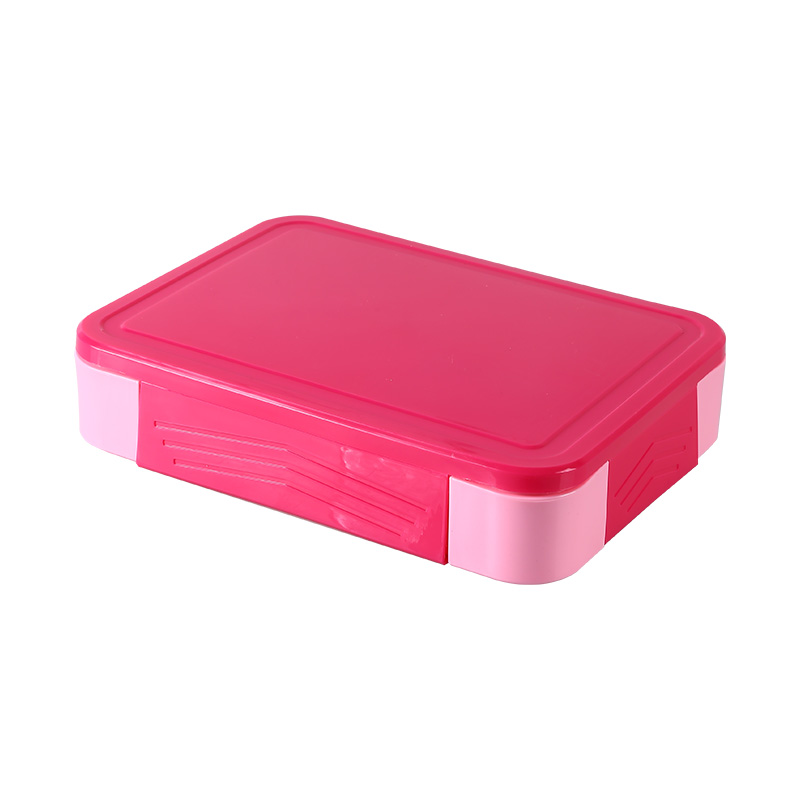
Food Storage Container For Adult Kids All-In-One Lunch Box
-
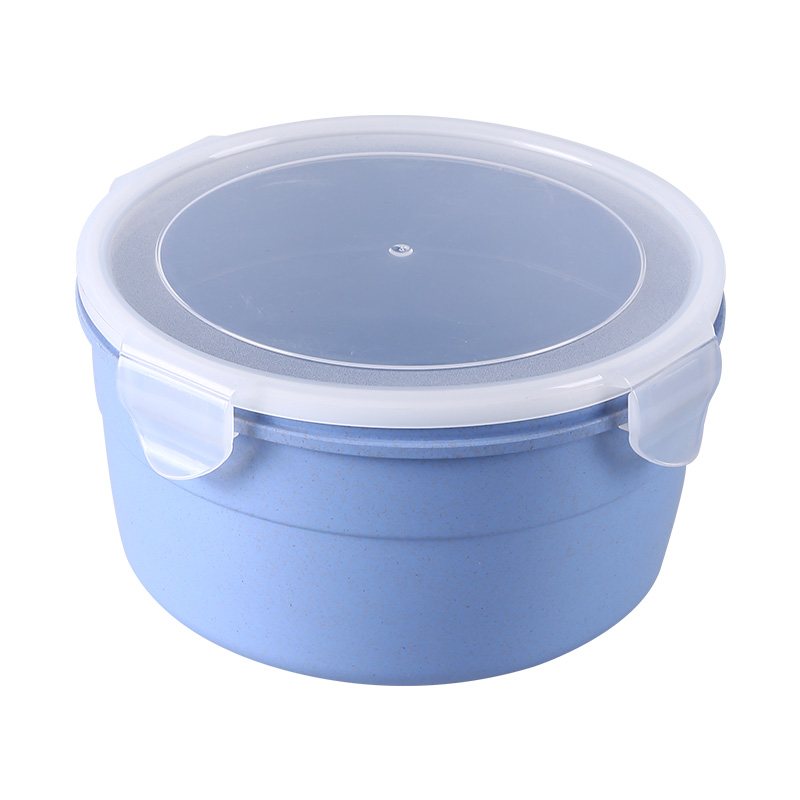
Mini Round Food Preservation Box
-
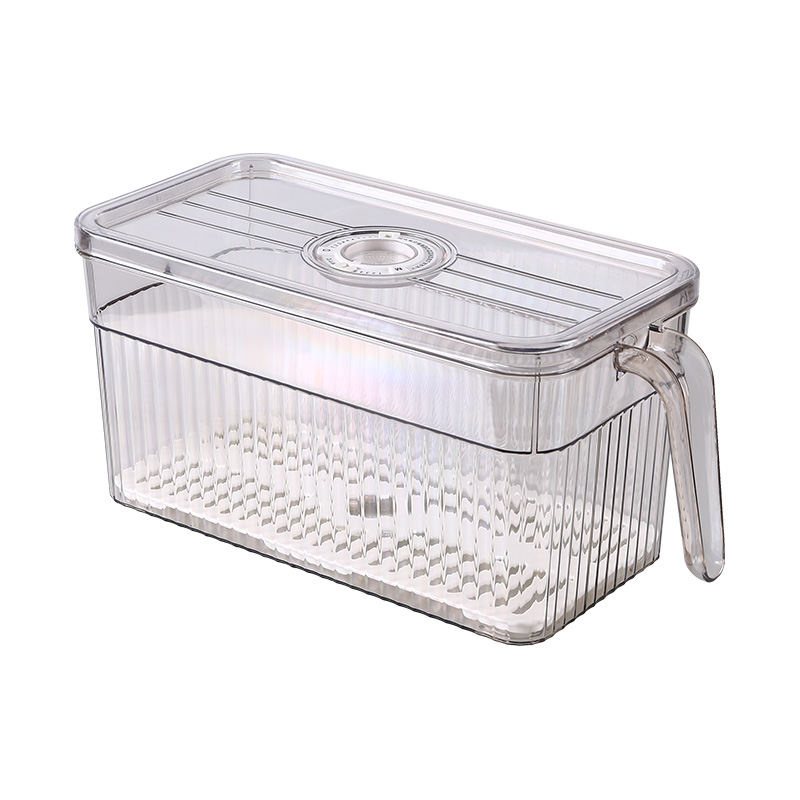
Refrigerator Storage Box Freezer Handle Storage Container
-
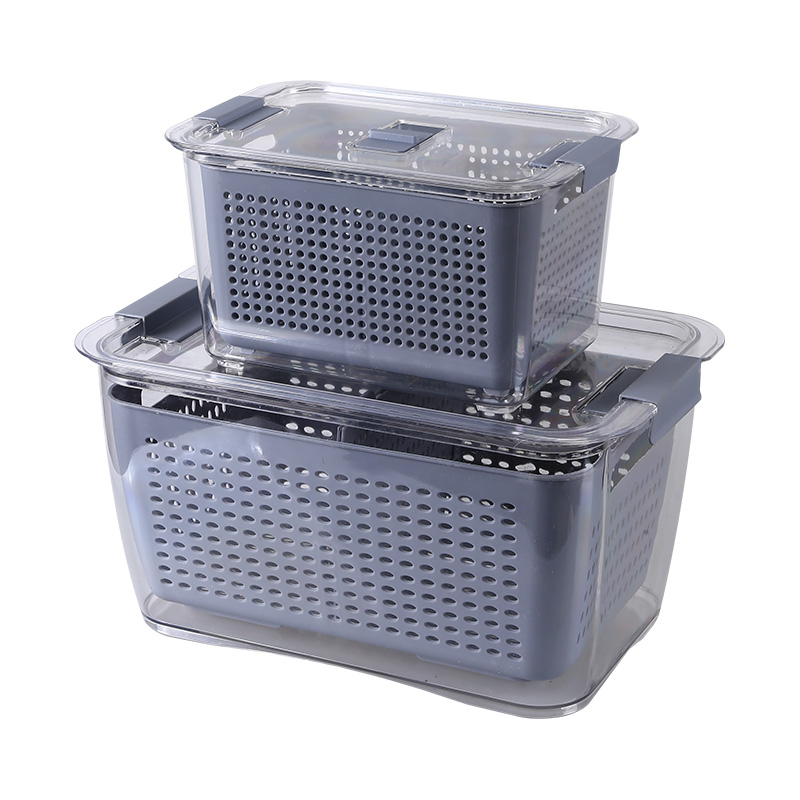
1pc Refrigerator Storage Box With Lid And Drain Basket Fruit Storage Containers Transparent Saver Container Food Organizer Bins
-
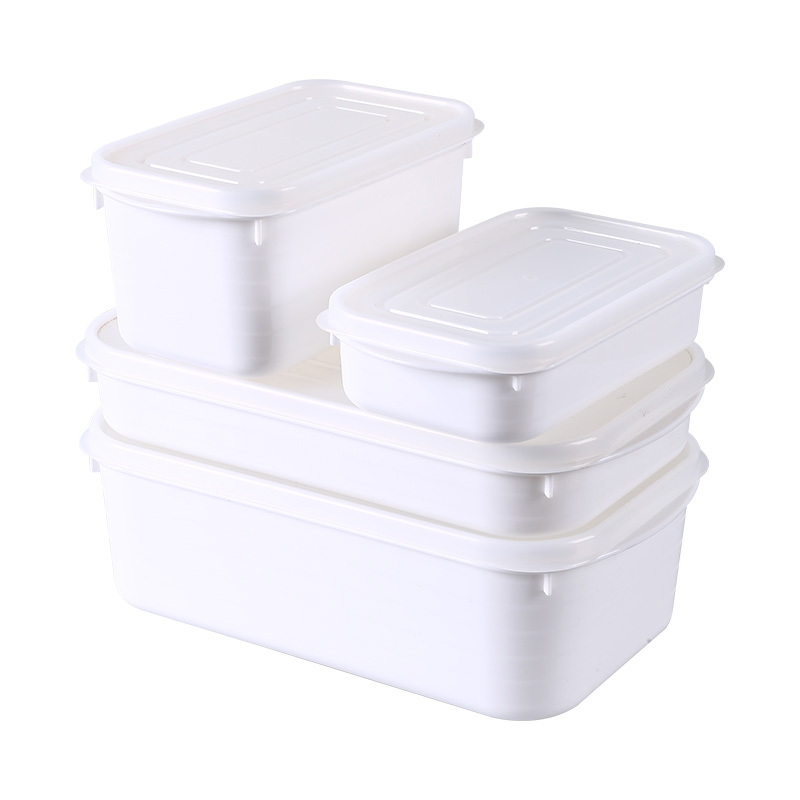
Food Storage Large Capacity Fresh-Keeping Eco Reusable Box Bento Food Leakproof Container
-
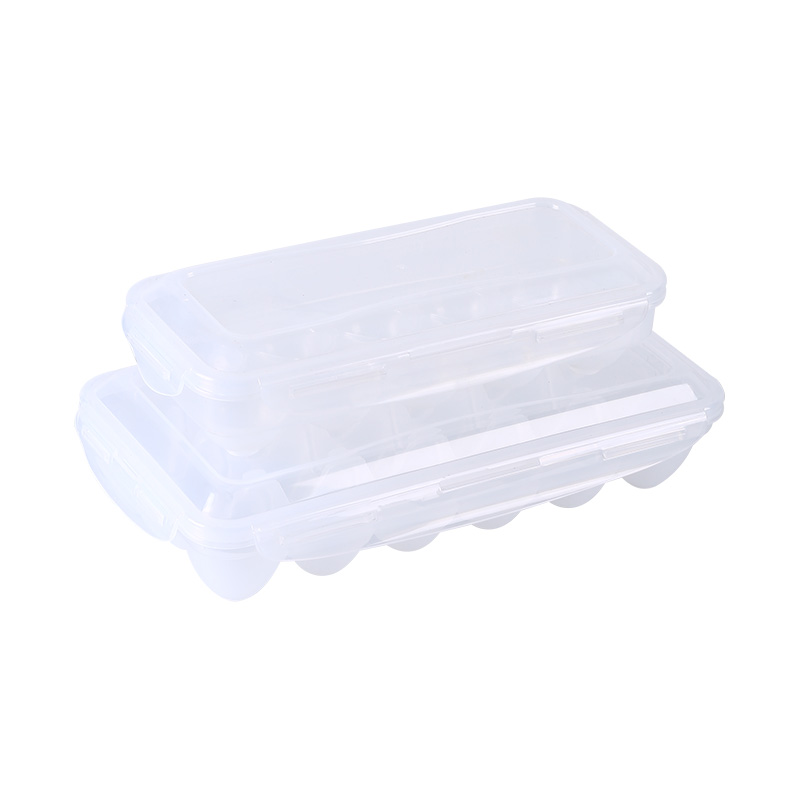
PP Plastic Egg Tray Storage Box
-
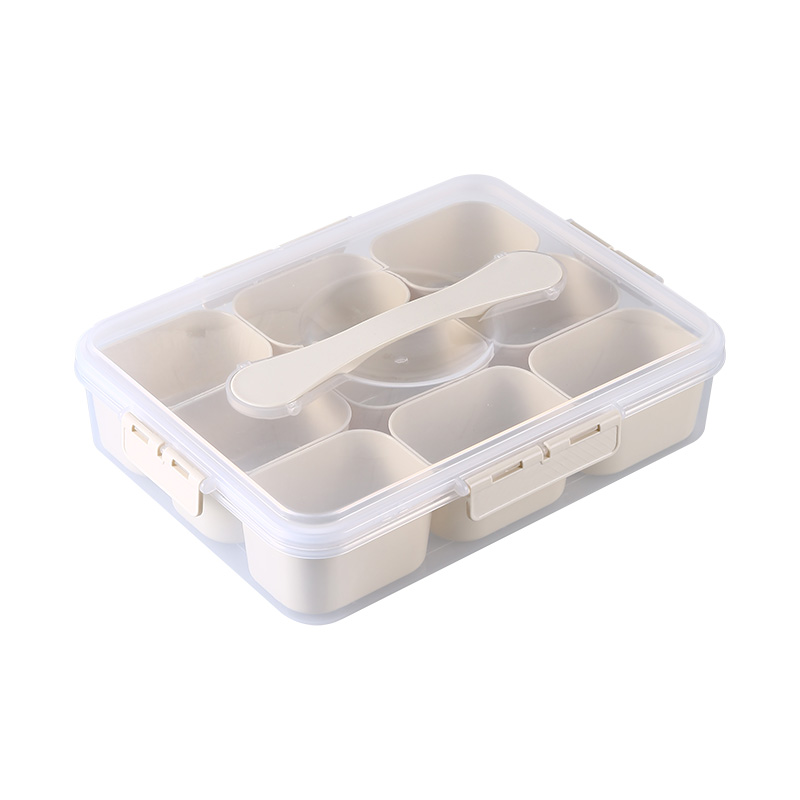
9 Compartment Divided Serving Tray With Lid And Handle Dried Fruit Storage Box
-
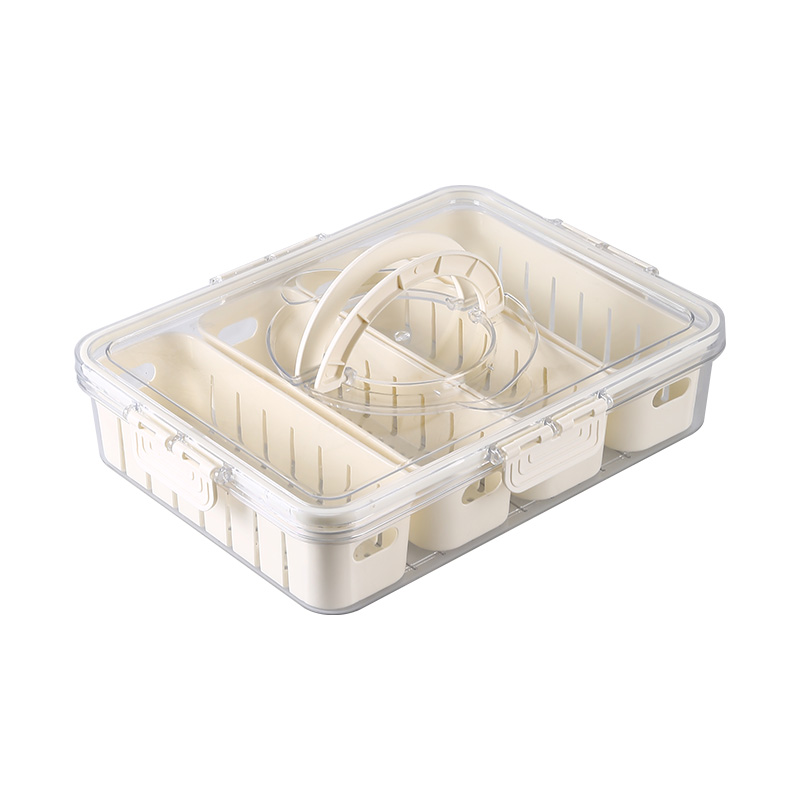
PP Material Handheld Fresh-Keeping Sealed Box Dry Food Classification Storage Box
-
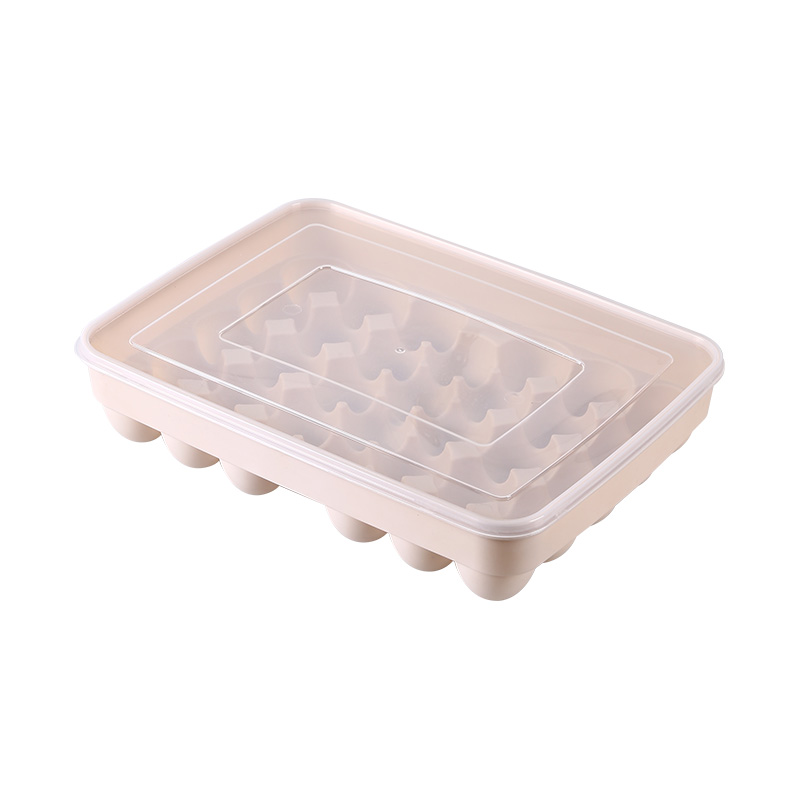
Refrigerator Storage Multi-Grid Egg Box Can Be Stacked With Cover To Food Preservation Box
-
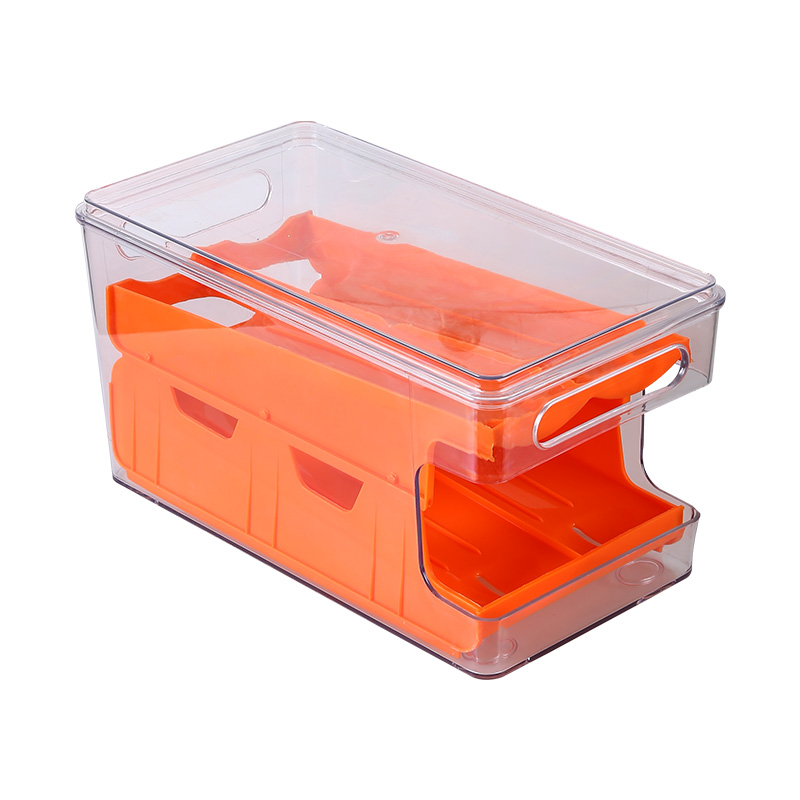
Dual-Layer Transparent Egg Storage Rack Eco-Friendly Slide-Type Household Kitchen

 No. 7 Yicheng Middle Road, Anzhou Street, Xianju, Taizhou, Zhejiang, China.
 +86-0576-89370898
Copyright© Taizhou Soudelor Plastic Industry Co., Ltd. All Rights Reserved.
ECO Friendly Plastic Products Factory
