
 English
 中文简体
中文简体 Deutsch


Smart Designs Behind Today’s Rectangular Food Plates
Modern dining habits are changing the way people view everyday tableware. Plates are no longer only containers for serving meals; their shape, material, and functional details now influence convenience, presentation, and storage. The rectangular plate design has gained attention because it offers a practical balance between appearance and usability. From family kitchens to catering events, this style provides new possibilities for arranging different types of food while saving space. Rectangular polypropylene tableware is widely used for food service applications because PP materials offer durability, lightweight performance, and resistance to daily handling.
A Rectangular PP Plastic Plate Dish represents this design trend by combining food-contact safety with flexible applications. The product structure focuses on improving user experience through thoughtful engineering rather than simply changing the plate shape.
Why Rectangular Shapes Are Gaining Attention in Food Presentation
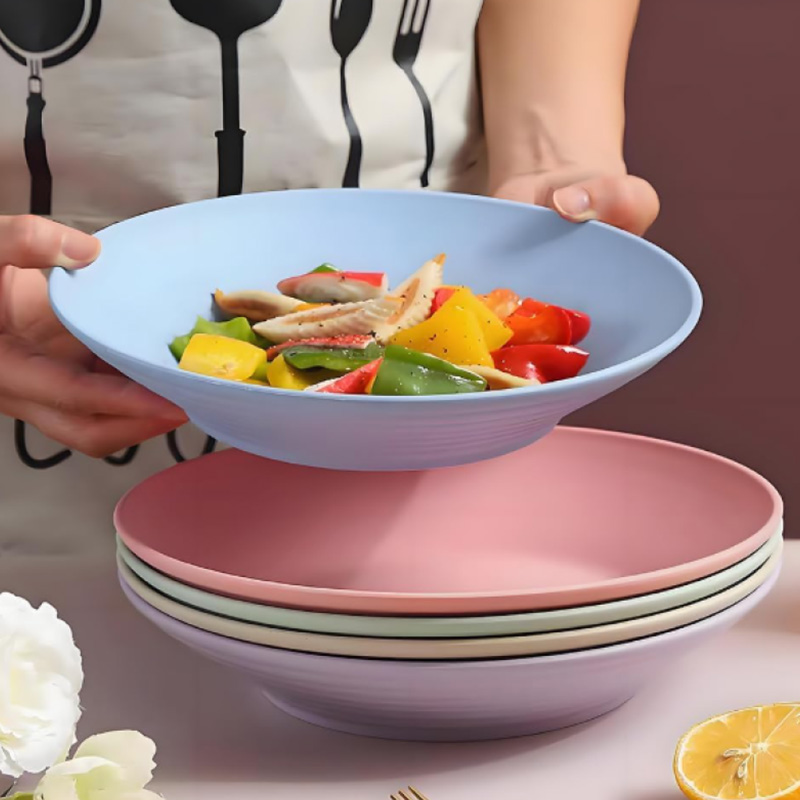
Traditional round plates have dominated dining spaces for decades, but rectangular designs create different visual effects. The extended surface area allows users to separate food portions, arrange appetizers, and create cleaner presentations. Restaurants and catering businesses often prefer rectangular serving plates because they provide more room for creative layouts.
- Better food arrangement: The wider surface helps organize main dishes, side items, desserts, and snacks without mixing different flavors.
- Modern visual appeal: Straight edges and clean lines create a contemporary dining style suitable for casual meals and professional events.
- Efficient space usage: Rectangular plates can fit neatly on tables, trays, and storage shelves.
The design is especially useful for buffet services, outdoor dining, and takeaway applications where space management plays an important role.
Material Technology Behind Durable PP Plastic Plates
Polypropylene (PP) has become a common material for reusable food containers and tableware due to its balanced mechanical properties. It provides good impact resistance while remaining lightweight, making it suitable for products that require frequent transportation and handling.
A well-designed Rectangular PP Plastic Plate Dish usually includes carefully controlled material thickness, smooth edges, and reinforced structures. These details help improve stability and reduce deformation during regular use.
- Material: Food-grade polypropylene (PP) suitable for direct food contact.
- Typical thickness: Around 1.0–2.5 mm depending on plate size and application requirements.
- Temperature performance: Many PP products are designed for cold food storage and moderate heat applications, with exact limits depending on product specifications.
- Surface finish: Smooth texture helps reduce food residue attachment and supports easier cleaning.
Some polypropylene catering plates are designed to handle hot and chilled foods, with certain products supporting service temperatures around 35°F to 220°F.
Design Details That Improve Everyday Convenience
Small structural improvements can create noticeable differences in daily use. Modern plastic plate designs focus on stability, portability, and user-friendly features.
Stackable Structure for Storage Efficiency
Kitchen storage space is becoming increasingly valuable, especially in apartments, offices, and commercial kitchens. Rectangular plates with optimized edges can stack together more efficiently, reducing storage requirements.
A stable stacking design also benefits catering companies that transport large quantities of tableware. Plates with consistent dimensions are easier to organize inside storage cabinets or delivery boxes.
Reinforced Edges for Better Protection
The edge design directly affects the service life of plastic tableware. Slightly raised rims or strengthened borders can help prevent food from sliding while improving resistance against accidental impacts.
- Raised edges help keep sauces and small food items contained.
- Rounded corners improve handling comfort.
- Balanced weight distribution enhances carrying stability.
Applications Beyond Traditional Dining
The popularity of rectangular plastic plates comes from their ability to adapt to different environments. They are not limited to home kitchens and can support various food service scenarios.
- Home dining: Suitable for breakfast, lunch, dinner, snacks, and family gatherings.
- Outdoor activities: Lightweight construction makes them convenient for picnics, camping, and parties.
- Commercial catering: Useful for restaurants, hotels, and event services requiring easy transportation.
- Food displays: The extended shape supports attractive arrangement of desserts, fruits, and appetizers.
The combination of durability and flexible design allows rectangular PP plates to serve different consumer groups with varied dining needs.
How Smart Plate Designs Reflect Future Dining Trends
Future tableware development is expected to focus on multifunctional designs that combine appearance, convenience, and responsible material choices. Consumers increasingly look for products that are easy to store, comfortable to use, and suitable for different occasions.
Manufacturers are exploring improvements such as thinner yet stronger structures, customized colors, textured surfaces, and reusable solutions. These innovations help plastic tableware move beyond simple disposable products and become part of modern lifestyle choices.
A rectangular plate is a simple example of how design thinking can transform an ordinary kitchen item. Through material selection, structural optimization, and practical features, products like the Rectangular PP Plastic Plate Dish demonstrate how everyday tableware continues to evolve with changing consumer expectations.
The development of rectangular food plates shows that small design changes can create meaningful improvements in dining experiences. From better food arrangement to easier storage and transportation, modern PP plastic plates combine practical functions with contemporary aesthetics.
As kitchens, restaurants, and outdoor dining spaces continue to demand flexible tableware solutions, smart rectangular designs will remain an important direction in food serving products.
Hot Products
-
Plastic Pants Hanger (3 Bars)
-
Plastic Chopping Board Food Cutting Block Mat Tool
-
Food Storage Container For Adult Kids All-In-One Lunch Box
-
Mini Round Food Preservation Box
-
Refrigerator Storage Box Freezer Handle Storage Container
-
1pc Refrigerator Storage Box With Lid And Drain Basket Fruit Storage Containers Transparent Saver Container Food Organizer Bins
-
Food Storage Large Capacity Fresh-Keeping Eco Reusable Box Bento Food Leakproof Container
-
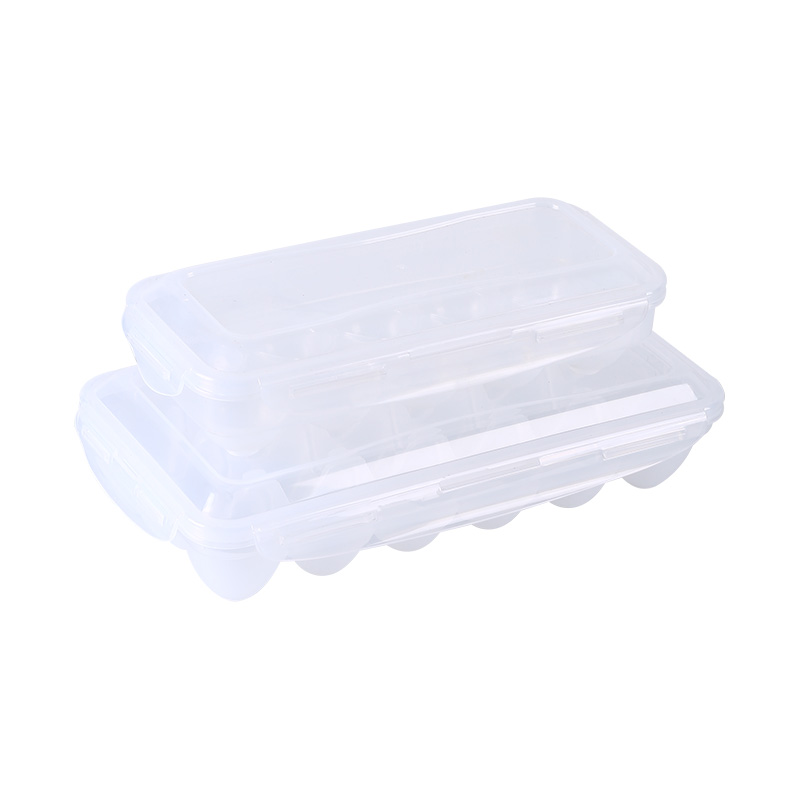
PP Plastic Egg Tray Storage Box
-
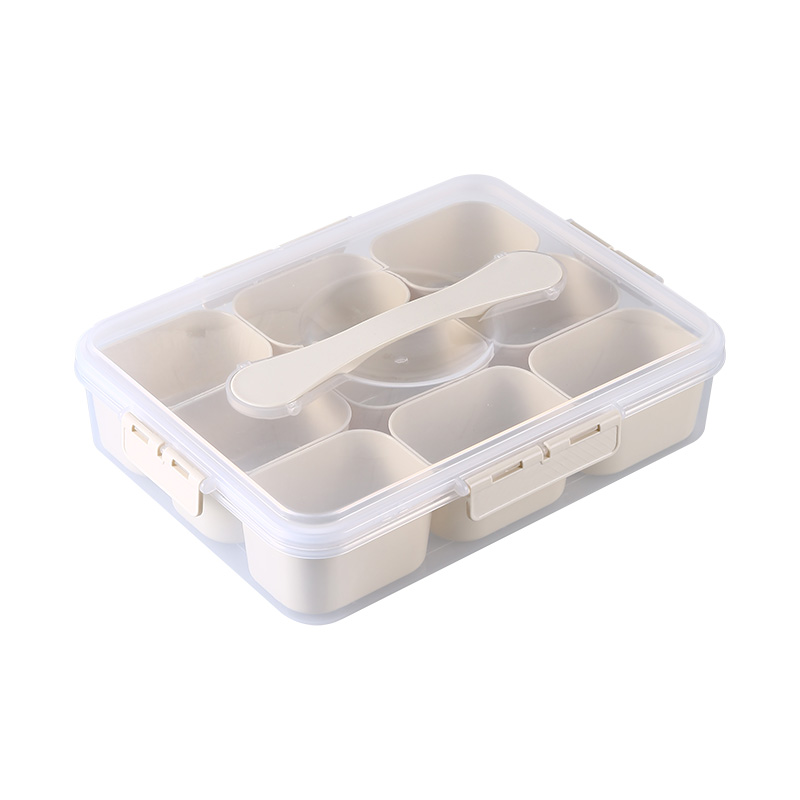
9 Compartment Divided Serving Tray With Lid And Handle Dried Fruit Storage Box
-
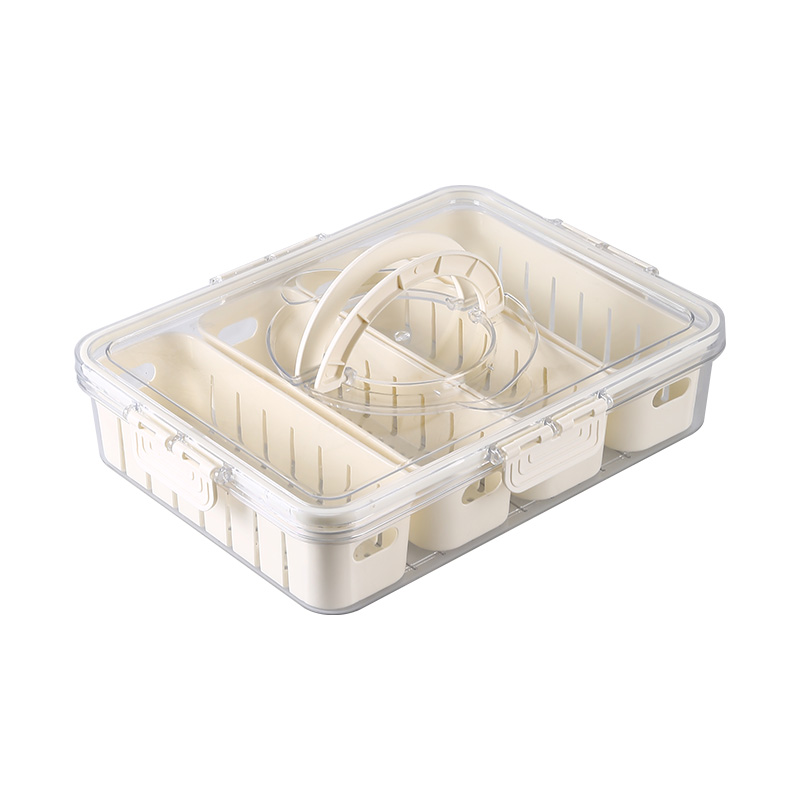
PP Material Handheld Fresh-Keeping Sealed Box Dry Food Classification Storage Box
-
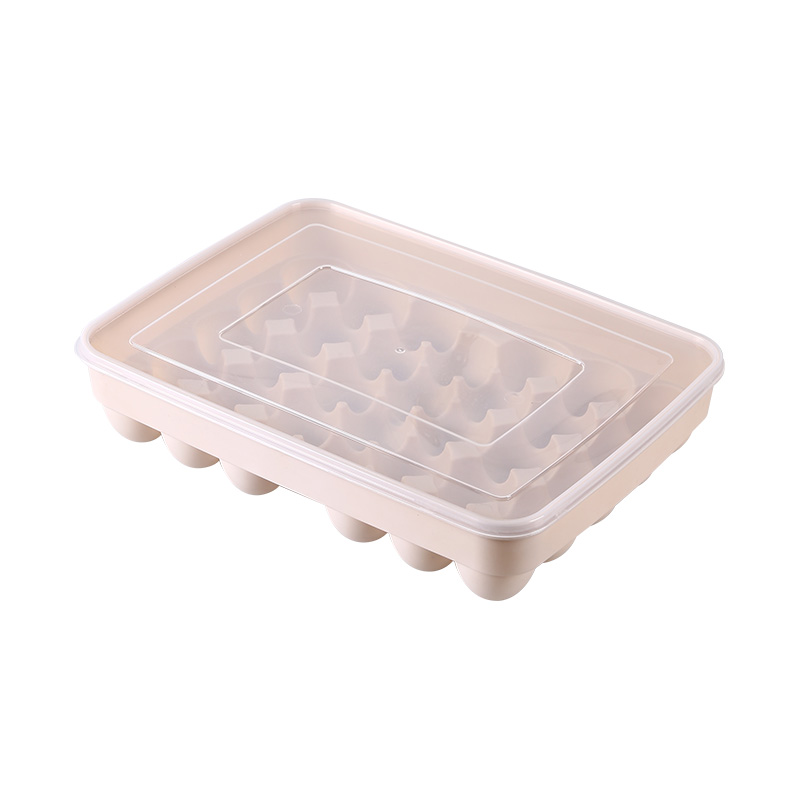
Refrigerator Storage Multi-Grid Egg Box Can Be Stacked With Cover To Food Preservation Box
-
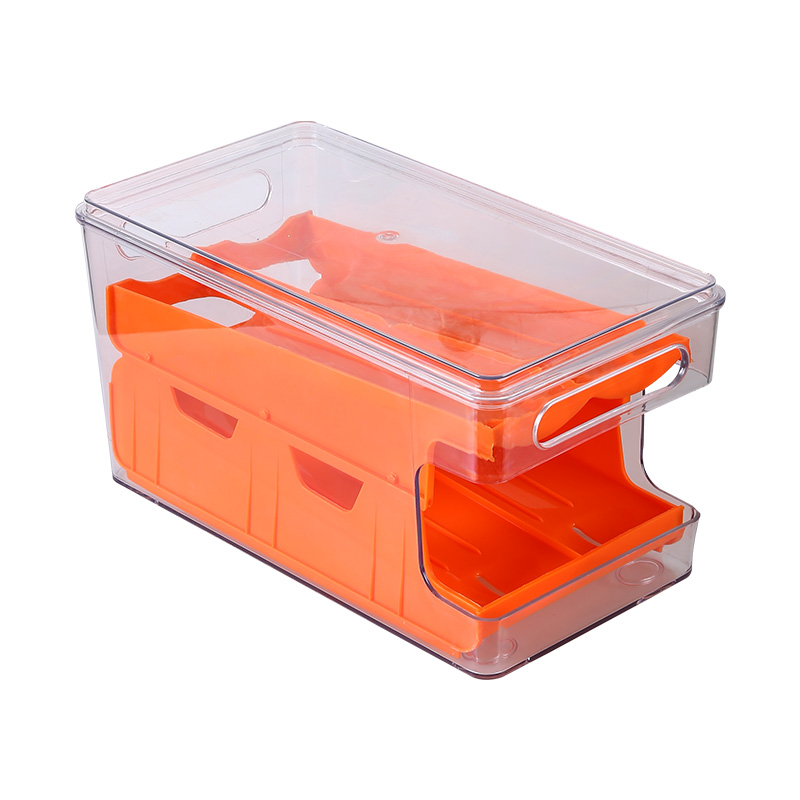
Dual-Layer Transparent Egg Storage Rack Eco-Friendly Slide-Type Household Kitchen
 No. 7 Yicheng Middle Road, Anzhou Street, Xianju, Taizhou, Zhejiang, China.
 +86-0576-89370898
Copyright© Taizhou Soudelor Plastic Industry Co., Ltd. All Rights Reserved.
ECO Friendly Plastic Products Factory
