
 English
 中文简体
中文简体 Deutsch


Will Freezer Handle Storage Containers Crack or Deform When Fully Loaded
Freezer organization often depends on containers that can handle heavy loads, repeated temperature changes, and long storage periods. A Freezer Handle Storage Container provides convenient transportation from freezer shelves to kitchen counters, but many users still question whether the handle, body, and lid structure can maintain stability after being filled with frozen food.
Cracking or deformation usually does not happen because of the weight alone. The real challenges come from low temperatures, frozen food expansion, material flexibility, container design, and handling habits. Understanding these factors helps explain how freezer containers perform under demanding conditions.
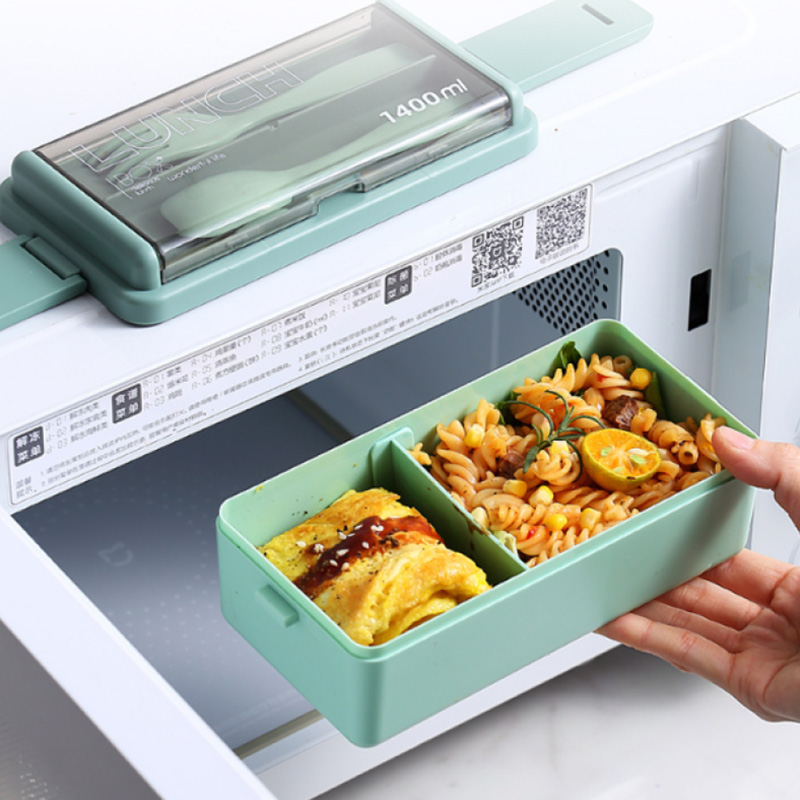
Low Temperature Changes Plastic Behavior
Freezing environments affect polymer materials differently from room-temperature conditions. As temperatures drop, some plastics become harder and less flexible, which may increase the chance of cracking under pressure or impact.
Plastic materials commonly used for freezer containers include:
- Polypropylene (PP): widely used for food storage because of its chemical resistance and lightweight structure.
- High-density polyethylene (HDPE): maintains good impact resistance at low temperatures and is often used in freezer applications.
- Modified polymers: designed to improve flexibility and cold-weather durability.
Freezer-safe containers are developed with materials that maintain better impact performance under cold conditions. Some plastics become brittle near freezing temperatures, making material choice an important factor for storage reliability.
Weight Alone Is Not the Only Stress Factor
A fully loaded container creates several types of pressure at the same time. The handle carries lifting force, while the bottom and side walls support the frozen contents.
- Vertical load: comes from the weight of frozen food pressing downward.
- Handle tension: appears during carrying or pulling the container from freezer shelves.
- Internal expansion: happens as liquids inside food freeze and increase volume.
A container with reinforced corners, balanced wall thickness, and a strong handle connection can distribute these forces more effectively than a thin-wall design.
Frozen Food Expansion Can Affect Container Shape
Many users fill containers completely before freezing, but liquids and moisture-containing foods expand during freezing. This expansion can create pressure against the container walls.
- Soups and sauces: create higher expansion pressure because of their liquid content.
- Cooked vegetables: contain water that expands during freezing.
- Meat-based meals: may create uneven pressure depending on packing density.
Leaving extra space near the top helps reduce stress caused by expansion. Freezer storage guidance commonly recommends allowing headspace because frozen liquids increase volume and may damage rigid containers.
Handle Design Determines Carrying Reliability
The handle is one of the most important structural areas of a freezer storage container. A weak connection point may fail even if the main container body remains intact.
Key Handle Design Features Include:
- Integrated molding: handles formed as part of the container body reduce weak connection points.
- Reinforced attachment areas: improve resistance against pulling force.
- Comfortable grip width: helps users carry heavy loads without concentrated stress.
- Rounded transitions: reduce stress concentration around corners.
A container designed only for shelf storage may not perform the same as a model designed for frequent lifting and transportation.
Wall Thickness Influences Crack Resistance
Container thickness affects both durability and usability. Extremely thin walls may save material but can have reduced resistance against impacts during frozen storage.
- Thin-wall structures: lightweight but more sensitive to sharp impacts.
- Medium-thickness designs: provide a balance between storage capacity and durability.
- Reinforced base designs: improve support for heavy frozen contents.
Professional food storage containers often use thicker polypropylene structures because they need to withstand freezing, stacking, and repeated handling. Some commercial polypropylene containers are rated for freezer use across wide temperature ranges, depending on design specifications.
Stacking Pressure Creates Another Challenge
Freezers are usually packed tightly, and containers often support additional weight from items placed above them.
- Top-load pressure: affects lids and upper edges.
- Uneven stacking: may create localized stress points.
- Frozen surface contact: can make containers harder to remove without force.
Stackable freezer containers usually include flat lids and reinforced corners to improve stability during storage.
Common Reasons Freezer Containers Deform
Deformation usually develops from repeated stress rather than one single event.
- Overfilling: leaves insufficient room for food expansion.
- Unsuitable material: plastics without freezer-grade properties may become fragile.
- Uneven heating and cooling: repeated cycles can influence shape stability.
- Heavy impact while frozen: cold plastic is less flexible than warm plastic.
Testing Methods for Freezer Container Durability
Manufacturers often evaluate freezer storage containers through several performance tests.
- Cold impact testing: checks resistance after exposure to low temperatures.
- Load testing: measures handle strength and structural stability.
- Freeze expansion testing: evaluates resistance against internal pressure.
- Repeated cycle testing: examines performance after multiple freeze and thaw processes.
These tests help determine whether a container is suitable for meal preparation, bulk food storage, or long-term freezer organization.
How Users Can Extend Container Service Life
Proper usage can reduce unnecessary stress on freezer containers.
- Avoid filling liquid foods completely to the top.
- Allow frozen containers to soften slightly before removing stuck lids.
- Avoid dropping fully loaded containers onto hard surfaces.
- Clean containers according to the recommended temperature range.
- Inspect handles and corners regularly for visible damage.
Final Thoughts on Freezer Storage Durability
A Freezer Handle Storage Container can maintain reliable performance under heavy loads when it uses suitable materials and a reinforced structural design. Cracking and deformation are usually related to excessive pressure, unsuitable plastics, overfilling, or rough handling rather than normal freezer storage.
The combination of cold-resistant materials, strong handles, balanced wall thickness, and proper filling methods determines long-term durability. A well-designed container allows users to move frozen meals conveniently while maintaining shape stability throughout repeated storage cycles.
Hot Products
-
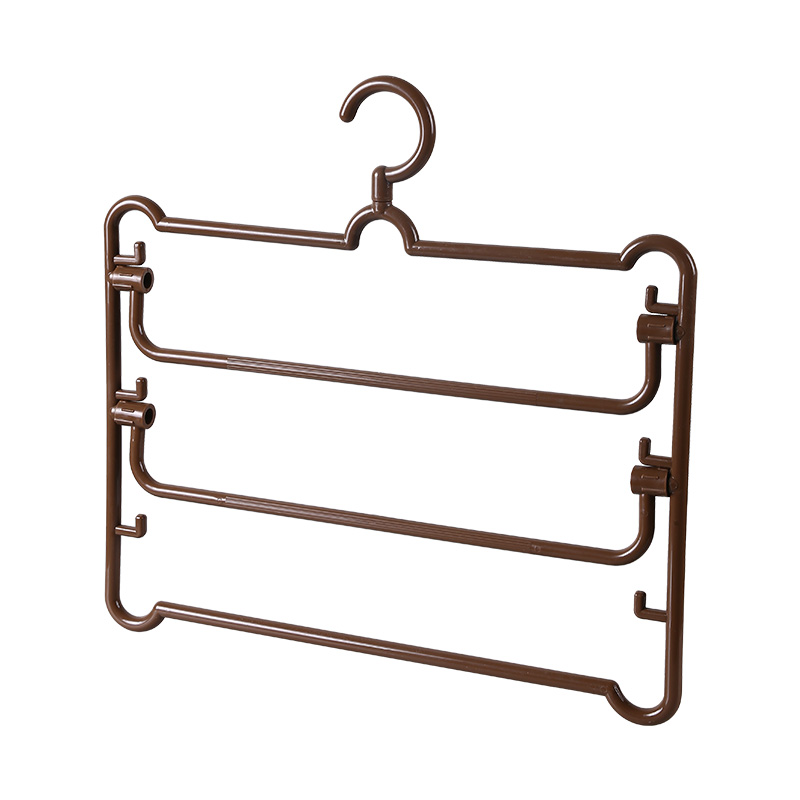
Plastic Pants Hanger (3 Bars)
-
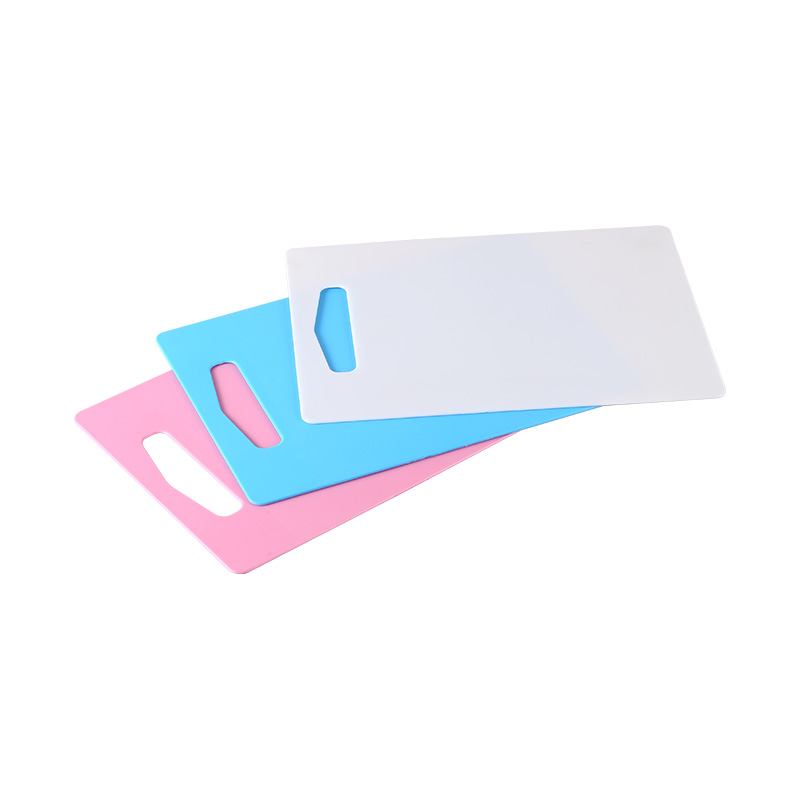
Plastic Chopping Board Food Cutting Block Mat Tool
-
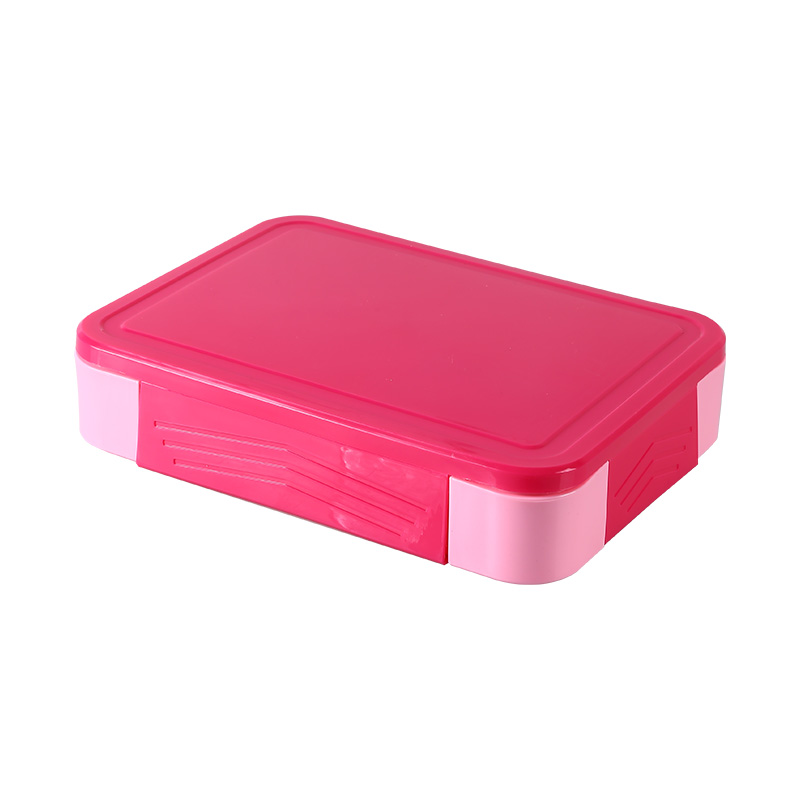
Food Storage Container For Adult Kids All-In-One Lunch Box
-
Mini Round Food Preservation Box
-
Refrigerator Storage Box Freezer Handle Storage Container
-
1pc Refrigerator Storage Box With Lid And Drain Basket Fruit Storage Containers Transparent Saver Container Food Organizer Bins
-
Food Storage Large Capacity Fresh-Keeping Eco Reusable Box Bento Food Leakproof Container
-
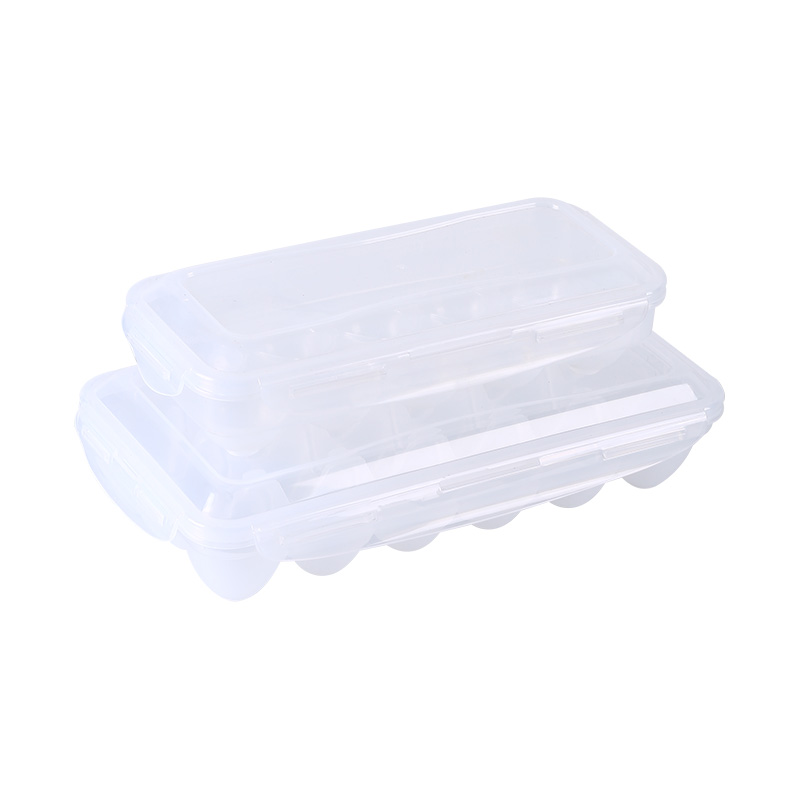
PP Plastic Egg Tray Storage Box
-
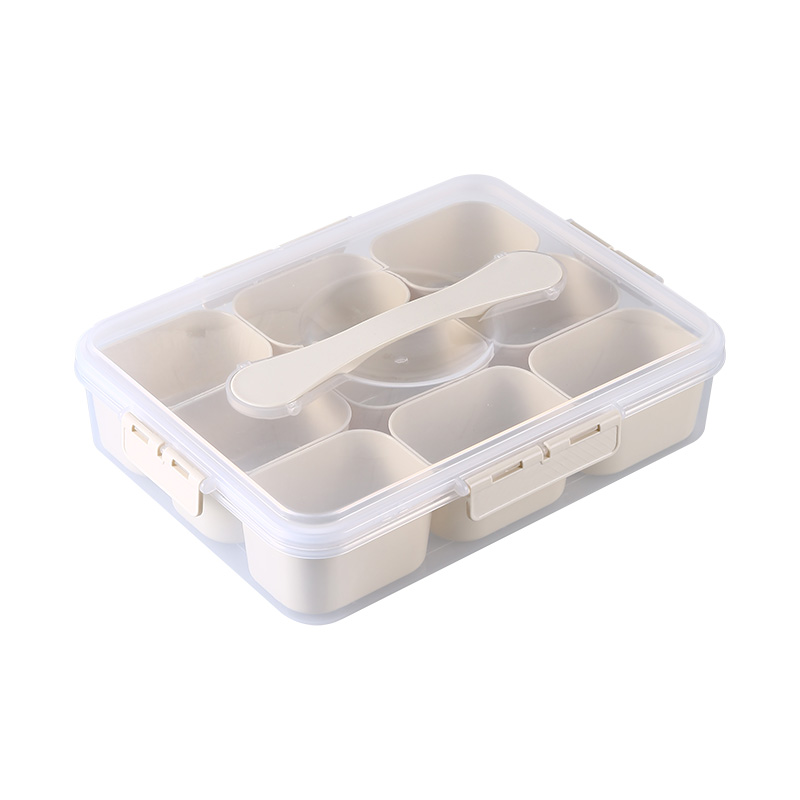
9 Compartment Divided Serving Tray With Lid And Handle Dried Fruit Storage Box
-
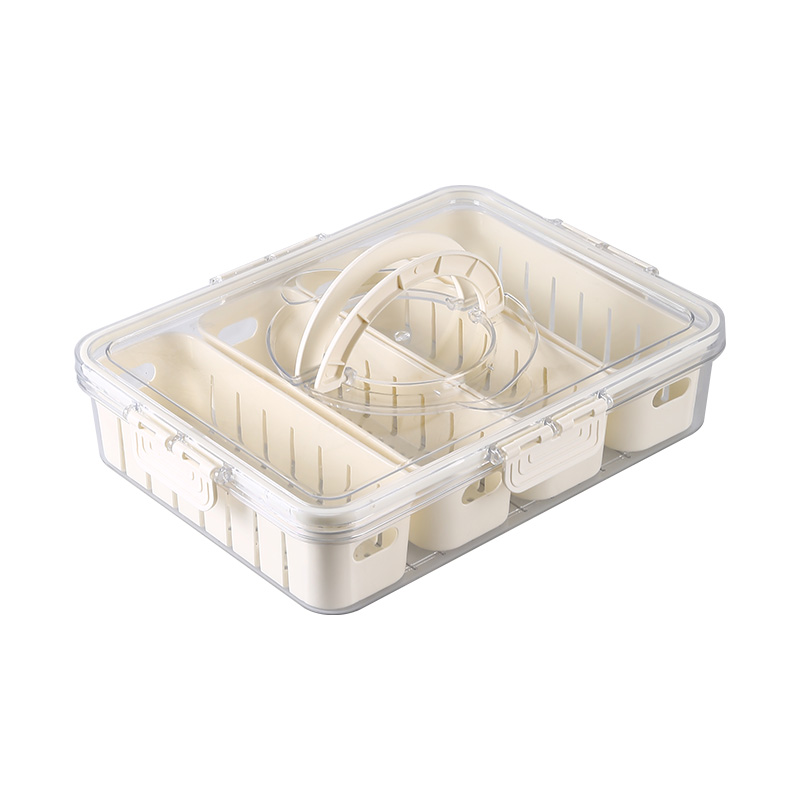
PP Material Handheld Fresh-Keeping Sealed Box Dry Food Classification Storage Box
-
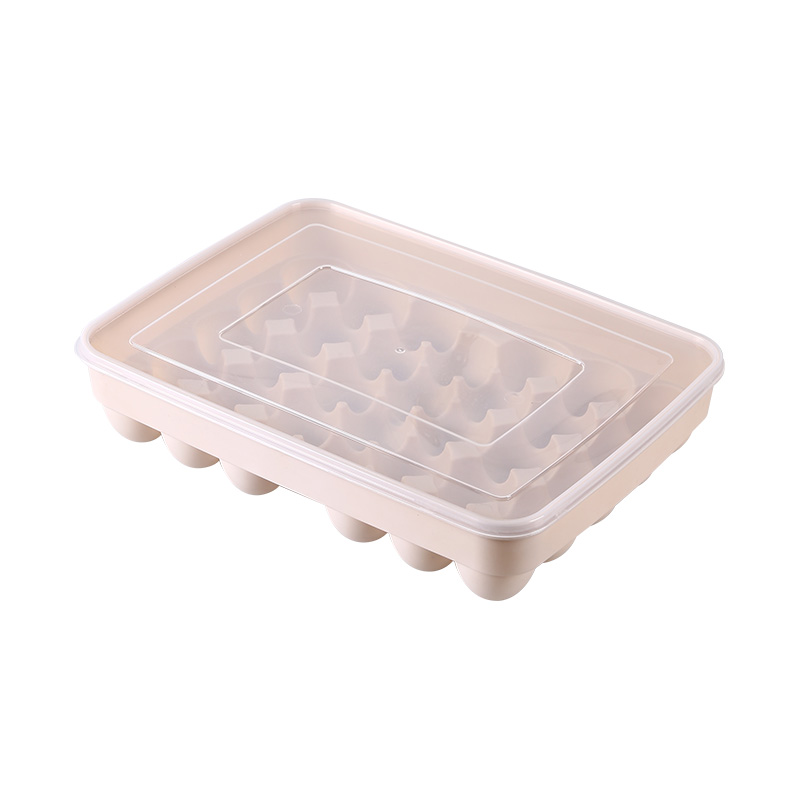
Refrigerator Storage Multi-Grid Egg Box Can Be Stacked With Cover To Food Preservation Box
-
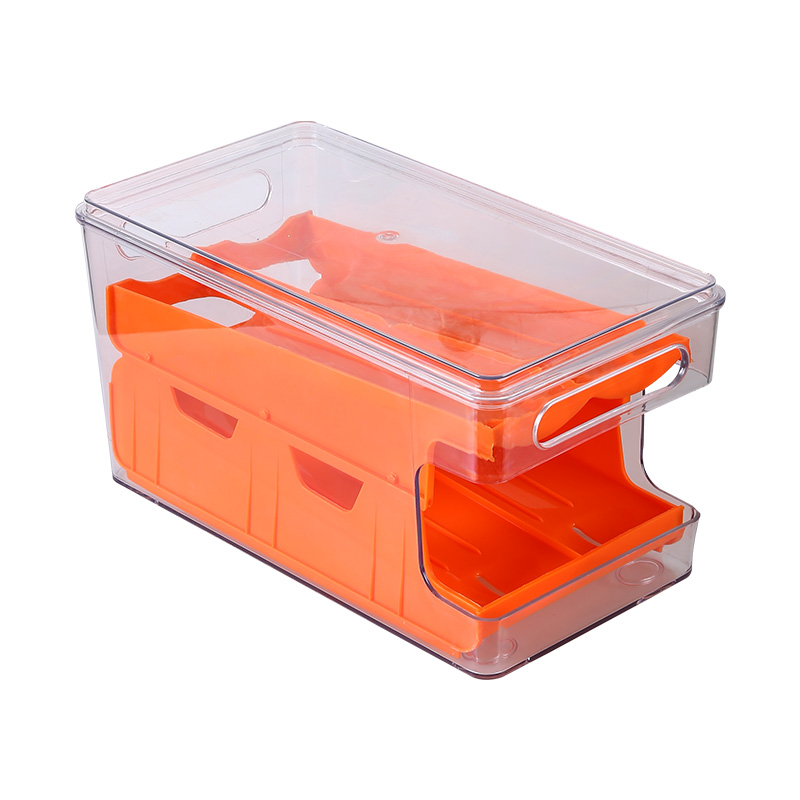
Dual-Layer Transparent Egg Storage Rack Eco-Friendly Slide-Type Household Kitchen
 No. 7 Yicheng Middle Road, Anzhou Street, Xianju, Taizhou, Zhejiang, China.
 +86-0576-89370898
Copyright© Taizhou Soudelor Plastic Industry Co., Ltd. All Rights Reserved.
ECO Friendly Plastic Products Factory
