
 English
 中文简体
中文简体 Deutsch


What Makes Wheat Straw Material Tableware a Sustainable Choice?
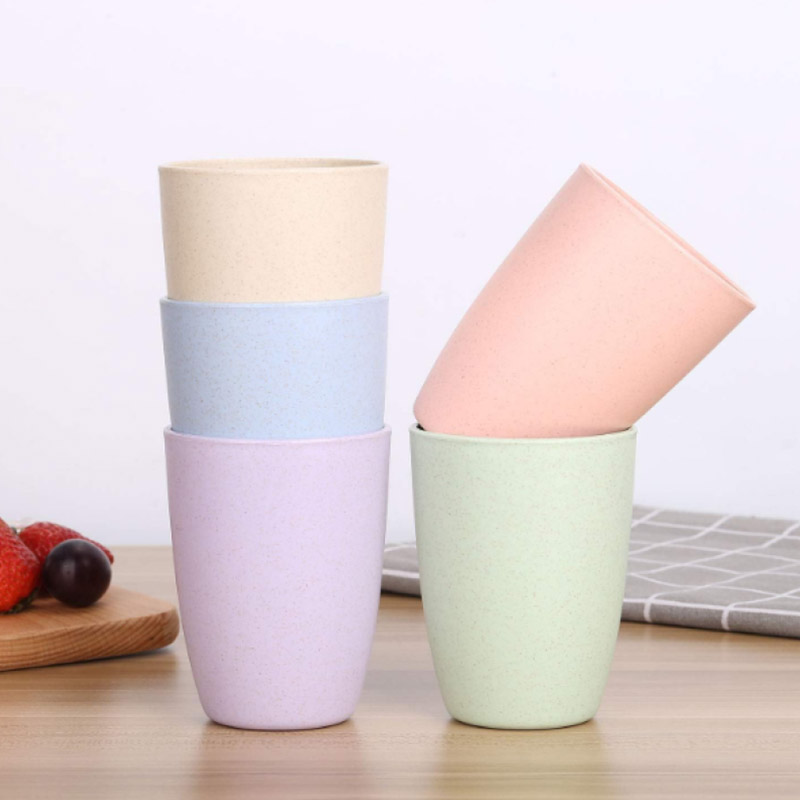
In recent years, consumers and businesses have shown increasing interest in eco-friendly alternatives to traditional plastic tableware. Wheat Straw Material Tableware is one option that combines sustainability with practicality. Made from the byproducts of wheat cultivation, this type of tableware offers a renewable and biodegradable alternative for plates, bowls, cups, and utensils.
What Is Wheat Straw Tableware?
Wheat Straw Material Tableware is produced by compressing wheat straw fibers into durable shapes, often with a small amount of food-safe resin for stability. Unlike disposable plastic products, these items are largely biodegradable and reduce reliance on petroleum-based plastics. The natural color and texture of wheat straw also provide a modern, earthy aesthetic that appeals to environmentally conscious consumers.
For businesses, especially restaurants, catering companies, and cafes, using wheat straw tableware can demonstrate commitment to sustainability, aligning with eco-friendly brand values and customer expectations.
Durability and Practicality
One common concern about alternative materials is whether they can withstand daily use. Wheat Straw Material Tableware is surprisingly strong, lightweight, and heat-resistant. It can handle hot or cold foods and is generally dishwasher safe, making it convenient for home use and commercial kitchens.
For B2B buyers, these properties mean the tableware can be used repeatedly or for special events without sacrificing quality. Its lightweight nature also makes it easier to transport and store compared to ceramic or glass tableware.
Environmental Benefits
The main advantage of Wheat Straw Material Tableware lies in its sustainability. Wheat straw is an agricultural byproduct that would otherwise be discarded or burned. By repurposing this material, manufacturers reduce waste and greenhouse gas emissions. Additionally, products made from wheat straw are biodegradable, compostable, and often recyclable, making them a responsible choice for environmentally conscious users.
For consumers, using this tableware is a simple way to contribute to sustainability in daily life. For businesses, it can be part of a broader environmental strategy, improving brand image and attracting eco-minded customers.
Design and Variety
Wheat Straw Material Tableware comes in a variety of shapes, sizes, and colors. Plates, bowls, cups, and cutlery can be designed for different occasions—from casual family meals to formal gatherings. Some manufacturers also offer custom printing or branding options, which is appealing for restaurants or promotional events.
The material's versatility allows designers to create functional yet attractive products that match a wide range of table settings. This adaptability makes it practical for both personal and professional use.
Care and Maintenance
Although durable, Wheat Straw Material Tableware should be handled properly to maintain its quality. It is recommended to avoid prolonged exposure to extremely high heat or direct flame. items are dishwasher safe, but hand washing may extend their lifespan. Storing them in a dry place helps prevent warping or discoloration over time.
For commercial users, understanding these care requirements ensures the tableware maintains its appearance and functionality through repeated use.
Wheat Straw Material Tableware offers a sustainable, practical, and visually appealing alternative to conventional plastic tableware. Its renewable source, durability, and environmental benefits make it a suitable choice for households, restaurants, and catering businesses alike. By adopting wheat straw tableware, users can enjoy functional dining products while reducing their environmental impact.
Hot Products
-
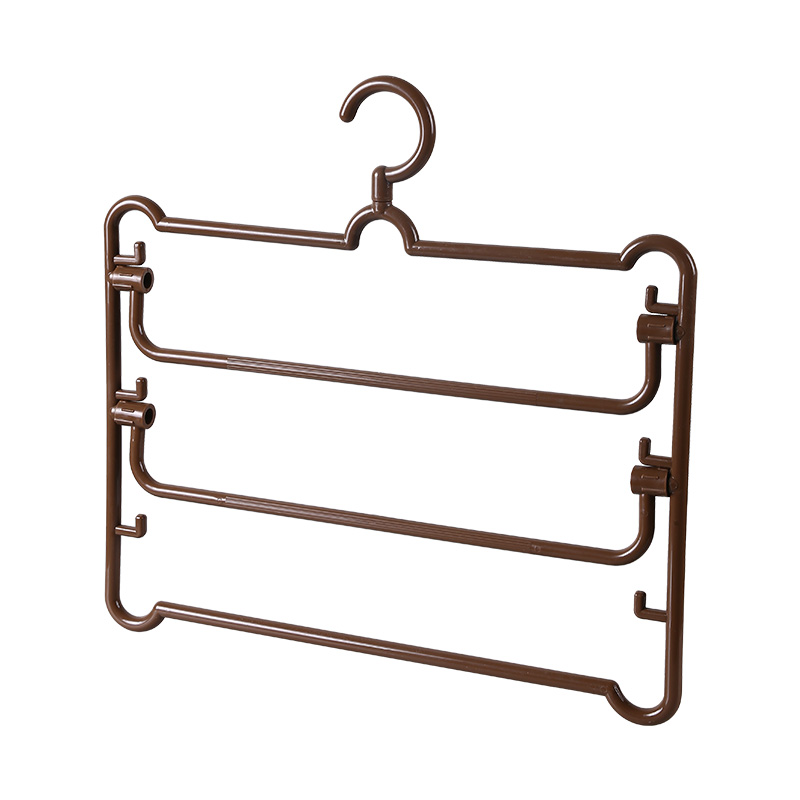
Plastic Pants Hanger (3 Bars)
-
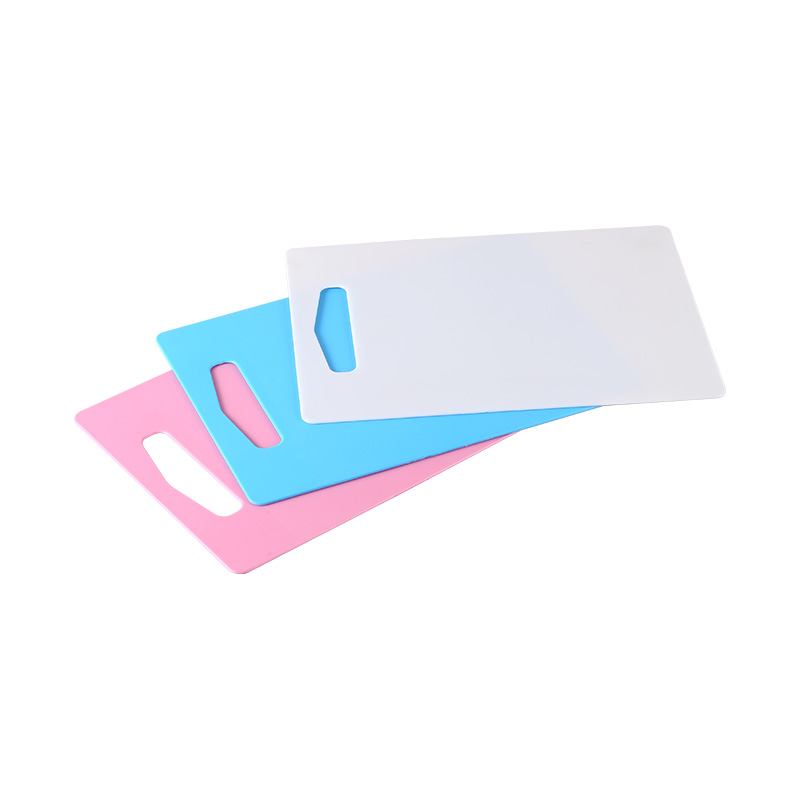
Plastic Chopping Board Food Cutting Block Mat Tool
-
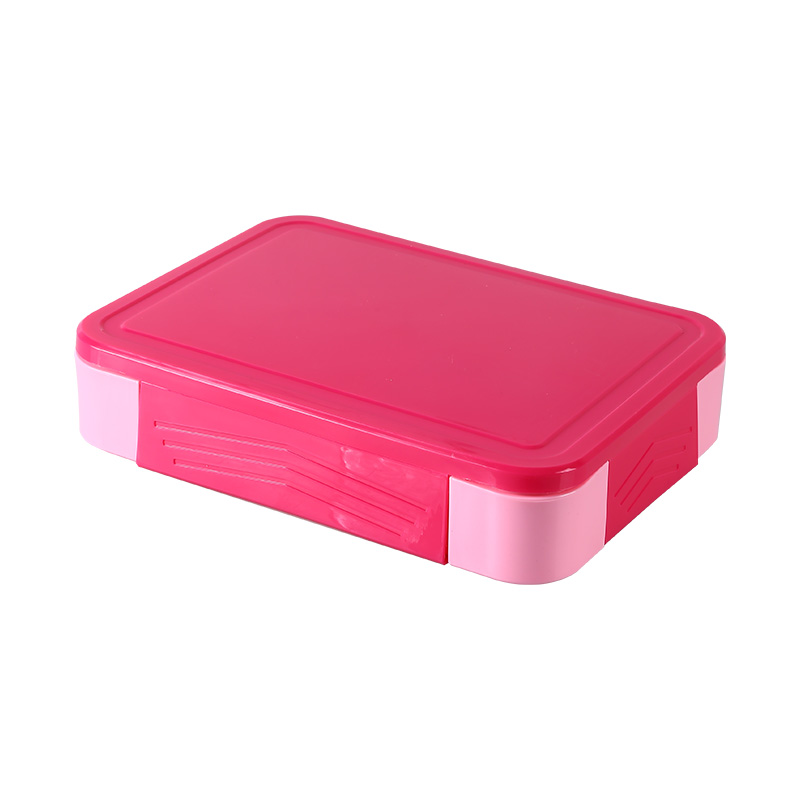
Food Storage Container For Adult Kids All-In-One Lunch Box
-
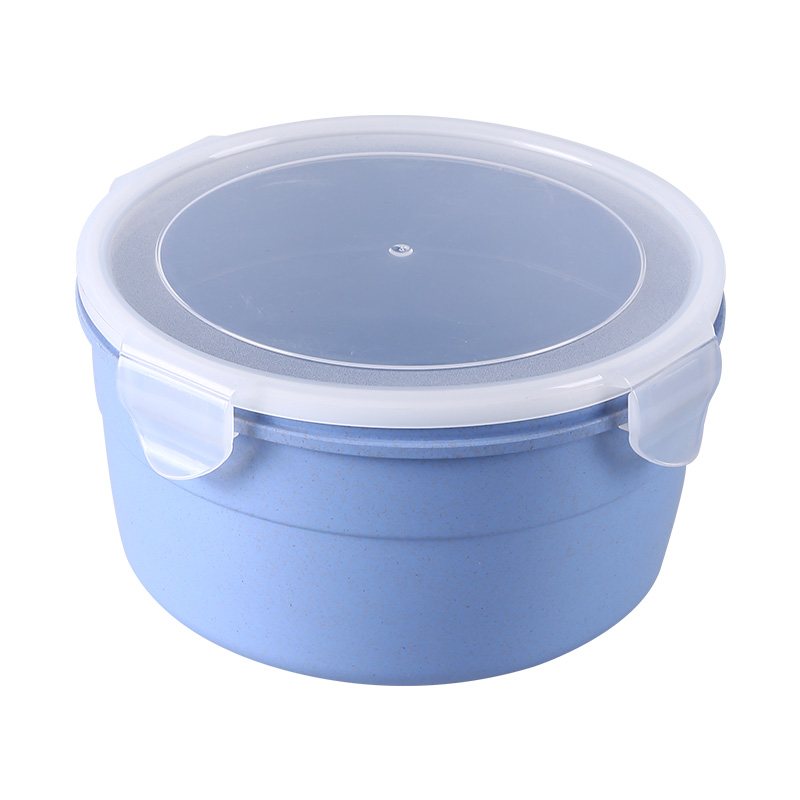
Mini Round Food Preservation Box
-
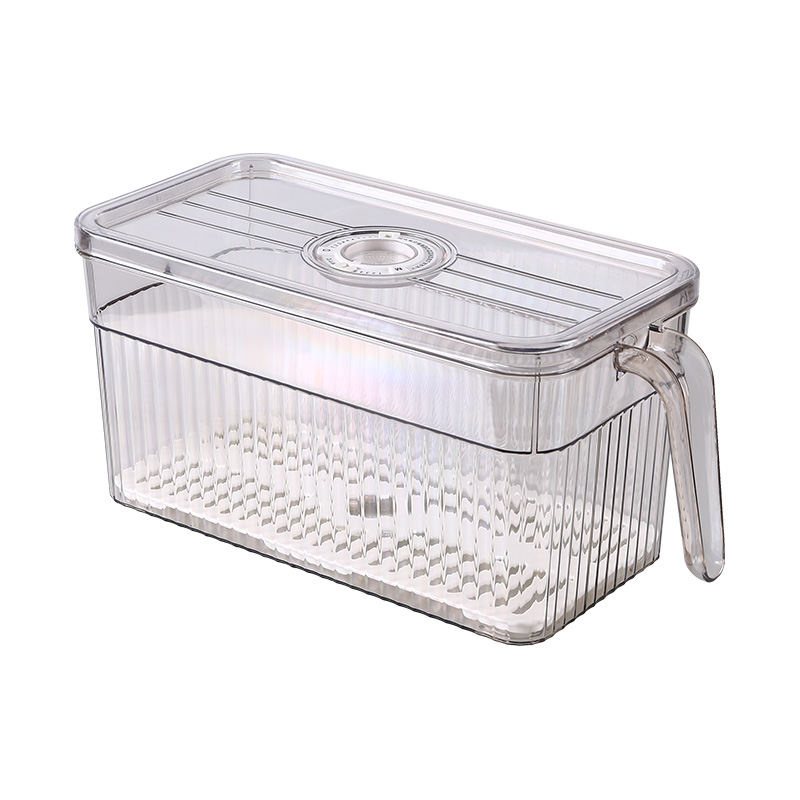
Refrigerator Storage Box Freezer Handle Storage Container
-
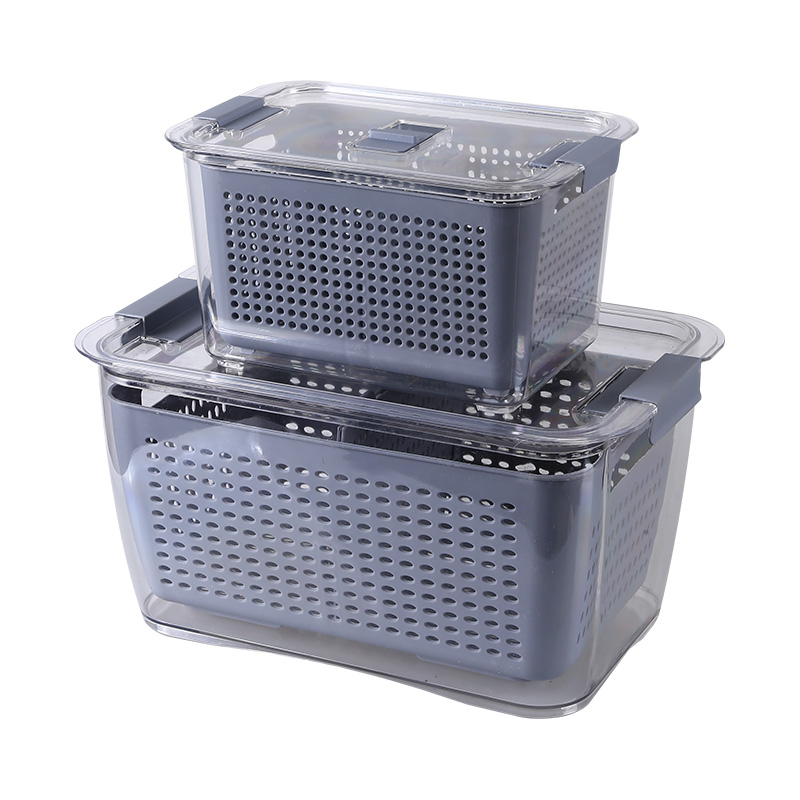
1pc Refrigerator Storage Box With Lid And Drain Basket Fruit Storage Containers Transparent Saver Container Food Organizer Bins
-
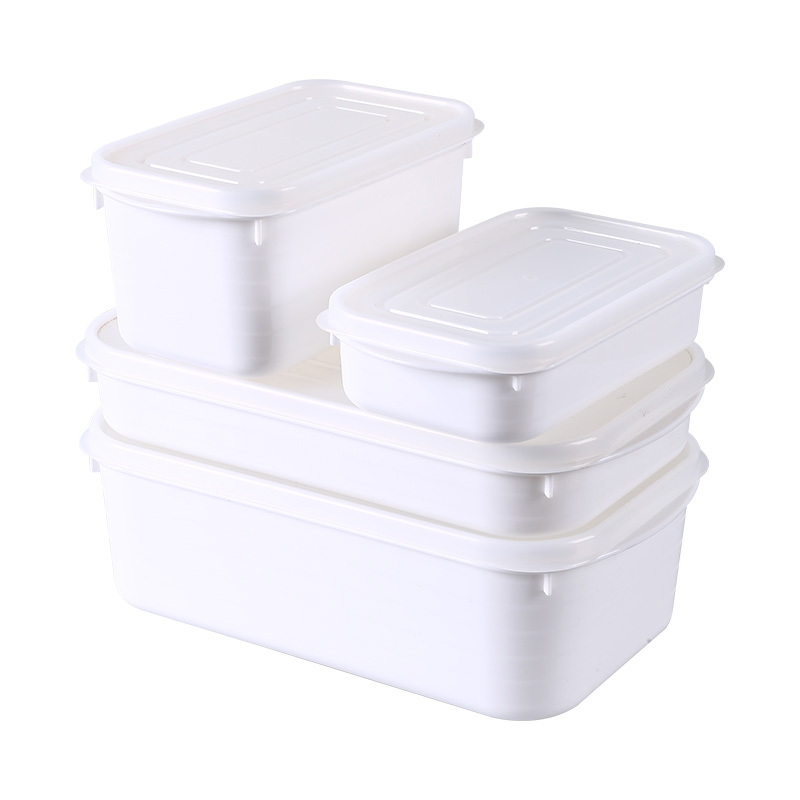
Food Storage Large Capacity Fresh-Keeping Eco Reusable Box Bento Food Leakproof Container
-
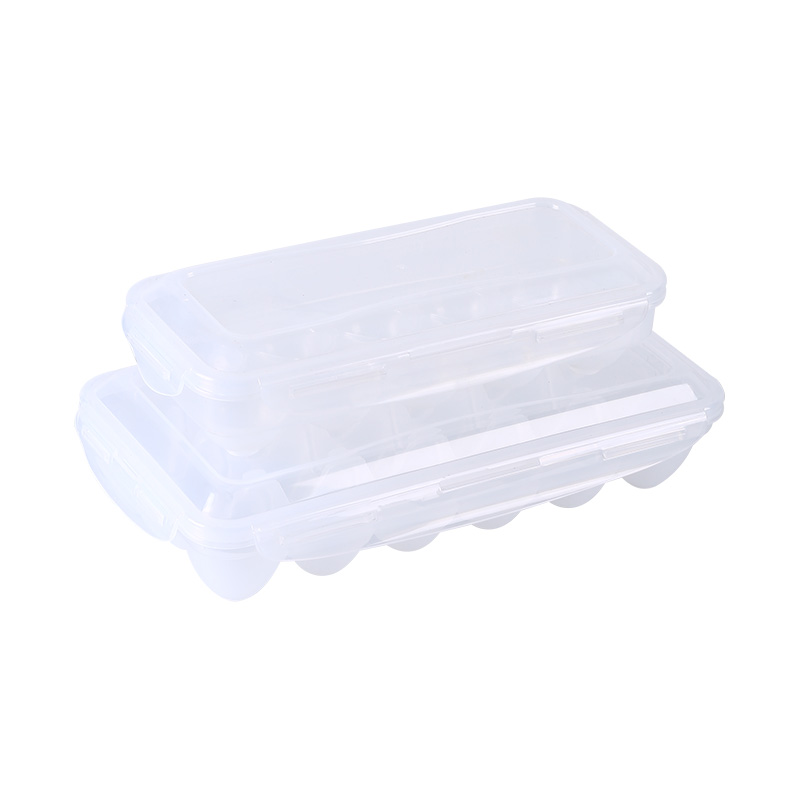
PP Plastic Egg Tray Storage Box
-
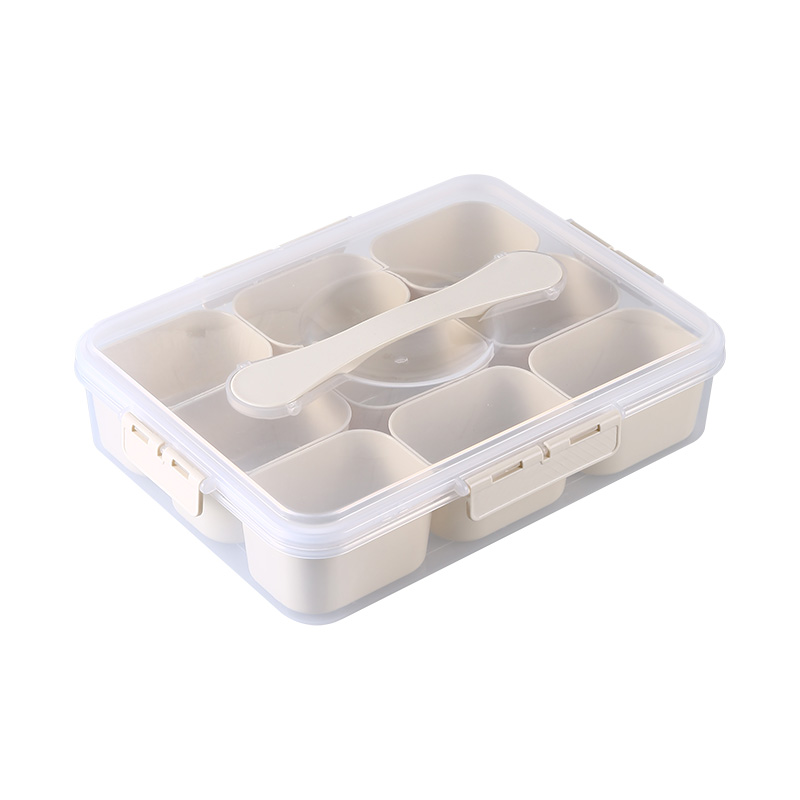
9 Compartment Divided Serving Tray With Lid And Handle Dried Fruit Storage Box
-
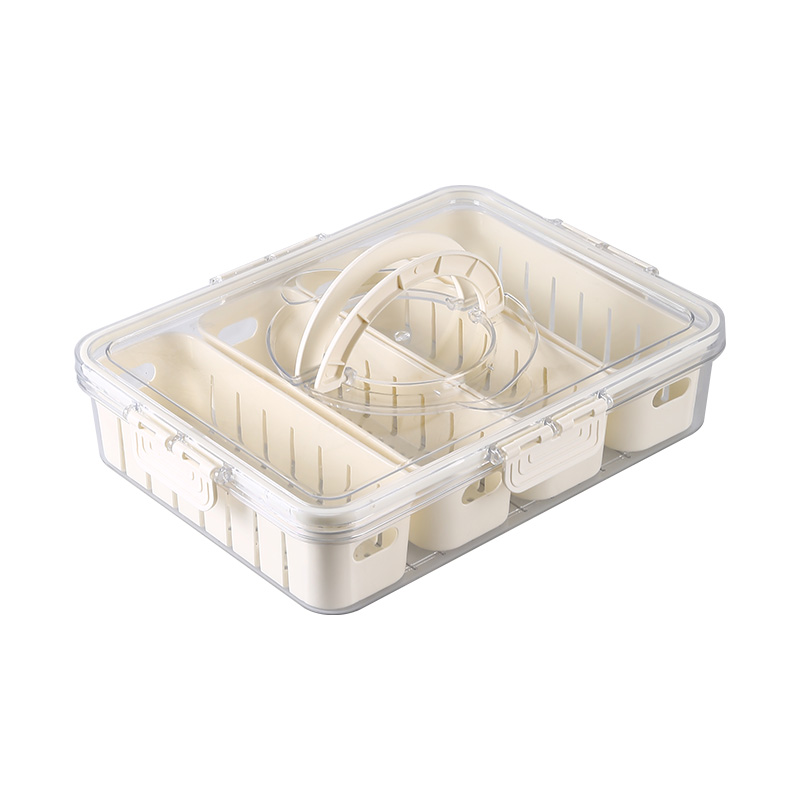
PP Material Handheld Fresh-Keeping Sealed Box Dry Food Classification Storage Box
-
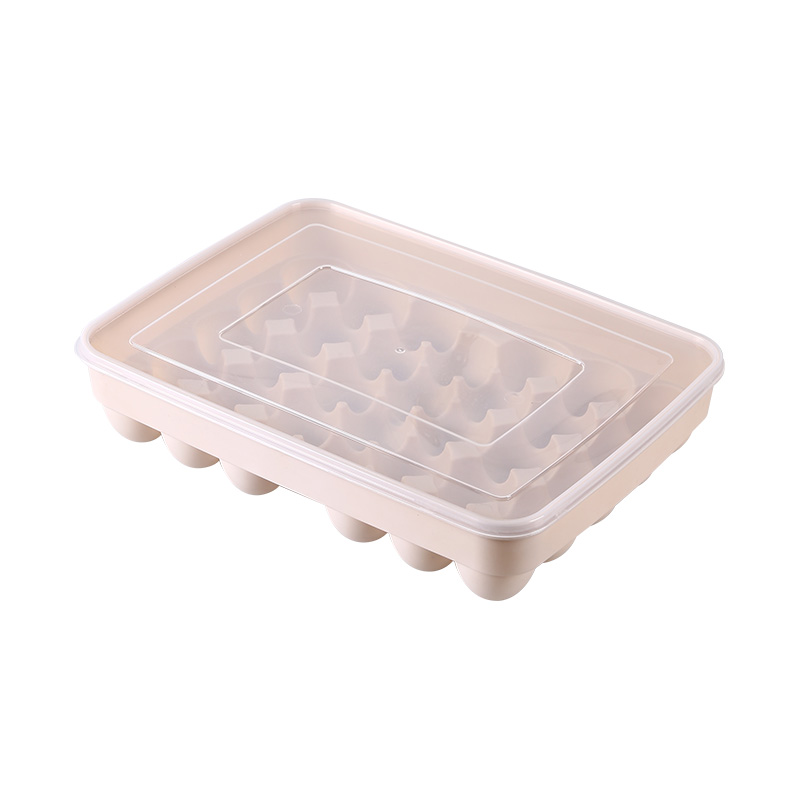
Refrigerator Storage Multi-Grid Egg Box Can Be Stacked With Cover To Food Preservation Box
-
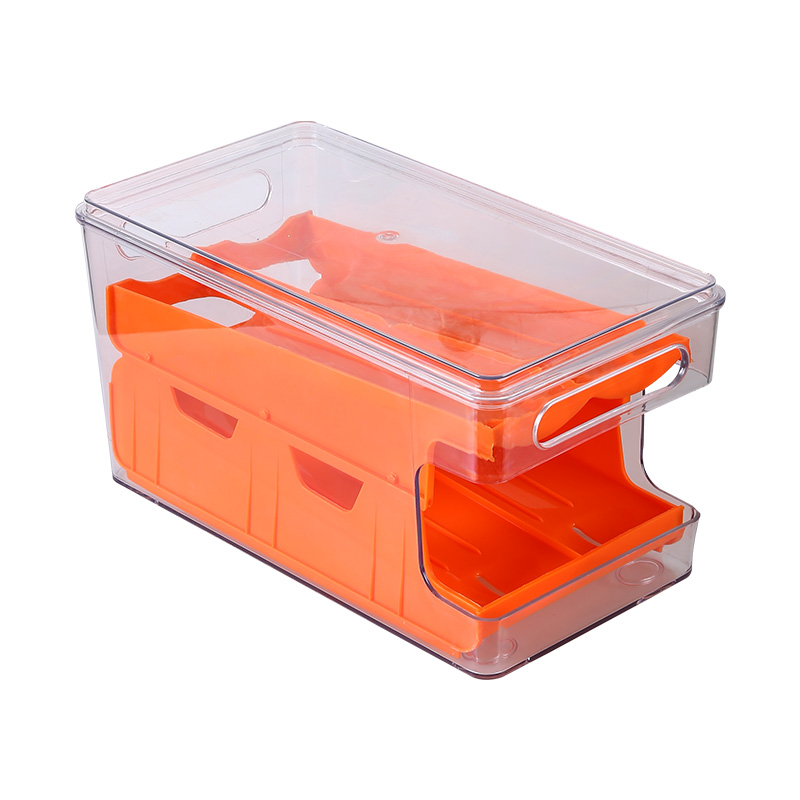
Dual-Layer Transparent Egg Storage Rack Eco-Friendly Slide-Type Household Kitchen

 No. 7 Yicheng Middle Road, Anzhou Street, Xianju, Taizhou, Zhejiang, China.
 +86-0576-89370898
Copyright© Taizhou Soudelor Plastic Industry Co., Ltd. All Rights Reserved.
ECO Friendly Plastic Products Factory
