
 English
 中文简体
中文简体 Deutsch


Why Is Wheat Straw Material Tableware Gaining Attention in Everyday Dining?
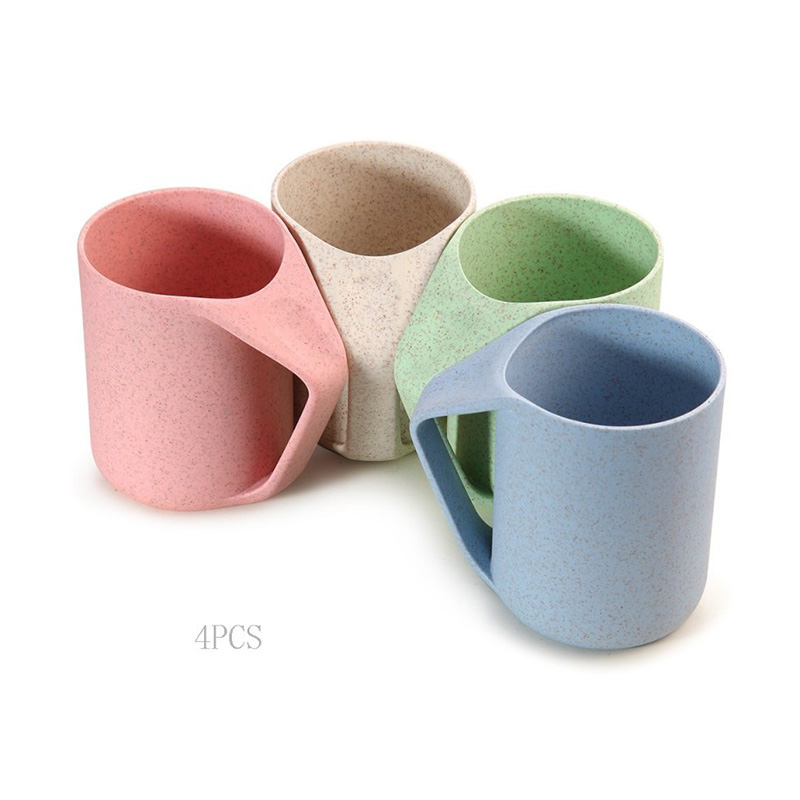
As more consumers look for practical ways to reduce plastic use, Wheat Straw Material Tableware has started to appear in homes, offices, cafés, and outdoor events. This type of tableware offers a simple transition toward eco-minded dining habits without forcing people to drastically change their routines. Made from agricultural byproducts, the material carries a natural look and lightweight feel that appeals to people searching for everyday convenience paired with lower environmental impact.
1. What Makes Wheat Straw a Useful Material?
Wheat straw is the leftover stalk after grain harvesting. Instead of being discarded or burned, it can be processed into durable, food-safe material. This gives Wheat Straw Material Tableware a meaningful origin story—transforming agricultural waste into a practical household item.
Key characteristics include:
- Lightweight Structure: Easy to carry, which makes it suitable for picnics, lunch boxes, and travel.
- Natural Texture: The subtle fiber pattern offers a clean, earthy appearance.
- Heat Resistance: Many products handle typical food temperatures without deforming.
By reusing a natural byproduct, manufacturers create a material that feels accessible and familiar while reducing unnecessary waste.
2. Everyday Uses in Homes and On-the-Go Activities
The versatility of Wheat Straw Material Tableware makes it suitable for many daily scenarios:
- Home dining: Plates, bowls, and cups made from wheat straw work well for families with children due to their light weight and durability.
- Office lunches: Reusable lunch sets fit well in bags without adding much weight.
- Outdoor activities: Camping, picnics, road trips, and beach outings benefit from lightweight, reusable tableware.
- Cafés and food trucks: Some food businesses use wheat straw disposables as a greener alternative to traditional single-use items.
Its practicality helps users replace plastic items naturally, without adjusting their eating habits or workflows.
3. Advantages That Matter to Consumers
People choose Wheat Straw Material Tableware for several practical reasons:
- Reusability: Many products withstand repeated washing and daily handling.
- Ease of Cleaning: Smooth inner surfaces prevent food from sticking, making cleaning straightforward.
- Gentle Handling: Lighter than ceramic and less breakable, which suits homes with children or seniors.
- Variety of Colors and Shapes: A subtle, pastel-like palette is common, appealing to users who enjoy simple and calming designs.
These advantages support a comfortable dining experience without overcomplicating daily routines.
4. How the Material is Processed
The transformation from wheat straw fiber to tableware involves several steps:
- Fiber extraction: The stalks are processed into fine fibers.
- Mixing and molding: Fibers combine with food-safe binders before being shaped into plates, cups, or bowls.
- Polishing and finishing: Surfaces are smoothed and edges rounded for comfortable use.
- Quality testing: Manufacturers often perform checks for durability, heat resistance, and safety.
This structured process gives Wheat Straw Material Tableware a consistent look and feel while maintaining the natural qualities of the original plant fibers.
5. Sustainability Perspectives and Market Trends
Interest in this material is growing because it ties directly to current lifestyle trends:
- Waste reduction: Using agricultural byproducts reduces unnecessary burning or disposal.
- Simplified eco-friendly choices: Consumers appreciate products that are easy to adopt without technical knowledge.
- Youth and family appeal: The soft colors and lightweight design attract students and parents looking for safe, reusable items.
- Corporate and event use: Businesses involved in hospitality or large gatherings increasingly choose wheat-straw-based tableware for responsible branding.
These trends show how Wheat Straw Material Tableware fits into a broader shift toward low-impact, practical consumer products.
Wheat Straw Material Tableware demonstrates how everyday dining items can align with sustainable habits without compromising convenience. Its lightweight, reusable, and visually pleasant nature appeals to households, students, outdoor enthusiasts, and businesses alike. By transforming agricultural waste into useful objects, this type of tableware makes responsible consumption more approachable and achievable in daily life.
Hot Products
-
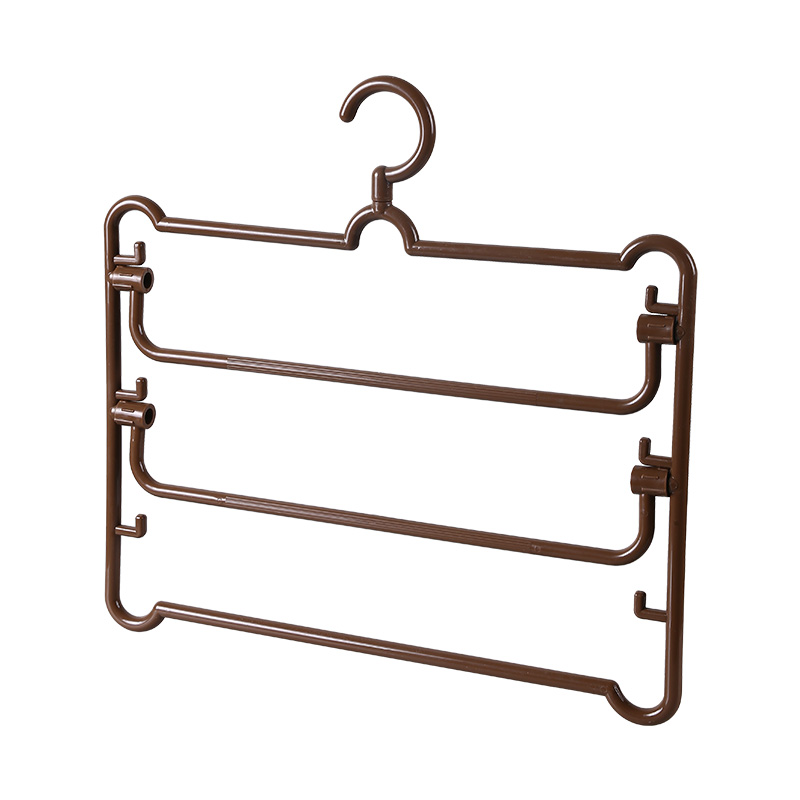
Plastic Pants Hanger (3 Bars)
-
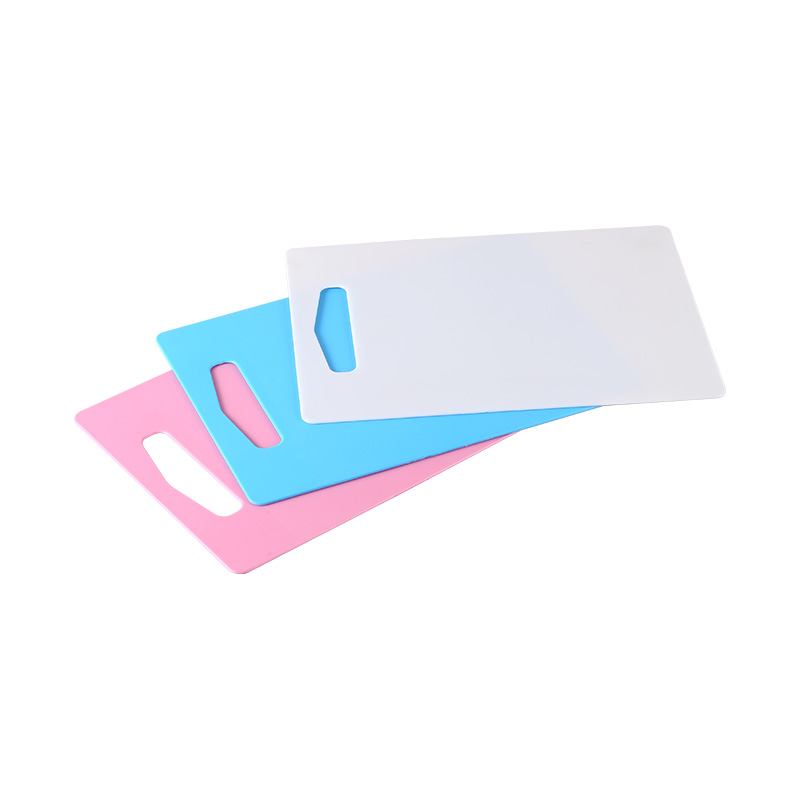
Plastic Chopping Board Food Cutting Block Mat Tool
-
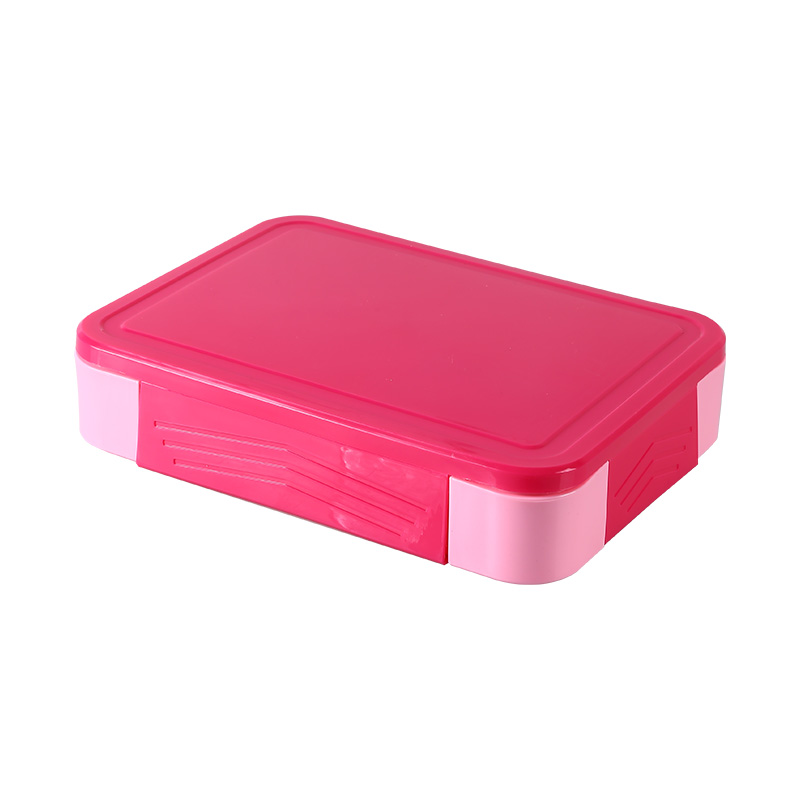
Food Storage Container For Adult Kids All-In-One Lunch Box
-
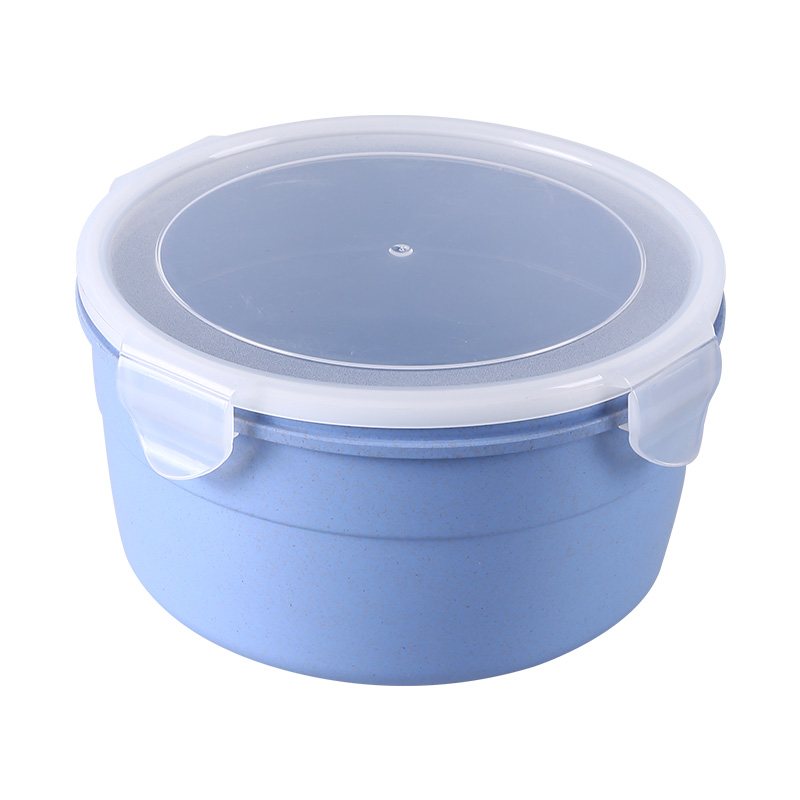
Mini Round Food Preservation Box
-
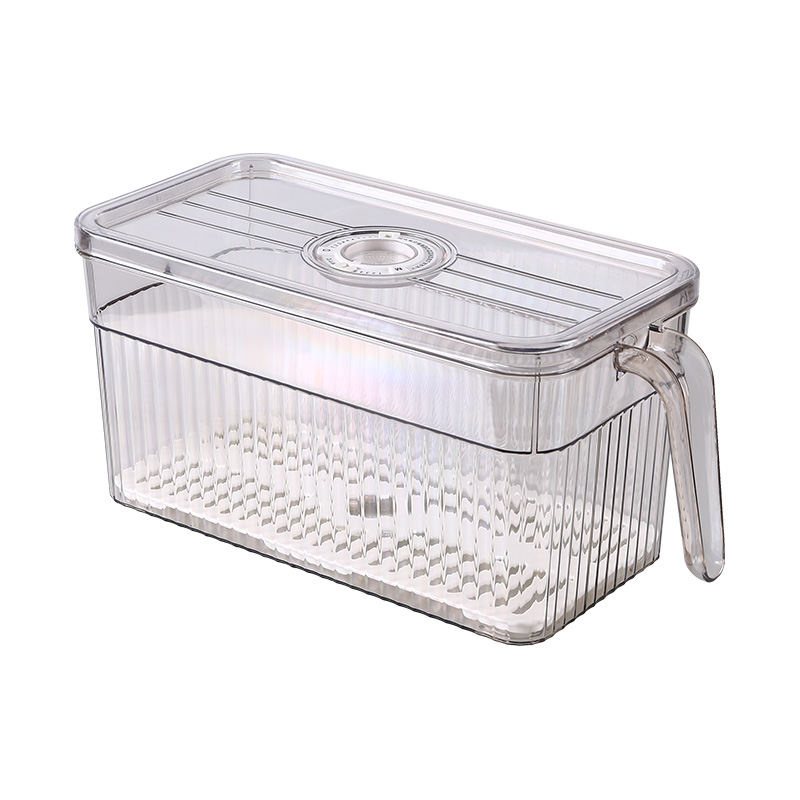
Refrigerator Storage Box Freezer Handle Storage Container
-
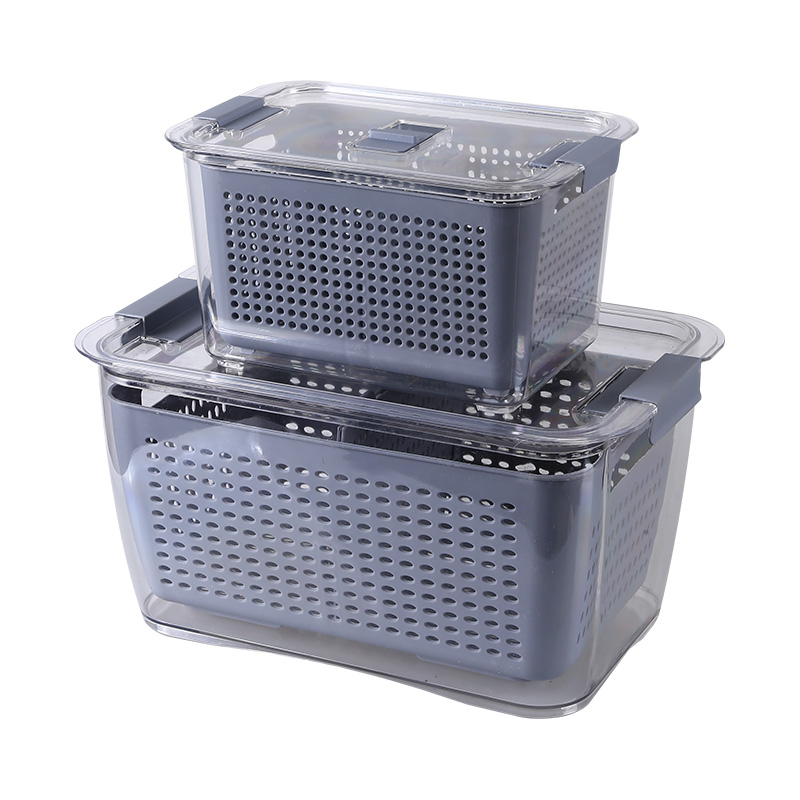
1pc Refrigerator Storage Box With Lid And Drain Basket Fruit Storage Containers Transparent Saver Container Food Organizer Bins
-
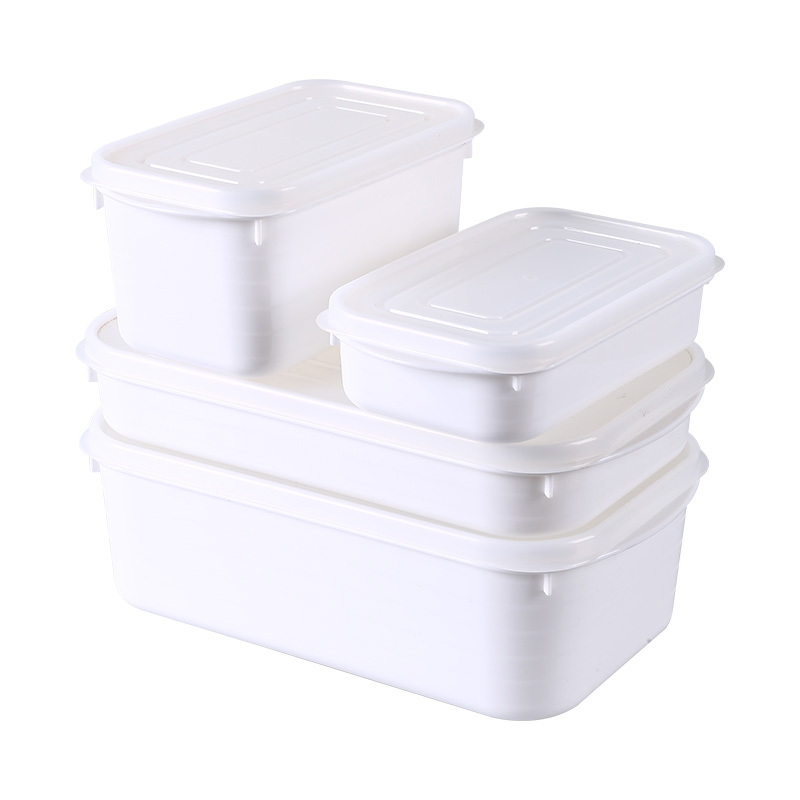
Food Storage Large Capacity Fresh-Keeping Eco Reusable Box Bento Food Leakproof Container
-
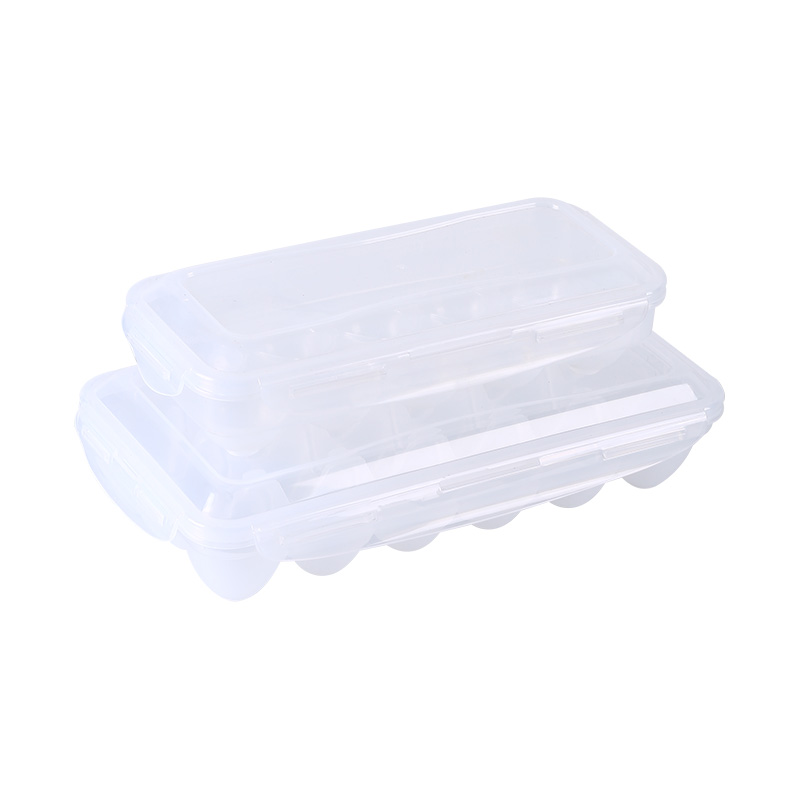
PP Plastic Egg Tray Storage Box
-
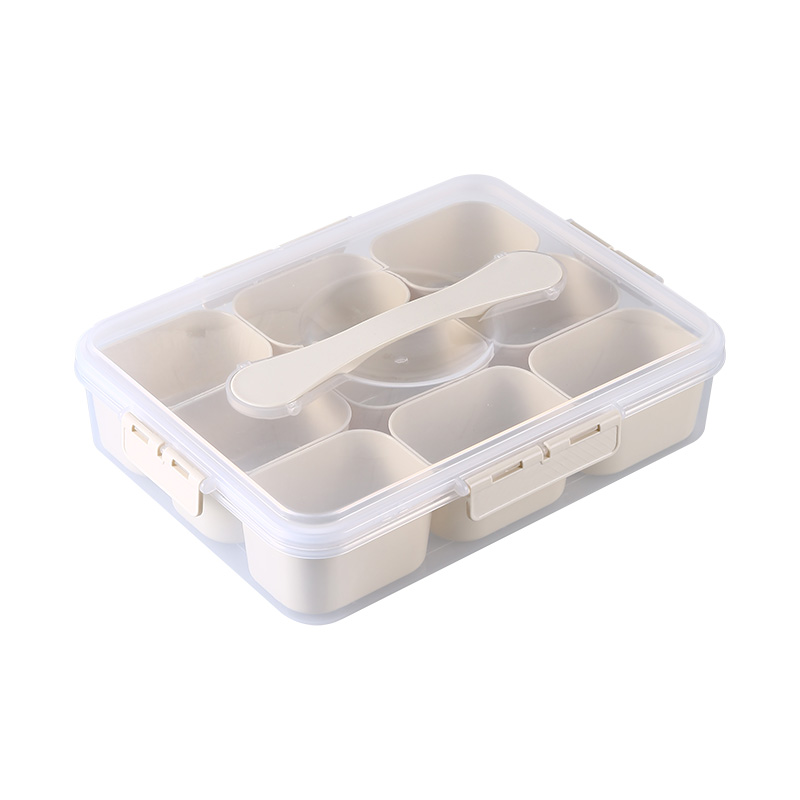
9 Compartment Divided Serving Tray With Lid And Handle Dried Fruit Storage Box
-
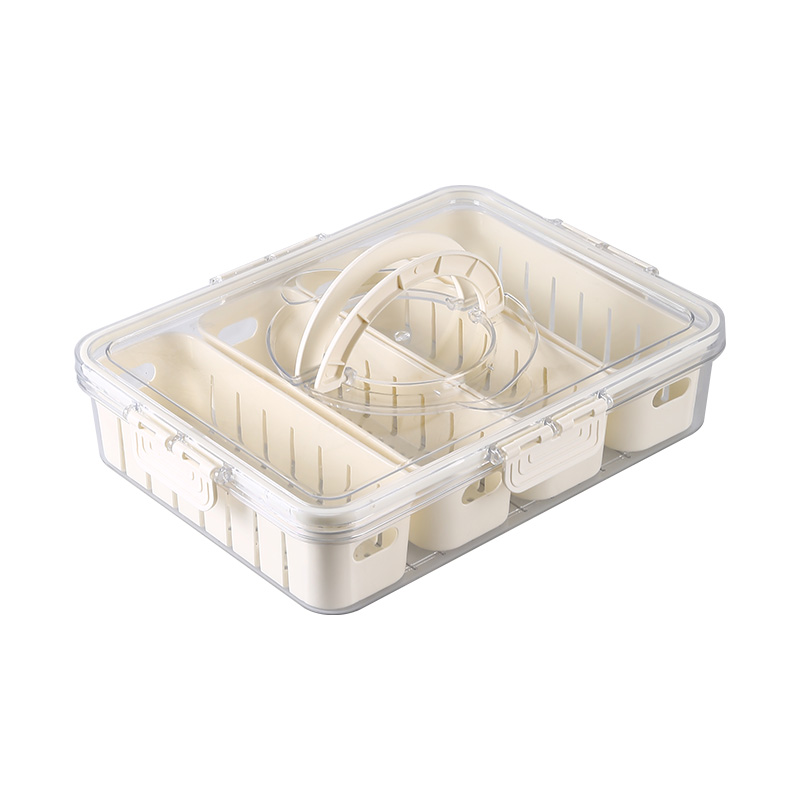
PP Material Handheld Fresh-Keeping Sealed Box Dry Food Classification Storage Box
-
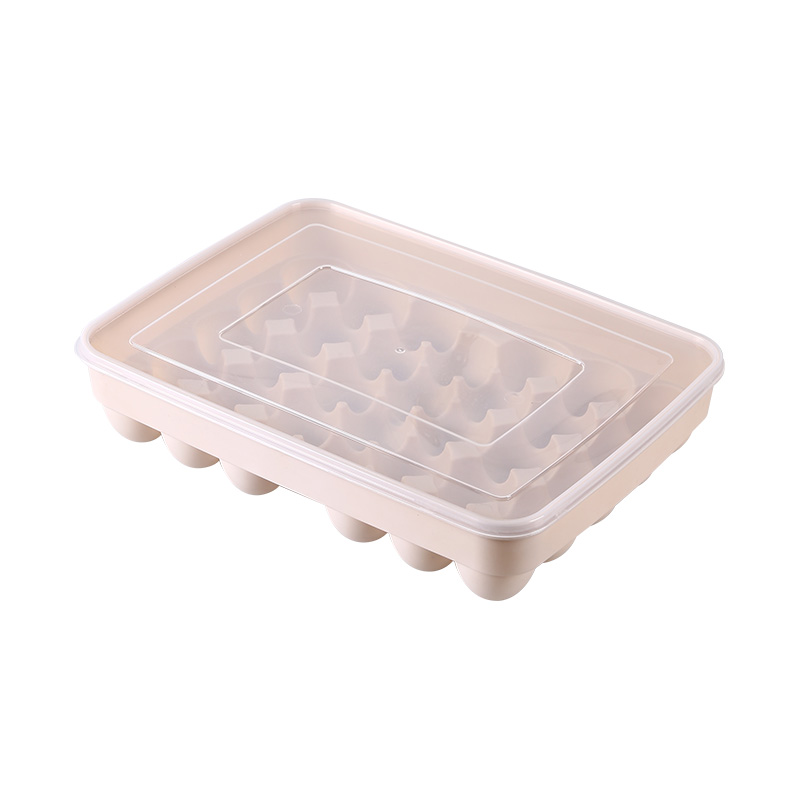
Refrigerator Storage Multi-Grid Egg Box Can Be Stacked With Cover To Food Preservation Box
-
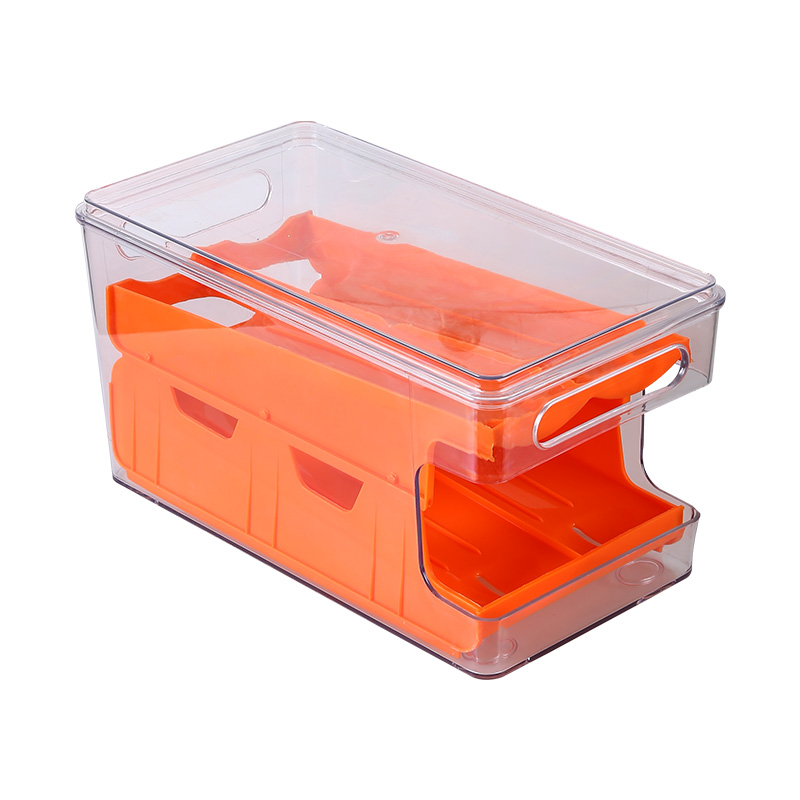
Dual-Layer Transparent Egg Storage Rack Eco-Friendly Slide-Type Household Kitchen

 No. 7 Yicheng Middle Road, Anzhou Street, Xianju, Taizhou, Zhejiang, China.
 +86-0576-89370898
Copyright© Taizhou Soudelor Plastic Industry Co., Ltd. All Rights Reserved.
ECO Friendly Plastic Products Factory
