
 English
 中文简体
中文简体 Deutsch


Wheat Straw Mugs Enter the New Era of Daily Coffee Habits
Coffee culture is changing from a simple beverage routine into a lifestyle choice. Many consumers now pay attention to the materials, portability, and long-term usability of the cups they use every day. From office desks to outdoor trips, people expect coffee mugs to provide convenience while matching their growing interest in responsible consumption.
The increasing popularity of the Biodegradable Wheat Straw Coffee Mug reflects this change. Made with plant-based wheat straw materials combined with suitable food-grade components, these mugs offer a lightweight alternative for daily drinking scenarios. Wheat straw materials are commonly produced by processing agricultural by-products into useful products such as cups, plates, and containers.
Rather than focusing only on appearance, modern coffee mug designs consider material innovation, user comfort, and practical performance. These factors are helping wheat straw mugs become part of a new generation of everyday drinkware.
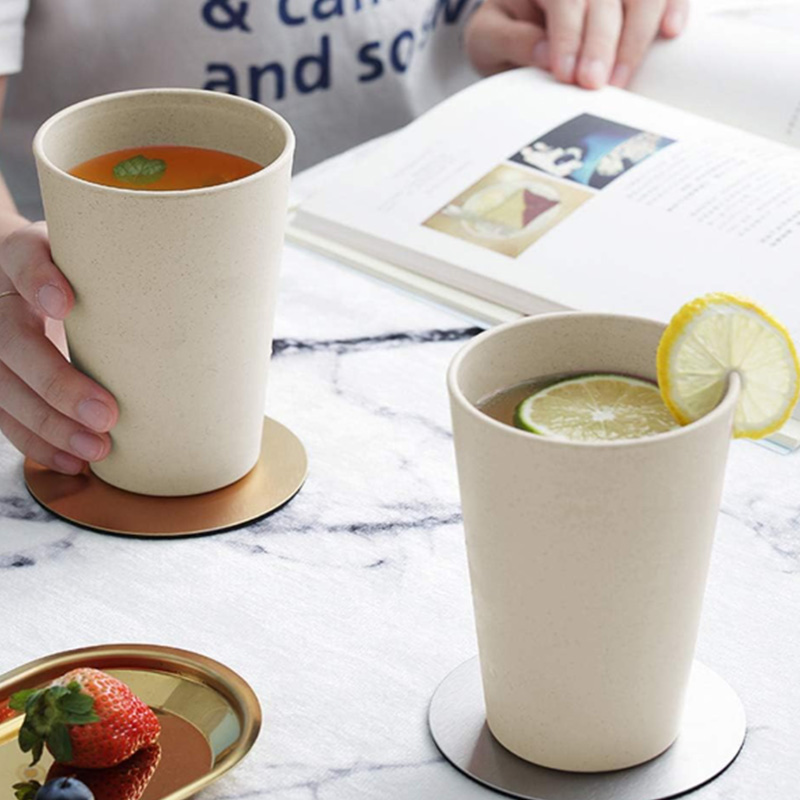
Changing Coffee Habits Create Demand for Smarter Drinkware
Coffee consumption has expanded beyond cafes. Many people prepare coffee at home, bring drinks to workplaces, or carry beverages during travel. This lifestyle requires mugs that are easy to handle, durable enough for repeated use, and suitable for different environments.
- Office coffee routines: Lightweight mugs make it easier for employees to enjoy beverages throughout the working day.
- Outdoor activities: Portable designs support camping, picnics, and travel applications.
- Home beverage use: Stackable structures and easy cleaning features improve daily convenience.
The shift toward reusable drinkware shows that consumers are not only looking for a container for coffee. They are also considering how the product fits into their daily habits.
Why Wheat Straw Materials Attract Consumer Attention
Wheat straw has gained interest as a material option because it uses agricultural residues that would otherwise have limited applications. Through processing technologies, wheat straw fibers can become part of composite materials used for household products.
A modern wheat straw mug usually combines natural fiber content with food-contact materials to achieve better strength and stability. The exact formulation varies by manufacturer, but many products use wheat straw fiber blended with materials such as food-grade polypropylene to improve durability.
- Lightweight structure: Easier to carry compared with heavier ceramic alternatives.
- Natural appearance: The fiber texture creates a distinctive visual style.
- Reusable design: Suitable for repeated daily beverage use.
Technical Features Behind Modern Wheat Straw Coffee Mugs
The performance of a coffee mug depends on more than its material source. Structural design, wall thickness, and manufacturing precision influence how comfortable and reliable the product feels during use.
Balanced Material Structure
A well-designed Biodegradable Wheat Straw Coffee Mug normally focuses on achieving a balance between lightweight performance and mechanical strength.
- Material composition: Wheat straw fiber combined with suitable food-grade binders or polymers.
- Wall thickness: Commonly around 1.5–3 mm depending on mug capacity and design requirements.
- Capacity options: Frequently available in sizes around 250 ml to 500 ml for coffee, tea, juice, and other drinks.
- Surface treatment: Smooth finishing improves hand comfort and cleaning convenience.
Functional Handle and Stackable Designs
Coffee mugs used at home and workplaces need comfortable handling features. Rounded handles, stable bases, and stackable shapes are common improvements found in modern designs.
- Ergonomic handles reduce hand fatigue during extended use.
- Reinforced bases improve stability on desks and tables.
- Stackable structures save storage space in kitchens and offices.
How Wheat Straw Mugs Compare with Traditional Coffee Cups
Different drinkware materials provide different user experiences. Ceramic mugs offer a classic feeling but can be heavier and more fragile. Disposable paper cups provide convenience but are designed for short-term use. Plastic mugs are lightweight but vary widely depending on material quality and design.
| Material Type | Common Features | Suitable Applications |
| Wheat Straw Mug | Lightweight, reusable, natural appearance | Home, office, travel |
| Ceramic Mug | Classic texture, heat retention | Home and cafe environments |
| Paper Cup | Portable and disposable | Short-term beverage service |
| Plastic Mug | Lightweight and durable | Daily drinking scenarios |
Safety and Usage Questions Consumers Often Consider
As wheat straw drinkware becomes more common, consumers often ask about safety, cleaning, and temperature resistance. These questions influence purchasing decisions because mugs are used directly with beverages every day.
- Food contact safety: Users usually look for products made with tested food-grade materials.
- Cleaning requirements: Smooth surfaces help reduce residue buildup after drinking coffee or tea.
- Temperature suitability: Product specifications should clearly state suitable beverage temperatures.
Clear material information is becoming increasingly important because the term “wheat straw” may describe different material combinations. Understanding the actual composition helps consumers choose products that match their expectations.
New Opportunities for Personalized Coffee Experiences
Coffee mugs are also becoming lifestyle products. Consumers increasingly appreciate designs that reflect personal preferences, including different colors, shapes, capacities, and accessories.
- Color customization: Supports different home and office styles.
- Size variations: Meets needs for espresso, regular coffee, tea, and cold beverages.
- Travel-friendly features: Lids and compact structures improve portability.
These design trends show that sustainable drinkware is moving toward greater personalization rather than a single fixed style.
The Future Direction of Wheat Straw Coffee Mugs
The development of plant-based drinkware continues as material technology improves. Researchers and manufacturers are exploring new bio-based materials, production methods, and performance improvements to create products that balance usability with environmental considerations. Studies on eco-friendly beverage materials also highlight the importance of improving durability, processing methods, and end-of-life performance.
Future wheat straw mugs may include improved insulation structures, smarter designs, and enhanced material combinations. These improvements can help plant-based drinkware meet the needs of modern consumers who want practical products with a different material story.
The rise of wheat straw coffee mugs reflects a broader change in how people view everyday products. A coffee cup is no longer only about holding a drink; it represents convenience, personal habits, and material choices.
With lightweight construction, functional designs, and growing interest in plant-based materials, the Biodegradable Wheat Straw Coffee Mug is becoming an important option for modern coffee routines. As consumer expectations continue to evolve, innovative drinkware designs will keep shaping the future of daily beverage experiences.
Hot Products
-
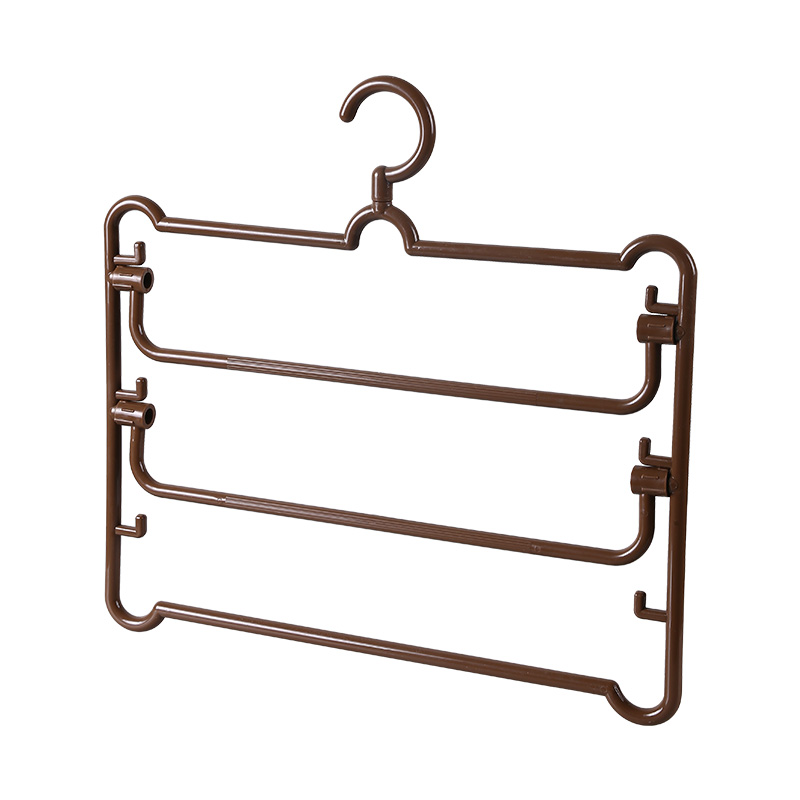
Plastic Pants Hanger (3 Bars)
-
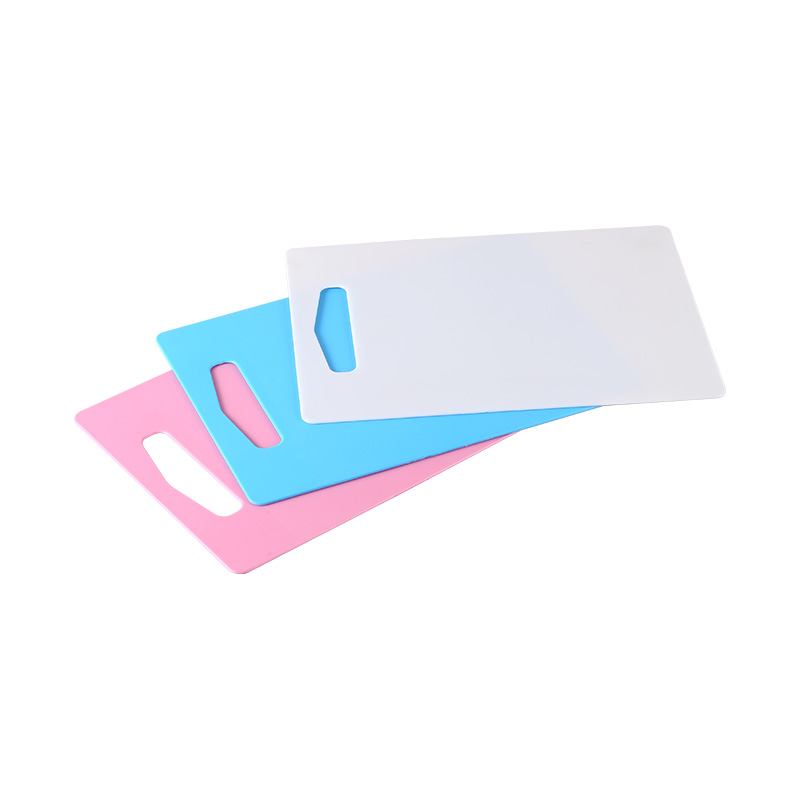
Plastic Chopping Board Food Cutting Block Mat Tool
-
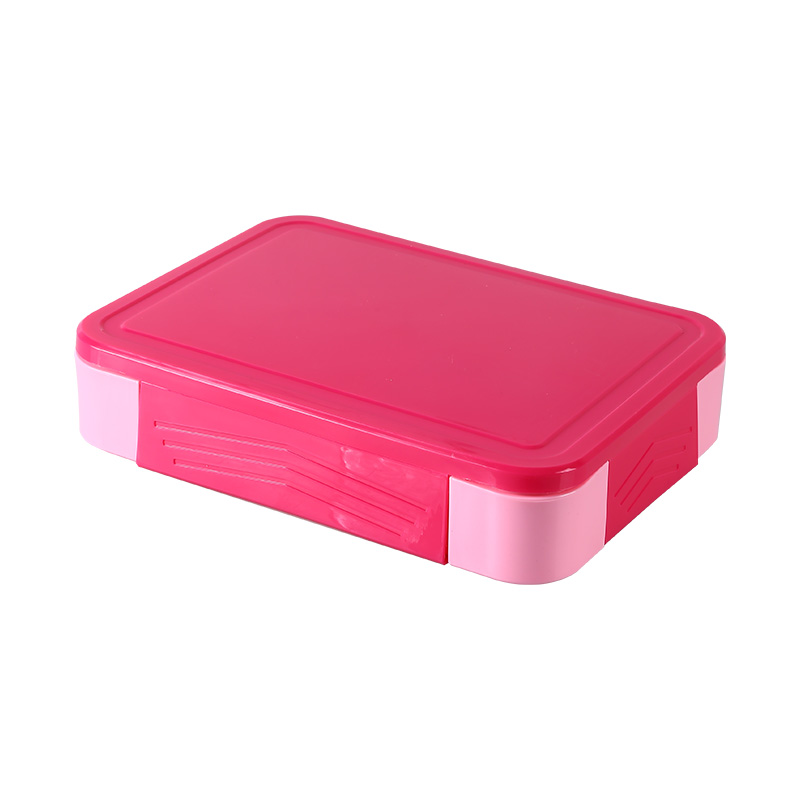
Food Storage Container For Adult Kids All-In-One Lunch Box
-
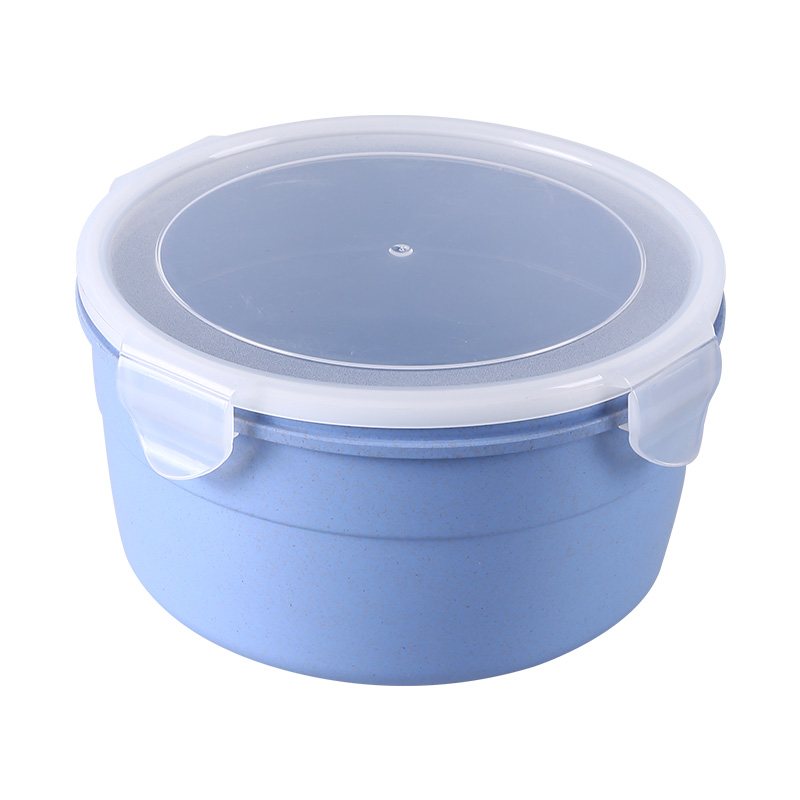
Mini Round Food Preservation Box
-
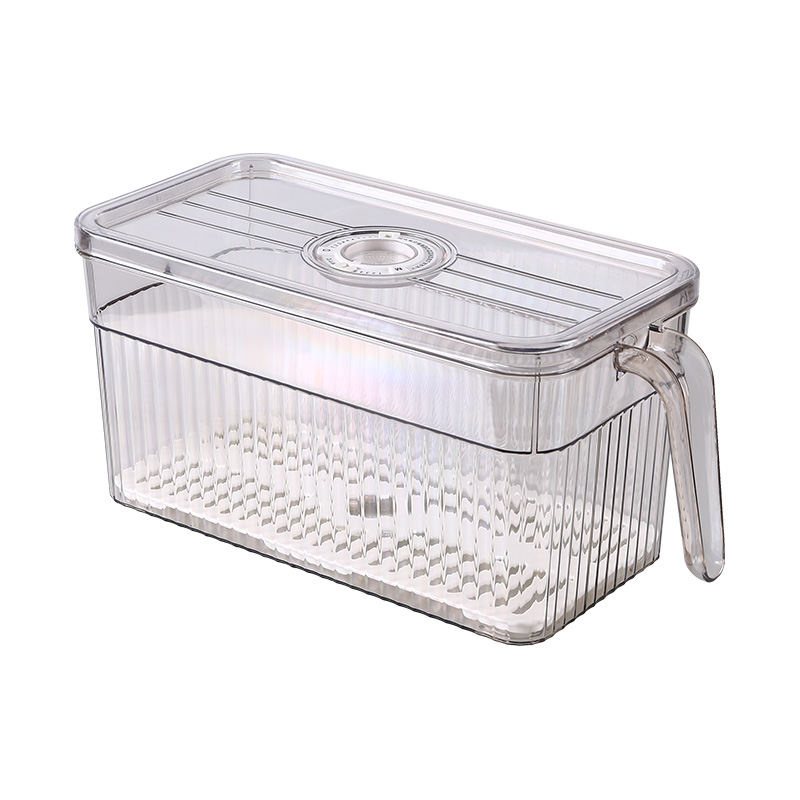
Refrigerator Storage Box Freezer Handle Storage Container
-
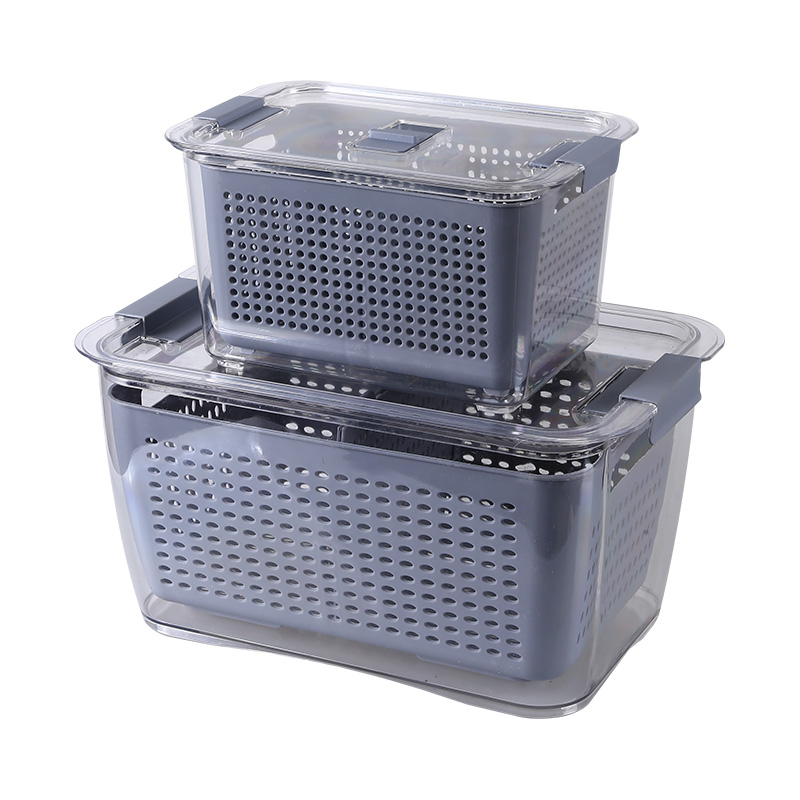
1pc Refrigerator Storage Box With Lid And Drain Basket Fruit Storage Containers Transparent Saver Container Food Organizer Bins
-
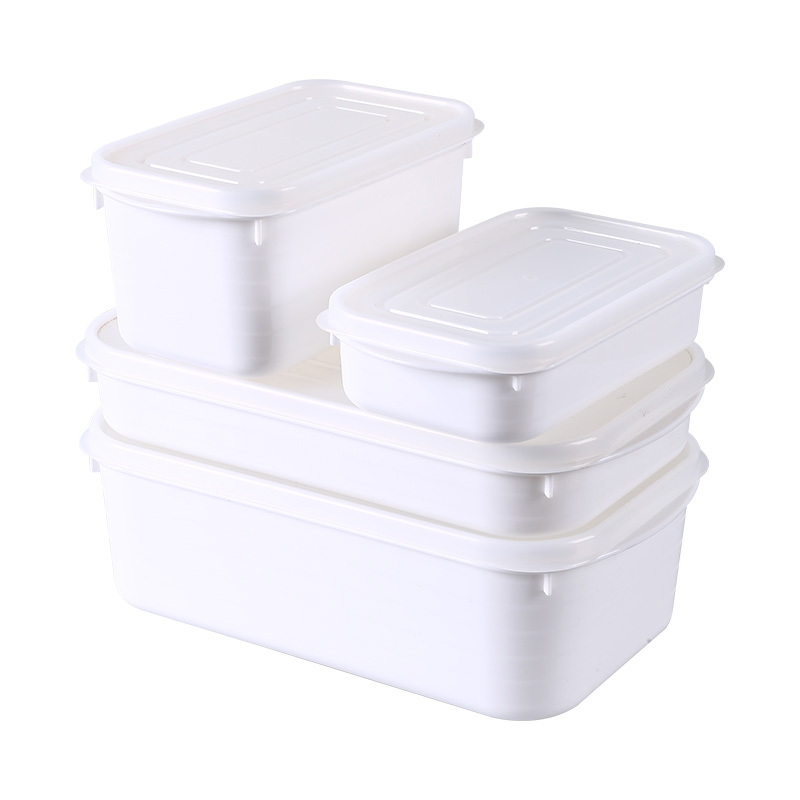
Food Storage Large Capacity Fresh-Keeping Eco Reusable Box Bento Food Leakproof Container
-
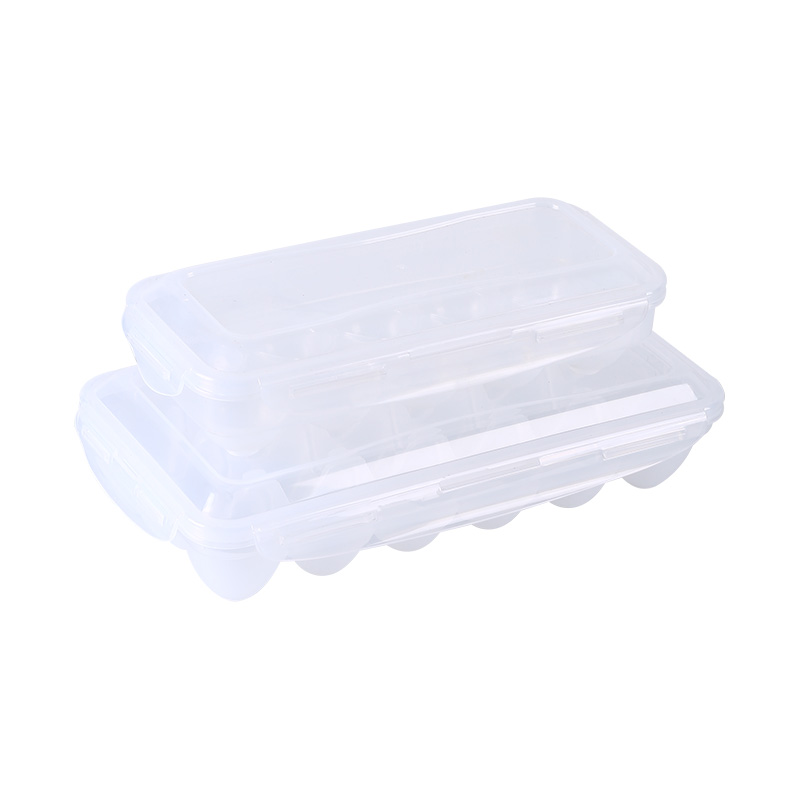
PP Plastic Egg Tray Storage Box
-
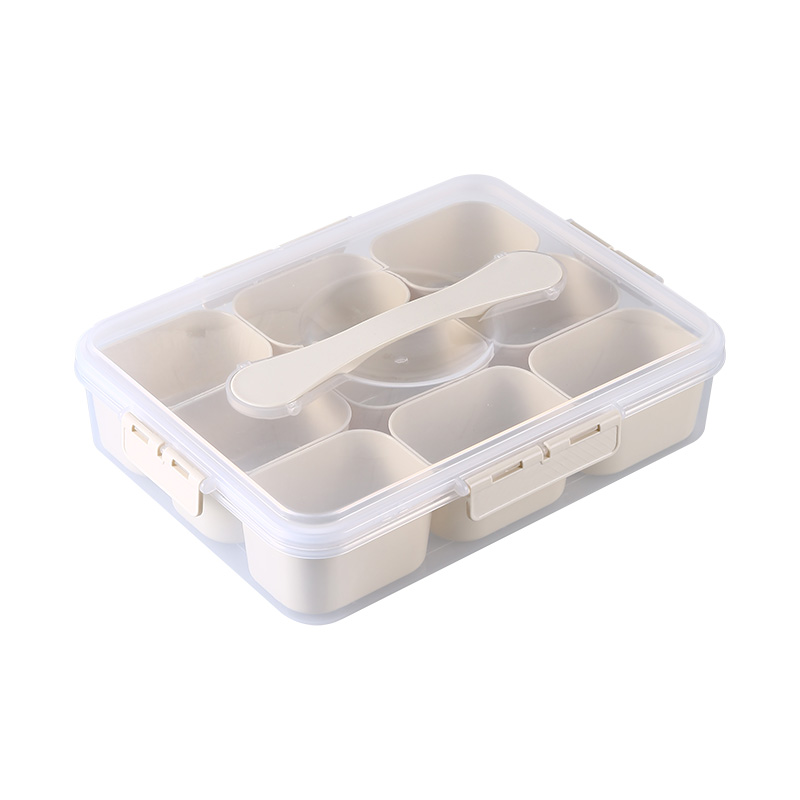
9 Compartment Divided Serving Tray With Lid And Handle Dried Fruit Storage Box
-
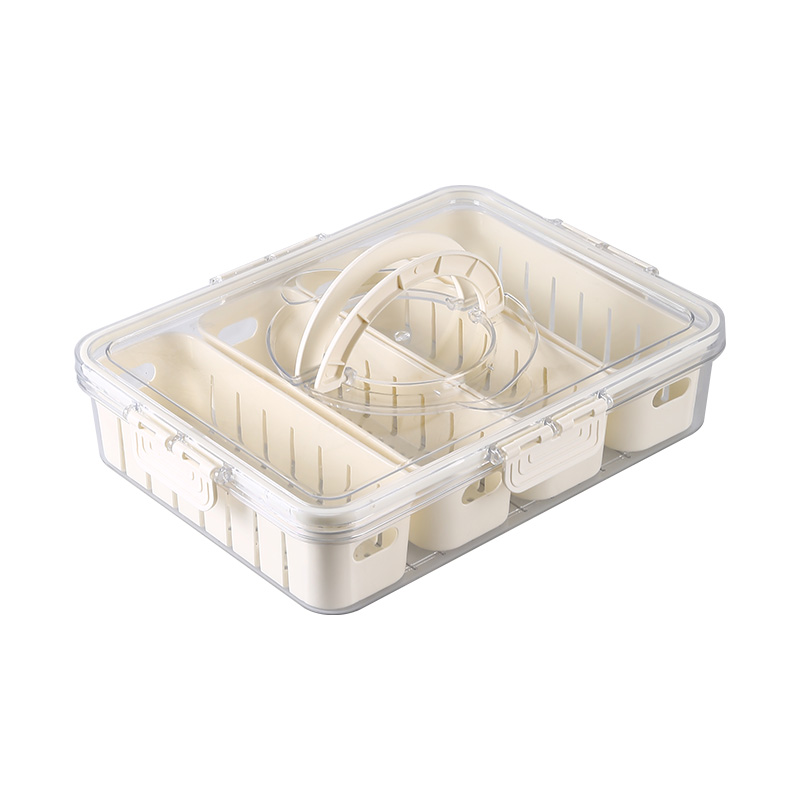
PP Material Handheld Fresh-Keeping Sealed Box Dry Food Classification Storage Box
-
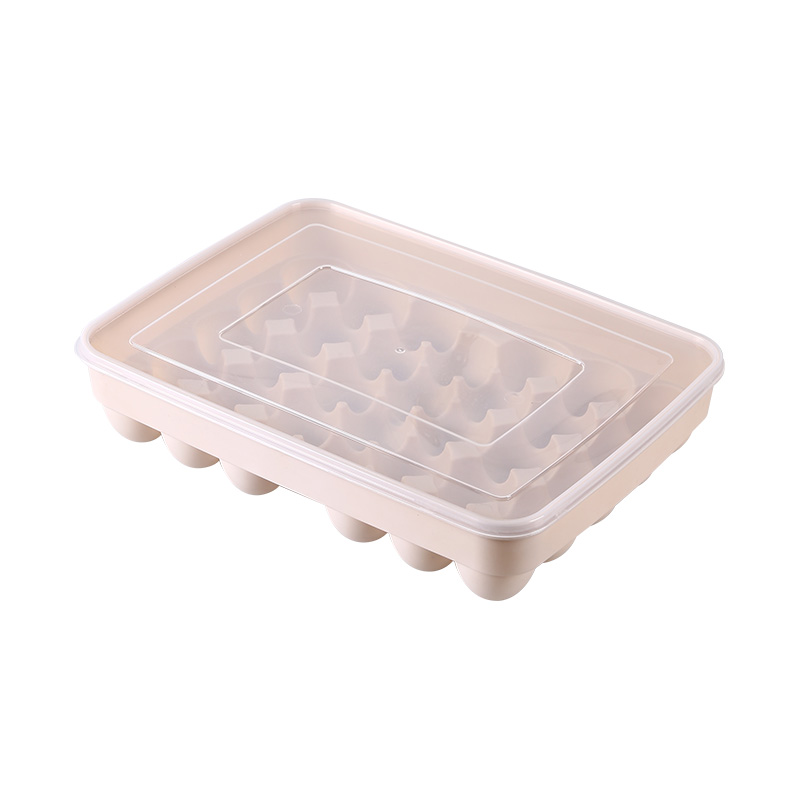
Refrigerator Storage Multi-Grid Egg Box Can Be Stacked With Cover To Food Preservation Box
-
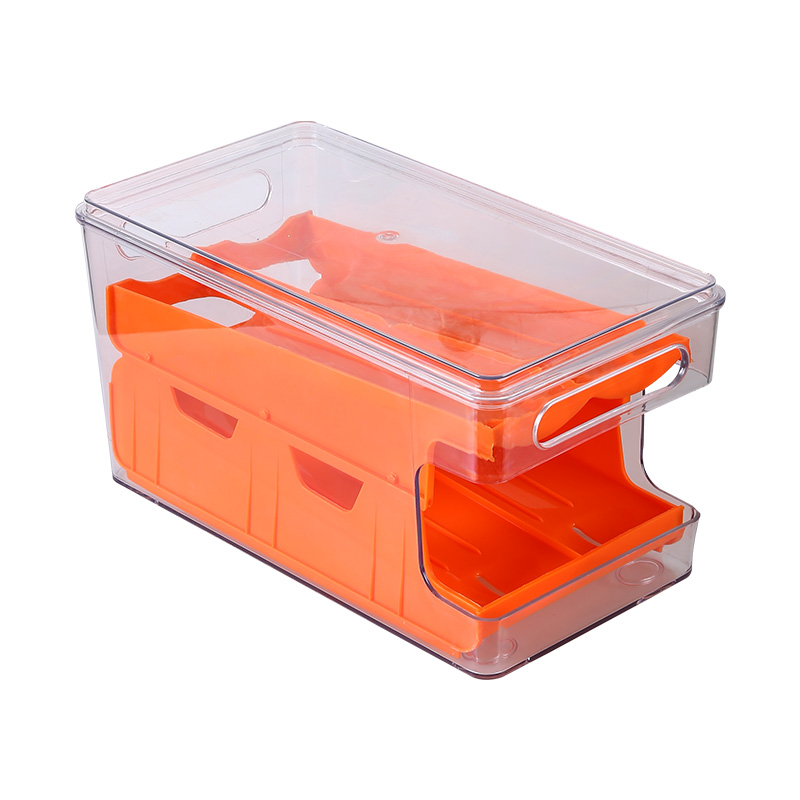
Dual-Layer Transparent Egg Storage Rack Eco-Friendly Slide-Type Household Kitchen

 No. 7 Yicheng Middle Road, Anzhou Street, Xianju, Taizhou, Zhejiang, China.
 +86-0576-89370898
Copyright© Taizhou Soudelor Plastic Industry Co., Ltd. All Rights Reserved.
ECO Friendly Plastic Products Factory
