
 English
 中文简体
中文简体 Deutsch


Can Eco-Friendly Dinner Plates Replace Traditional Tableware Choices
Dining habits are changing as consumers pay more attention to the materials used in everyday products. Plates are no longer judged only by appearance or price. Factors such as durability, convenience, safety, and environmental impact are becoming important considerations for households, restaurants, catering companies, and event organizers.
This shift has increased interest in the Environmental Plastic Dinner Plate, a product category designed to combine practical tableware functions with more responsible material concepts. Modern plastic dinner plates are being developed with improved structures, recyclable materials, and reusable features to meet changing consumer expectations. Research on sustainable dinnerware shows that consumers increasingly value attributes such as recyclable materials and reduced environmental impact when choosing tableware products.
The question is not simply whether plastic plates can replace traditional options, but how new designs can provide a balance between convenience and environmental considerations.
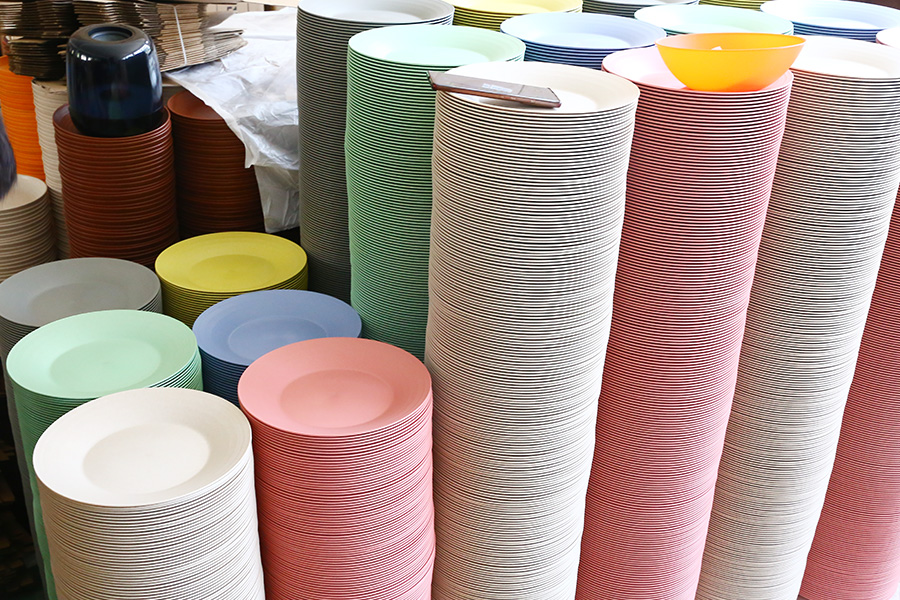
Changing Dining Scenarios Create New Tableware Requirements
Traditional ceramic plates remain popular in many homes, but modern lifestyles require more flexible solutions. Busy schedules, outdoor activities, food delivery, and large gatherings have created demand for tableware that is easier to transport and manage.
- Outdoor dining: Camping, picnics, and garden parties require lightweight plates that are easy to carry.
- Large events: Catering services need tableware that can support fast preparation and convenient handling.
- Family use: Homes with children often prefer plates that are less fragile than traditional ceramic products.
These applications encourage the development of tableware that combines practical performance with modern material solutions.
How Environmental Plastic Dinner Plates Differ from Conventional Options
The main difference between modern eco-conscious plastic plates and traditional plastic tableware lies in material selection and product design. Manufacturers are exploring improved formulations, recyclable plastics, and reusable structures to create products with better overall performance.
An Environmental Plastic Dinner Plate may use food-grade polypropylene (PP) or other suitable plastic materials designed for food contact applications. PP is commonly used because it offers a combination of lightweight characteristics, impact resistance, and processing flexibility.
- Material: Food-grade PP or environmentally considered plastic materials depending on product design.
- Thickness: Usually around 1.0–3.0 mm according to plate size and usage requirements.
- Temperature resistance: Many PP tableware products are designed for hot and cold food applications, with exact performance depending on specifications.
- Surface finish: Smooth surfaces support easier cleaning and improved appearance.
The development of eco-friendly tableware also requires clear understanding of material properties. Terms such as biodegradable, compostable, and recyclable may refer to different characteristics and should be evaluated based on actual product standards and disposal systems.
Design Features Improving Everyday Dining Experience
Modern dinner plates focus on solving common problems found in daily use. Beyond the material itself, structural design plays an important role in user satisfaction.
Lightweight Construction Supports Flexible Use
One major advantage of plastic dinner plates is portability. Compared with ceramic alternatives, plastic versions are easier to transport and handle during outdoor activities or commercial food services.
- Reduced weight makes transportation easier.
- Lower breakage risk improves convenience in busy environments.
- Stackable shapes help save storage space.
Reinforced Edges Improve Stability
Plate edges influence both appearance and performance. Many modern designs include strengthened rims that improve structural stability while helping contain food and sauces.
- Raised rims: Help prevent liquids and sauces from spilling easily.
- Rounded corners: Improve handling comfort.
- Balanced structure: Supports more stable placement on tables.
Can Plastic Plates Provide Better Solutions for Outdoor Events?
Outdoor dining has become an important application area for modern tableware. Traditional ceramic plates can be inconvenient during travel because of their weight and fragile nature.
An Environmental Plastic Dinner Plate provides a practical option for occasions such as:
- Camping trips: Lightweight plates reduce the burden of carrying kitchen supplies.
- Family gatherings: Large quantities of plates can be prepared and stored easily.
- Food festivals: Durable designs support fast serving environments.
- Corporate events: Convenient handling helps improve event organization.
Eco-friendly disposable and reusable dinnerware options continue expanding as businesses and consumers search for alternatives that reduce waste while maintaining practical performance.
Safety Questions Consumers Often Ask About Plastic Dinner Plates
Food safety remains a major concern for tableware buyers. Consumers want to understand whether plastic plates are suitable for different foods, temperatures, and cleaning methods.
- Are they food safe? Products designed for food contact should comply with relevant safety standards.
- Can they hold hot meals? Users should check temperature specifications provided for each product.
- Can they be reused? Reusable designs should maintain structural integrity after repeated cleaning.
Clear labeling and accurate product information help consumers understand how tableware should be used and disposed of properly.
Future Trends Shaping Eco-Friendly Tableware Designs
The future of dinnerware development is moving toward a combination of improved functionality and responsible material choices. Instead of focusing on one single feature, manufacturers are exploring multiple improvements together.
- Material innovation: New blends and improved recycling solutions are being explored.
- Multi-purpose designs: Plates are being created for home, travel, and commercial applications.
- Better durability: Stronger structures help extend product usability.
- Modern appearance: Consumers increasingly expect sustainable products to have attractive designs.
The growth of sustainable tableware does not mean replacing every traditional plate immediately. Instead, it represents a gradual change toward products that better match modern lifestyles and environmental expectations.
Eco-friendly dinner plates are becoming a practical alternative in many dining situations because they combine convenience, lightweight construction, and improved material concepts. The success of these products depends on their ability to deliver reliable performance while meeting consumer expectations for responsible choices.
The Environmental Plastic Dinner Plate represents this transition by showing how everyday tableware can evolve through better design and material innovation. As consumers continue searching for flexible dining solutions, environmentally considered tableware will remain an important direction for homes, businesses, and food service industries.
Hot Products
-
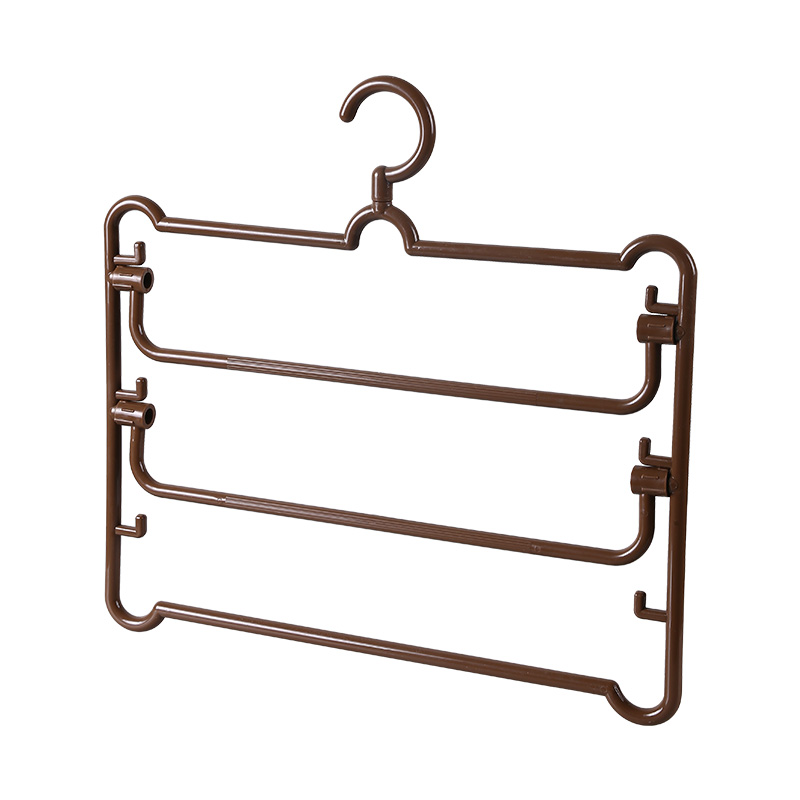
Plastic Pants Hanger (3 Bars)
-
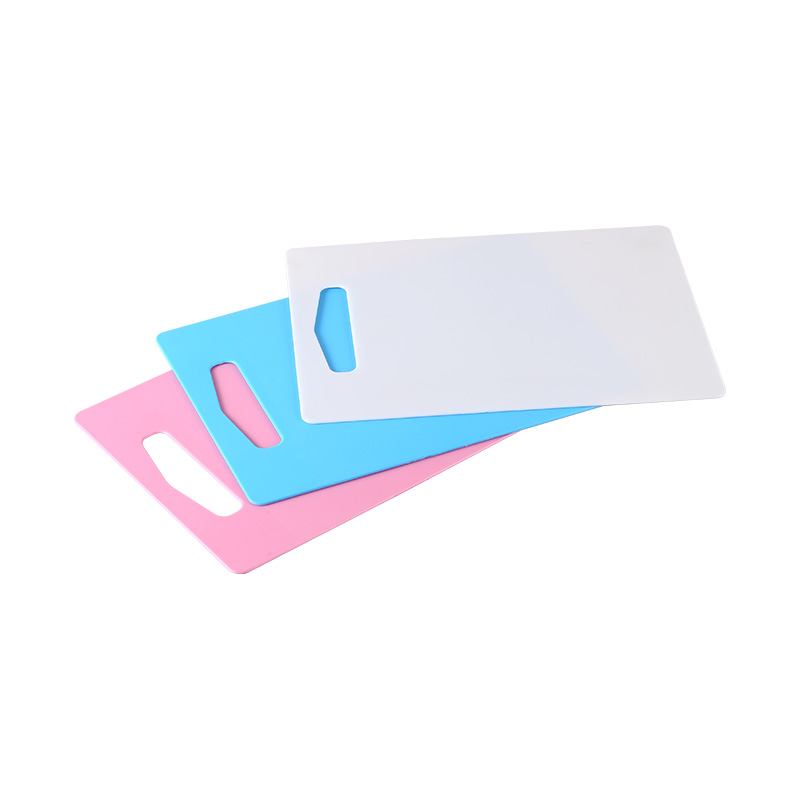
Plastic Chopping Board Food Cutting Block Mat Tool
-
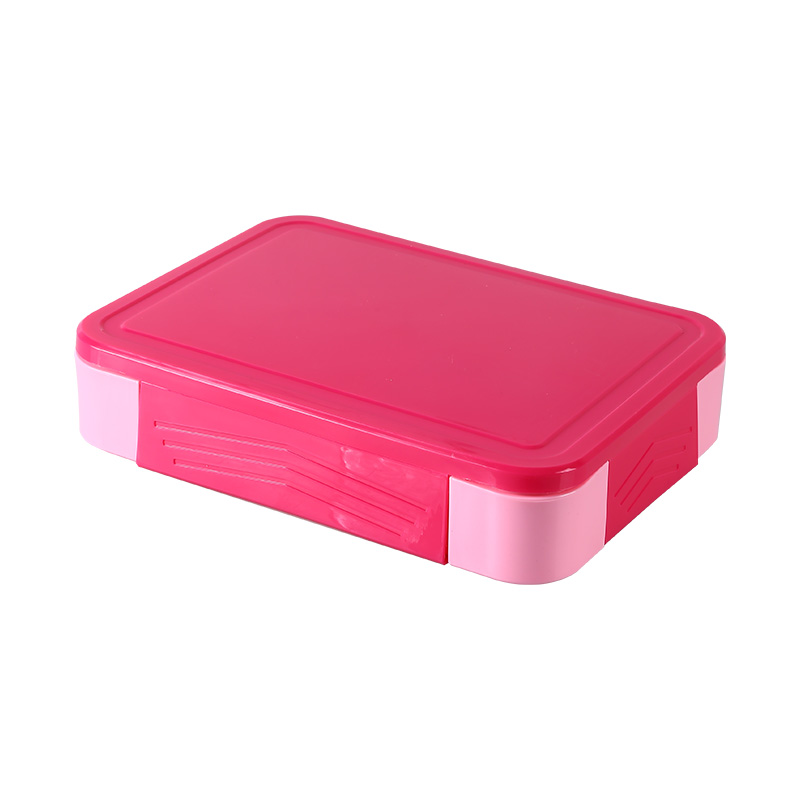
Food Storage Container For Adult Kids All-In-One Lunch Box
-
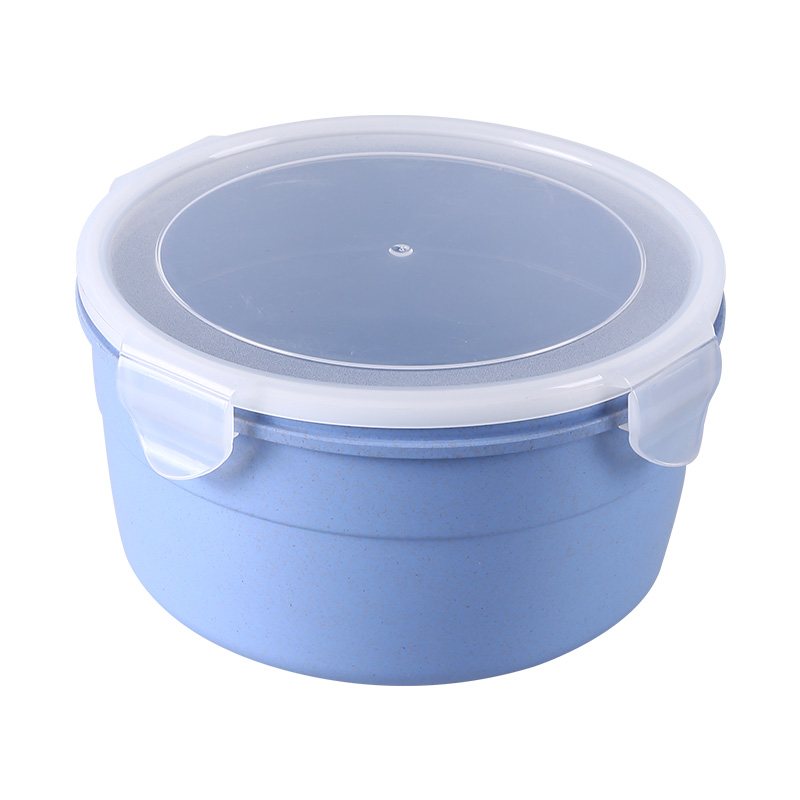
Mini Round Food Preservation Box
-
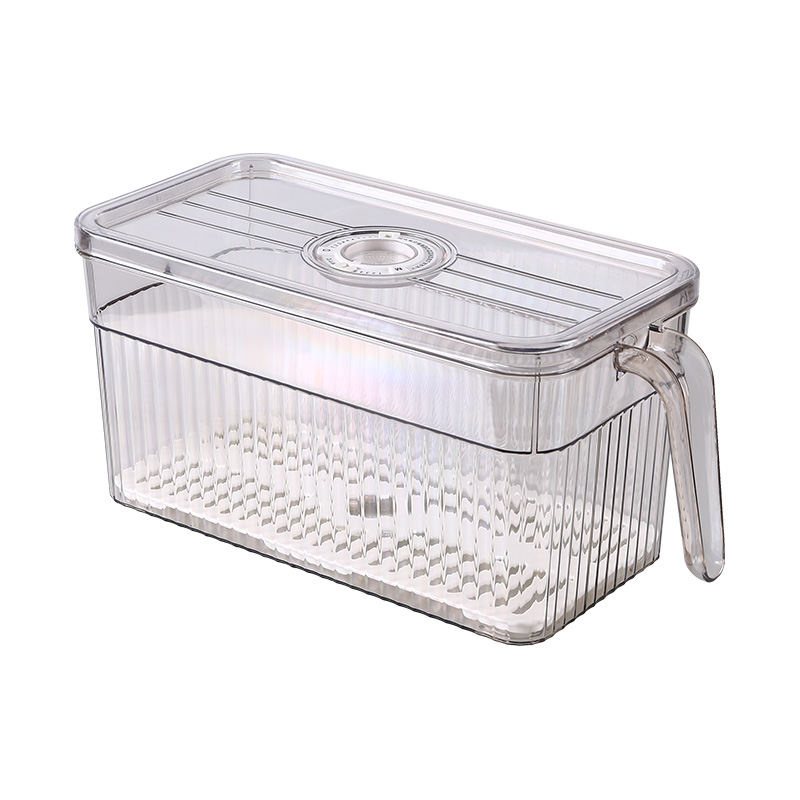
Refrigerator Storage Box Freezer Handle Storage Container
-
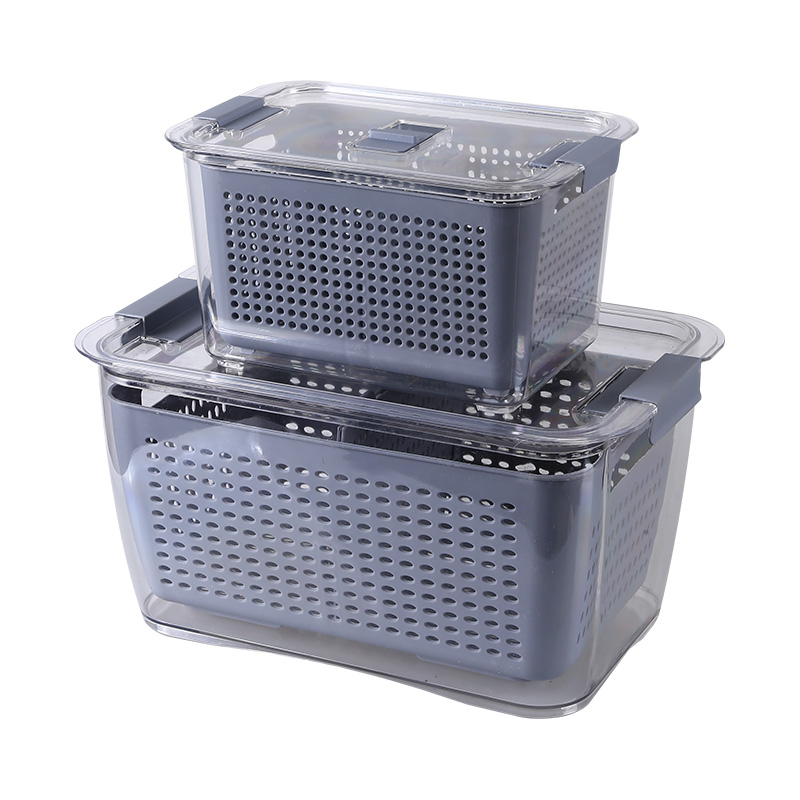
1pc Refrigerator Storage Box With Lid And Drain Basket Fruit Storage Containers Transparent Saver Container Food Organizer Bins
-
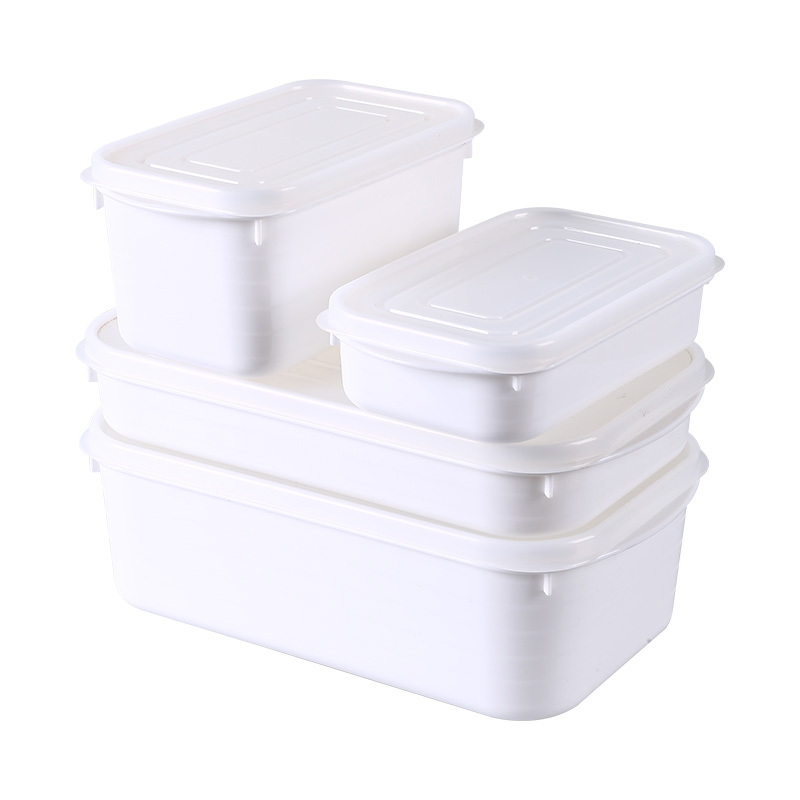
Food Storage Large Capacity Fresh-Keeping Eco Reusable Box Bento Food Leakproof Container
-
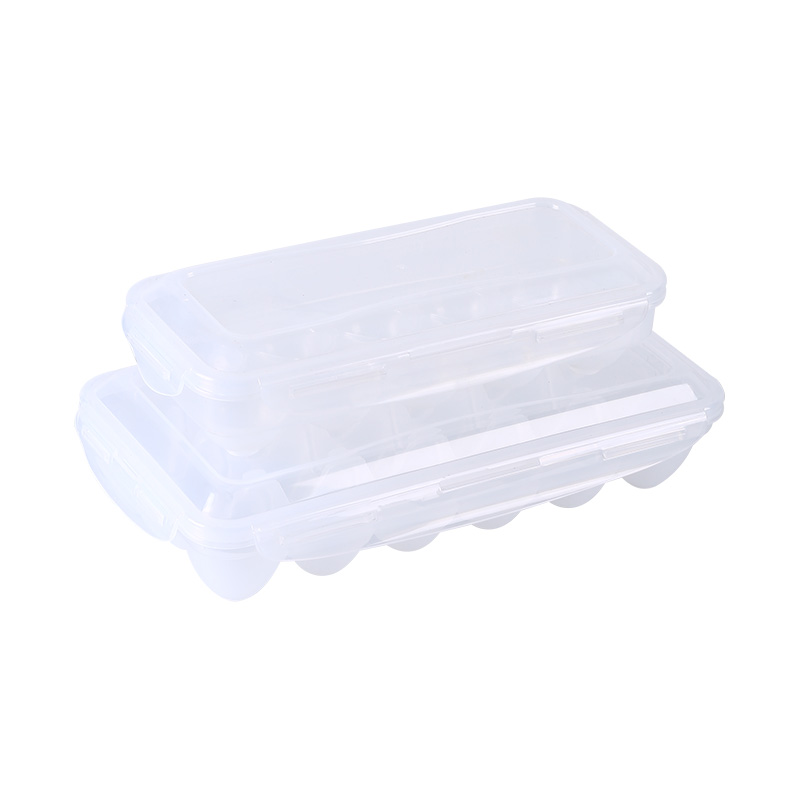
PP Plastic Egg Tray Storage Box
-
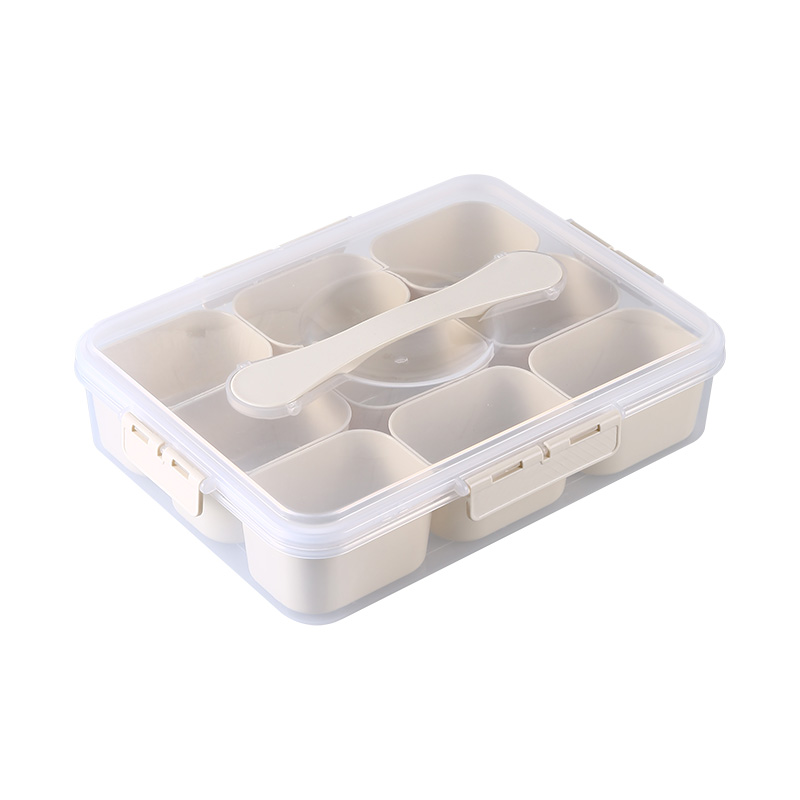
9 Compartment Divided Serving Tray With Lid And Handle Dried Fruit Storage Box
-
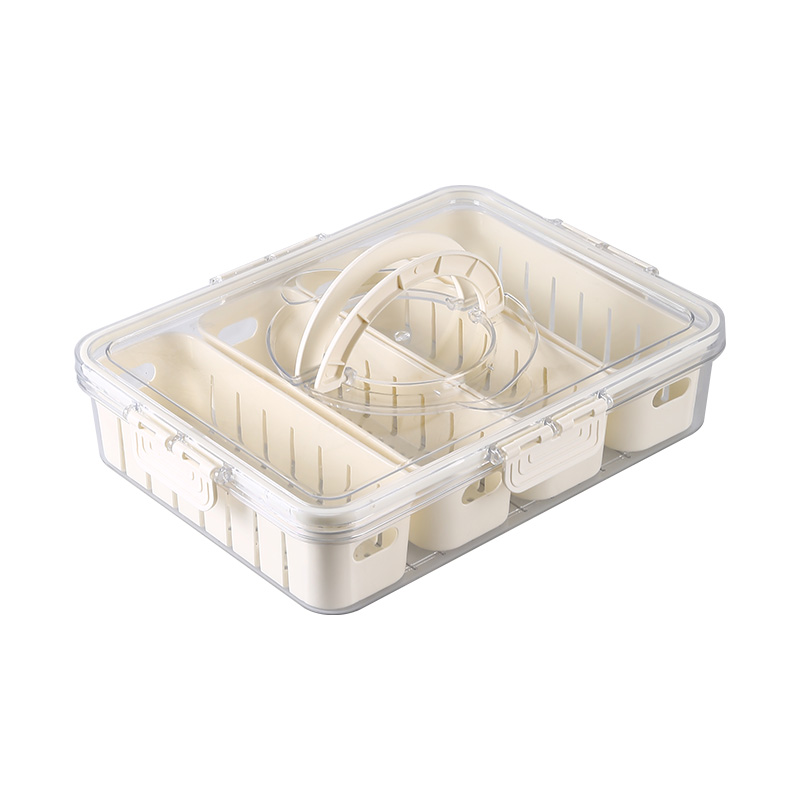
PP Material Handheld Fresh-Keeping Sealed Box Dry Food Classification Storage Box
-
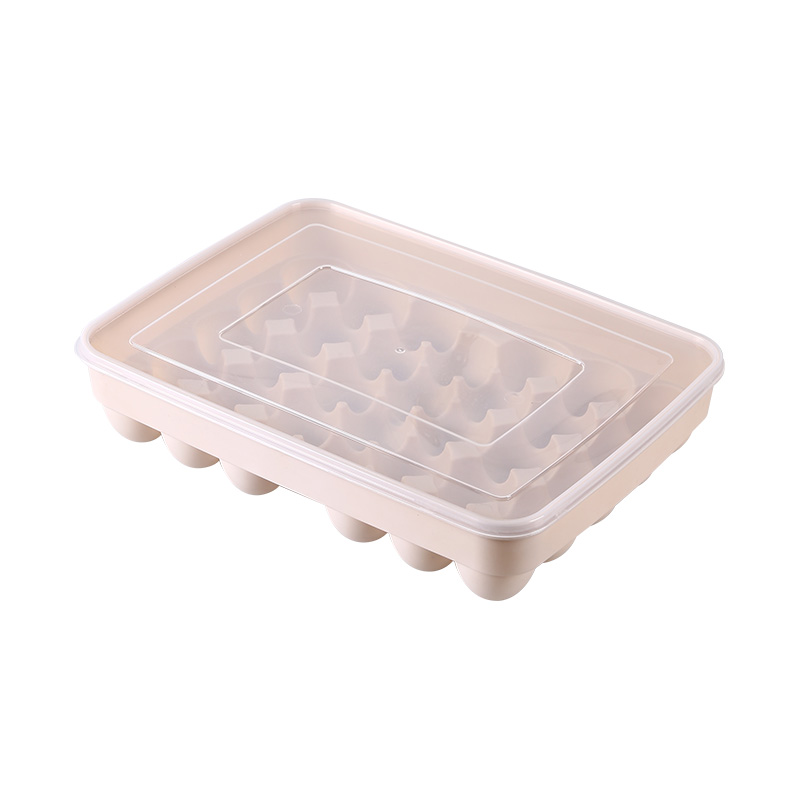
Refrigerator Storage Multi-Grid Egg Box Can Be Stacked With Cover To Food Preservation Box
-
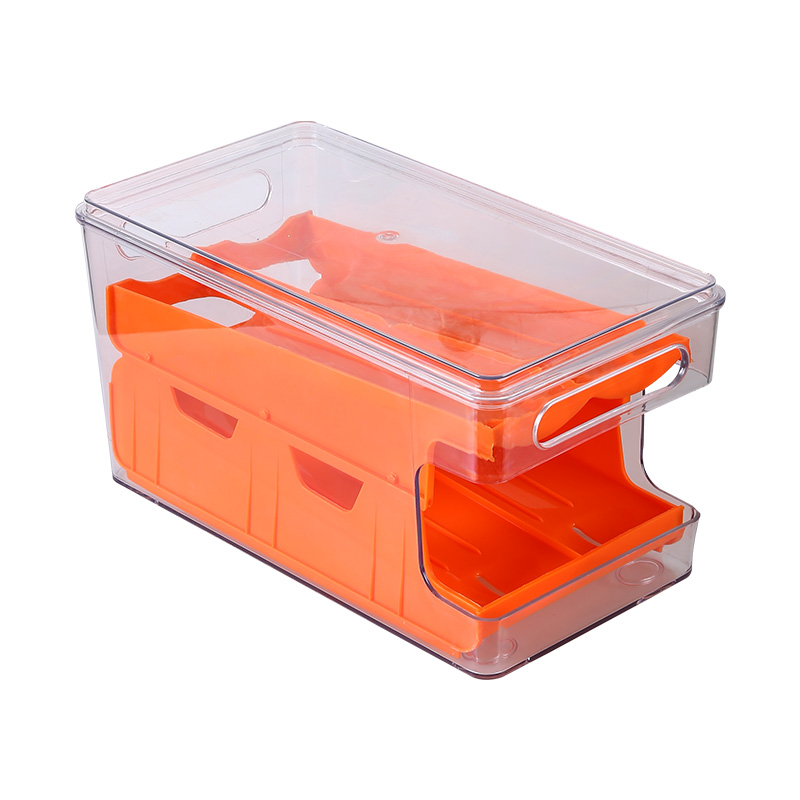
Dual-Layer Transparent Egg Storage Rack Eco-Friendly Slide-Type Household Kitchen
 No. 7 Yicheng Middle Road, Anzhou Street, Xianju, Taizhou, Zhejiang, China.
 +86-0576-89370898
Copyright© Taizhou Soudelor Plastic Industry Co., Ltd. All Rights Reserved.
ECO Friendly Plastic Products Factory
