
 English
 中文简体
中文简体 Deutsch


Why Do 6-Compartment Bento Lunch Boxes Still Face Odor and Flavor Transfer Issues
A well-organized lunch container can make daily meals easier, especially for users who prefer separating rice, vegetables, snacks, sauces, and fruits. A 6 Compartment Bento Lunch Box is designed to keep different foods arranged neatly, but some users still experience unexpected problems such as lingering smells or mixed flavors between compartments.
This issue is not always related to poor product quality. The interaction between food ingredients, sealing structures, material surfaces, and storage conditions can influence the overall experience. Understanding these factors helps explain why certain foods seem to affect others even inside a divided lunch container.
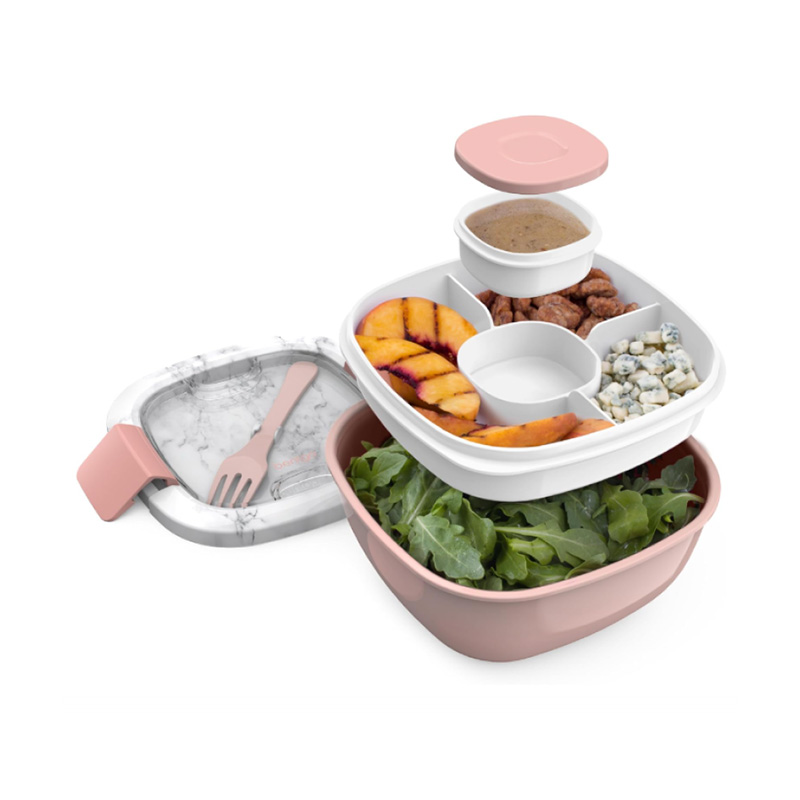
Multiple Compartments Do Not Always Mean Complete Isolation
The main purpose of a multi-section lunch box is separation. However, physical barriers only reduce direct contact; they do not always prevent aroma movement.
- Air movement inside the container: volatile compounds from strong-smelling foods can spread through shared air space.
- Seal design: gaps around lids or dividers may allow odors to circulate.
- Food temperature: warm meals release more aroma molecules than chilled foods.
Many 6-compartment designs use silicone seals or removable trays to improve separation, but odor control still depends on how effectively each section is isolated. Some tested bento boxes emphasize leak resistance and removable compartments because these features improve cleaning and reduce residue buildup.
Food Ingredients Create Different Odor Challenges
Not every meal creates the same level of flavor transfer. Certain ingredients contain stronger aromatic compounds that interact more easily with container surfaces.
Foods Commonly Linked with Odor Retention
- Curry and spicy sauces: contain intense pigments and aromatic oils that can remain on plastic surfaces.
- Garlic and onion dishes: release sulfur-based compounds with strong smells.
- Seafood meals: produce noticeable odors that may remain after washing.
- Oily foods: can create a thin residue layer that traps aroma molecules.
Consumer discussions about reusable bento containers frequently mention smell retention after storing strongly flavored foods, especially with plastic-based designs.
Material Structure Influences Flavor Retention
The inner surface material has a direct connection with odor and taste transfer. Many reusable lunch boxes use food-grade plastics such as polypropylene (PP), PET, Tritan, or ABS combinations.
- Polypropylene (PP): widely used due to lightweight construction and chemical resistance.
- Tritan materials: known for clarity and durability in food storage applications.
- Silicone components: commonly used for sealing rings because of flexibility and leak resistance.
Even food-safe plastics may absorb tiny amounts of aromatic compounds through repeated exposure. This does not mean the material fails, but it explains why some containers develop a recognizable “lunch box smell” over extended use.
Why Scratches Make Odor Problems More Noticeable
A new lunch box usually has a smooth inner surface. After months of use, small scratches may appear from utensils, rough cleaning tools, or repeated washing cycles.
- Surface scratches: create tiny areas where oils and food particles can remain.
- Color changes: may appear after repeated contact with tomato sauce or spices.
- Residue buildup: increases the chance of mixed flavors between meals.
Users often report that strongly colored foods can stain plastic lunch containers even after normal washing, particularly after repeated exposure.
Heat Exposure Can Increase Flavor Transfer
Temperature plays an important role in odor and flavor interaction. A warm meal stored inside a sealed container creates a closed environment where aromas remain concentrated.
- Hot rice or pasta: increases humidity inside the box.
- Warm sauces: release stronger smells during storage.
- Repeated microwave use: may accelerate surface aging for unsuitable materials.
Some bento designs allow microwave heating only after removing lids or specific components because different materials have different heat resistance levels.
Cleaning Design Affects Odor Control
A lunch box with many compartments provides convenience, but additional sections also create more areas that require cleaning attention.
Important Cleaning Areas Include:
- Silicone sealing rings: food residue can collect around flexible edges.
- Compartment corners: small spaces may hold traces of sauces.
- Lid grooves: moisture buildup can contribute to unpleasant smells.
Removable inner trays and simple one-piece molding designs are often used because fewer hidden areas make cleaning easier.
How Users Can Reduce Odor and Flavor Transfer
Daily habits have a significant effect on long-term performance.
- Wash the container shortly after meals instead of leaving food residue overnight.
- Dry all compartments completely before closing the lid.
- Avoid storing strong-smelling foods together with mild-flavored items for extended periods.
- Use soft cleaning tools to protect the inner surface.
- Place oily or heavily seasoned foods in separate silicone cups when possible.
Design Features That Improve Food Separation
Modern bento lunch boxes use several structural improvements to reduce odor and flavor mixing.
- Independent compartments: prevent direct food contact.
- Tight silicone seals: improve separation between sections.
- Smooth interior walls: reduce residue attachment.
- Removable trays: simplify deep cleaning.
A carefully designed structure helps maintain food quality, but no reusable container can eliminate aroma transfer from highly concentrated foods.
Final Thoughts on Bento Box Flavor Stability
A 6 Compartment Bento Lunch Box offers excellent meal organization, yet odor and flavor transfer remain possible due to material properties, food chemistry, temperature, and cleaning routines.
The key factor is not simply the number of compartments. Surface quality, sealing performance, and maintenance practices determine how well the container preserves separate food experiences over time. Choosing suitable foods, cleaning carefully, and understanding material limitations can help users enjoy fresher meals throughout daily use.
Hot Products
-
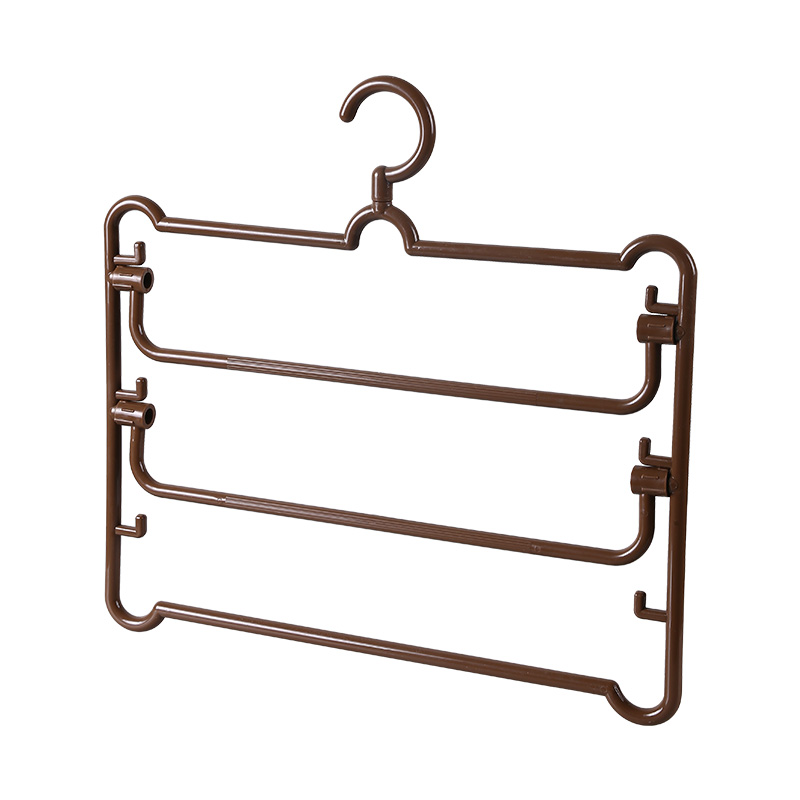
Plastic Pants Hanger (3 Bars)
-
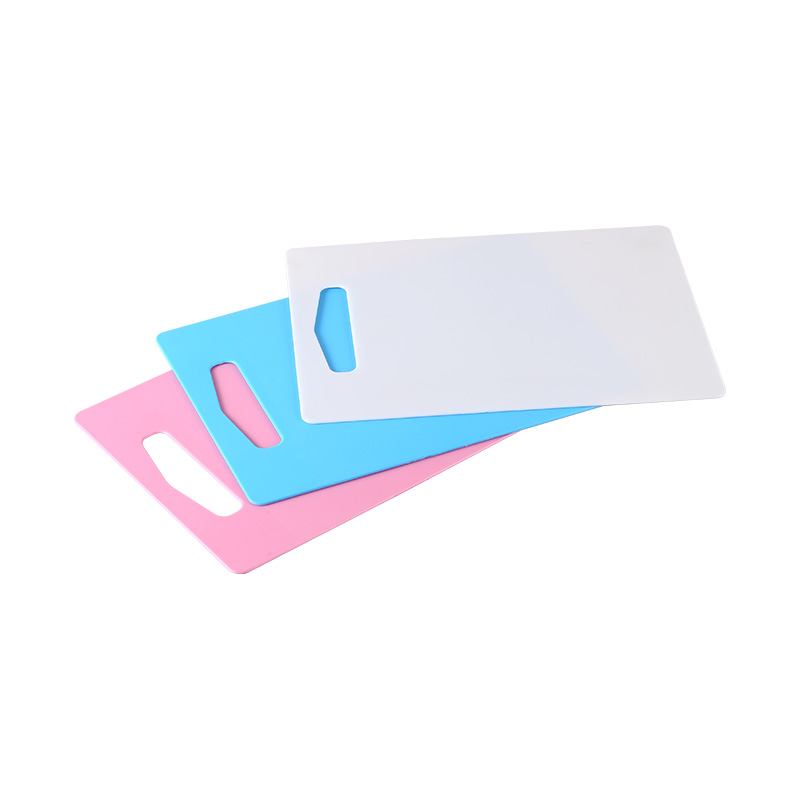
Plastic Chopping Board Food Cutting Block Mat Tool
-
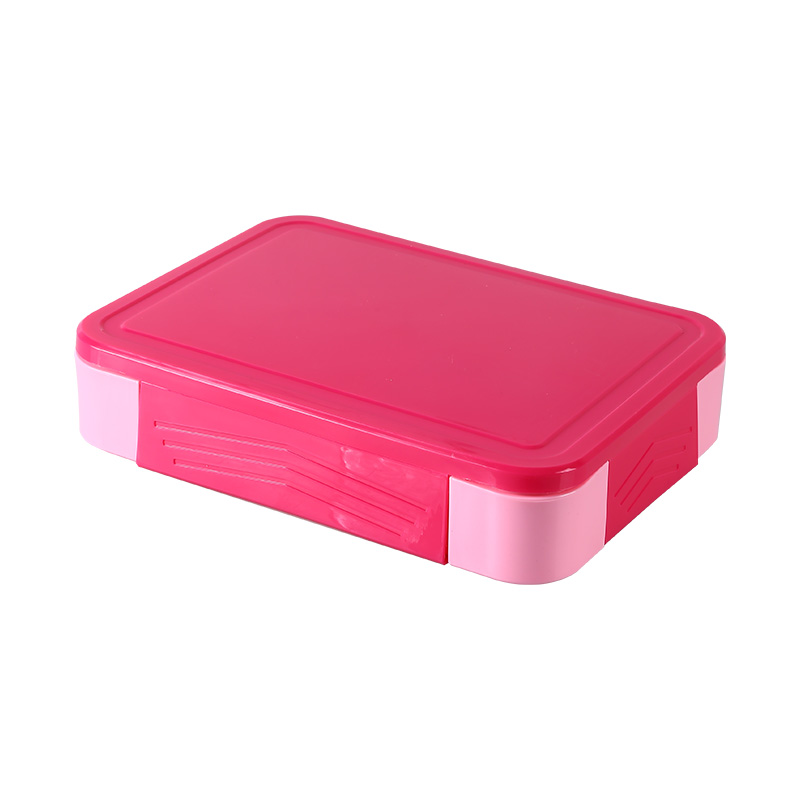
Food Storage Container For Adult Kids All-In-One Lunch Box
-
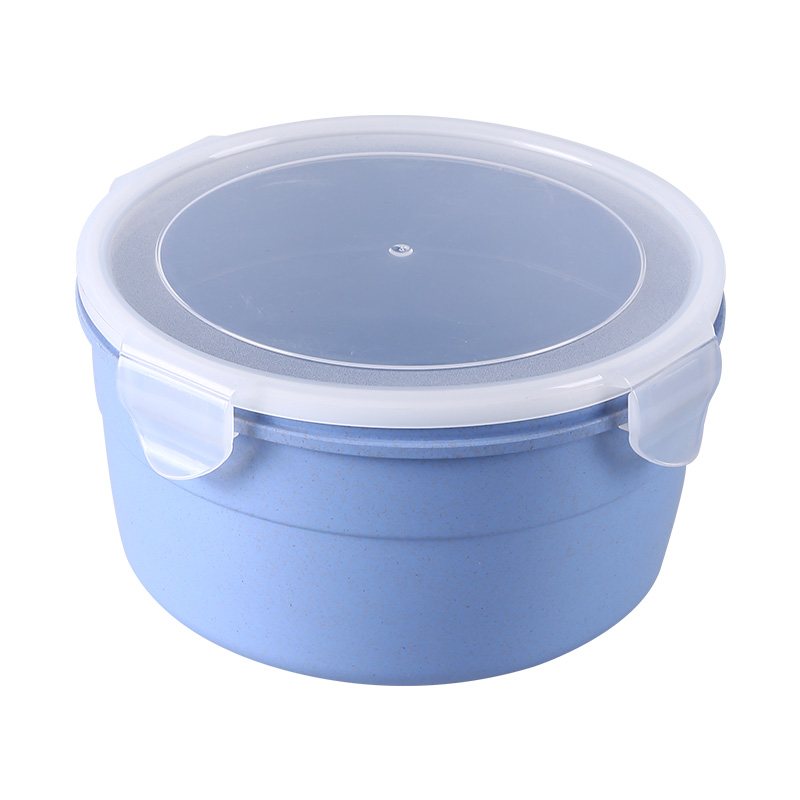
Mini Round Food Preservation Box
-
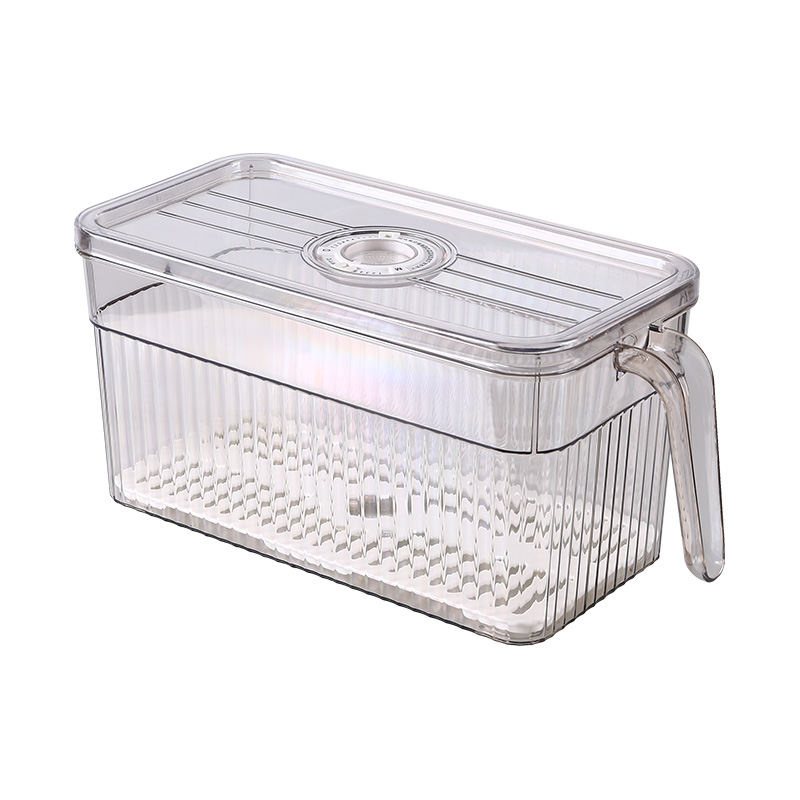
Refrigerator Storage Box Freezer Handle Storage Container
-
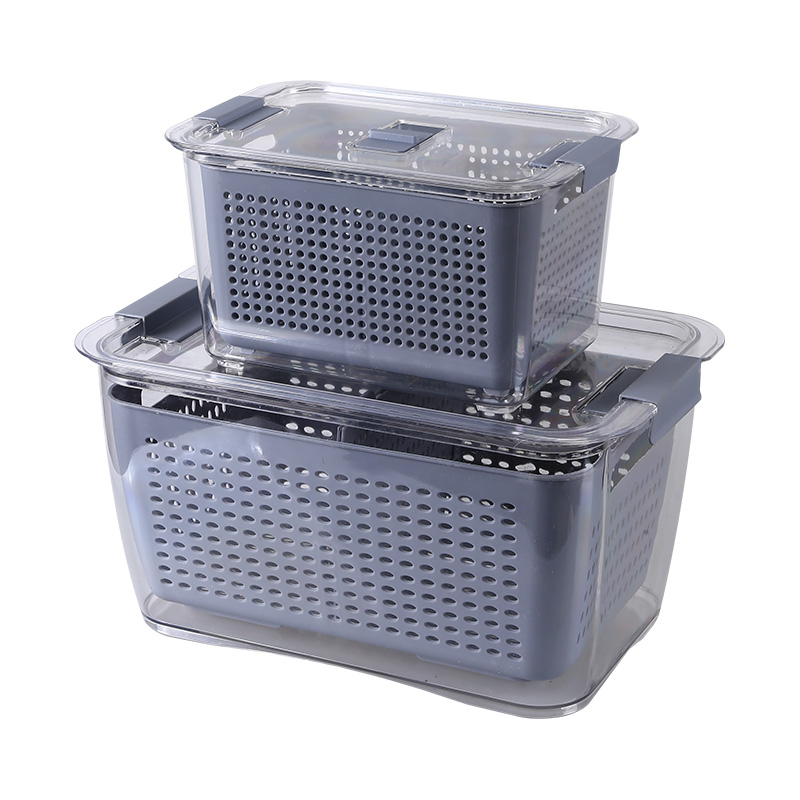
1pc Refrigerator Storage Box With Lid And Drain Basket Fruit Storage Containers Transparent Saver Container Food Organizer Bins
-
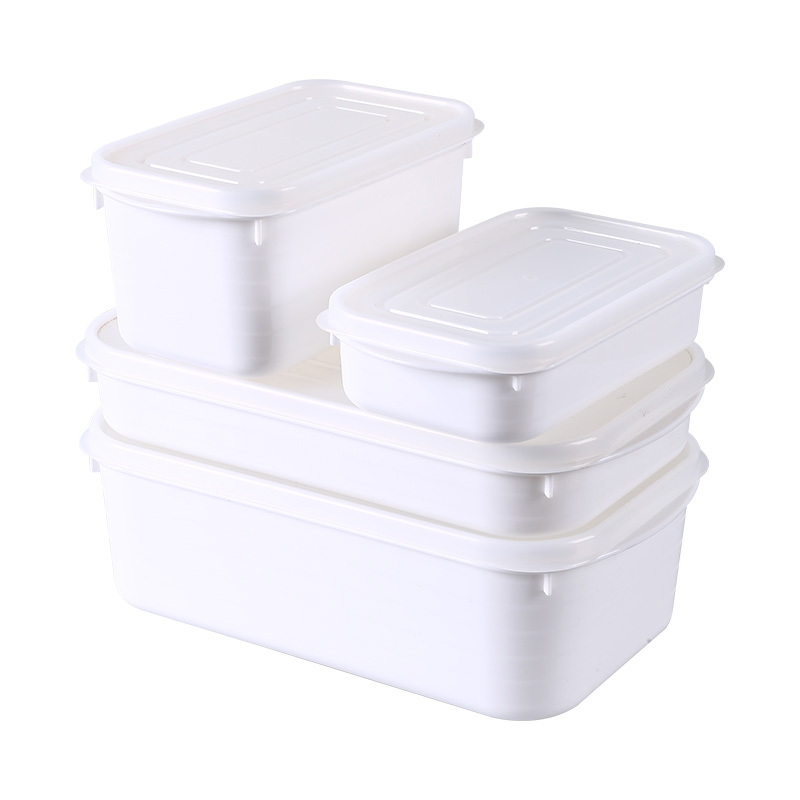
Food Storage Large Capacity Fresh-Keeping Eco Reusable Box Bento Food Leakproof Container
-
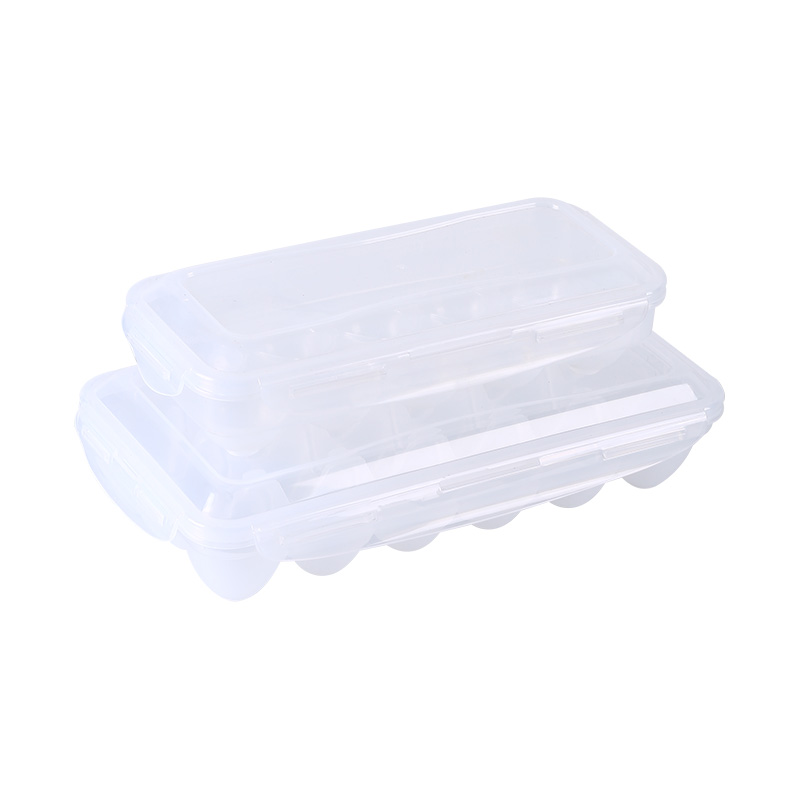
PP Plastic Egg Tray Storage Box
-
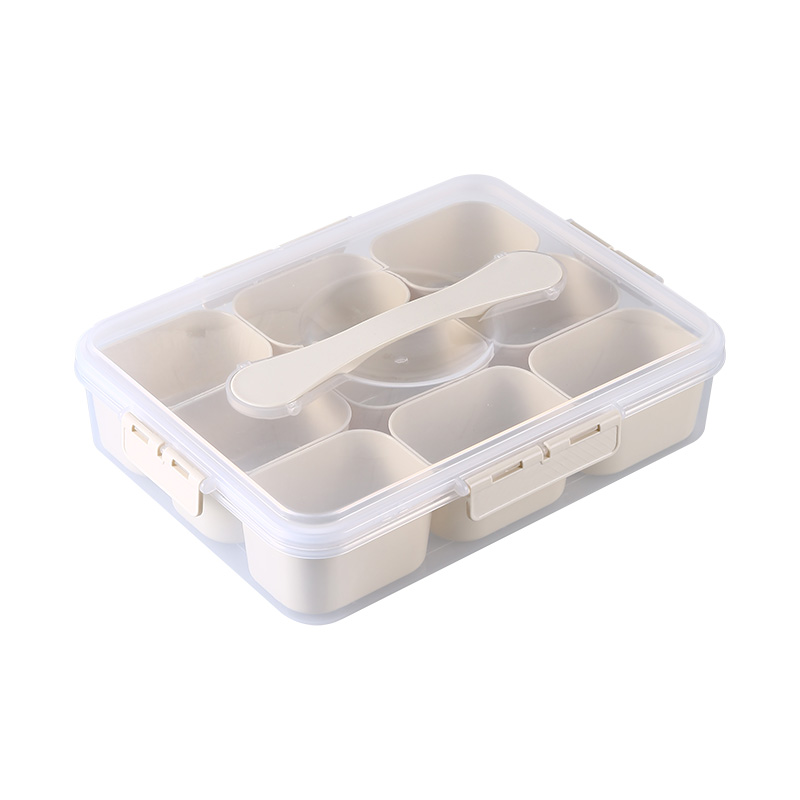
9 Compartment Divided Serving Tray With Lid And Handle Dried Fruit Storage Box
-
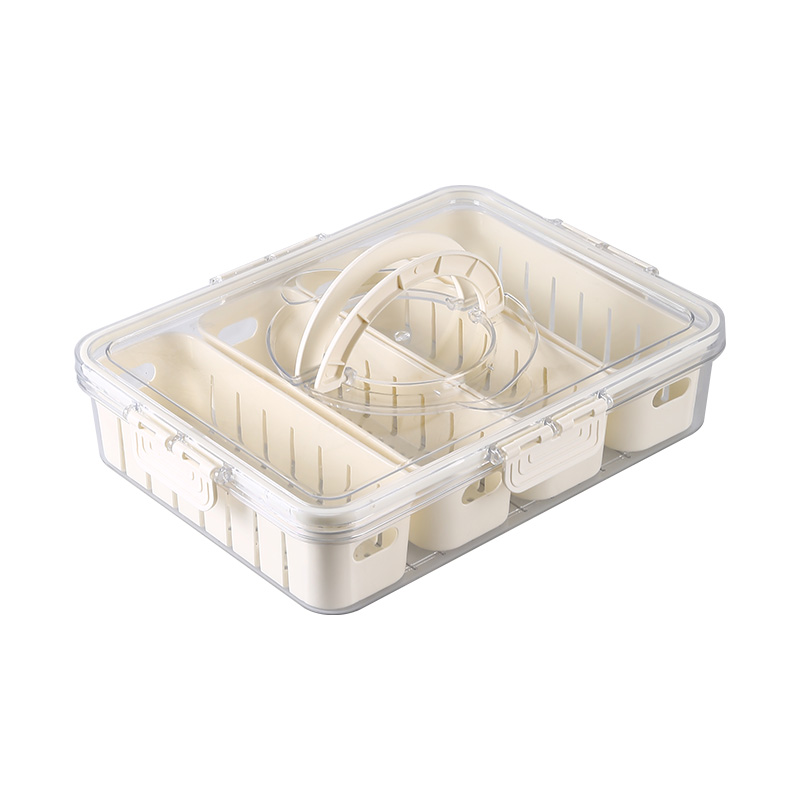
PP Material Handheld Fresh-Keeping Sealed Box Dry Food Classification Storage Box
-
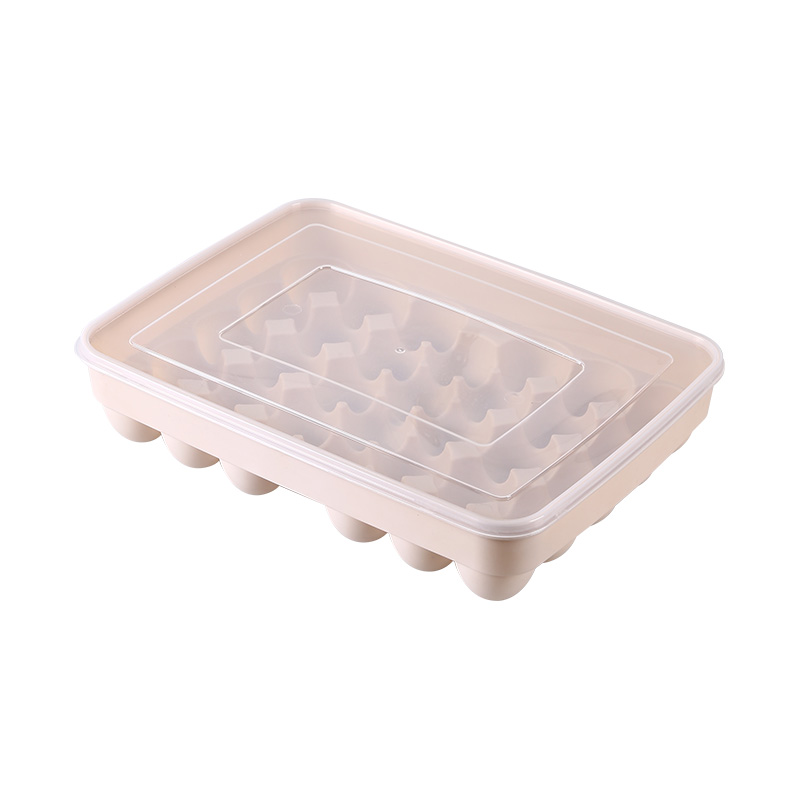
Refrigerator Storage Multi-Grid Egg Box Can Be Stacked With Cover To Food Preservation Box
-
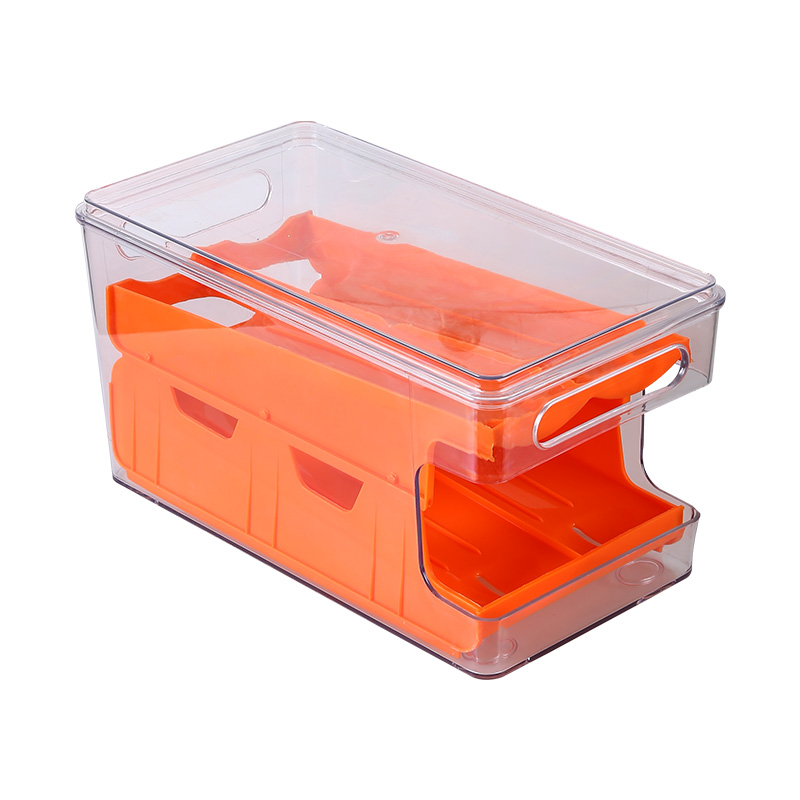
Dual-Layer Transparent Egg Storage Rack Eco-Friendly Slide-Type Household Kitchen

 No. 7 Yicheng Middle Road, Anzhou Street, Xianju, Taizhou, Zhejiang, China.
 +86-0576-89370898
Copyright© Taizhou Soudelor Plastic Industry Co., Ltd. All Rights Reserved.
ECO Friendly Plastic Products Factory
