
 English
 中文简体
中文简体 Deutsch


Do Custom Storage Containers Really Need Custom Sizes
Storage containers come in countless shapes and capacities, yet standard sizes do not always fit every kitchen, pantry, refrigerator, or commercial storage area. This raises an interesting question: does a storage container really need a custom size to provide better functionality?
Custom plastic storage containers are often associated with unusual dimensions, but size customization is not limited to creating oversized or miniature products. It can also involve adjusting height, width, length, capacity, lid structure, or internal compartments to match a specific storage scenario.
Space Utilization Changes With Container Dimensions
Cabinet depth and refrigerator shelf height can make a standard container surprisingly inconvenient. A container that is only slightly too tall may prevent a shelf from closing, while excessive width can leave unused gaps around the product.
- Low-profile designs can work well beneath refrigerator shelves or inside shallow drawers.
- Narrow rectangular formats can fit tighter pantry spaces than wide square containers.
- Tall containers can provide greater capacity without occupying excessive floor area.
- Modular dimensions can allow several containers to stack vertically with fewer gaps.
Commercial storage guides also show a broad range of container capacities, from small portions to large bulk-storage formats. Shape plays an important role alongside volume, particularly where shelf space is limited.
Does Capacity Have to Match the Food?
Capacity should reflect the quantity and type of contents rather than simply making the container larger. A 500 ml container may suit snacks or small portions, while a 1,500 ml or 2,000 ml format may be more practical for cereal, pasta, grains, or prepared meals.
Current storage products demonstrate how different capacities can be combined into modular systems. Some designs range from approximately 180 ml to 1,700 ml, allowing users to organize different ingredients without mixing incompatible container dimensions.
- Small capacity: snacks, spices, sauces, and small portions.
- Medium capacity: leftovers, fruit, meal preparation, and dry ingredients.
- Large capacity: rice, flour, cereal, pasta, and bulk ingredients.
Custom Size Should Not Compromise the Lid
Changing the body dimensions is only part of the design process. Lid compatibility can determine whether the customized container remains practical. An oversized body paired with an inefficient sealing structure may create more problems than it solves.
Seal geometry, gasket placement, lid thickness, and locking points all deserve attention during customization. Some PP food storage designs use silicone sealing rings and locking mechanisms to create airtight and leak-resistant performance.
Stacking also depends on dimensional consistency. Flat lids and aligned edges can allow containers to sit securely above each other, while inconsistent dimensions may make a customized set difficult to organize.
Material Limits Still Matter
Custom dimensions should match the characteristics of the chosen plastic. PP, for example, is widely used in food storage products because certain formulations can support refrigerator, freezer, microwave, and dishwasher applications. One commercial PP container range specifies an operating temperature range of approximately -20°C to 120°C.
Wall thickness also deserves attention. Increasing container height without considering structural support can affect rigidity, especially with larger capacities. A practical design balances volume, wall thickness, lid strength, weight, and handling comfort.
When Standard Sizes Are Enough
Custom dimensions are not automatically necessary. Standard sizes may work well for everyday pantry organization, meal preparation, or general household storage. Ready-made ranges can also simplify purchasing and make replacement easier.
Customization becomes more valuable around a specific storage constraint: an unusually narrow cabinet, a fixed refrigerator compartment, a particular portion requirement, or a retail product that needs its own packaging format.
Think Beyond Size
The real purpose of custom plastic storage containers is not simply to create unusual measurements. Good customization connects dimensions with capacity, sealing, stacking, material performance, and the actual space available.
Rather than asking whether custom sizing is always necessary, users can ask a more practical question: Which dimensions solve a specific storage problem without adding unnecessary complexity? That approach makes customized containers more useful while keeping their design focused on real-world storage needs.
Hot Products
-
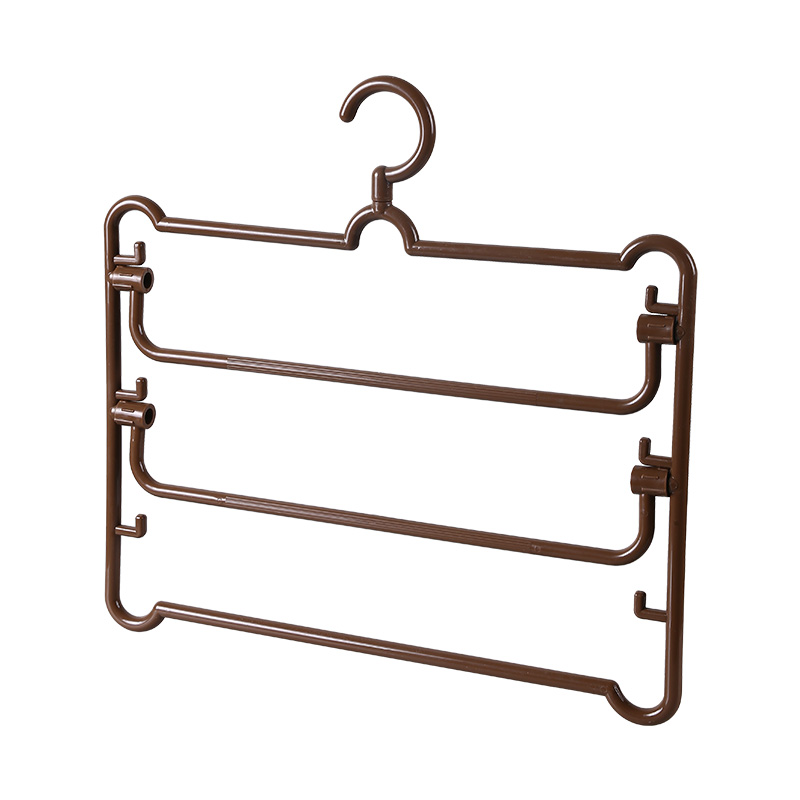
Plastic Pants Hanger (3 Bars)
-
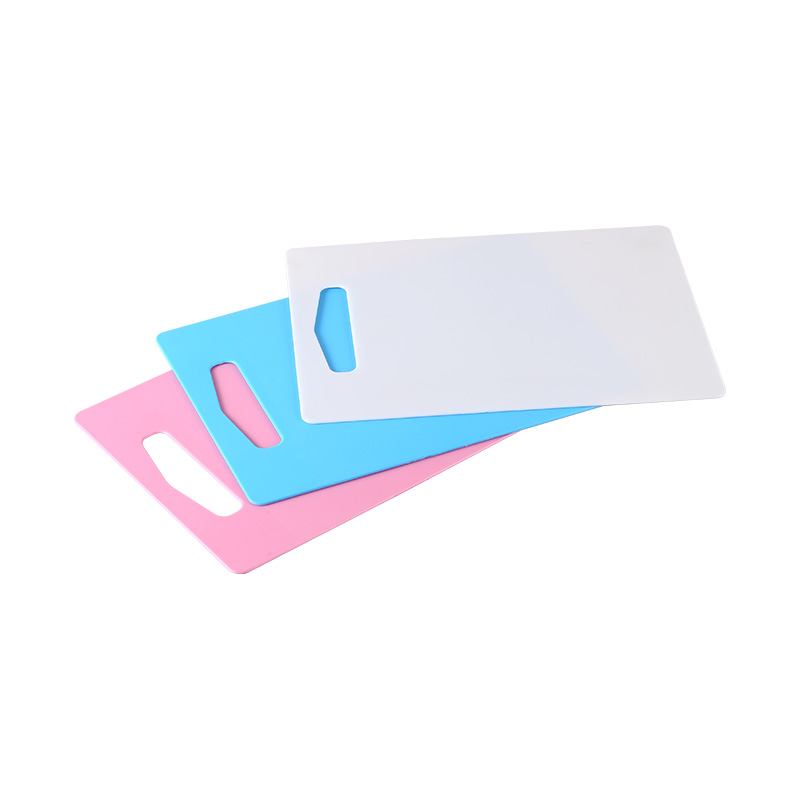
Plastic Chopping Board Food Cutting Block Mat Tool
-
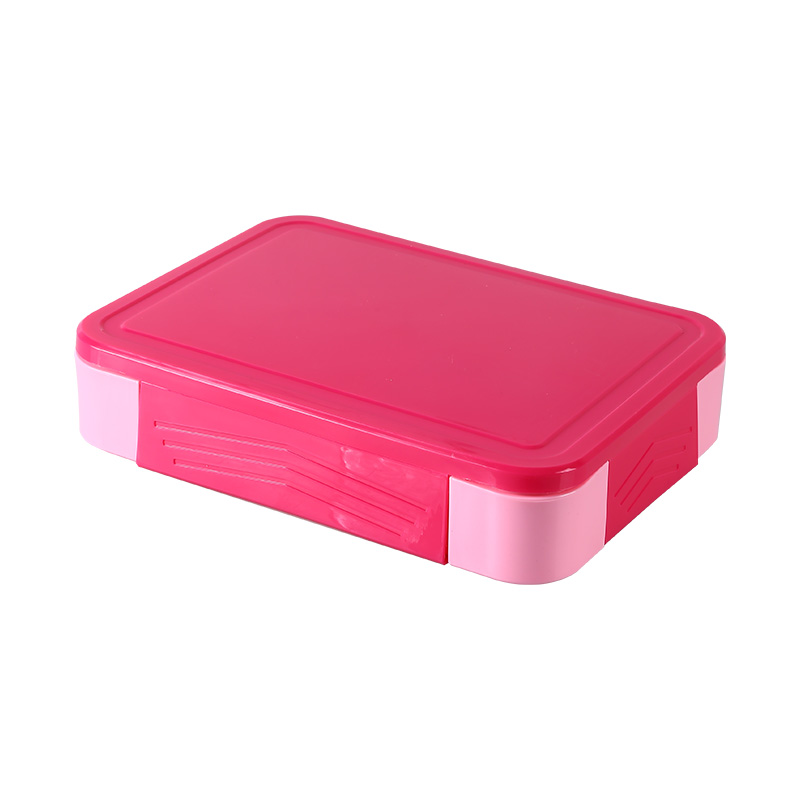
Food Storage Container For Adult Kids All-In-One Lunch Box
-
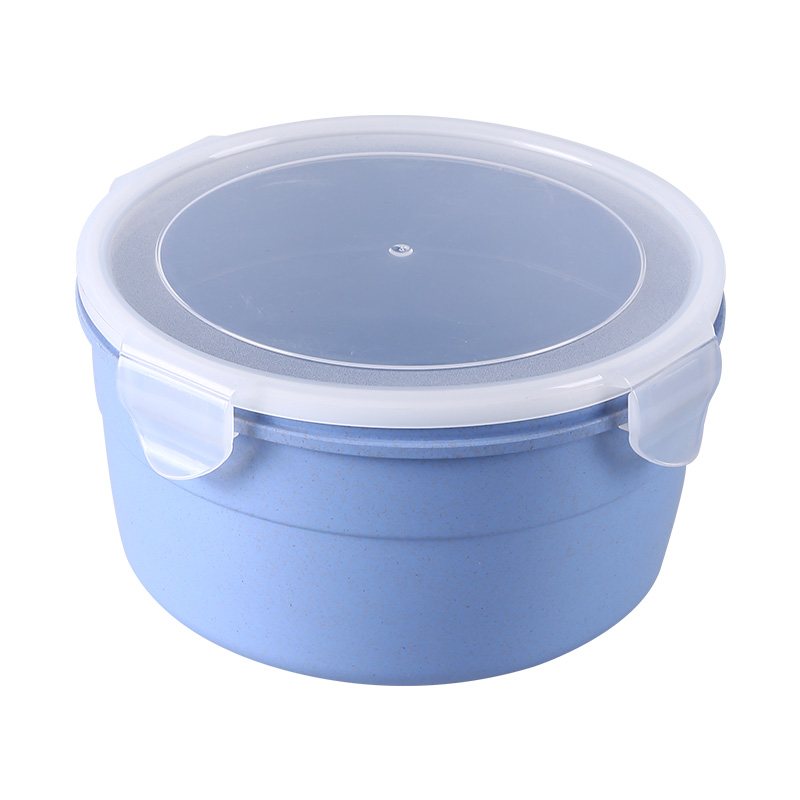
Mini Round Food Preservation Box
-
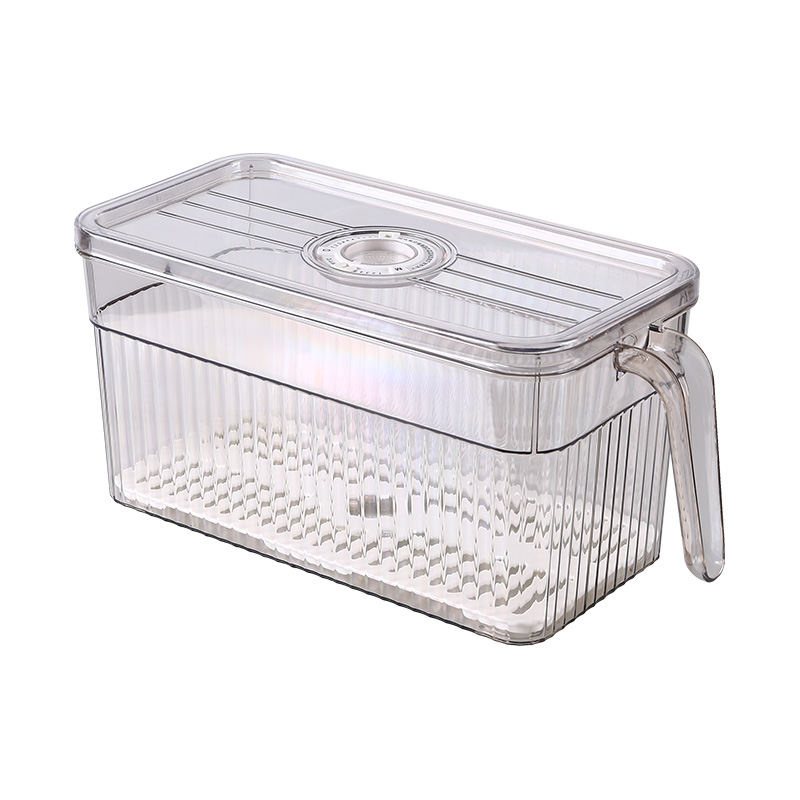
Refrigerator Storage Box Freezer Handle Storage Container
-
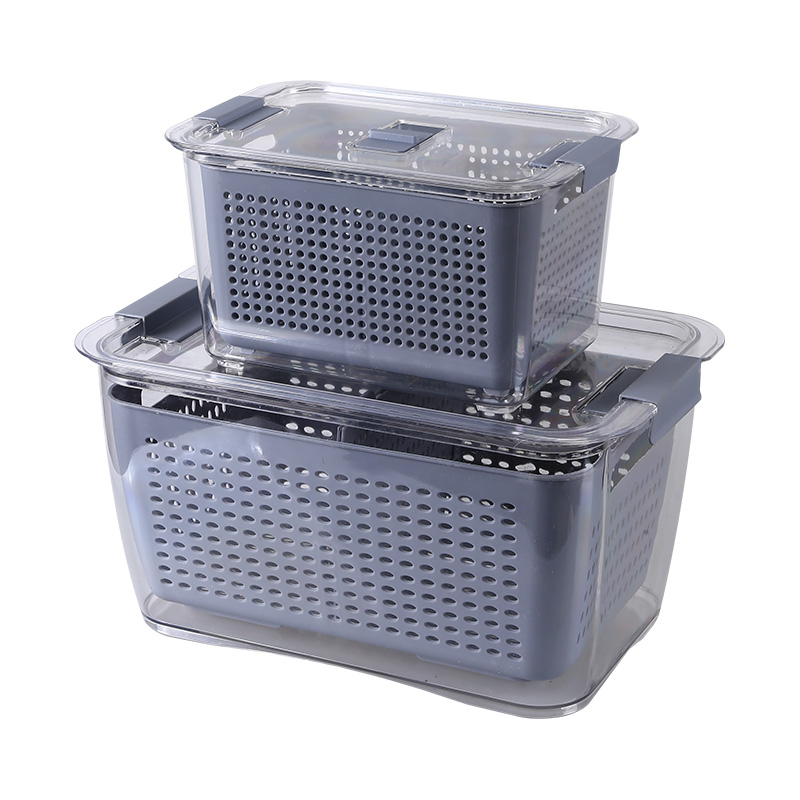
1pc Refrigerator Storage Box With Lid And Drain Basket Fruit Storage Containers Transparent Saver Container Food Organizer Bins
-
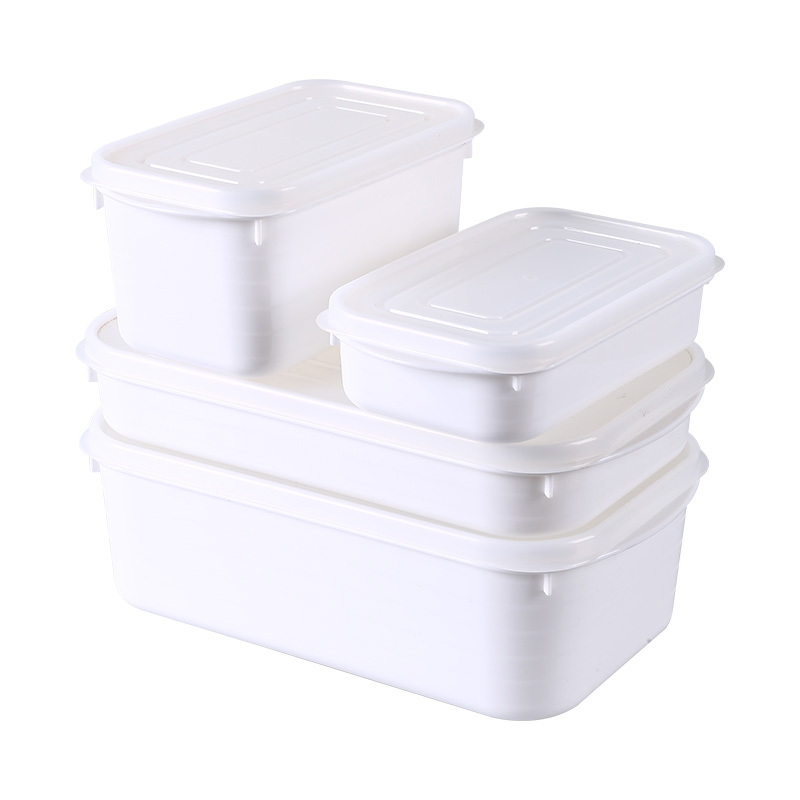
Food Storage Large Capacity Fresh-Keeping Eco Reusable Box Bento Food Leakproof Container
-
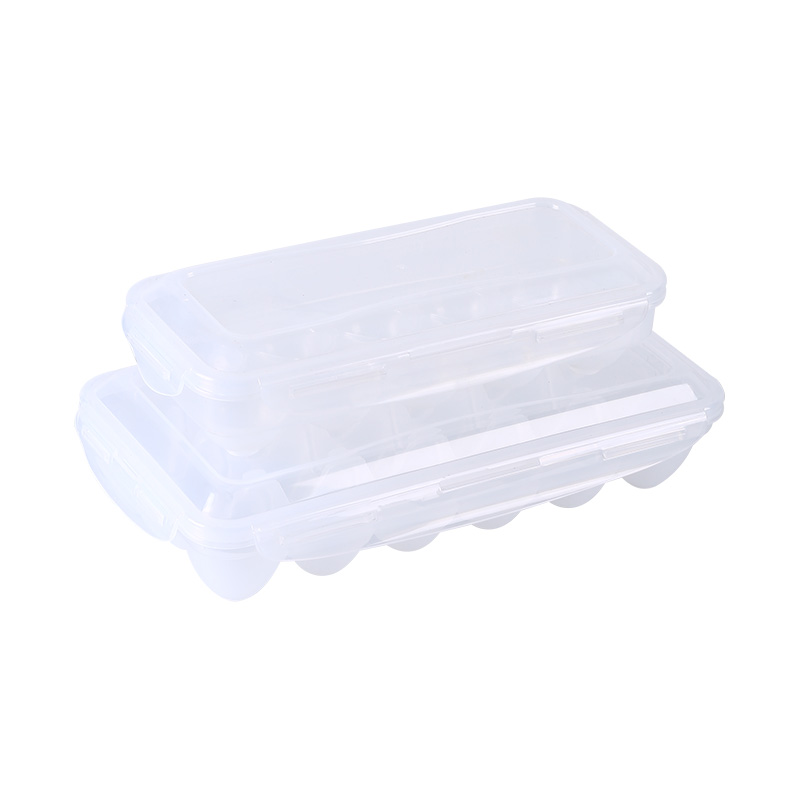
PP Plastic Egg Tray Storage Box
-
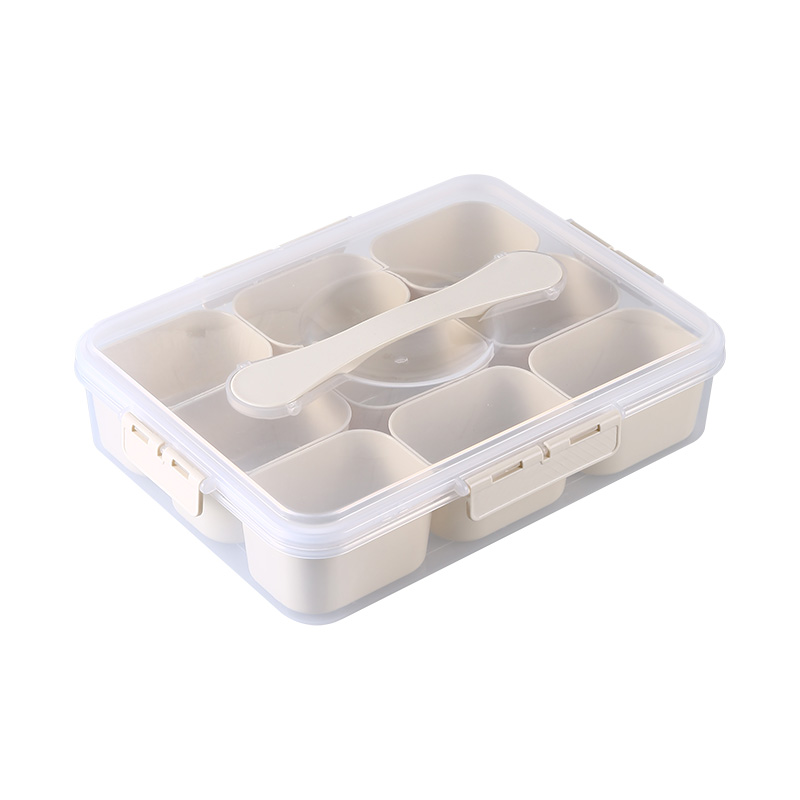
9 Compartment Divided Serving Tray With Lid And Handle Dried Fruit Storage Box
-
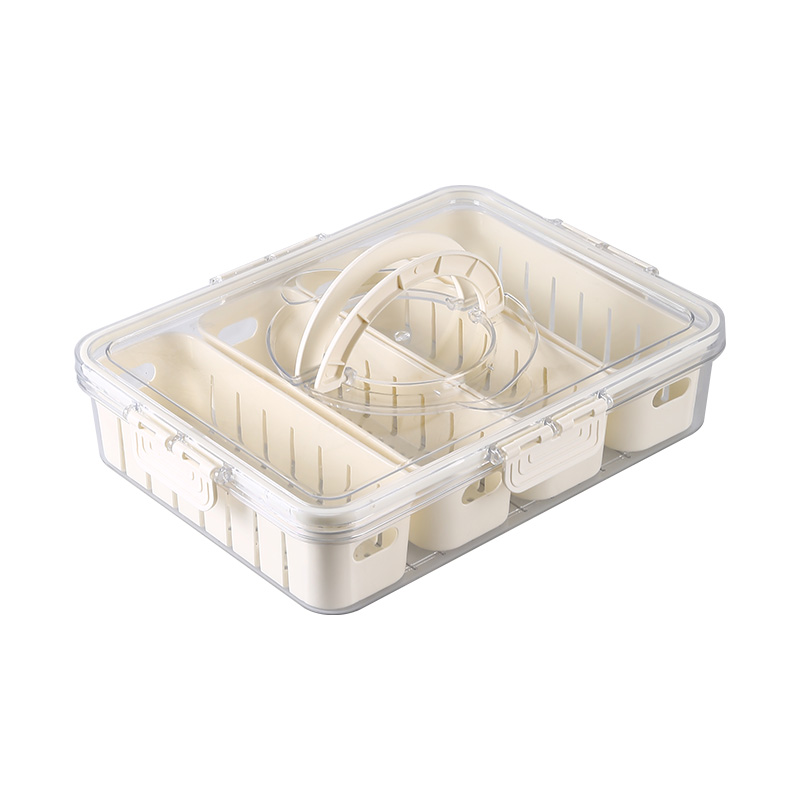
PP Material Handheld Fresh-Keeping Sealed Box Dry Food Classification Storage Box
-
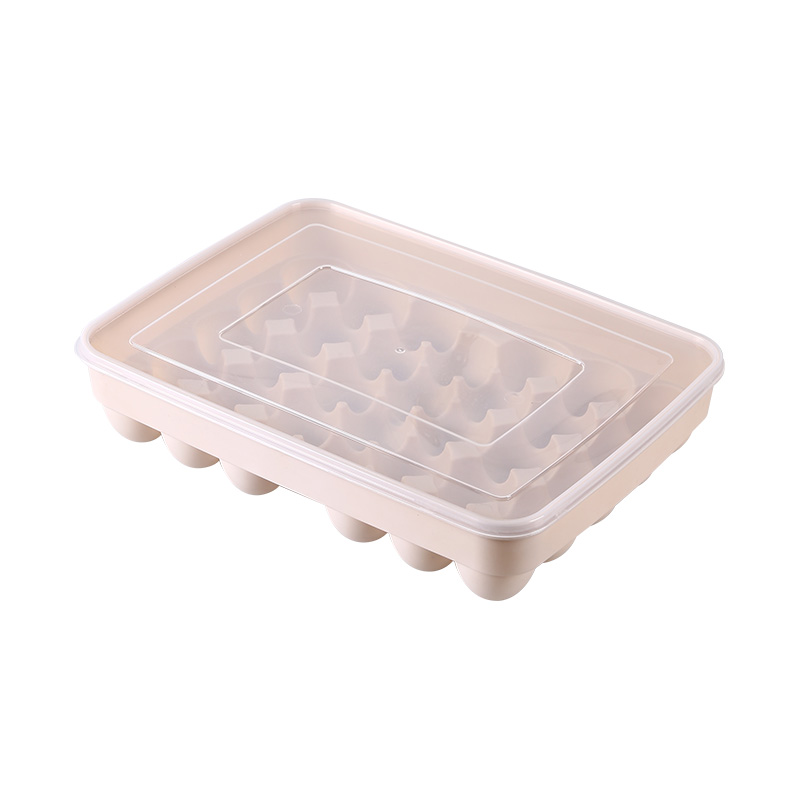
Refrigerator Storage Multi-Grid Egg Box Can Be Stacked With Cover To Food Preservation Box
-
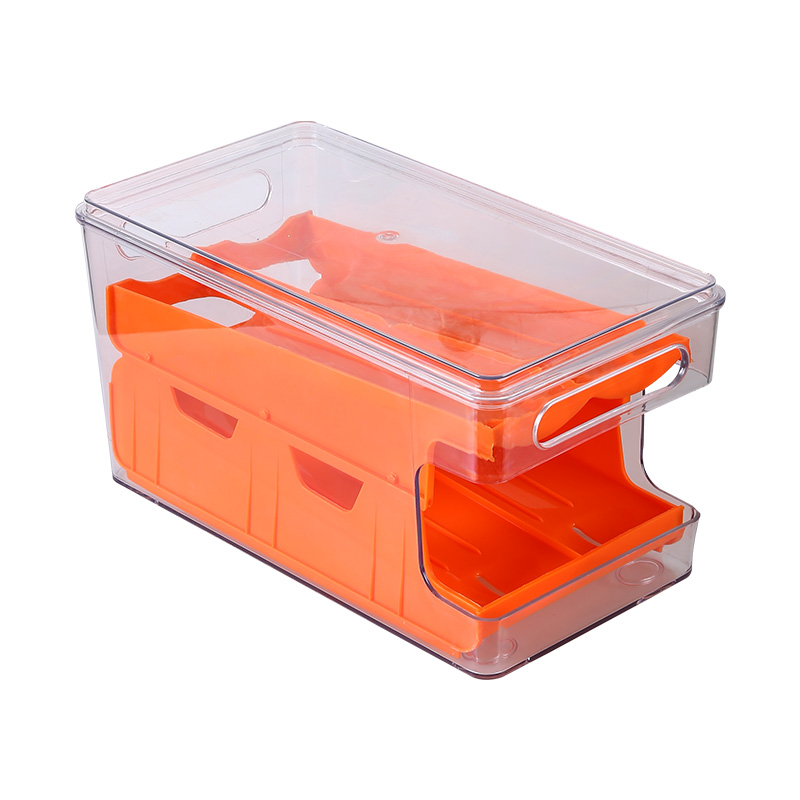
Dual-Layer Transparent Egg Storage Rack Eco-Friendly Slide-Type Household Kitchen

 No. 7 Yicheng Middle Road, Anzhou Street, Xianju, Taizhou, Zhejiang, China.
 +86-0576-89370898
Copyright© Taizhou Soudelor Plastic Industry Co., Ltd. All Rights Reserved.
ECO Friendly Plastic Products Factory
