
 English
 中文简体
中文简体 Deutsch


Can Fresh Fruit Storage Containers Prevent Hidden Spoilage
Fresh fruit can look perfectly healthy on the outside while deterioration has already started inside the storage container. Excess moisture, trapped condensation, poor airflow, and ethylene gas can create a hidden micro-environment that speeds up softening, mold growth, and quality loss. This is why fresh fruit storage containers need to do more than simply provide a sealed space.
The design of the container can influence how moisture moves, how much air reaches the fruit, and whether damaged pieces remain exposed to the rest of the batch. A clear box with a well-designed base and suitable ventilation can make these changes easier to manage.
Where Does Hidden Moisture Come From?
Fresh fruit naturally releases moisture after harvesting. Washing fruit before refrigeration can add another source of water. Once warm produce enters a cold refrigerator, condensation may form on the container walls, lid, or storage surface.
- Standing water can create wet contact points on berries and cut fruit.
- Condensation on the lid may drip back onto delicate produce.
- Moisture trapped beneath fruit can soften surfaces and encourage decay.
- Excess humidity may become problematic without sufficient air exchange.
Why Does Airflow Matter?
Completely airtight storage may sound attractive, but fresh produce continues to respire after harvesting. A container that traps moisture and gases can create conditions that accelerate quality deterioration.
Modern fresh fruit storage containers therefore use different ventilation approaches. Some lids contain adjustable vents, while other designs combine openings with raised trays or removable baskets. These structures help separate fruit from accumulated moisture while allowing controlled airflow.
Current produce-storage designs demonstrate several approaches. Tupperware's FridgeSmart container, for example, uses a three-position airflow slider and a ridged bottom intended to balance airflow and reduce condensation around produce.
Can Ethylene Gas Affect Freshness?
Ethylene is another factor that can remain unnoticed during fruit storage. Fruits naturally produce ethylene, and some fruits are particularly sensitive to it. USDA guidance explains that ethylene-producing fruits can accelerate deterioration in ethylene-sensitive produce.
Container design can respond to this issue through ventilation or specialized filtration. Some produce keepers use activated carbon filters to absorb ethylene, while other designs focus on air exchange. OXO's GreenSaver Produce Keeper combines a removable basket with an activated carbon filter, keeping produce elevated away from moisture while addressing ethylene accumulation.
Does Every Fruit Need the Same Container?
Different fruits have different storage characteristics, so a universal container setting may not suit every item. Berries are delicate and easily damaged by excess moisture. Apples produce ethylene and can affect nearby ethylene-sensitive produce. Citrus fruits, grapes, cherries, and cut fruit also have different requirements.
- Berries: shallow containers with airflow and moisture separation can help reduce crushing and wet contact.
- Apples: ventilation can help manage ethylene accumulation during refrigerated storage.
- Grapes and cherries: drainage and airflow can help reduce prolonged contact with moisture.
- Cut fruit: tighter coverage becomes more important because exposed surfaces behave differently from whole fruit.
USDA storage guidance also recommends separating ethylene-producing fruits from sensitive produce where practical.
Can a Raised Base Make a Difference?
A raised inner tray is a small design feature with an important purpose. Rather than allowing fruit to sit directly in collected water, the tray creates a gap between the produce and the container floor.
Several current produce-storage products use this approach. Rubbermaid FreshWorks containers feature an elevated base designed to lift produce away from moisture while supporting airflow.
Some containers also combine a removable drain basket with vented lids. Such a configuration can provide separate functions: the basket handles water separation, while the lid manages air exchange.
What Should Buyers Look For?
Fresh fruit storage containers should be evaluated around the actual cause of spoilage rather than appearance alone. Transparent walls, suitable capacity, ventilation, drainage, stackability, and food-contact material can all affect everyday usability.
- Look for a ventilation system suited to fresh produce.
- Consider a raised or perforated base where moisture is a concern.
- Choose dimensions that prevent excessive crushing or overcrowding.
- Use clear walls to identify soft, damaged, or moldy fruit quickly.
- Check whether the material is food-safe and suitable for refrigerator use.
Hidden Spoilage Starts With the Storage Environment
A storage box cannot stop fruit from naturally aging, but its internal design can influence the conditions surrounding the produce. Moisture management, airflow, drainage, and ethylene control can work together to reduce several common causes of premature deterioration.
That makes the value of fresh fruit storage containers less about simply putting fruit inside a box and more about creating a storage environment that matches the characteristics of the produce. A thoughtful combination of ventilation, separation, visibility, and moisture control can make hidden spoilage easier to detect and potentially slower to develop.
Hot Products
-
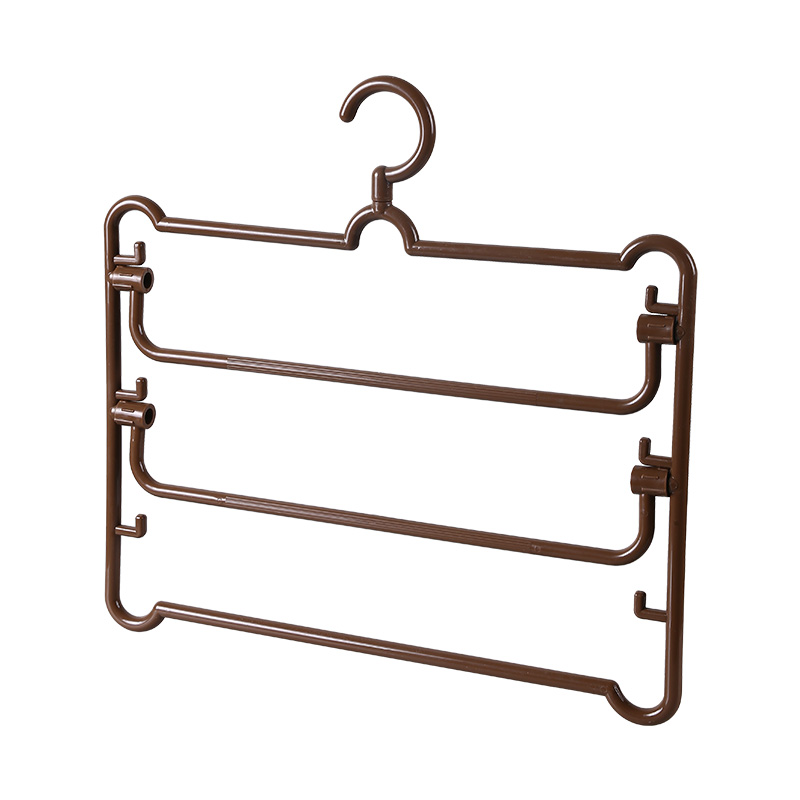
Plastic Pants Hanger (3 Bars)
-
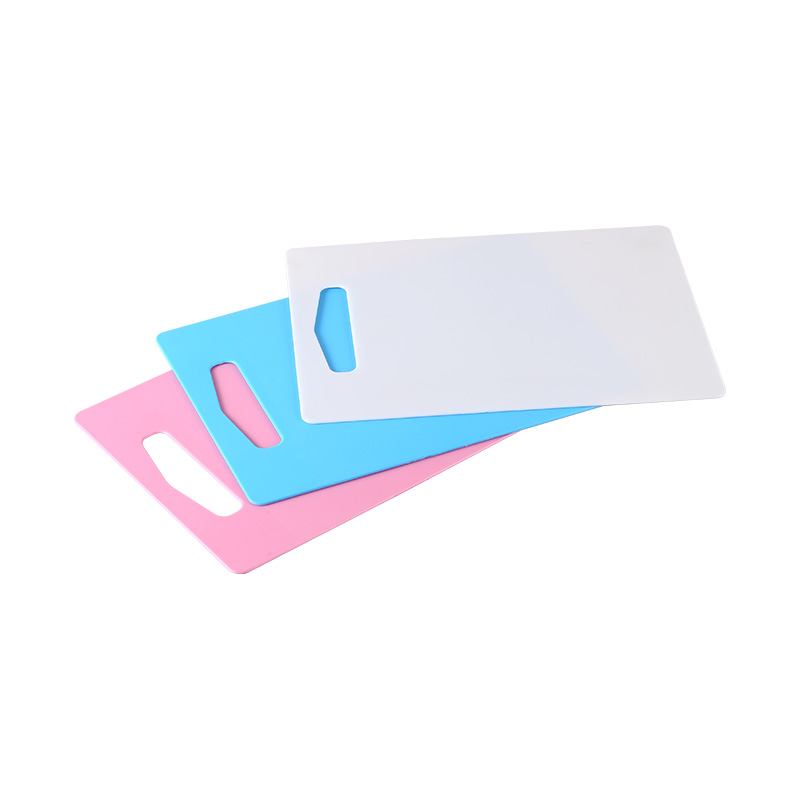
Plastic Chopping Board Food Cutting Block Mat Tool
-
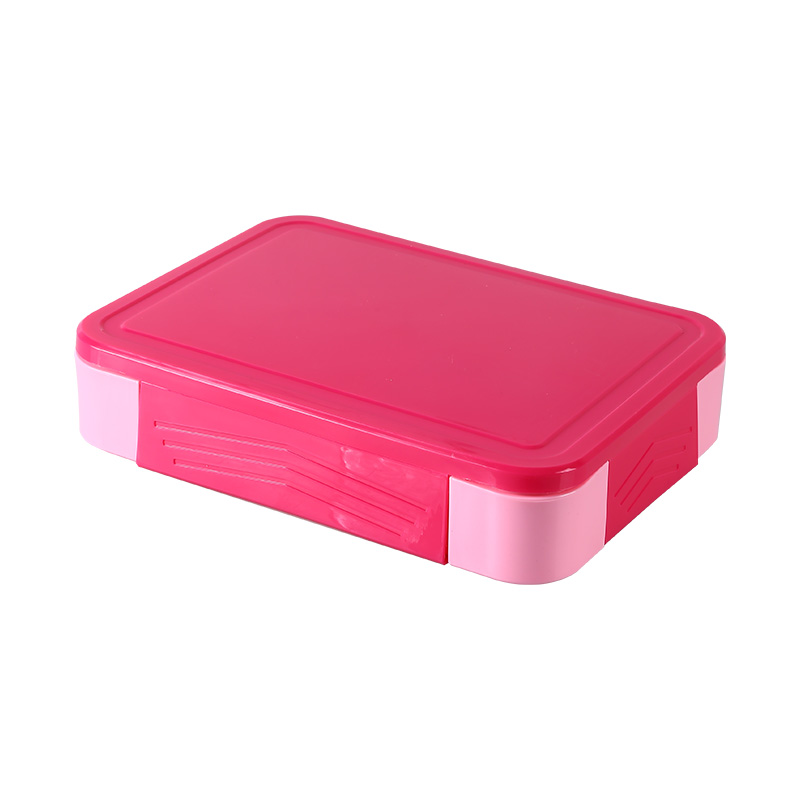
Food Storage Container For Adult Kids All-In-One Lunch Box
-
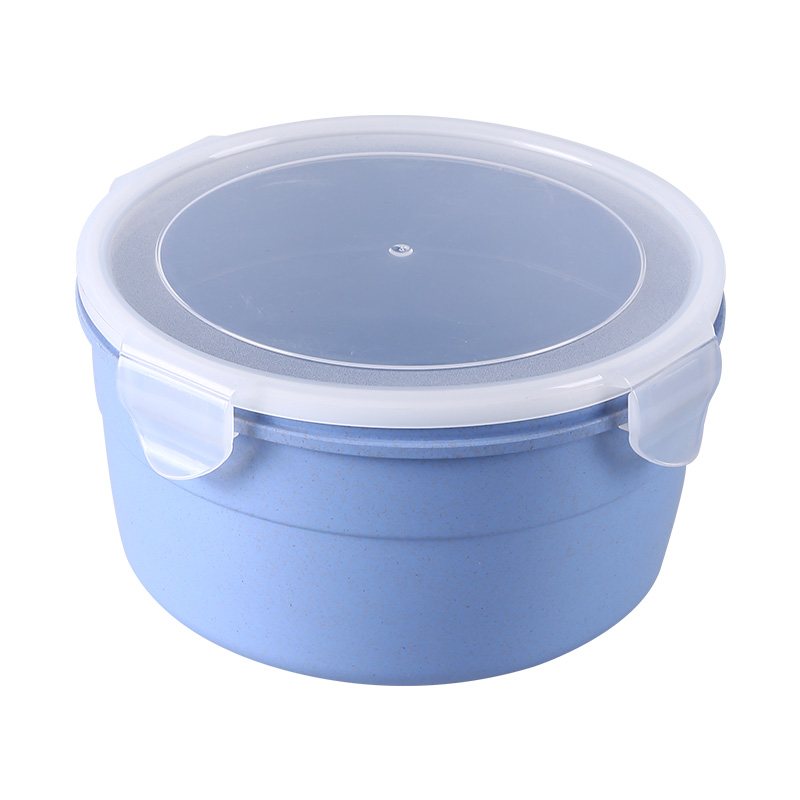
Mini Round Food Preservation Box
-
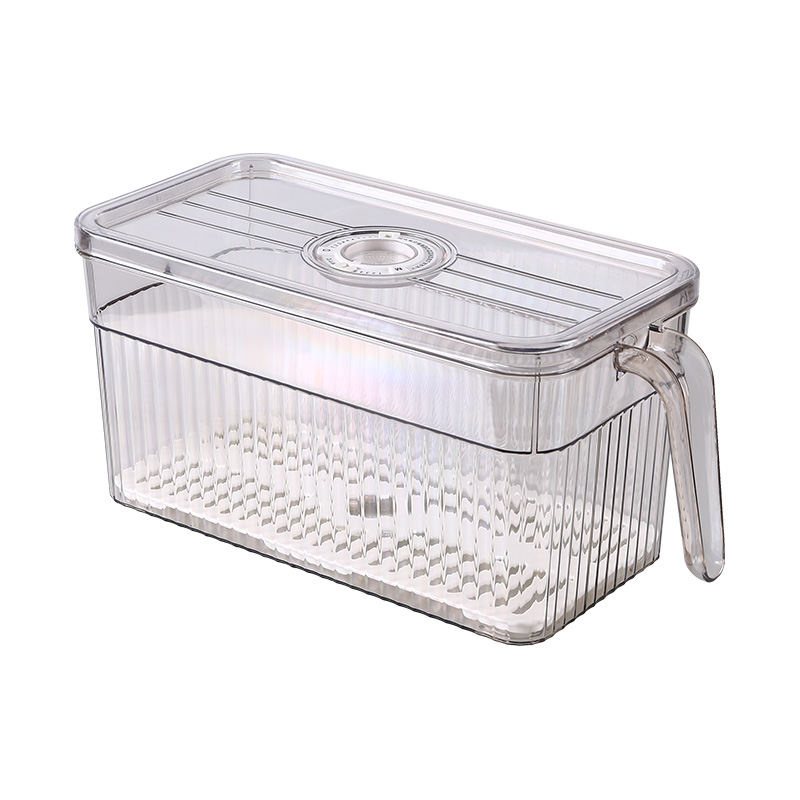
Refrigerator Storage Box Freezer Handle Storage Container
-
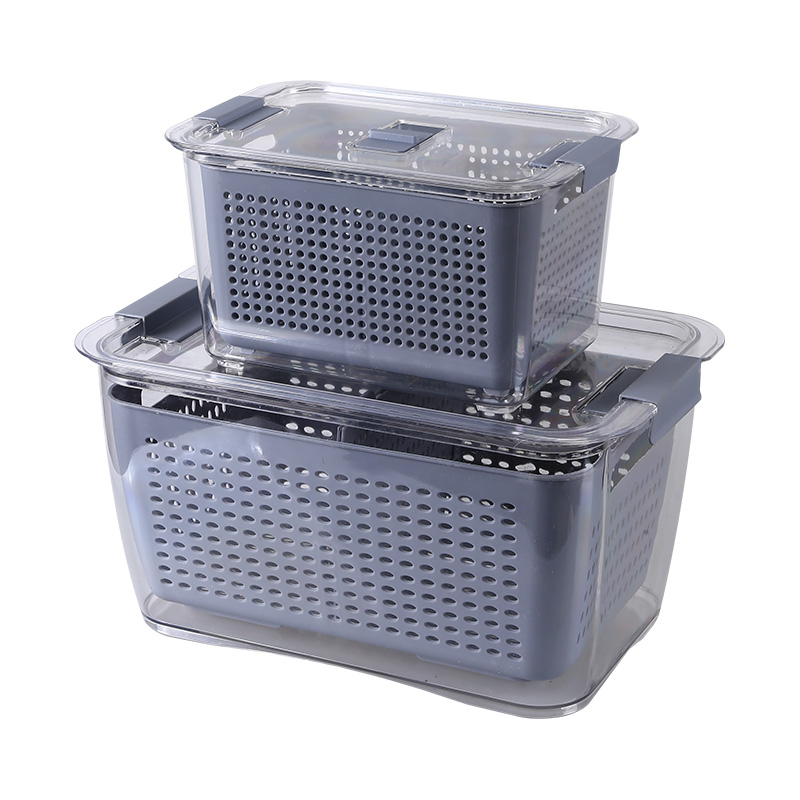
1pc Refrigerator Storage Box With Lid And Drain Basket Fruit Storage Containers Transparent Saver Container Food Organizer Bins
-
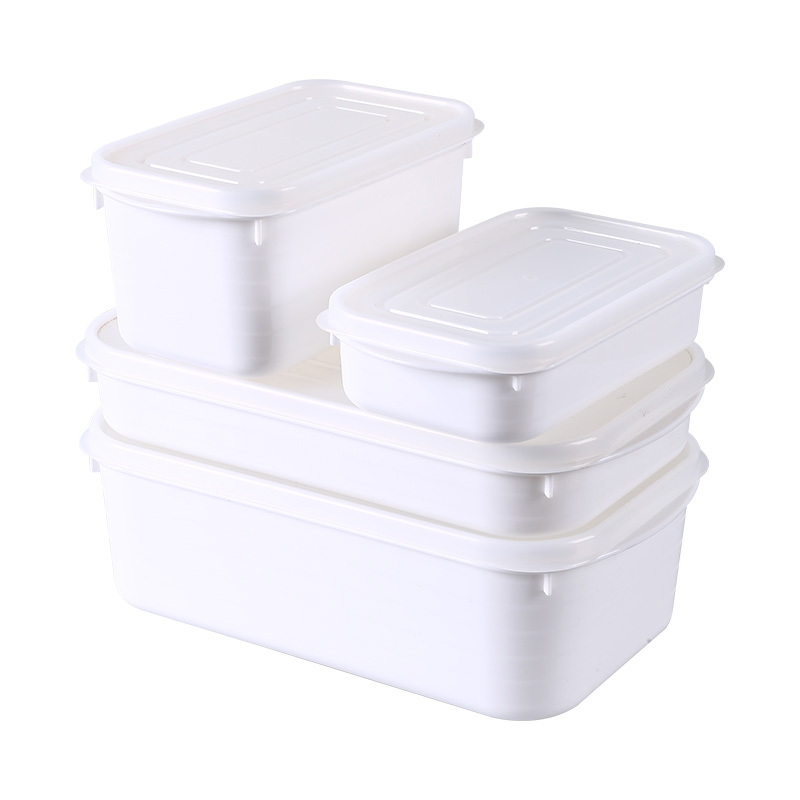
Food Storage Large Capacity Fresh-Keeping Eco Reusable Box Bento Food Leakproof Container
-
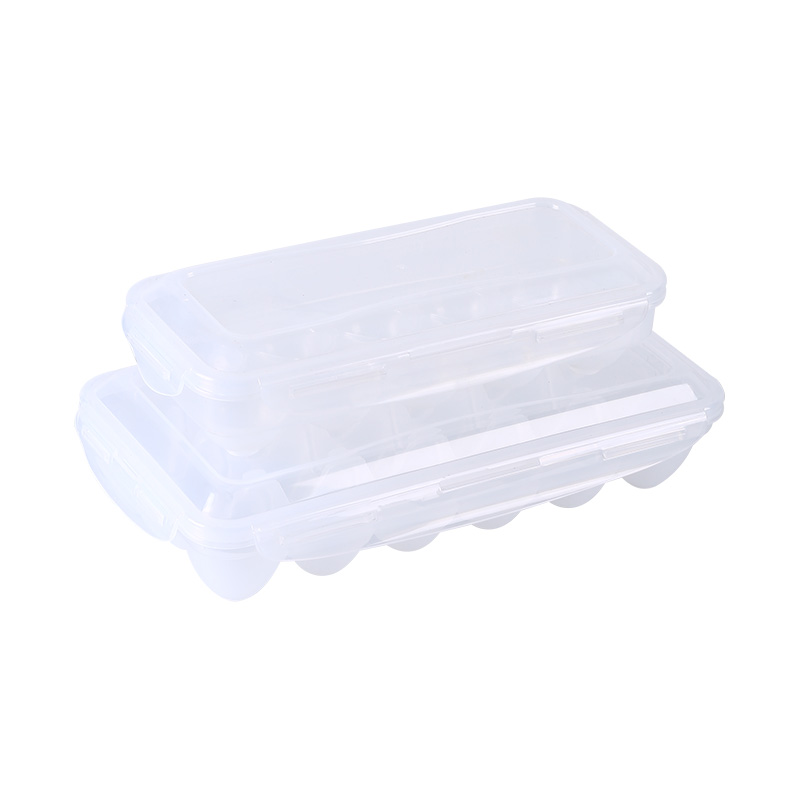
PP Plastic Egg Tray Storage Box
-
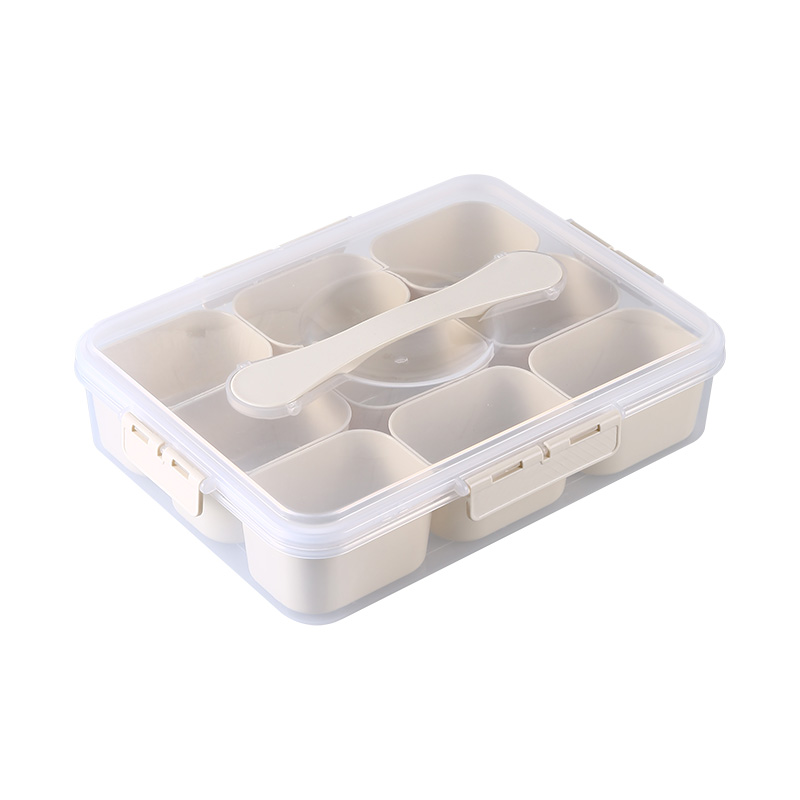
9 Compartment Divided Serving Tray With Lid And Handle Dried Fruit Storage Box
-
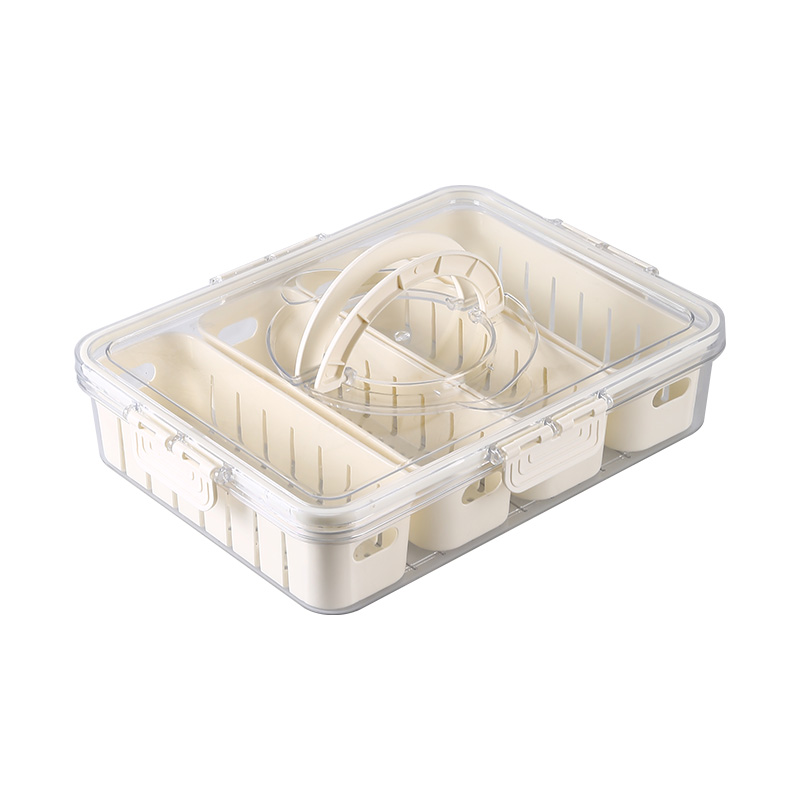
PP Material Handheld Fresh-Keeping Sealed Box Dry Food Classification Storage Box
-
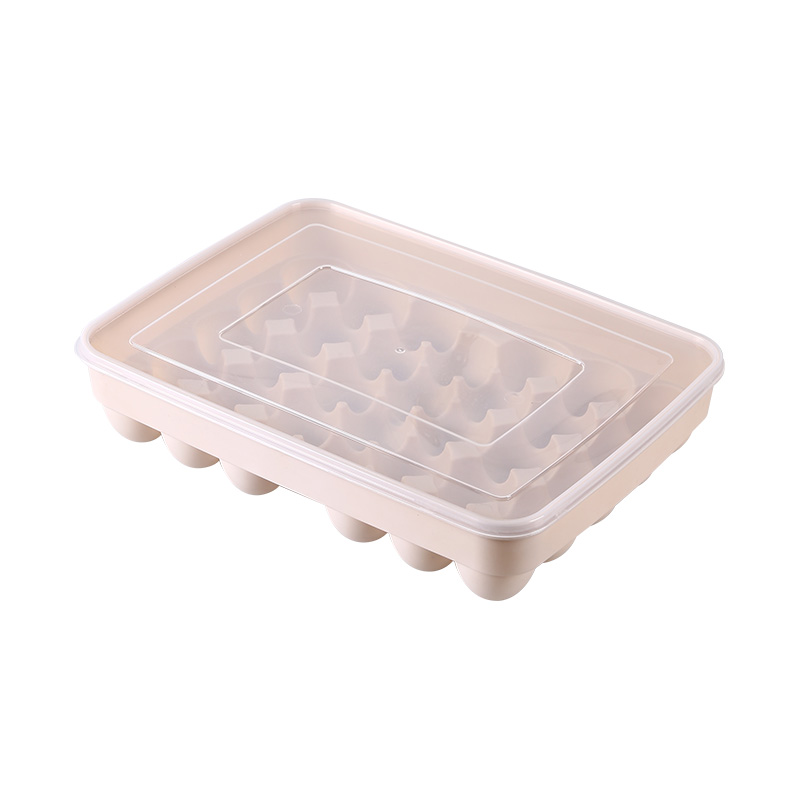
Refrigerator Storage Multi-Grid Egg Box Can Be Stacked With Cover To Food Preservation Box
-
Dual-Layer Transparent Egg Storage Rack Eco-Friendly Slide-Type Household Kitchen

 No. 7 Yicheng Middle Road, Anzhou Street, Xianju, Taizhou, Zhejiang, China.
 +86-0576-89370898
Copyright© Taizhou Soudelor Plastic Industry Co., Ltd. All Rights Reserved.
ECO Friendly Plastic Products Factory
