
 English
 中文简体
中文简体 Deutsch


What Makes a Storage Box Lid Truly Secure
A storage box may have a durable body, but its usefulness can still depend heavily on the lid. Loose covers can allow dust and moisture to enter, while poorly designed closures may pop open during movement or stacking. This is particularly relevant to eco-friendly storage boxes with lids, where sustainable materials need to work together with practical closure designs.
A secure lid is not simply a cover that clicks into place. Its performance depends on several interacting details, including locking force, rim geometry, gasket compression, material flexibility, and the way the lid handles pressure during everyday use.
Locking Points Distribute the Pressure
Single-point closures can hold a lid in place, but pressure may not be evenly distributed around the container perimeter. Multi-point locking systems approach the problem differently by securing several areas simultaneously.
- Two-point locks can provide a simple closure with relatively easy opening.
- Four-point locks can distribute pressure across opposing sides of the lid.
- Snap tabs can provide tactile feedback that the lid has engaged correctly.
- Reinforced locking areas can reduce deformation around high-stress points.
Some current food-storage designs use four latches positioned around the lid, while commercial containers may use three- or four-point locking clips together with a silicone gasket. Such arrangements are designed to keep the lid positioned consistently during storage and transport.
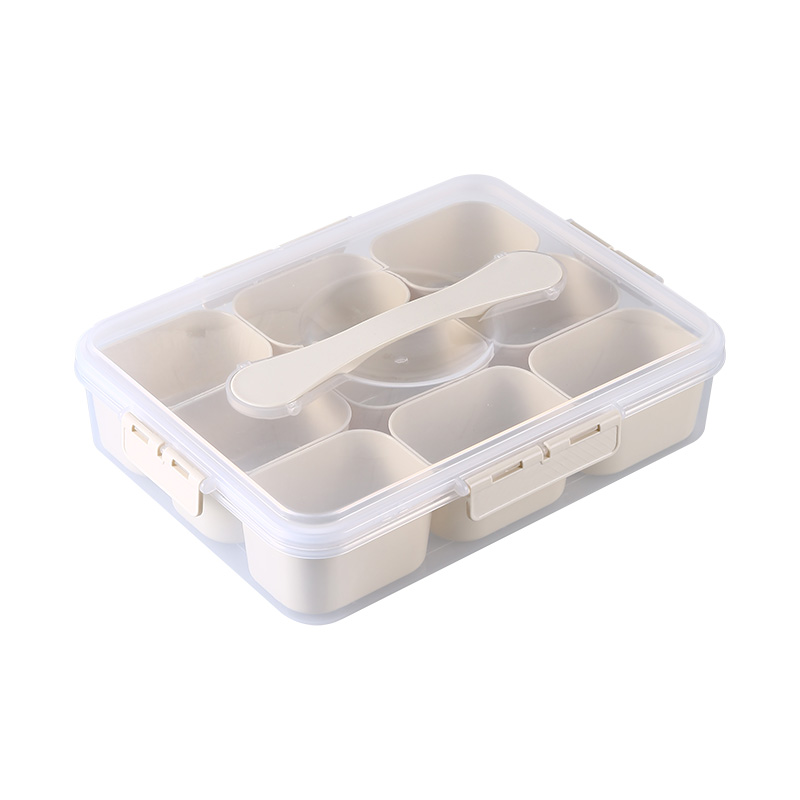
The Seal Does More Than Stop Spills
Locking tabs hold the lid down, but the sealing element creates the actual barrier between the container interior and the surrounding environment. Silicone gaskets are commonly used because their flexibility allows them to conform to small gaps between the lid and container rim.
Gasket compression is therefore a key technical detail. Too little compression may leave small leakage paths, while excessive compression can make the lid difficult to open and may place unnecessary stress on the closure system.
Modern container designs may combine a peripheral elastomer gasket with mechanical locking elements. Patent documentation also describes sealing systems where the gasket presses against the upper container edge while locking features maintain the required pressure.
Does the Container Rim Affect Lid Security?
The lid cannot perform independently from the container body. A slightly warped or flexible rim may prevent uniform contact, even with a well-designed gasket.
- Consistent rim dimensions help maintain predictable lid contact.
- Reinforced upper edges can reduce deformation during stacking.
- Matching lid and body profiles help prevent movement after closure.
- Controlled tolerances support consistent locking performance across repeated use.
Recent storage-box designs also use peripheral locking projections and complementary lid structures to create a more stable mechanical connection.
Stacking Changes the Requirements
Security matters even more once several boxes are stacked. Weight from upper containers can press against the lid, while movement during handling may create lateral forces. A lid designed only for static storage may not perform the same way during transport.
Stackable storage products often integrate grooves, raised edges, or matching profiles into the lid and base. These features help keep boxes aligned instead of allowing the upper container to slide across the lower lid. Heavy-duty storage bins, for example, may combine latching buckles with reinforced lid structures and interlocking stacking geometry.
Eco-Friendly Materials Still Need Structural Strength
Sustainability does not automatically determine lid performance. Material selection needs to balance environmental considerations with stiffness, impact resistance, dimensional stability, and repeated-use durability.
Depending on the application, manufacturers may consider recycled polymers, bio-based plastics, PP blends, or other materials with suitable mechanical properties. The important point is that the lid must retain its shape after repeated opening, closing, stacking, and handling.
Material thickness also matters. Thin sections around hinges and locking tabs may experience repeated flexing, while thicker sections can improve rigidity but add weight and material consumption. Good design therefore focuses on where structural support is actually needed rather than simply increasing the overall wall thickness.
Easy Opening Is Part of Secure Design
A lid that requires excessive force is not necessarily a better lid. Difficult closures can discourage users from fully engaging the locking mechanism, creating a different type of security problem.
Recent container-lid designs have explored mechanisms that combine a fixed hook with a movable snap tab. Such arrangements can allow the lid to engage from one side before the opposite locking section is pressed into position, reducing the number of separate actions required.
What Should a Secure Lid Include?
- Reliable locking points that remain engaged during normal handling.
- Suitable gasket compression around the full sealing perimeter.
- Rigid rim geometry that supports consistent contact.
- Stacking features that reduce sliding between containers.
- Durable hinge and latch areas designed for repeated opening and closing.
Security Comes From the Whole Lid System
A truly secure lid is the result of several components working together rather than a single locking clip. Locking points hold the cover in position, the gasket creates the seal, the rim supports consistent contact, and the overall geometry keeps stacked containers stable.
That principle applies equally to eco-friendly storage boxes with lids. Sustainable material choices can support reusable storage, but practical value still depends on how well the lid performs through everyday opening, closing, stacking, and transportation. A secure design should protect the contents without making the box unnecessarily difficult to use.
Hot Products
-
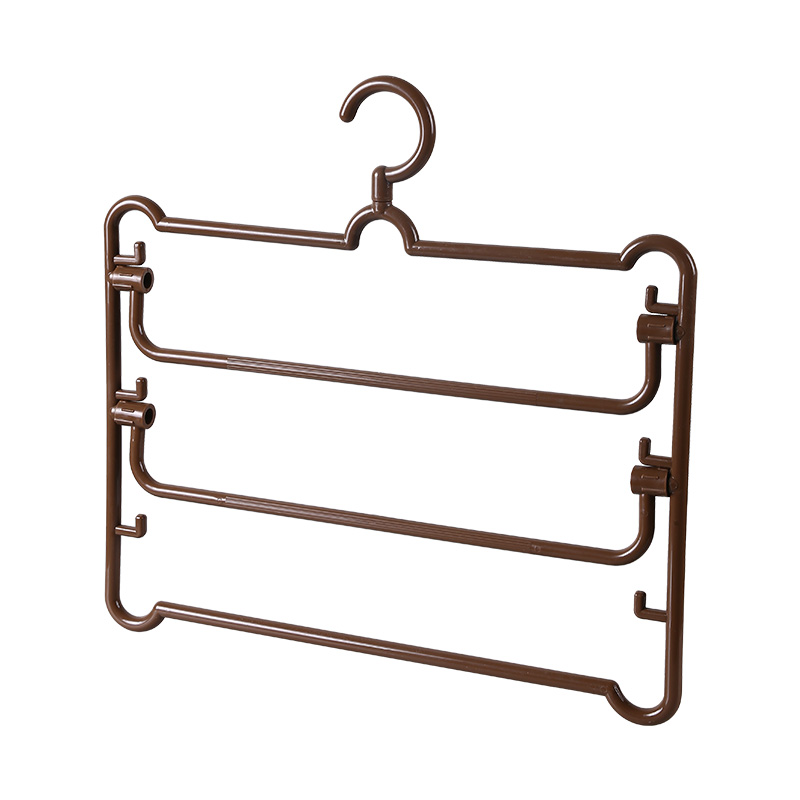
Plastic Pants Hanger (3 Bars)
-
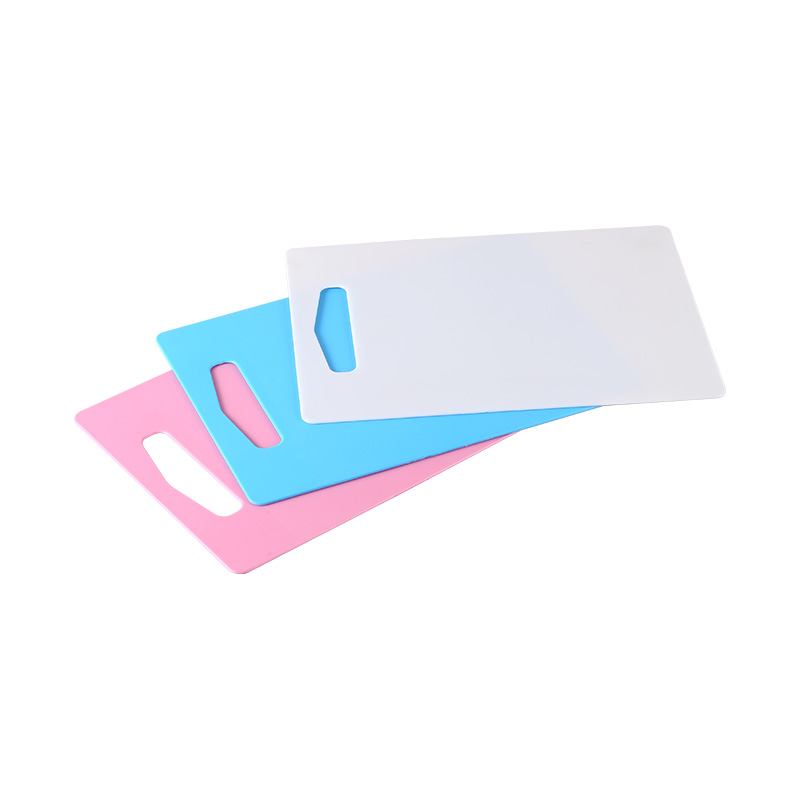
Plastic Chopping Board Food Cutting Block Mat Tool
-
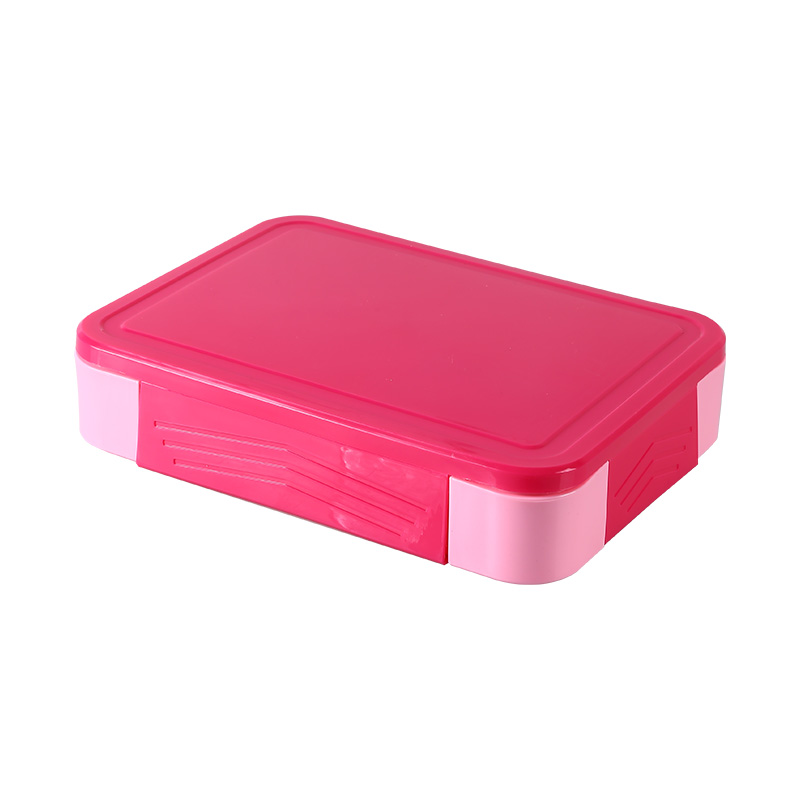
Food Storage Container For Adult Kids All-In-One Lunch Box
-
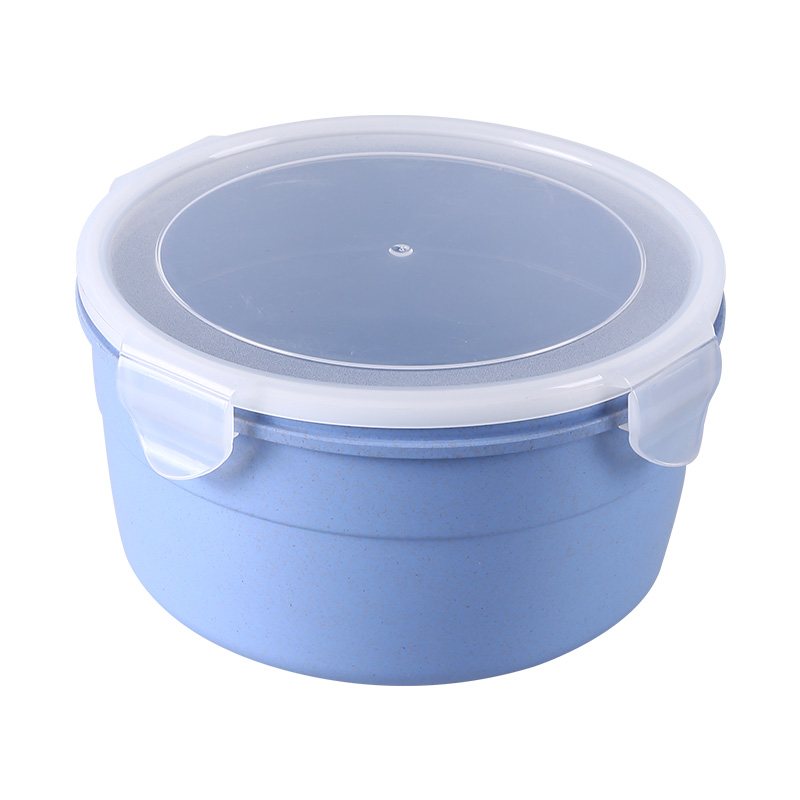
Mini Round Food Preservation Box
-
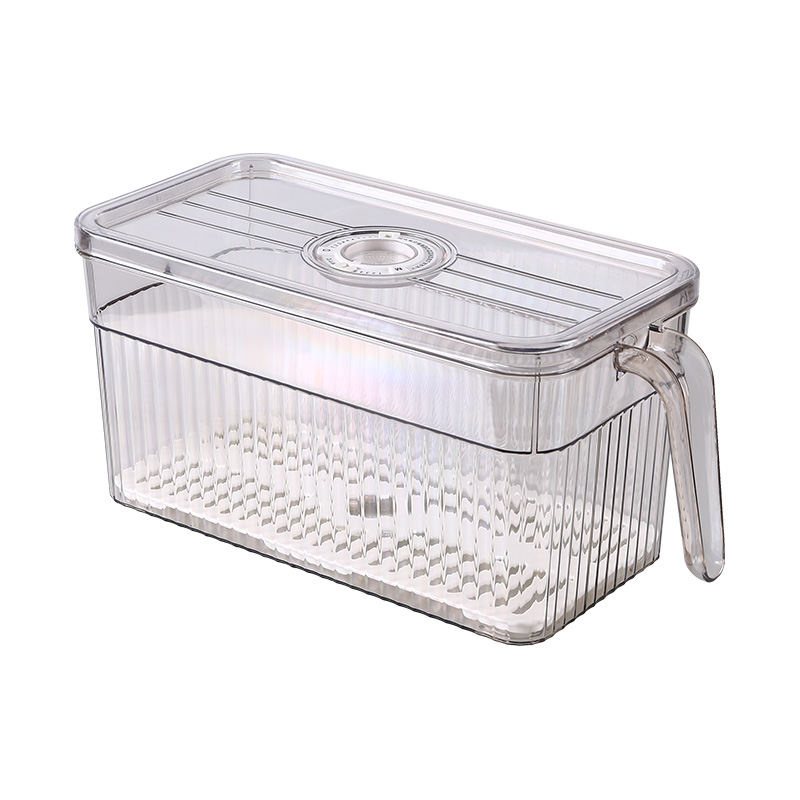
Refrigerator Storage Box Freezer Handle Storage Container
-
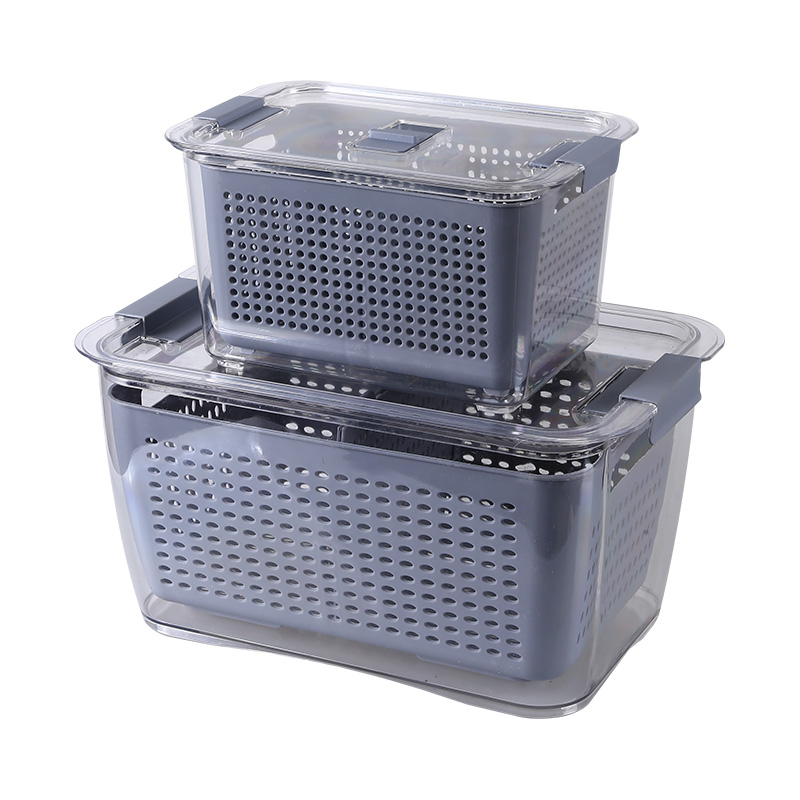
1pc Refrigerator Storage Box With Lid And Drain Basket Fruit Storage Containers Transparent Saver Container Food Organizer Bins
-
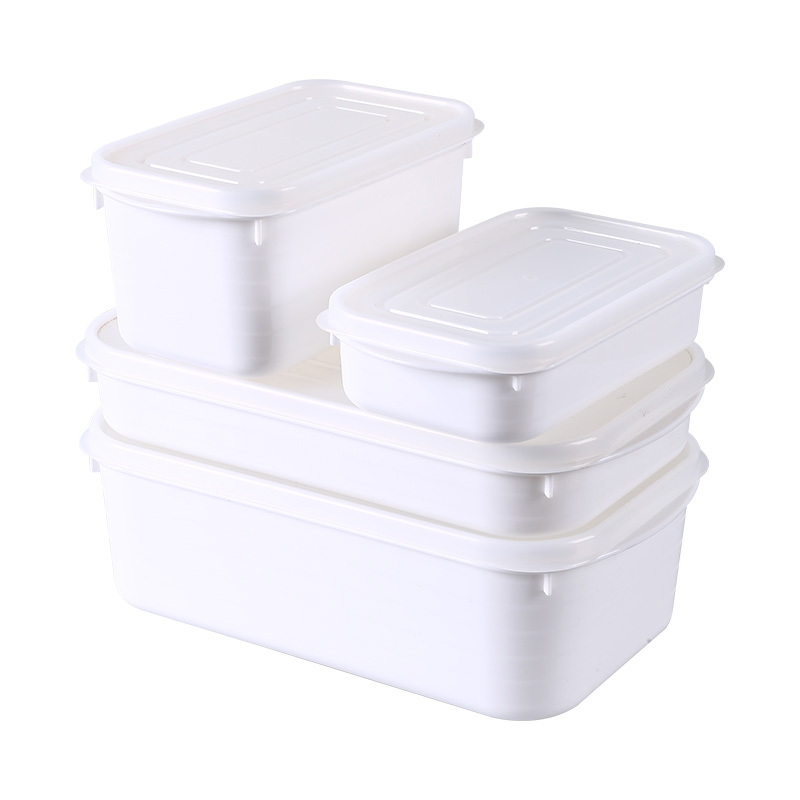
Food Storage Large Capacity Fresh-Keeping Eco Reusable Box Bento Food Leakproof Container
-
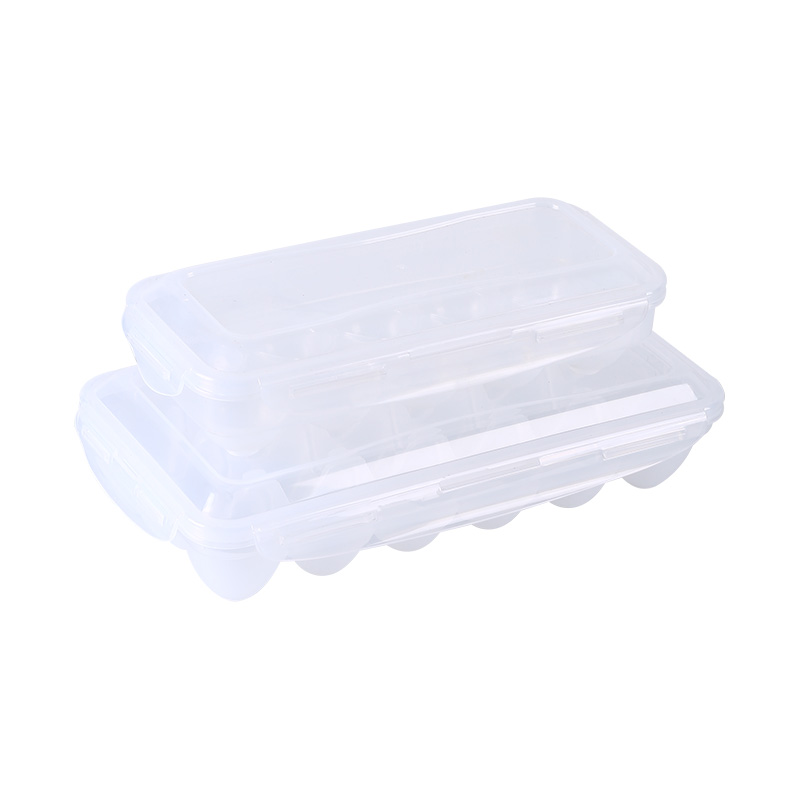
PP Plastic Egg Tray Storage Box
-
9 Compartment Divided Serving Tray With Lid And Handle Dried Fruit Storage Box
-
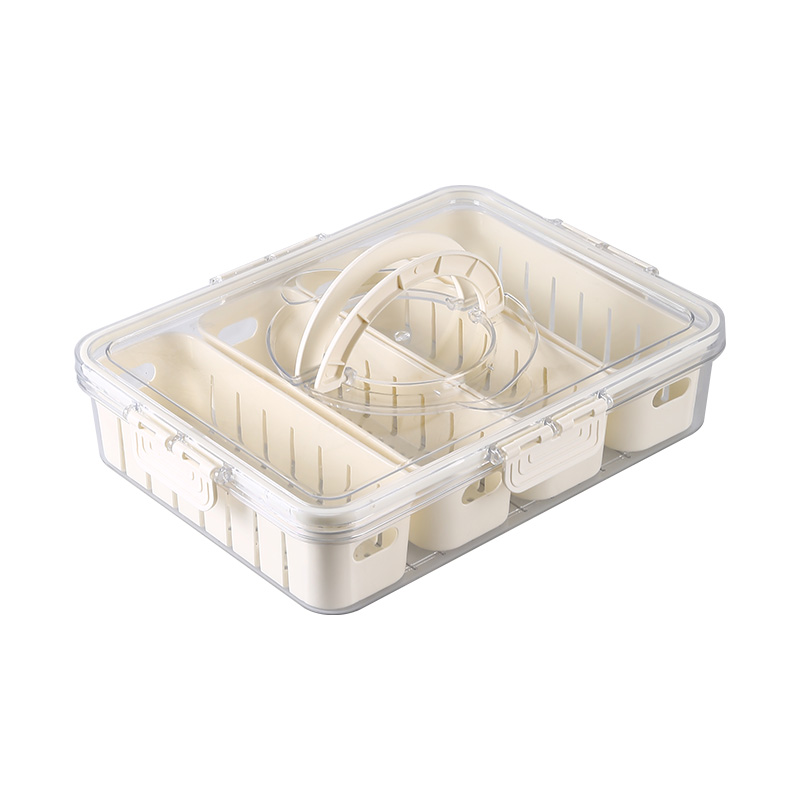
PP Material Handheld Fresh-Keeping Sealed Box Dry Food Classification Storage Box
-
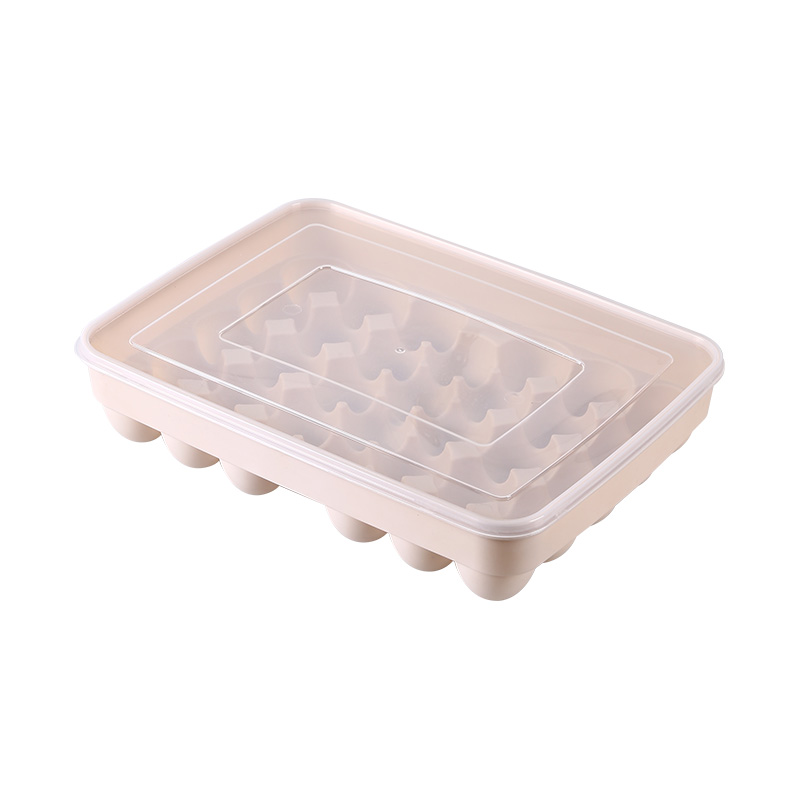
Refrigerator Storage Multi-Grid Egg Box Can Be Stacked With Cover To Food Preservation Box
-
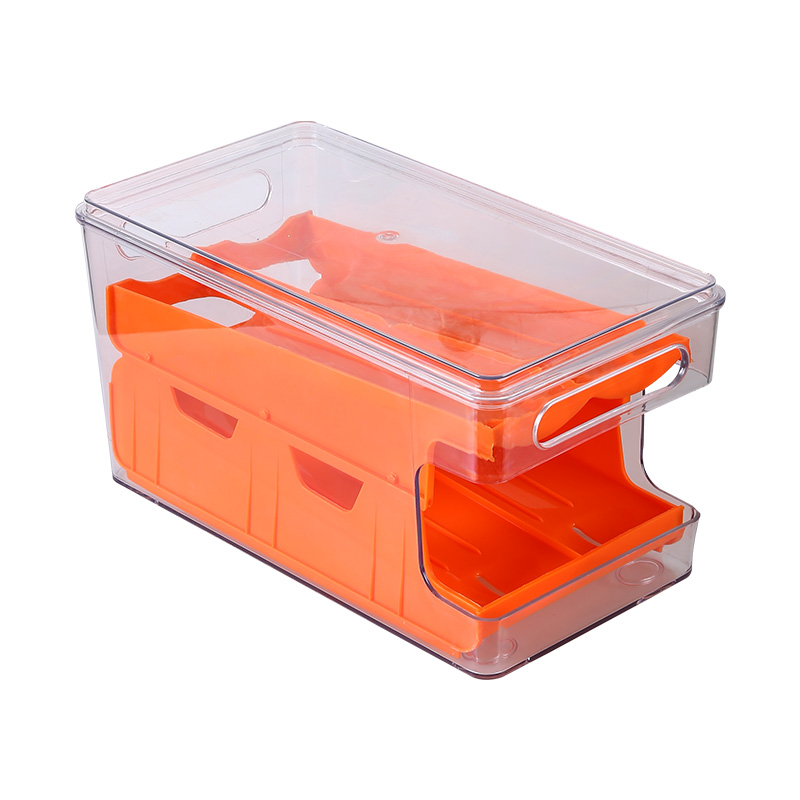
Dual-Layer Transparent Egg Storage Rack Eco-Friendly Slide-Type Household Kitchen
 No. 7 Yicheng Middle Road, Anzhou Street, Xianju, Taizhou, Zhejiang, China.
 +86-0576-89370898
Copyright© Taizhou Soudelor Plastic Industry Co., Ltd. All Rights Reserved.
ECO Friendly Plastic Products Factory
