
 English
 中文简体
中文简体 Deutsch


Can Plastic Drainage Boxes Prevent Water Stagnation
Plastic boxes for drainage serve a practical purpose in both domestic and commercial environments. These products are designed to channel water efficiently while preventing blockages, making them a vital component in kitchens, bathrooms, gardens, and outdoor spaces. Concerns often focus on durability, ease of cleaning, and how effectively they handle water flow without allowing debris accumulation.
The design, material properties, and functional features all influence performance and longevity.
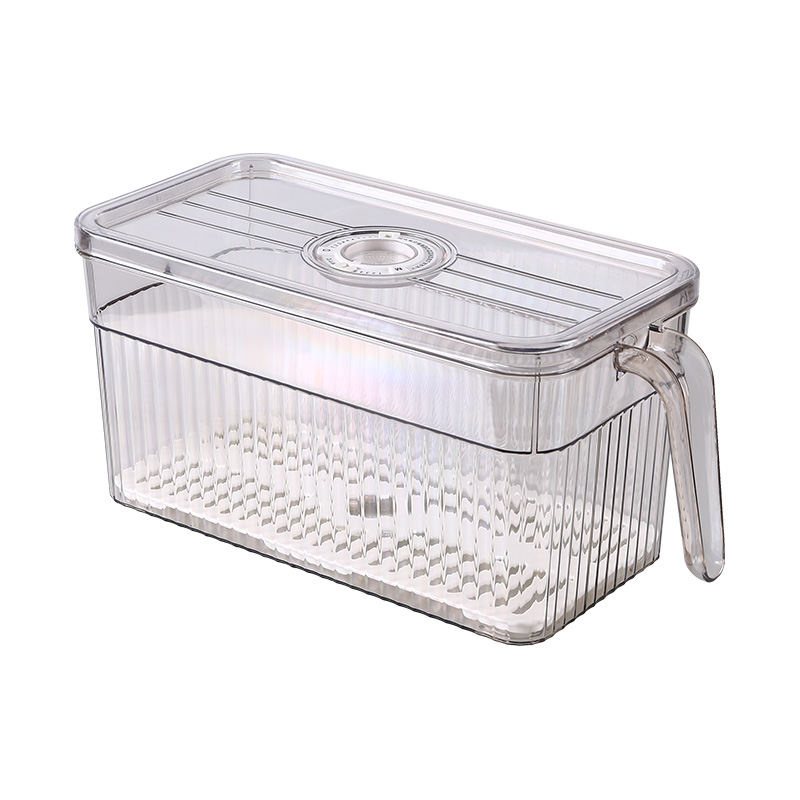
Internal flow geometry and water movement behavior
A plastic drainage box is typically built with a flat or slightly ribbed base, multiple inlet points, and one or more outlet channels. Water movement depends heavily on internal slope consistency and how evenly the inlet openings distribute flow.
Key structural characteristics often include:
- Base slope designed around 1–3 degrees to guide gravity-assisted drainage
- Channel depth ranging from 10 mm to 40 mm depending on application
- Inlet perforations positioned along perimeter zones rather than center points
- Outlet ports sized between 16 mm and 50 mm for continuous discharge
Research on drainage systems shows that uneven inlet distribution can cause localized pooling zones, especially where flow velocity drops below self-cleaning thresholds . Once sediment accumulates in these low-velocity areas, stagnation risk increases significantly.
Role of perforation layout in stagnation control
Water stagnation often begins at the micro-flow level rather than at visible pooling stages. The arrangement of perforations determines whether debris is flushed out or trapped inside the box.
Common engineering patterns include:
- Edge-aligned inlet holes that reduce central sediment buildup
- Cross-channel grooves that redirect water toward outlets
- Multi-point drainage grids instead of single large openings
Systems using only one central outlet tend to accumulate debris at the base, since solids settle in the lowest pressure zone. Multi-path drainage design reduces this effect by creating alternate flow routes, preventing blockage concentration in a single point.
Sediment accumulation and clog formation dynamics
Plastic drainage boxes often handle mixed water streams containing small particles, organic matter, or fine dust. Over time, these particles settle due to reduced turbulence inside the chamber.
Observed clog formation stages:
- Fine particles settle along flat base zones within hours of stagnant flow
- Organic residue adheres to inner walls, forming a thin biofilm layer
- Layered buildup gradually narrows effective channel height
- Flow velocity drops below self-clearing level, accelerating stagnation
Field observations from drainage infrastructure systems show that uneven settlement patterns in distribution boxes can divert flow toward a single outlet, creating localized saturation while other outlets remain underused .
Material surface properties influencing water retention
Polypropylene and polyethylene are the most common plastics used in drainage box manufacturing. Their surface energy characteristics influence whether water spreads evenly or forms droplets that stick to internal walls.
Important material behavior factors include:
- Low surface energy reduces adhesion of organic residues
- Smooth injection-molded walls limit sediment attachment points
- Slight surface roughness increases long-term biofilm accumulation risk
- UV-stabilized polymers maintain structural integrity under outdoor exposure
Smooth internal finishes help maintain consistent flow, while rough or recycled plastic surfaces tend to trap fine particles more easily, increasing stagnation probability over long use cycles.
Air exchange and pressure balance inside drainage systems
Water stagnation is not only a flow issue but also a pressure balance problem. Enclosed drainage boxes must allow air displacement to avoid vacuum pockets that slow discharge.
Typical design features supporting pressure balance:
- Vent openings integrated near upper chamber sections
- Overflow relief channels positioned slightly above base level
- Ribbed structures that prevent full surface sealing of water film
Without proper air exchange, water movement slows significantly even if outlet size is sufficient. This condition often causes “false blockage,” where the system appears clogged but is actually experiencing airflow restriction.
Installation angle and real-world performance differences
Even small installation variations can change drainage behavior dramatically. A difference of just 1–2 mm in elevation across the base can shift flow direction inside the box.
Practical installation effects include:
- Slight tilting improves continuous flushing of sediment
- Flat installation increases likelihood of dead zones
- Elevated outlet positioning reduces backflow during heavy load periods
- Poor leveling causes uneven outlet utilization
In field applications such as garden or sink drainage setups, improper leveling is one of the most common reasons behind persistent water retention issues, even in well-designed systems.
Application environments and usage constraints
Plastic drainage boxes are used in a wide range of environments, and stagnation risk varies depending on load type and frequency of flow.
Typical application scenarios:
- Kitchen water separation systems handling intermittent flow
- Garden irrigation distribution setups exposed to soil particles
- Industrial drainage channels dealing with mixed liquid waste
- Bathroom or shower linear drainage systems with rapid discharge cycles
Systems handling continuous flow tend to self-clean more effectively, while intermittent flow environments allow sediment to settle and accumulate.
Hot Products
-
Plastic Pants Hanger (3 Bars)
-
Plastic Chopping Board Food Cutting Block Mat Tool
-
Food Storage Container For Adult Kids All-In-One Lunch Box
-
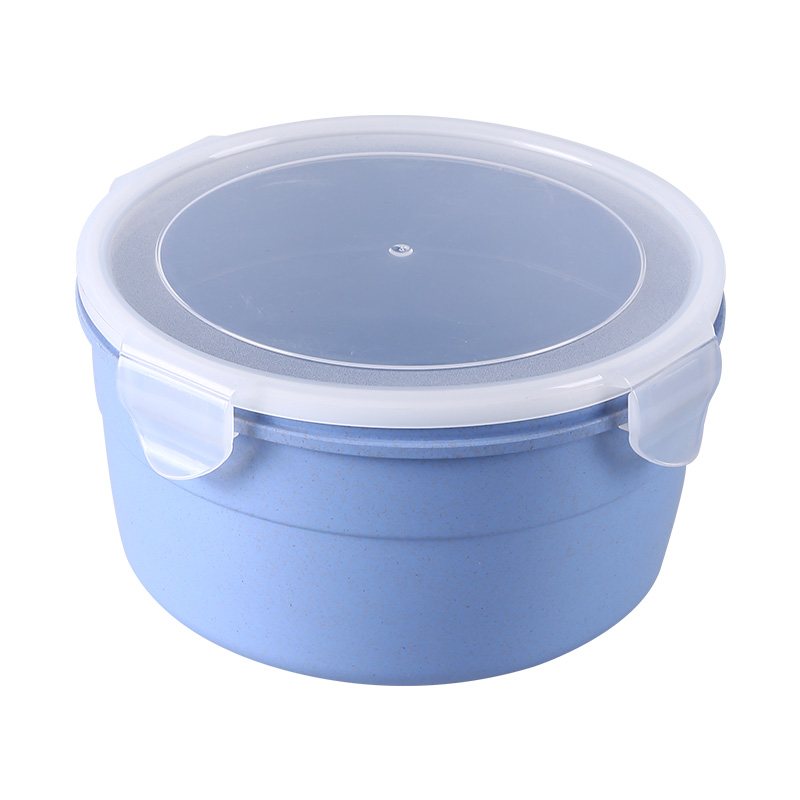
Mini Round Food Preservation Box
-
Refrigerator Storage Box Freezer Handle Storage Container
-
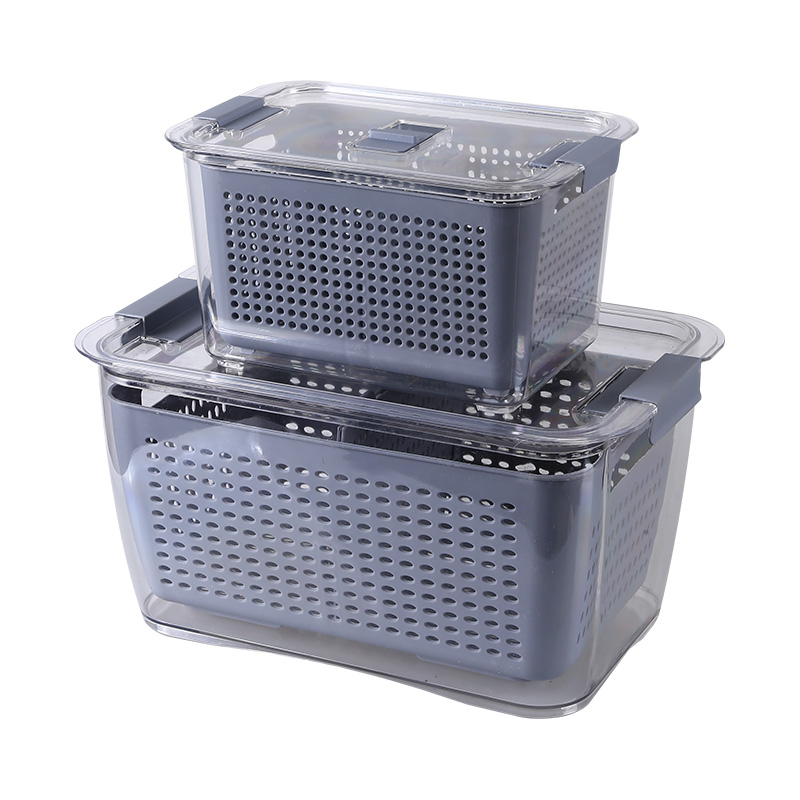
1pc Refrigerator Storage Box With Lid And Drain Basket Fruit Storage Containers Transparent Saver Container Food Organizer Bins
-
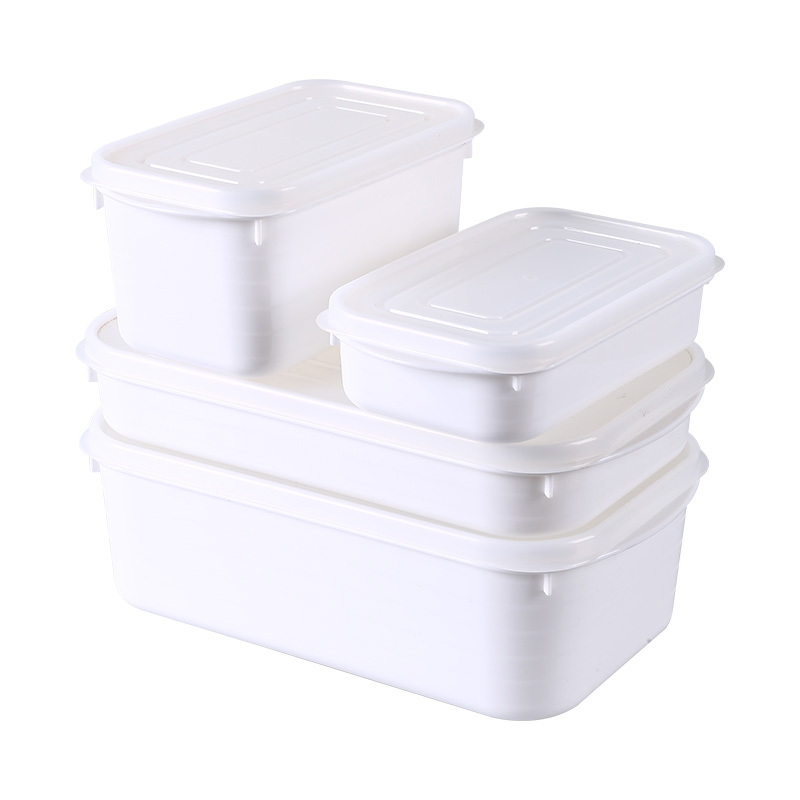
Food Storage Large Capacity Fresh-Keeping Eco Reusable Box Bento Food Leakproof Container
-
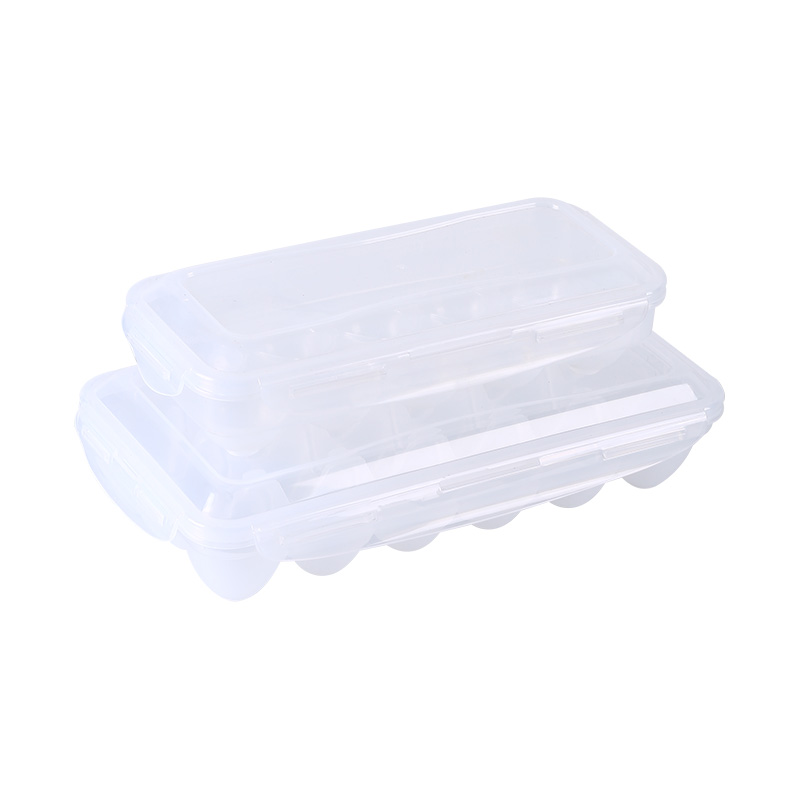
PP Plastic Egg Tray Storage Box
-
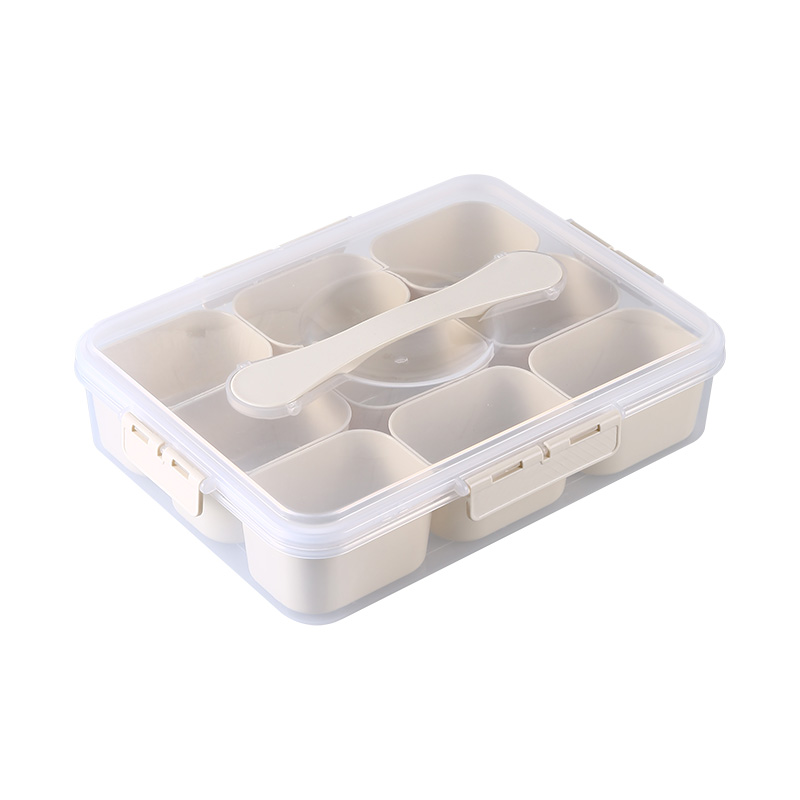
9 Compartment Divided Serving Tray With Lid And Handle Dried Fruit Storage Box
-
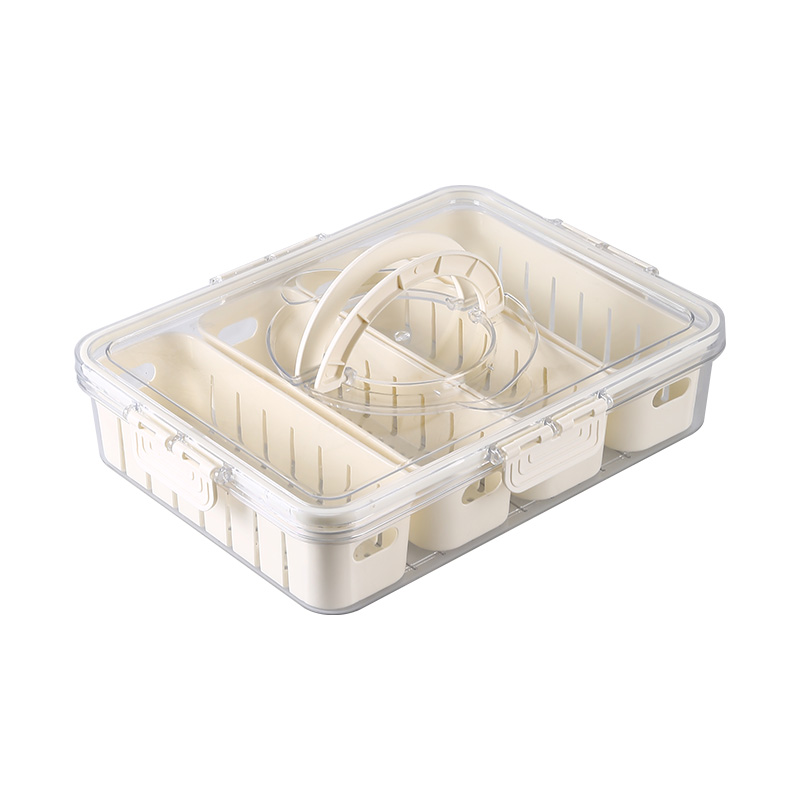
PP Material Handheld Fresh-Keeping Sealed Box Dry Food Classification Storage Box
-
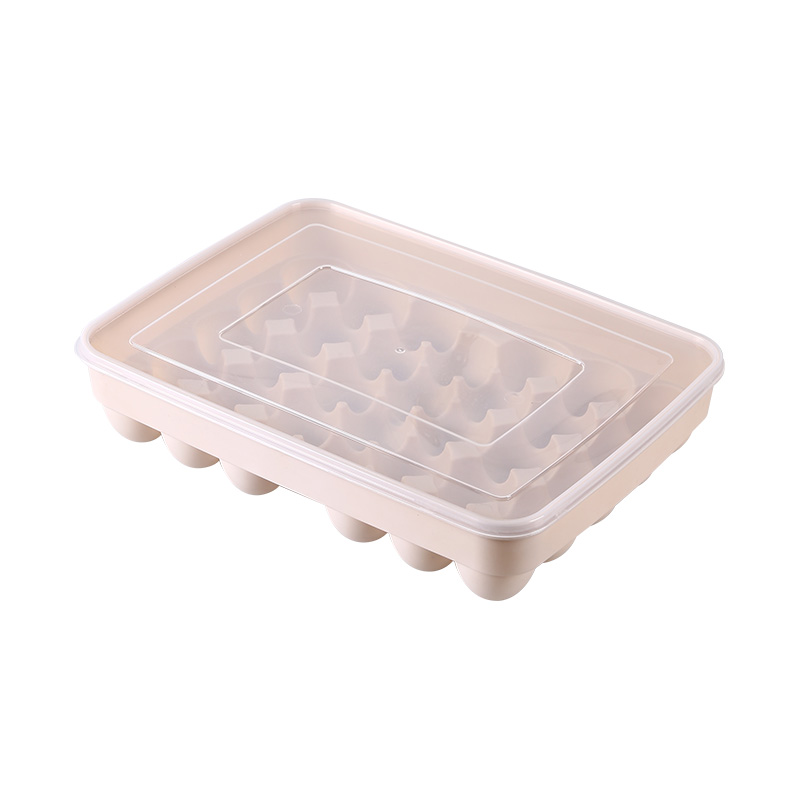
Refrigerator Storage Multi-Grid Egg Box Can Be Stacked With Cover To Food Preservation Box
-
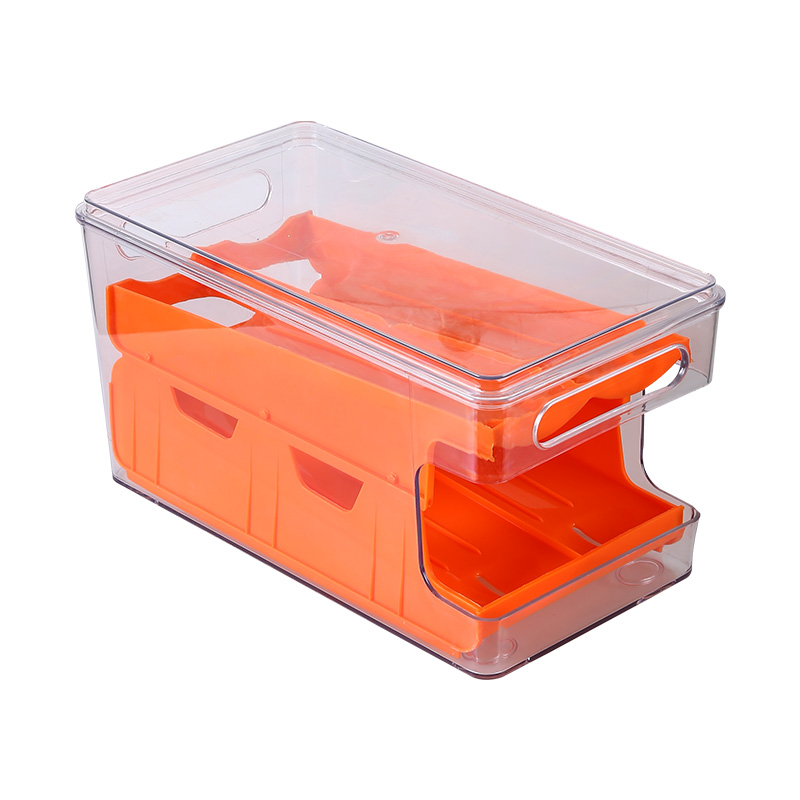
Dual-Layer Transparent Egg Storage Rack Eco-Friendly Slide-Type Household Kitchen
 No. 7 Yicheng Middle Road, Anzhou Street, Xianju, Taizhou, Zhejiang, China.
 +86-0576-89370898
Copyright© Taizhou Soudelor Plastic Industry Co., Ltd. All Rights Reserved.
ECO Friendly Plastic Products Factory
