
 English
 中文简体
中文简体 Deutsch


Do Trousers Hangers Keep Pants Wrinkle-Free
Trousers hanger designs have shifted from simple storage tools to functional wardrobe systems that aim to preserve fabric shape and reduce crease formation. Interest in products supplied by a trousers hanger factory often focuses less on production origin and more on how effectively different hanger structures prevent pressure marks, sliding, and long-term fabric deformation.
Wrinkle control is not determined by hanging alone; it depends on clamping force distribution, contact surface material, and gravity balance across folded fabric layers.
Clamping pressure distribution and fabric stress points
A major factor influencing wrinkle formation is how pressure is applied to trousers at the hanging points. Uneven force creates localized compression lines that become permanent creases over time.
Typical engineering parameters include:
- Clamp force range around 2–5 kg depending on spring strength
- Contact width between 25–45 mm to distribute pressure evenly
- Rubber or EVA-coated pads used to reduce friction marks
- Dual-clip or multi-bar systems to balance load across waistband or hem
Studies on textile storage stress show that concentrated pressure zones accelerate fiber flattening, especially in cotton and linen fabrics where elasticity is limited (textilelearner.net).
Hanging orientation and gravity-based deformation
Wrinkle formation is strongly influenced by how trousers are oriented during storage. Vertical suspension distributes gravitational force along the length of the fabric, while improper folding can concentrate stress at knee or hip zones.
Observed structural behaviors include:
- Waistband hanging reduces crease formation along leg seams
- Hem-clamp systems minimize top-edge distortion
- Fold-over bar designs may introduce mid-line pressure marks
- Full-length hanging reduces stacking compression compared with drawer storage
Gravity acts continuously on fabric fibers, and unsupported sections tend to stretch slightly over time. Balanced hanging geometry helps reduce uneven elongation that contributes to visible wrinkling.
Surface contact material and friction control
Contact surfaces between hanger and fabric play a critical role in maintaining smooth appearance. High-friction materials tend to grip fabric too tightly, while overly smooth surfaces allow slipping and repeated repositioning, both of which can create folds.
Common surface treatments include:
- Anti-slip PVC coating for stable grip without fabric damage
- Soft rubber padding to reduce imprint depth
- Textured grips designed to increase holding stability without high compression
- Metal-coated arms with polymer sleeves for hybrid durability
Polymer-coated contact zones help reduce micro-abrasion, which is a common cause of fabric sheen marks on darker trousers after repeated hanging cycles.
Structural design differences in hanger systems
Different trousers hanger designs influence wrinkle resistance in distinct ways. Manufacturing approaches from a trousers hanger factory typically focus on balancing load stability with compact storage efficiency.
Key structural types include:
- Clip hangers using dual clamps for adjustable positioning
- Bar hangers allowing folded placement across a horizontal rod
- Multi-layer cascading systems designed for space optimization
- Rotating hook designs that improve access without fabric twisting
Each structure distributes weight differently, which affects how fabric fibers settle over time. Multi-layer systems save space but increase contact points, while single-bar designs reduce compression but require more wardrobe width.
Fabric type interaction with hanger performance
Wrinkle resistance is not uniform across materials. Fabric composition directly affects how well trousers maintain shape during hanging storage.
Behavior differences include:
- Cotton fibers show higher crease retention due to low elasticity
- Polyester blends recover shape more easily after pressure release
- Wool fabrics resist sharp folds but may develop soft drape lines
- Linen reacts strongly to localized compression and requires broader support
Hanger design must align with fabric behavior to minimize permanent deformation. Narrow clamp systems may work for synthetic blends but create visible marks on delicate natural fibers.
Long-term storage effects and structural fatigue
Repeated use of hangers introduces gradual changes in both fabric and hanger components. Spring tension loss and padding compression can alter pressure distribution over time.
Common long-term effects:
- Rubber pads harden and lose grip efficiency
- Spring clips weaken, reducing holding force consistency
- Metal fatigue may slightly alter clamp alignment
- Fabric develops repeated fold memory at contact zones
These changes slowly increase the likelihood of visible creasing, even under otherwise stable hanging conditions.
Wardrobe environment and wrinkle formation
Storage conditions inside wardrobes also influence how trousers respond to hanger systems. Humidity, airflow, and spacing between garments affect fiber relaxation.
Key environmental influences include:
- High humidity softens fibers, increasing crease susceptibility
- Limited airflow traps moisture, slowing fabric recovery
- Overcrowded rails cause cross-contact pressure marks
- Temperature fluctuations affect elastic recovery rates
Proper spacing between garments allows fabric to hang freely without lateral compression, reducing secondary wrinkle formation from adjacent items.
Hot Products
-
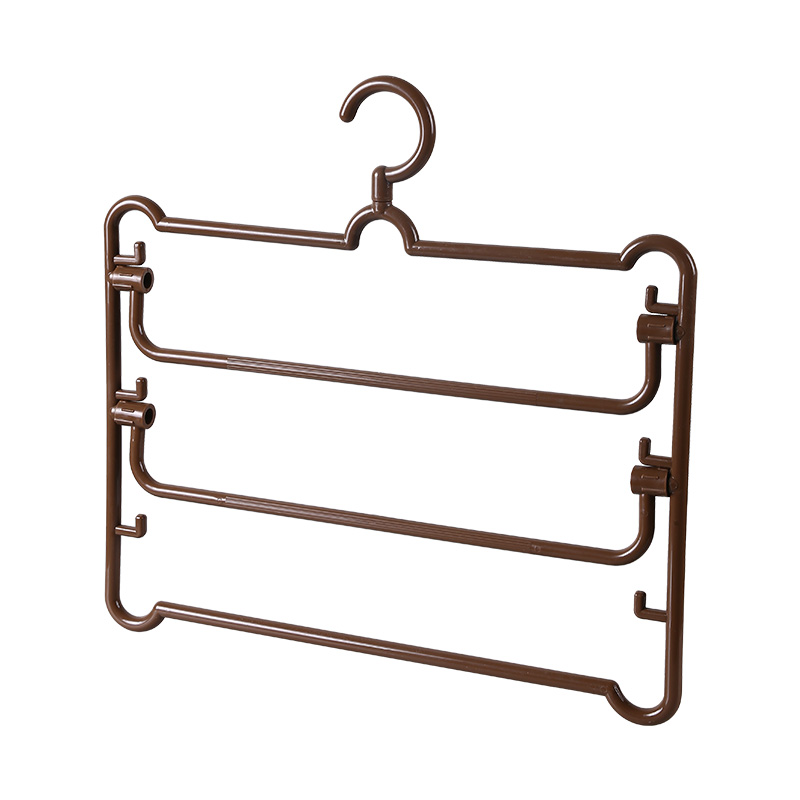
Plastic Pants Hanger (3 Bars)
-
Plastic Chopping Board Food Cutting Block Mat Tool
-
Food Storage Container For Adult Kids All-In-One Lunch Box
-
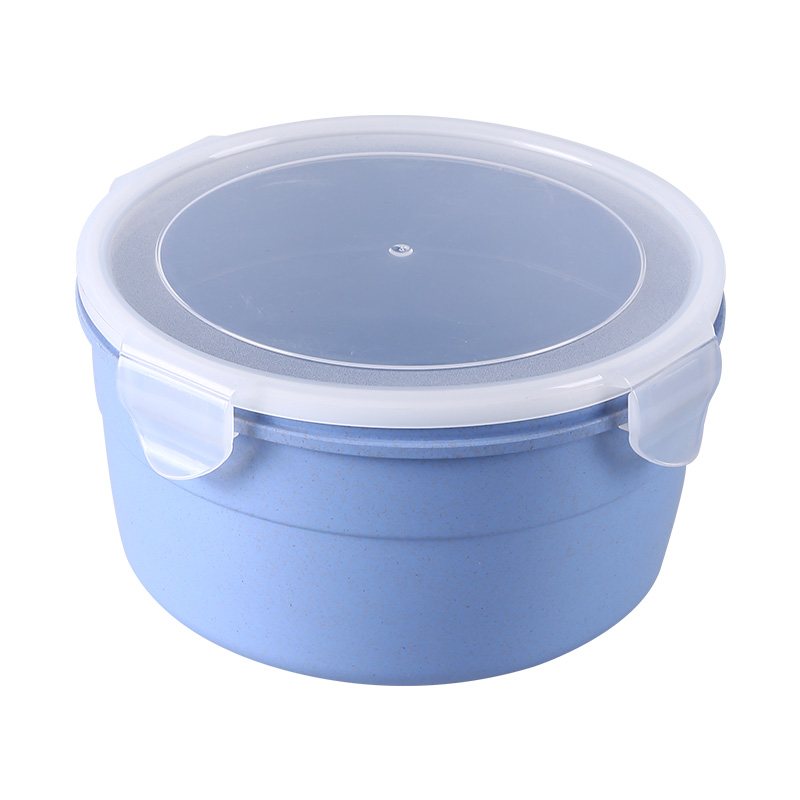
Mini Round Food Preservation Box
-
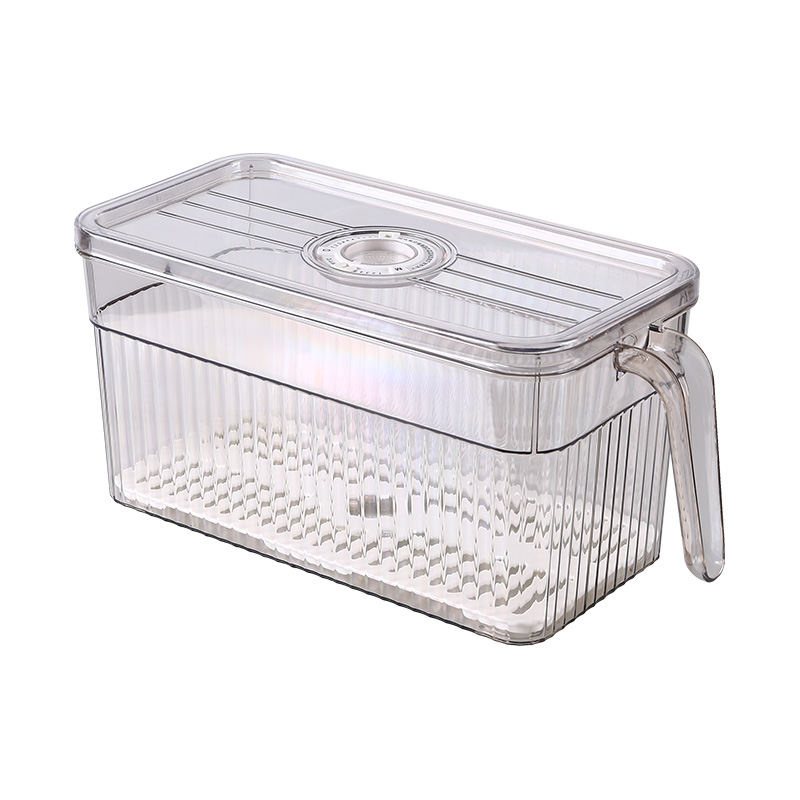
Refrigerator Storage Box Freezer Handle Storage Container
-
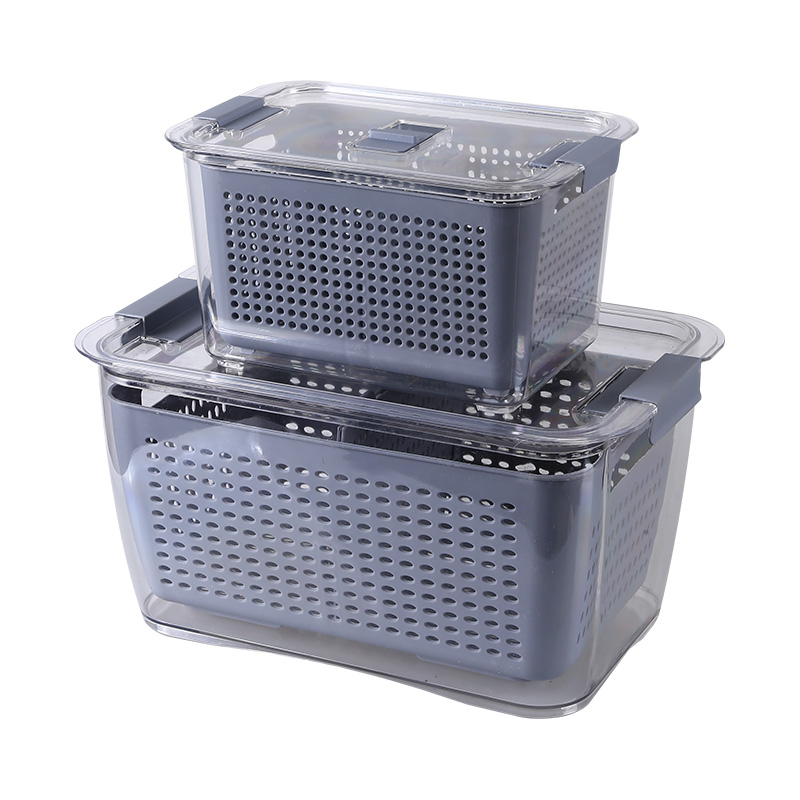
1pc Refrigerator Storage Box With Lid And Drain Basket Fruit Storage Containers Transparent Saver Container Food Organizer Bins
-
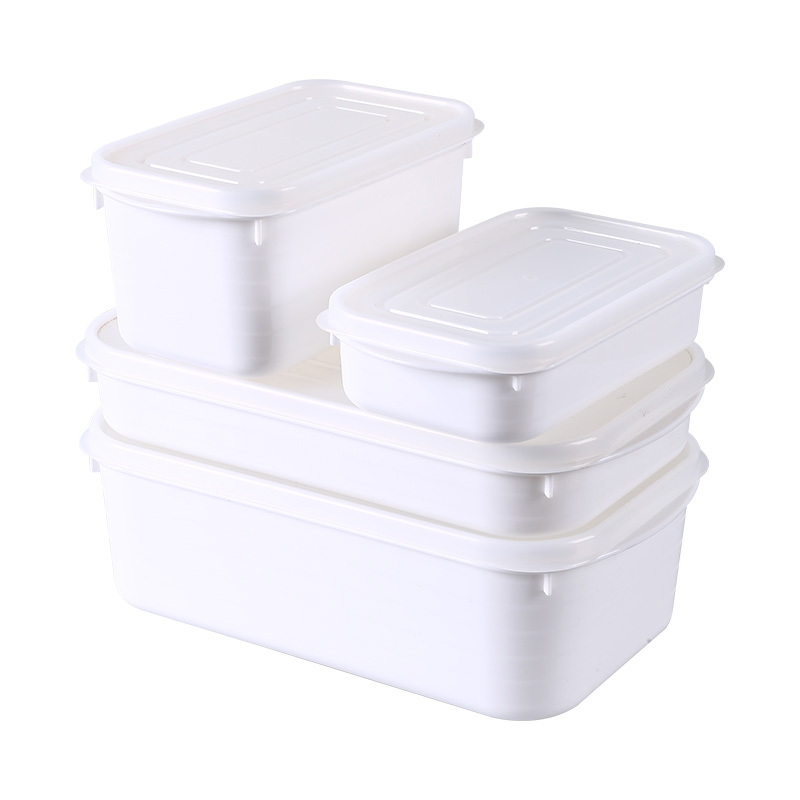
Food Storage Large Capacity Fresh-Keeping Eco Reusable Box Bento Food Leakproof Container
-
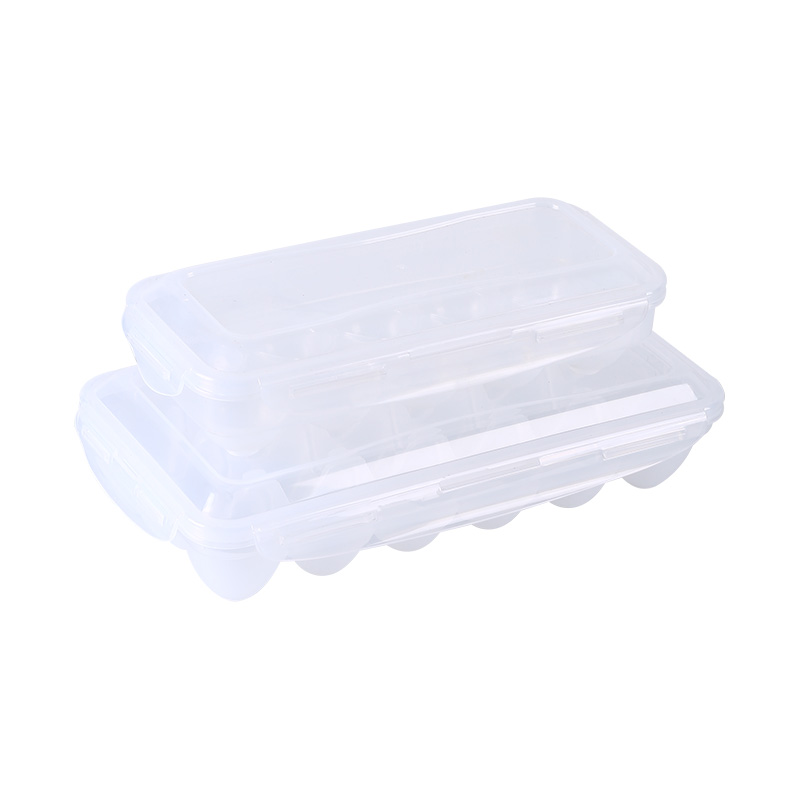
PP Plastic Egg Tray Storage Box
-
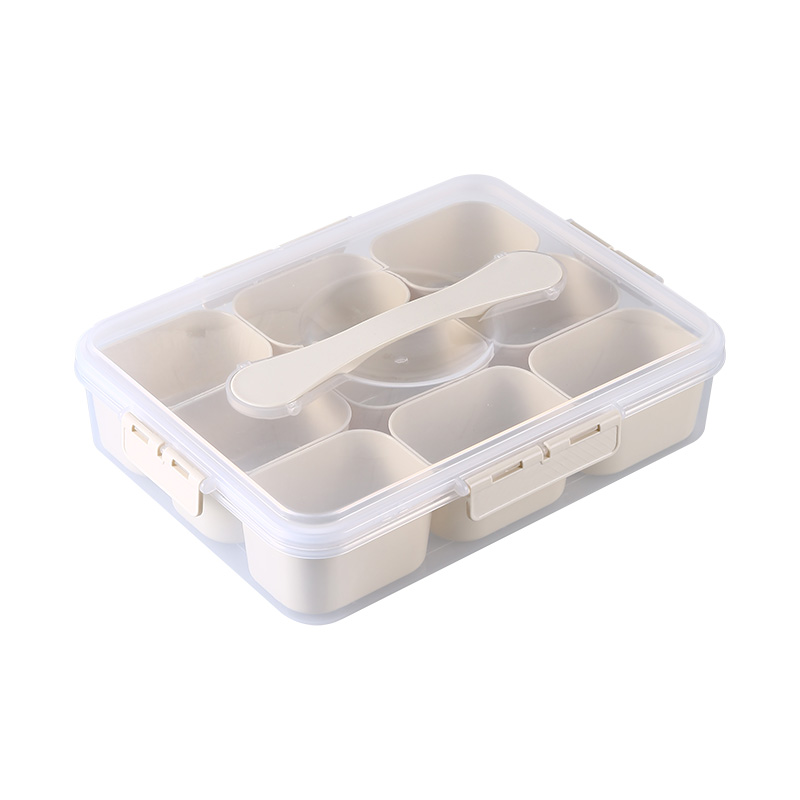
9 Compartment Divided Serving Tray With Lid And Handle Dried Fruit Storage Box
-
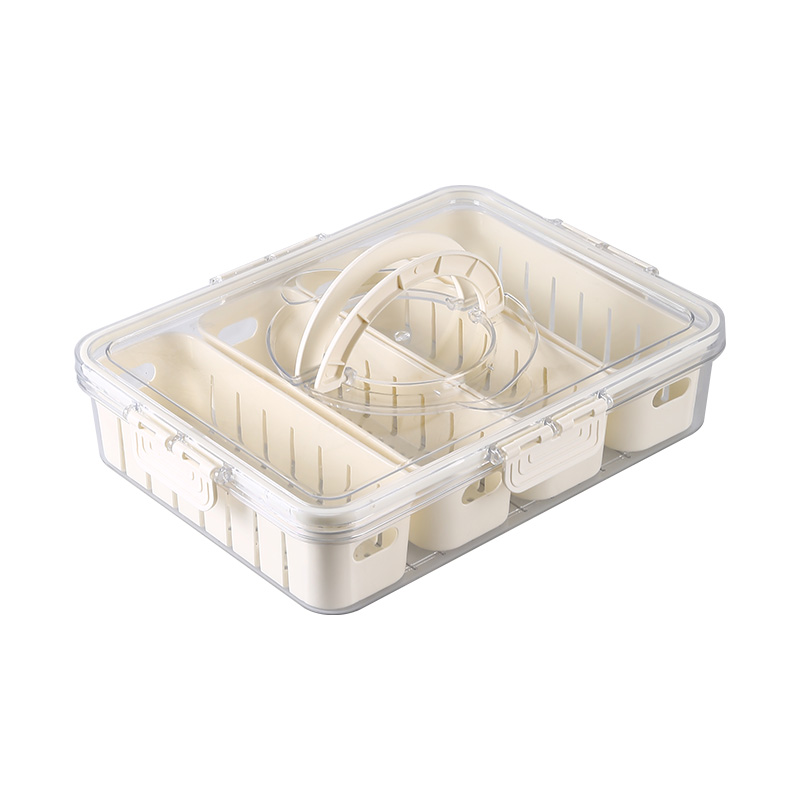
PP Material Handheld Fresh-Keeping Sealed Box Dry Food Classification Storage Box
-
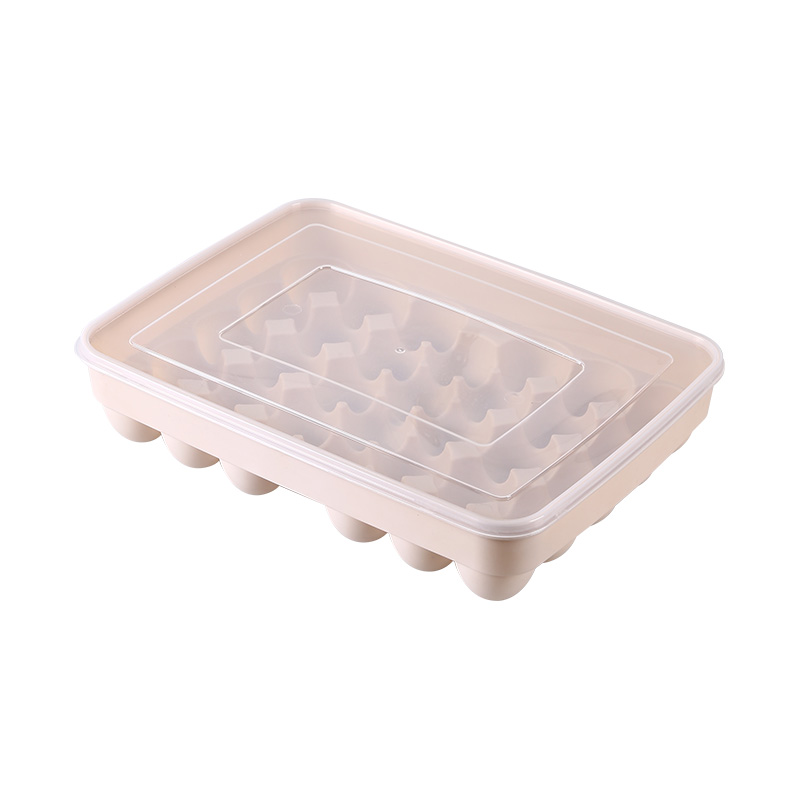
Refrigerator Storage Multi-Grid Egg Box Can Be Stacked With Cover To Food Preservation Box
-
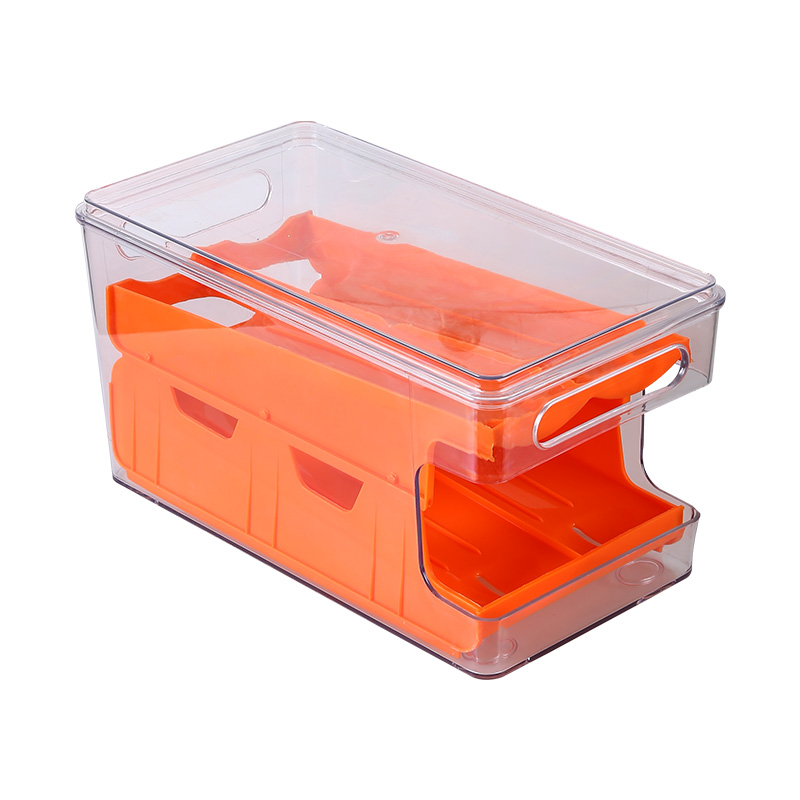
Dual-Layer Transparent Egg Storage Rack Eco-Friendly Slide-Type Household Kitchen
 No. 7 Yicheng Middle Road, Anzhou Street, Xianju, Taizhou, Zhejiang, China.
 +86-0576-89370898
Copyright© Taizhou Soudelor Plastic Industry Co., Ltd. All Rights Reserved.
ECO Friendly Plastic Products Factory
