
 English
 中文简体
中文简体 Deutsch


How Do Materials Affect the Performance of a Bicycle Cup Holder?
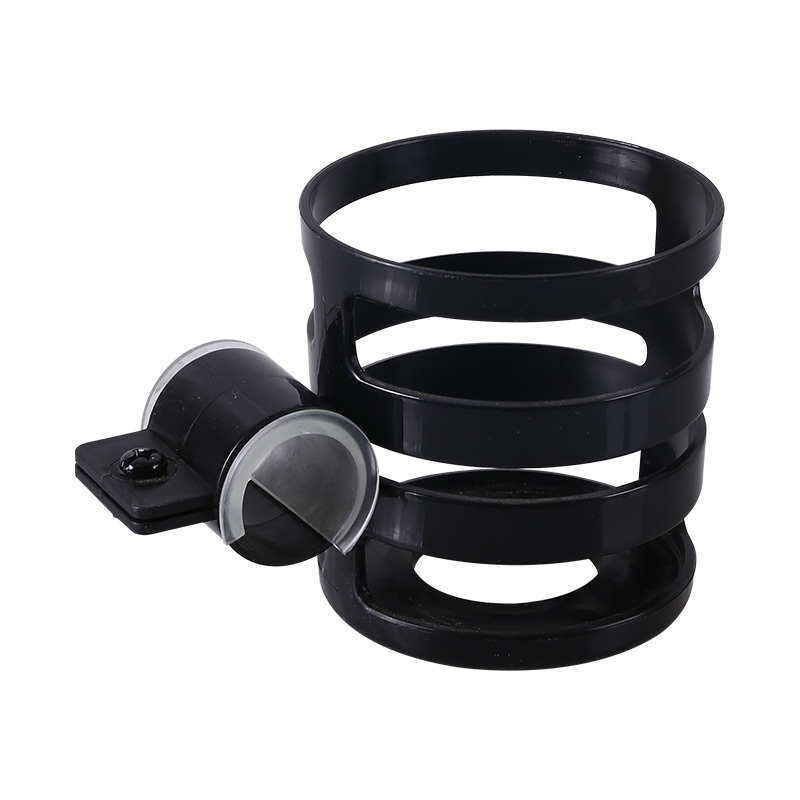
Bicycle accessories have become increasingly popular as cycling grows worldwide. Among these, the Bicycle Cup Holder is a practical addition, providing riders with a secure place for beverages during rides. From a manufacturer's perspective, producing a reliable cup holder involves careful material selection, precise fabrication, thoughtful design, and thorough quality control. These steps ensure that the product is durable, functional, and ready for real-world use.
Material Selection
The foundation of a high-quality bicycle cup holder begins with material selection. Manufacturers commonly use durable plastics, aluminum alloys, or stainless steel to ensure both strength and resistance to weather conditions. Materials are chosen for their rigidity, light weight, and ability to withstand vibration during rides. Some manufacturers perform tests on samples to assess resistance to UV light, water, and mechanical stress. Choosing the right materials ensures that each Bicycle Cup Holder can remain functional over repeated use without bending or breaking.
Design and Ergonomics
Design is central to producing a cup holder that fits various bicycle frames and accommodates different cup sizes. Manufacturers use CAD software to create adjustable or flexible designs that provide a secure grip without interfering with pedaling or other components. Ergonomic considerations include the angle of the holder, ease of access while riding, and stability under movement. Prototyping allows engineers to evaluate real-world performance, ensuring the Bicycle Cup Holder remains practical for cyclists.
Fabrication Techniques
Fabrication combines precision molding, cutting, or bending depending on the chosen material. For plastic holders, injection molding allows consistent shape and wall thickness. Metal holders may involve CNC machining or bending and welding to form the frame. Surface finishing, such as powder coating or polishing, adds durability and resistance to environmental exposure. During fabrication, manufacturers inspect each component to ensure consistent dimensions and quality. These steps guarantee that the final Bicycle Cup Holder meets specifications and maintains functionality under stress.
Assembly and Attachment
Assembly involves joining components securely while maintaining design flexibility. Screws, clamps, or integrated fittings attach the holder to bicycle frames. Manufacturers ensure that attachment mechanisms are compatible with a variety of frame sizes and styles. Testing includes evaluating stability during simulated rides and repeated attachment cycles to verify durability. Proper assembly ensures that each Bicycle Cup Holder can be installed safely and remain firmly in place under normal cycling conditions.
Quality Control
Quality control is central to manufacturing reliable cup holders. Inspections at multiple stages—material verification, fabrication, assembly, and final product evaluation—help detect defects early. Functional tests include stress testing, vibration exposure, and environmental resistance assessments. Defective units are corrected or removed from the production line. This process ensures that the Bicycle Cup Holder delivered to customers is consistent, durable, and safe to use.
Packaging and Distribution
After assembly and inspection, cup holders are packaged to prevent damage during shipping. Labels provide product information, installation instructions, and batch codes for traceability. Manufacturers often use protective materials such as foam inserts or molded trays to minimize movement during transport. Proper packaging maintains product integrity and enhances the user experience upon delivery.
From a manufacturer's perspective, producing a Bicycle Cup Holder requires thoughtful material selection, precise fabrication, ergonomic design, and rigorous quality control. Each stage, from initial material inspection to final packaging, is designed to ensure durability, functionality, and customer satisfaction. Combining careful engineering with consistent manufacturing practices allows bicycle cup holders to perform reliably in everyday use, providing a practical and convenient accessory for cyclists.
Hot Products
-
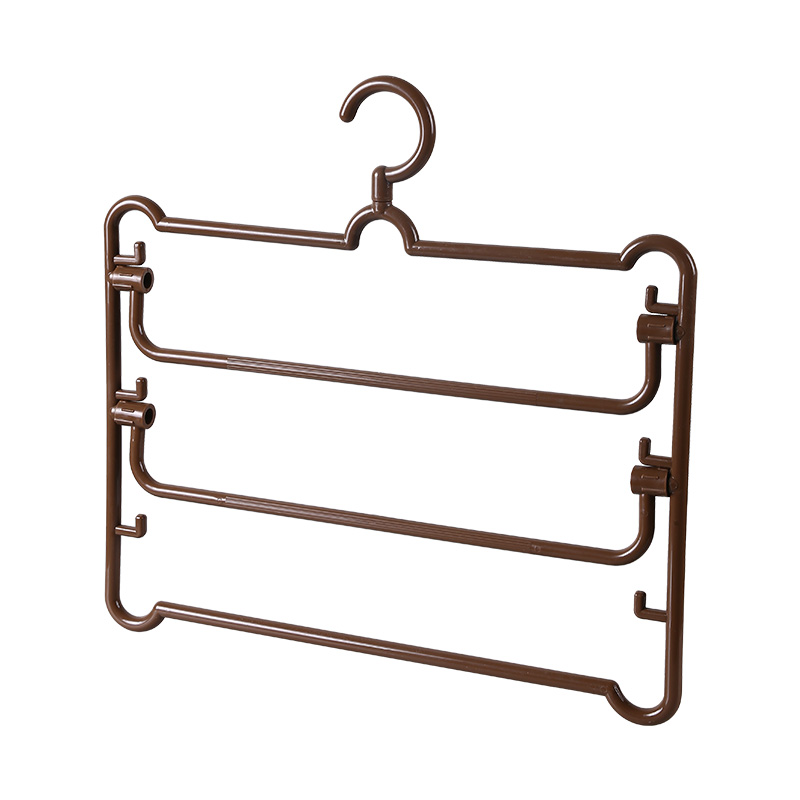
Plastic Pants Hanger (3 Bars)
-
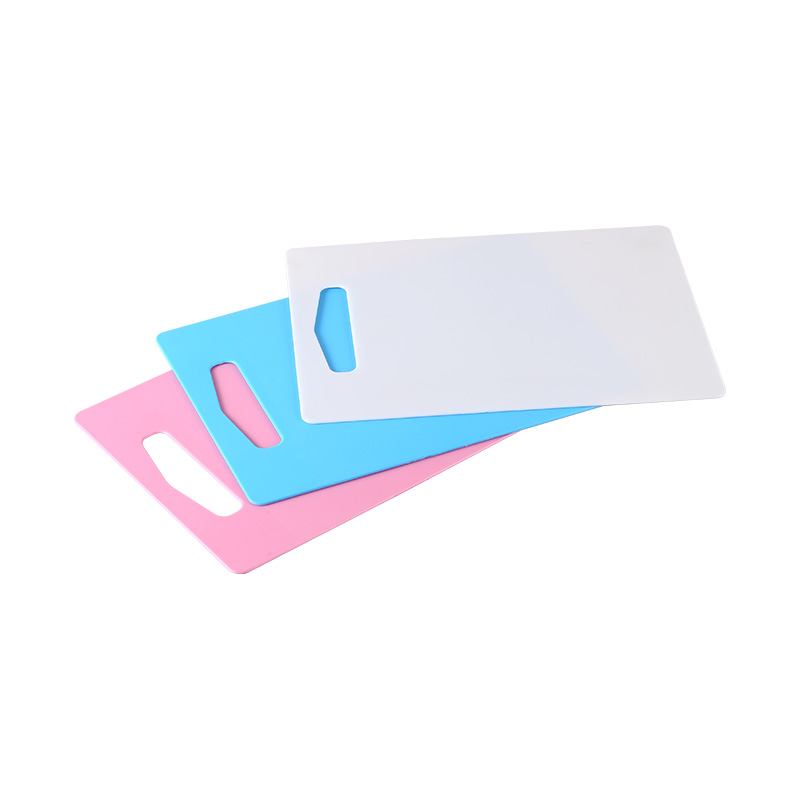
Plastic Chopping Board Food Cutting Block Mat Tool
-
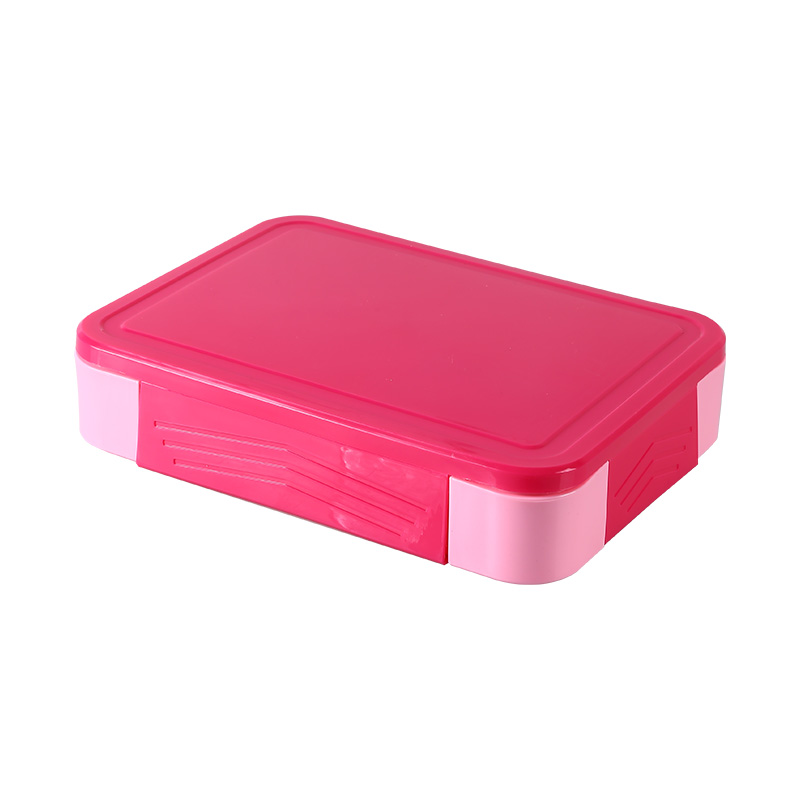
Food Storage Container For Adult Kids All-In-One Lunch Box
-
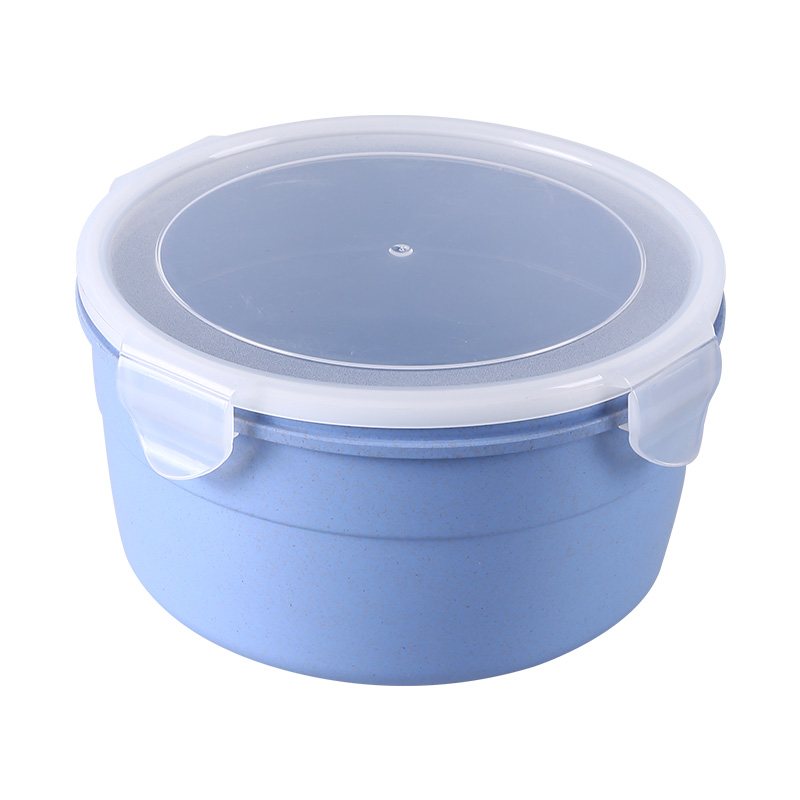
Mini Round Food Preservation Box
-
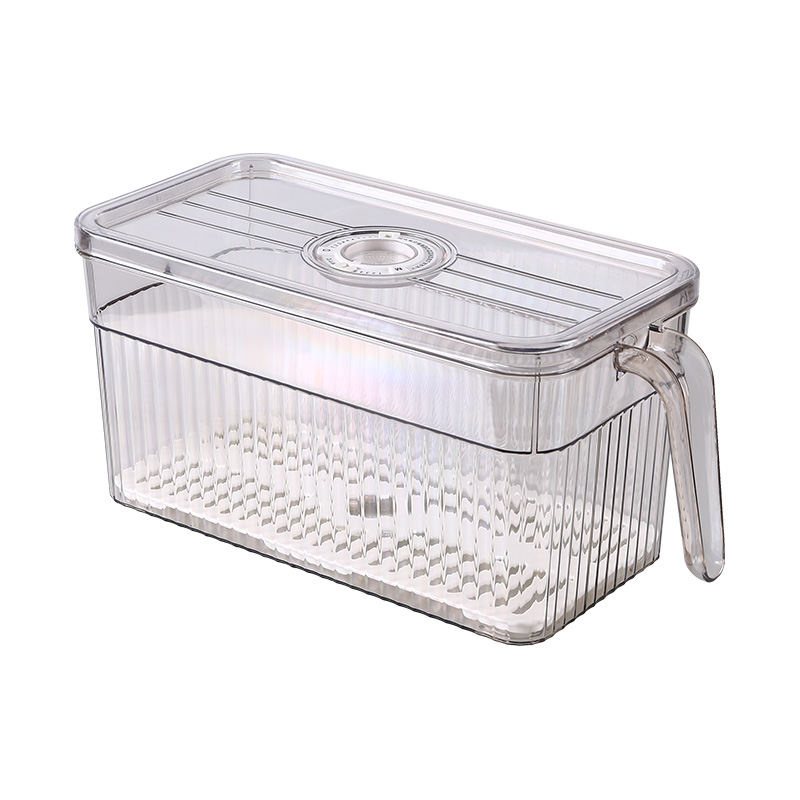
Refrigerator Storage Box Freezer Handle Storage Container
-
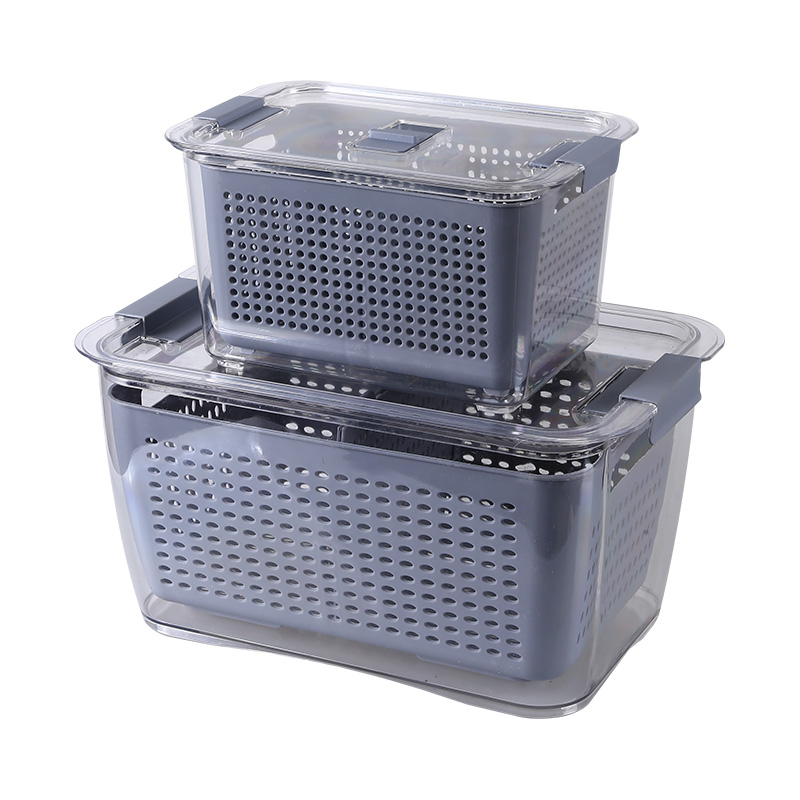
1pc Refrigerator Storage Box With Lid And Drain Basket Fruit Storage Containers Transparent Saver Container Food Organizer Bins
-
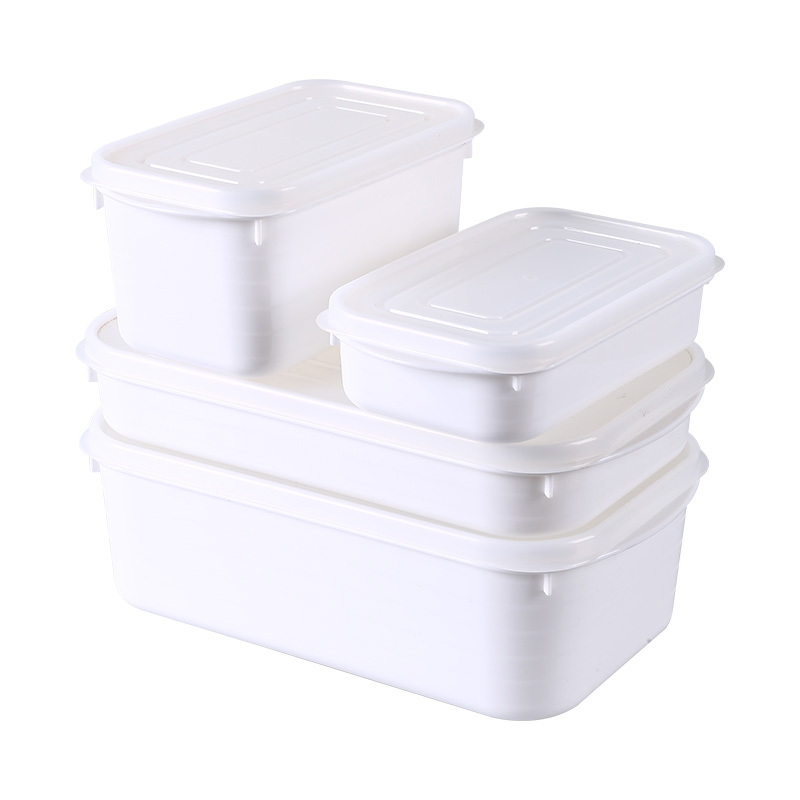
Food Storage Large Capacity Fresh-Keeping Eco Reusable Box Bento Food Leakproof Container
-
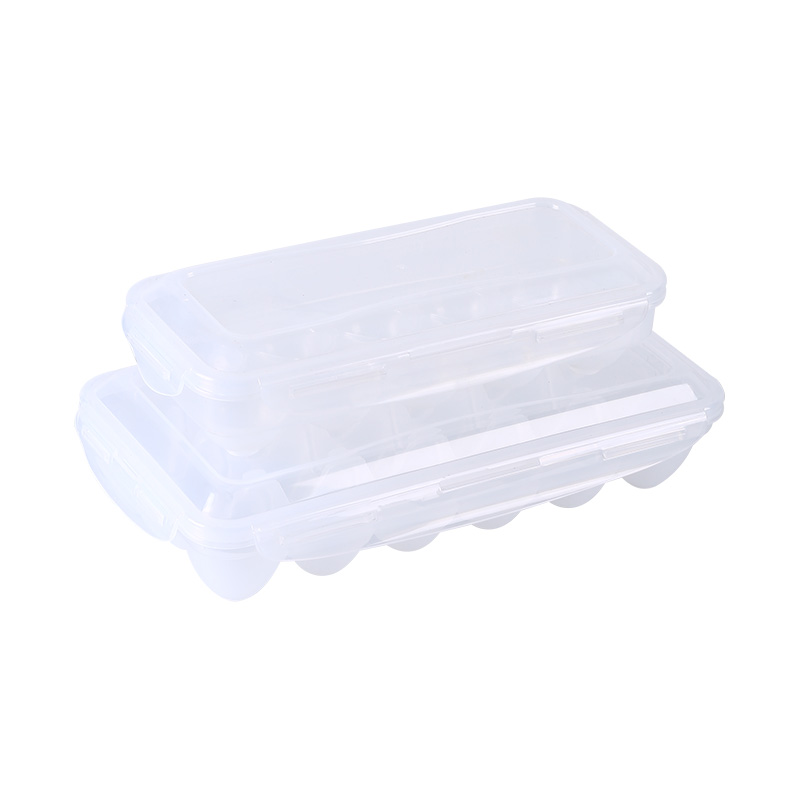
PP Plastic Egg Tray Storage Box
-
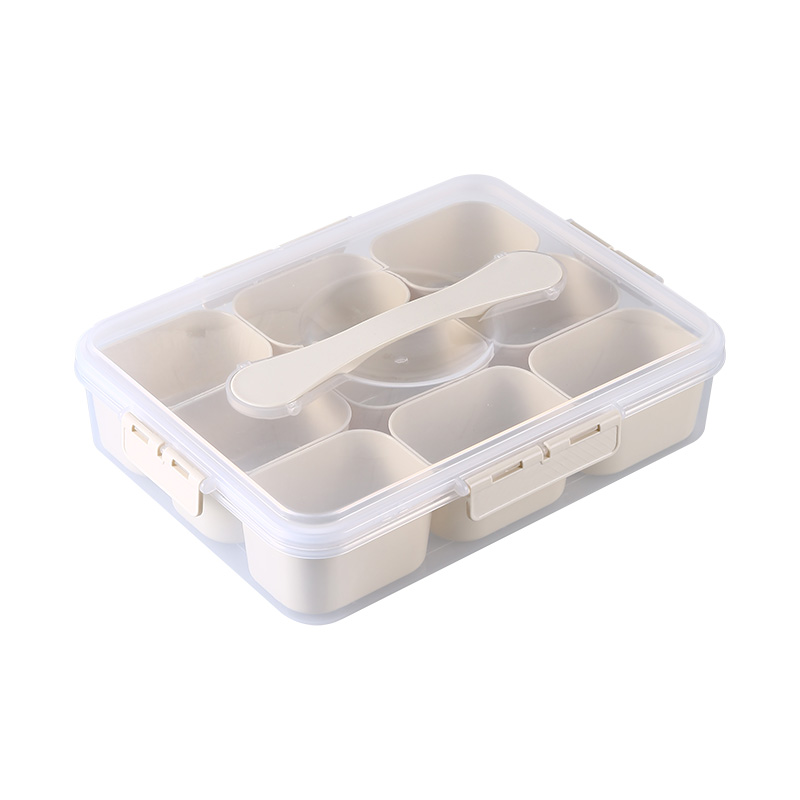
9 Compartment Divided Serving Tray With Lid And Handle Dried Fruit Storage Box
-
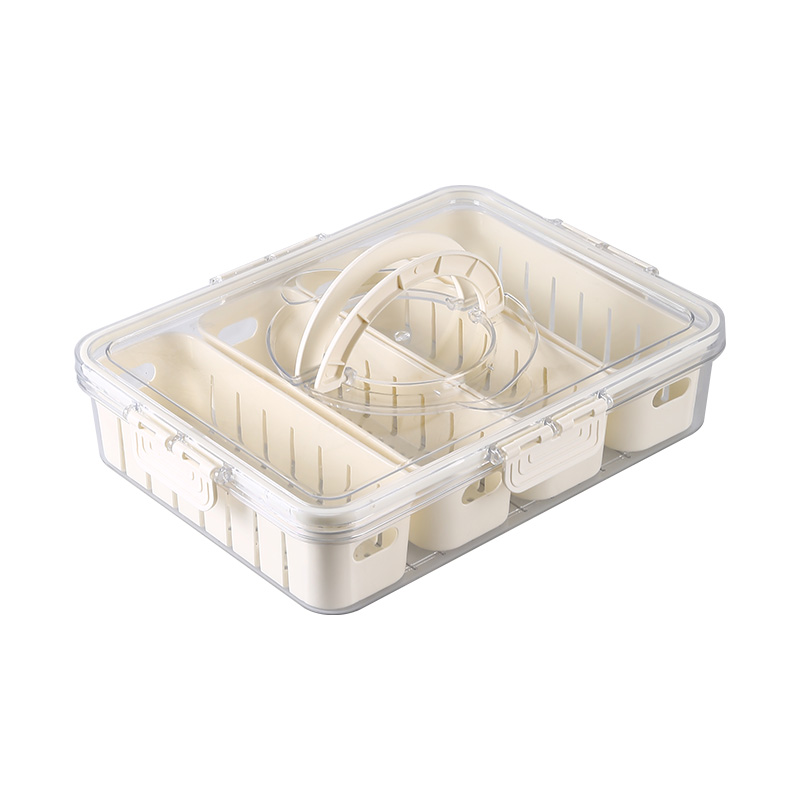
PP Material Handheld Fresh-Keeping Sealed Box Dry Food Classification Storage Box
-
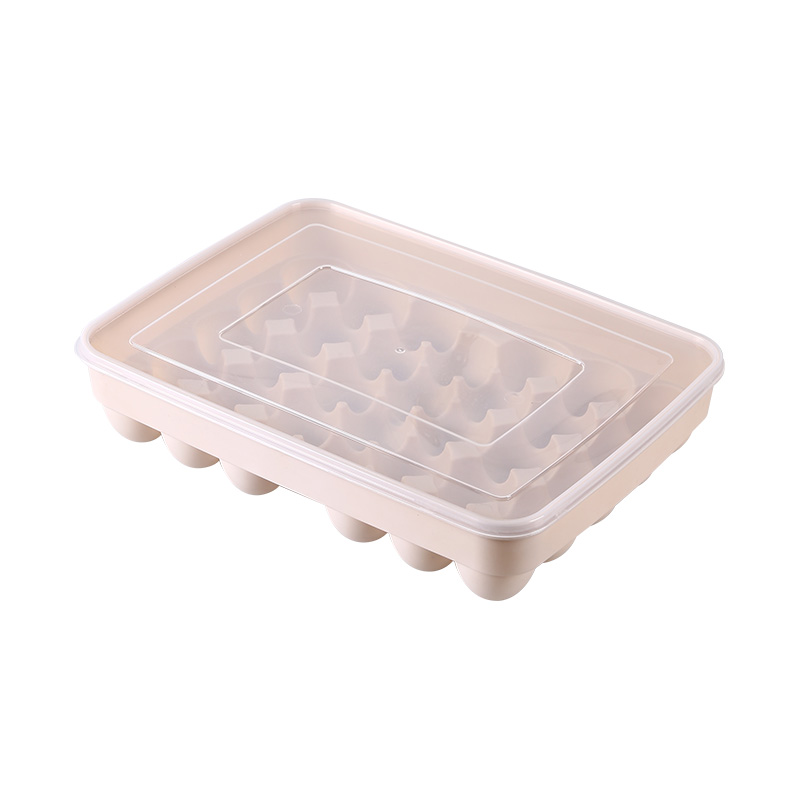
Refrigerator Storage Multi-Grid Egg Box Can Be Stacked With Cover To Food Preservation Box
-
Dual-Layer Transparent Egg Storage Rack Eco-Friendly Slide-Type Household Kitchen

 No. 7 Yicheng Middle Road, Anzhou Street, Xianju, Taizhou, Zhejiang, China.
 +86-0576-89370898
Copyright© Taizhou Soudelor Plastic Industry Co., Ltd. All Rights Reserved.
ECO Friendly Plastic Products Factory
