
 English
 中文简体
中文简体 Deutsch


How Do Unbreakable Plastic Water Goblets Perform Under Sudden Temperature Shifts
Glass-like appearance and strong durability have made Unbreakable Plastic Water Goblets increasingly popular for outdoor dining, family gatherings, restaurants, and daily home use. Compared with traditional glass cups, these products provide better resistance against drops and impacts, but many users still wonder about another challenge: how well can they handle sudden temperature changes?
A cold drink poured into a warm cup, hot beverage exposure after refrigeration, or outdoor use under changing weather conditions can create thermal stress. The performance of an unbreakable plastic goblet depends on material structure, wall thickness, manufacturing quality, and temperature limitations.
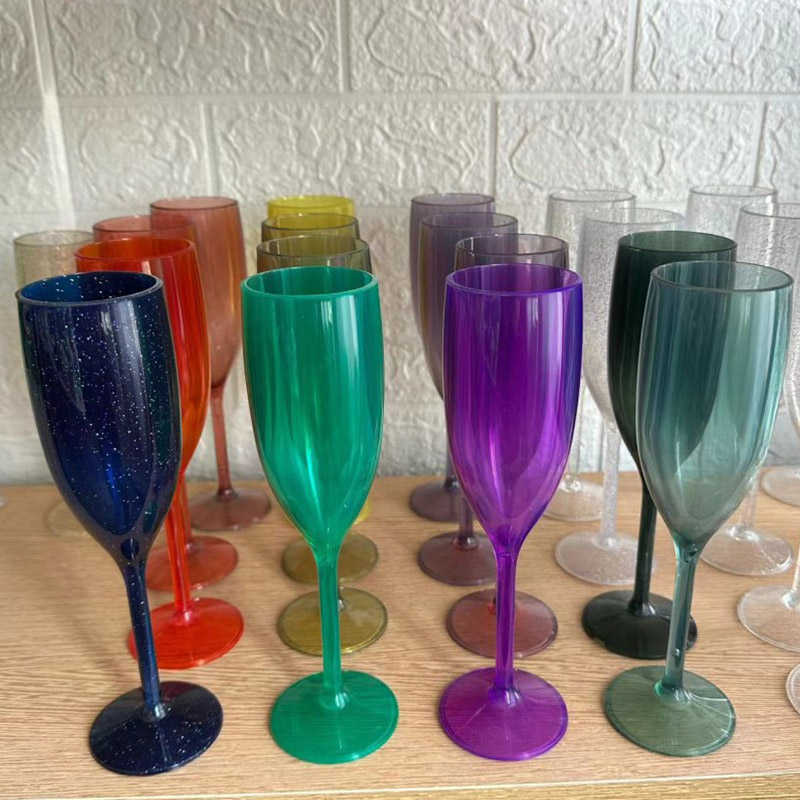
Thermal Shock Resistance Starts with Material Properties
The ability of a drinking goblet to survive rapid temperature changes is closely related to its polymer structure. Unlike glass, which may crack due to sudden expansion and contraction, engineering plastics generally have higher impact resistance and greater flexibility.
Common materials used for durable plastic goblets include:
- Tritan™ copolyester: offers high clarity, shatter resistance, and stable performance across daily temperature conditions.
- Polycarbonate: provides strong impact resistance and has been widely used in reusable drinkware applications.
- Acrylic-based plastics: deliver a glass-like appearance but may have different heat tolerance compared with Tritan or polycarbonate.
Tritan drinkware is specifically designed for durability and can handle transitions between cold and warm environments without cracking under normal use conditions.
Why Sudden Temperature Changes Create Stress
Every material expands and contracts as temperature changes. The difference is how each material responds to that movement.
- Glass: has limited flexibility, so uneven expansion may create internal stress and cracking.
- Plastic polymers: can absorb some deformation because molecular chains have more flexibility.
- Composite structures: depend on the balance between hardness and elasticity.
A plastic goblet placed directly from a cool storage area into a warm environment usually experiences gradual expansion rather than sudden fracture. However, extreme temperature differences can still affect appearance and long-term durability.
Temperature Range Matters More Than the Term “Unbreakable”
The word “unbreakable” describes impact resistance, not unlimited temperature capability. Every plastic material has a recommended operating range.
Typical performance ranges vary depending on material formulation:
- Tritan drinkware: commonly designed for daily beverage temperatures, with some products rated around -20°C to 90°C or higher depending on design specifications.
- Some Tritan and polycarbonate products: may tolerate wider temperature changes, with certain applications reporting ranges around -30°C to 130°C.
- Standard decorative plastics: may have lower resistance to repeated heat exposure.
Users should follow the recommended temperature range provided with the product because material grades can vary significantly.
Cold-to-Hot Transitions: What Happens Inside the Goblet?
A common test scenario involves pouring a warm beverage into a cup that has recently held ice water. This creates a rapid temperature difference between the inner and outer surfaces.
Possible Effects Include:
- Temporary expansion: the inner wall expands faster than the outer surface.
- Surface stress: repeated thermal cycling may slowly influence clarity or texture.
- Shape stability: thinner designs may experience greater dimensional changes.
High-quality molded goblets maintain consistent wall thickness to reduce uneven stress distribution. This design factor helps preserve appearance after repeated use.
Hot Beverage Applications Require Additional Attention
Although durable plastic goblets can handle many beverage scenarios, extremely hot liquids require careful consideration.
- Coffee and tea: suitable for materials designed for warm beverage service.
- Boiling liquids: may exceed recommended limits for some plastic drinkware.
- Repeated high-temperature washing: can affect surface appearance over extended periods.
Some users assume impact-resistant materials automatically handle boiling temperatures, but mechanical strength and heat resistance are separate performance characteristics.
How Design Influences Temperature Performance
Material alone does not determine thermal stability. The physical design of the goblet also affects performance.
- Wall thickness: balanced thickness helps control expansion differences.
- Rounded edges: reduce stress concentration areas.
- Stable base design: improves resistance against deformation.
- Smooth inner surface: supports easier cleaning and reduces residue buildup.
Restaurant-style unbreakable drinkware often uses reinforced structures because frequent handling creates both mechanical and thermal challenges. Tritan materials are used in commercial drinkware partly because of durability and resistance to repeated washing.
Outdoor Use Creates More Temperature Variables
Outdoor environments expose drinkware to changing conditions throughout the day. A goblet placed beside a swimming pool, used during camping, or transported in a vehicle may experience rapid environmental shifts.
- Cold beverages under direct sunlight can create uneven temperature zones.
- Winter outdoor use may expose materials to low temperatures.
- Frequent filling and emptying cycles increase thermal movement.
Durable plastic materials are preferred in these situations because they reduce the risk of injury caused by broken glass.
Maintenance Practices Affect Long-Term Thermal Performance
Proper care helps maintain the original structure of plastic goblets.
- Avoid sudden exposure beyond the recommended temperature range.
- Use suitable cleaning methods to protect the surface.
- Check for scratches or stress marks after long-term use.
- Avoid placing unsuitable plastic products near direct heat sources.
Small surface damage may not immediately affect usability, but repeated stress can gradually reduce durability.
Final Thoughts on Temperature Stability
Unbreakable Plastic Water Goblets are designed to provide a safer alternative to traditional glass by combining impact resistance with practical daily performance. Their response to sudden temperature shifts depends on material type, product structure, and usage conditions.
High-quality materials such as Tritan demonstrate strong resistance against cracking during normal cold and warm beverage transitions. :contentReference[oaicite:6]{index=6} However, “unbreakable” should not be interpreted as unlimited heat resistance. Understanding temperature limits and proper usage methods allows these goblets to maintain clarity, strength, and appearance throughout long-term service.
Hot Products
-
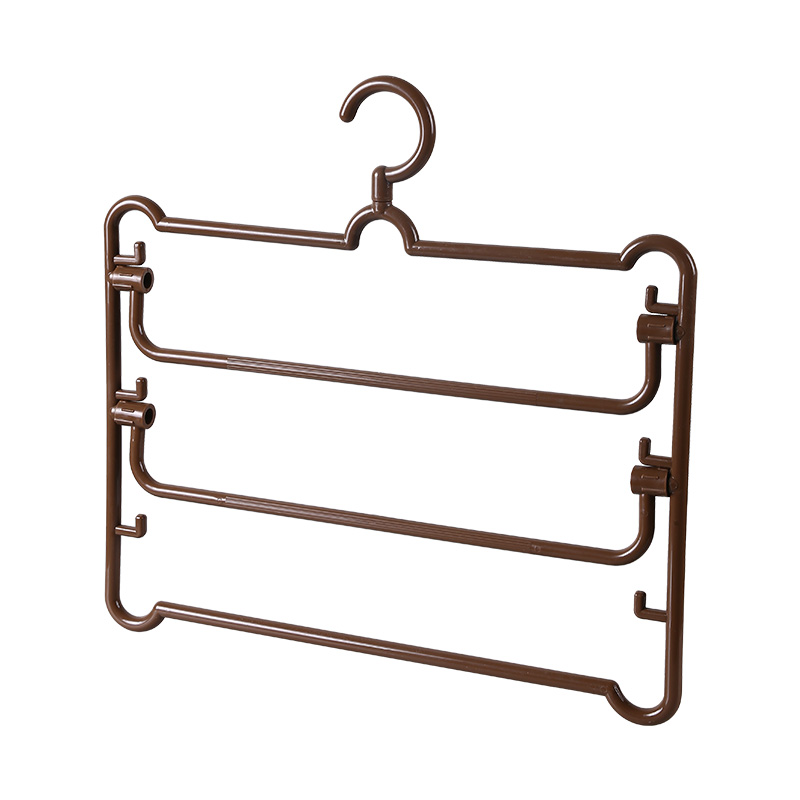
Plastic Pants Hanger (3 Bars)
-
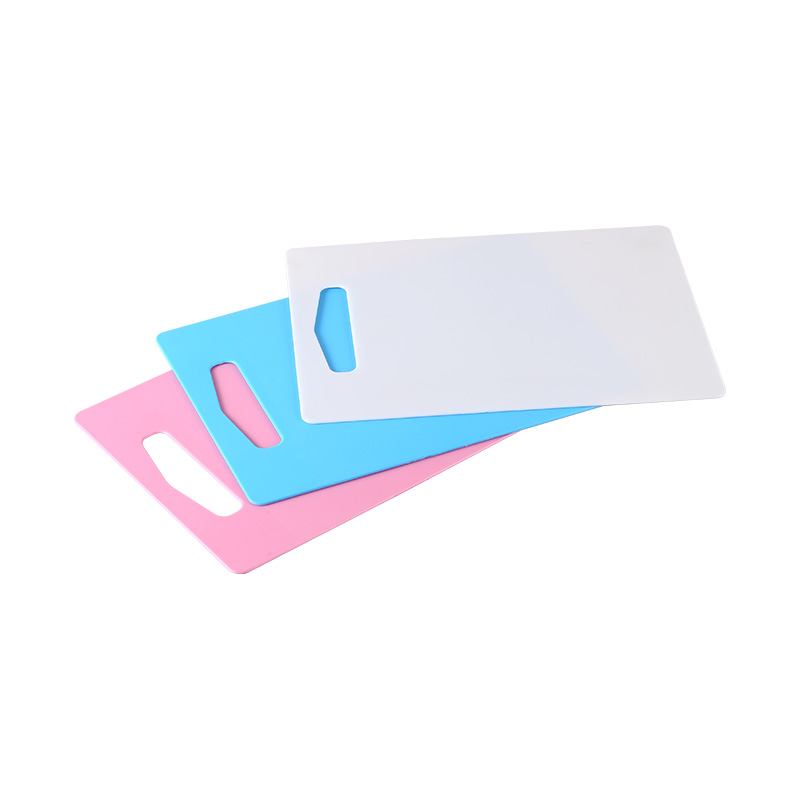
Plastic Chopping Board Food Cutting Block Mat Tool
-
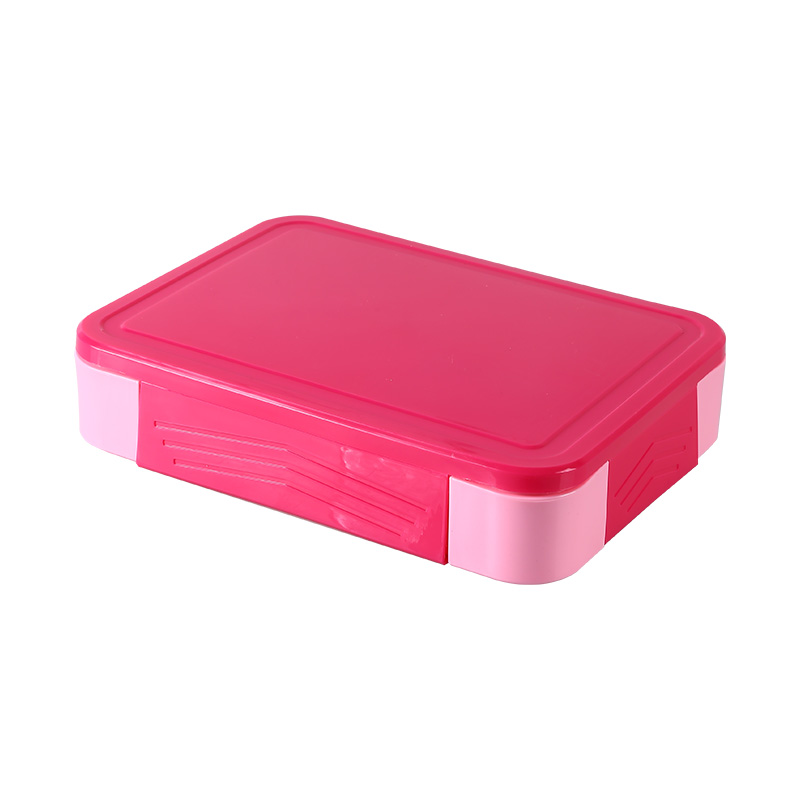
Food Storage Container For Adult Kids All-In-One Lunch Box
-
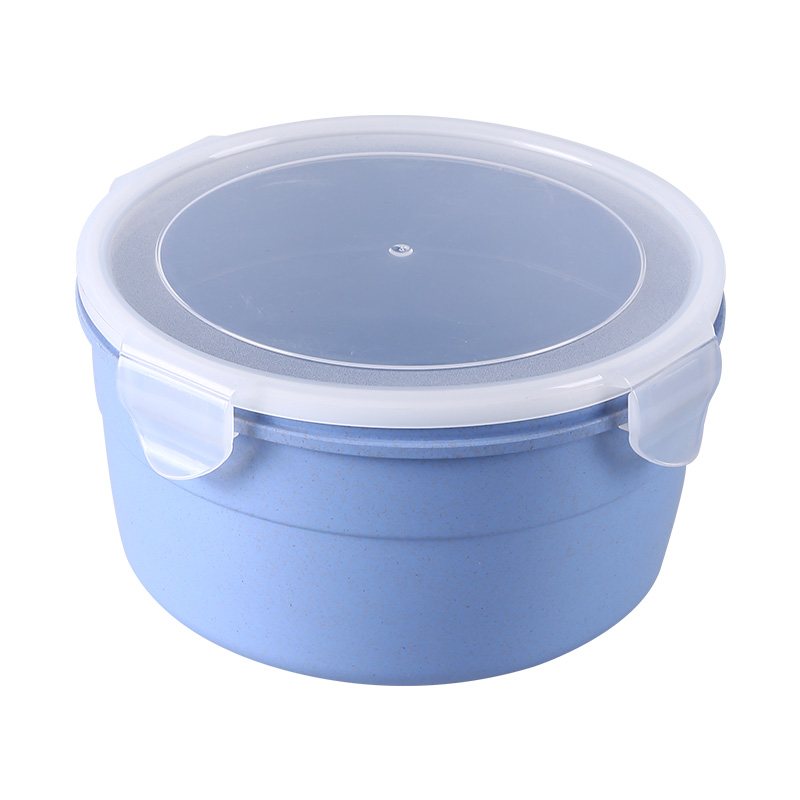
Mini Round Food Preservation Box
-
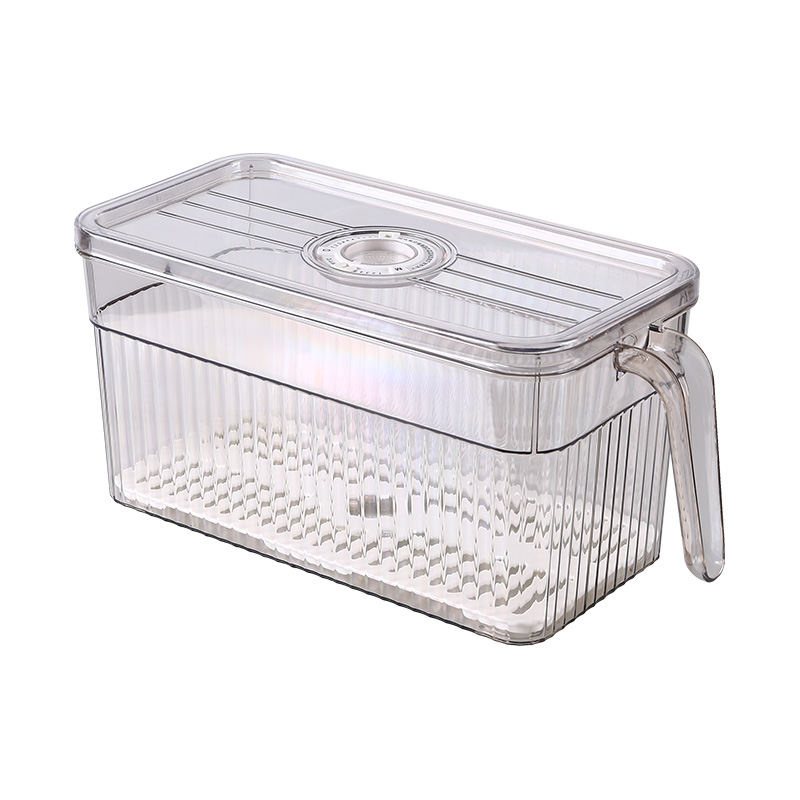
Refrigerator Storage Box Freezer Handle Storage Container
-
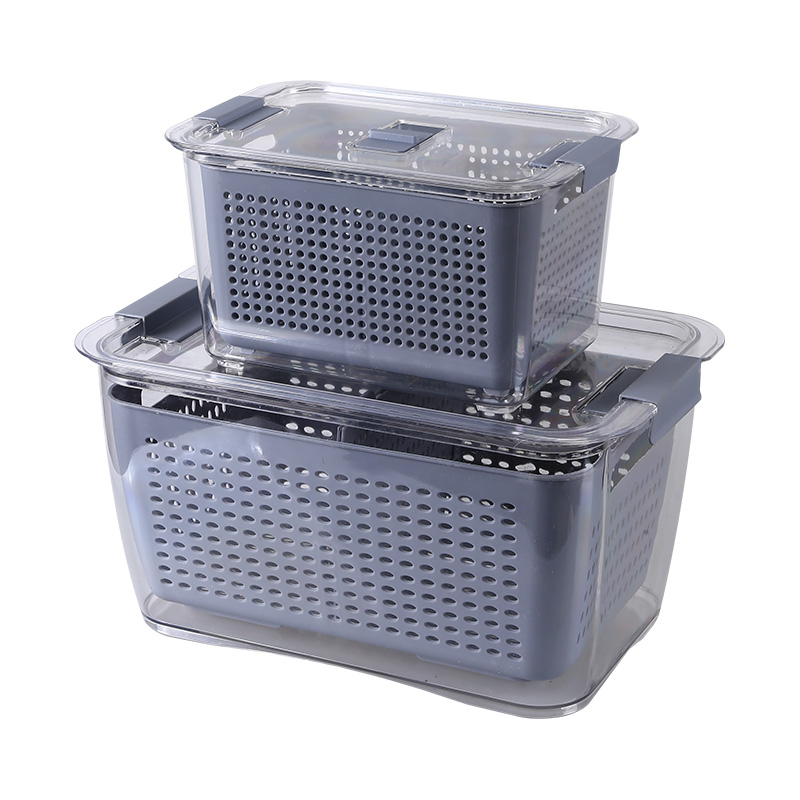
1pc Refrigerator Storage Box With Lid And Drain Basket Fruit Storage Containers Transparent Saver Container Food Organizer Bins
-
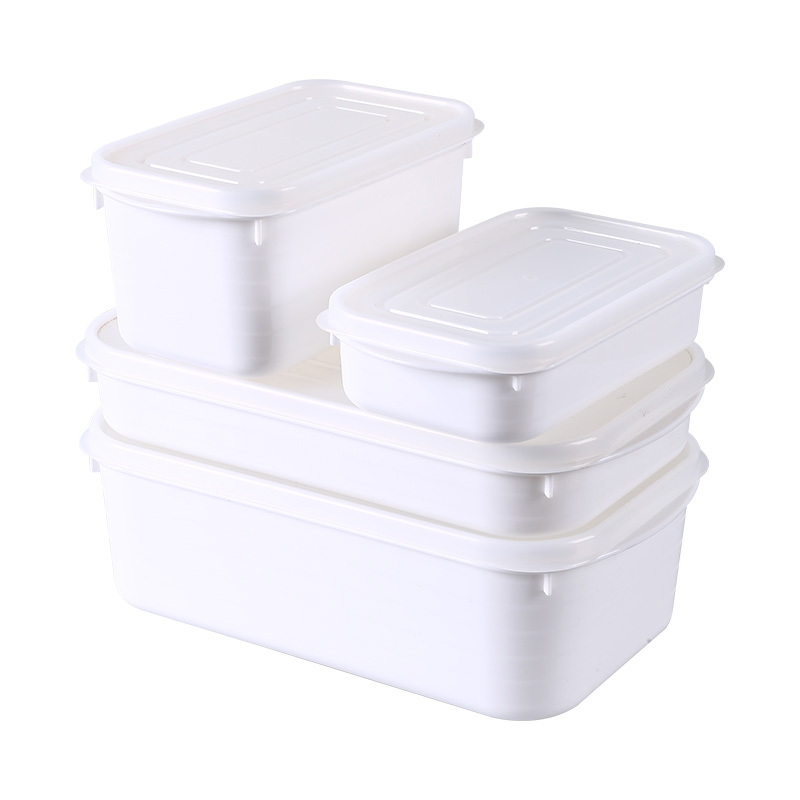
Food Storage Large Capacity Fresh-Keeping Eco Reusable Box Bento Food Leakproof Container
-
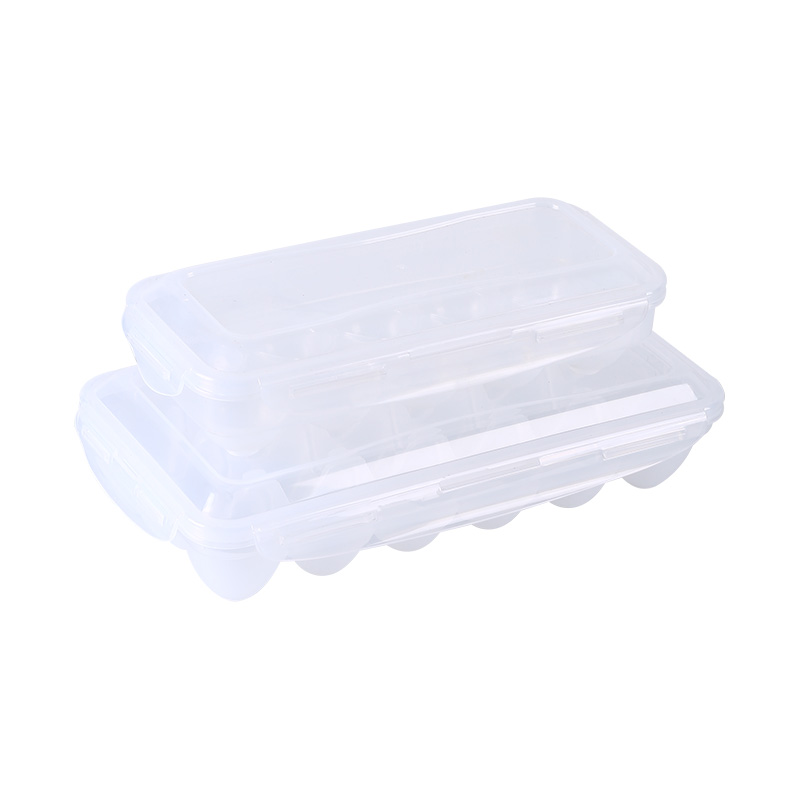
PP Plastic Egg Tray Storage Box
-
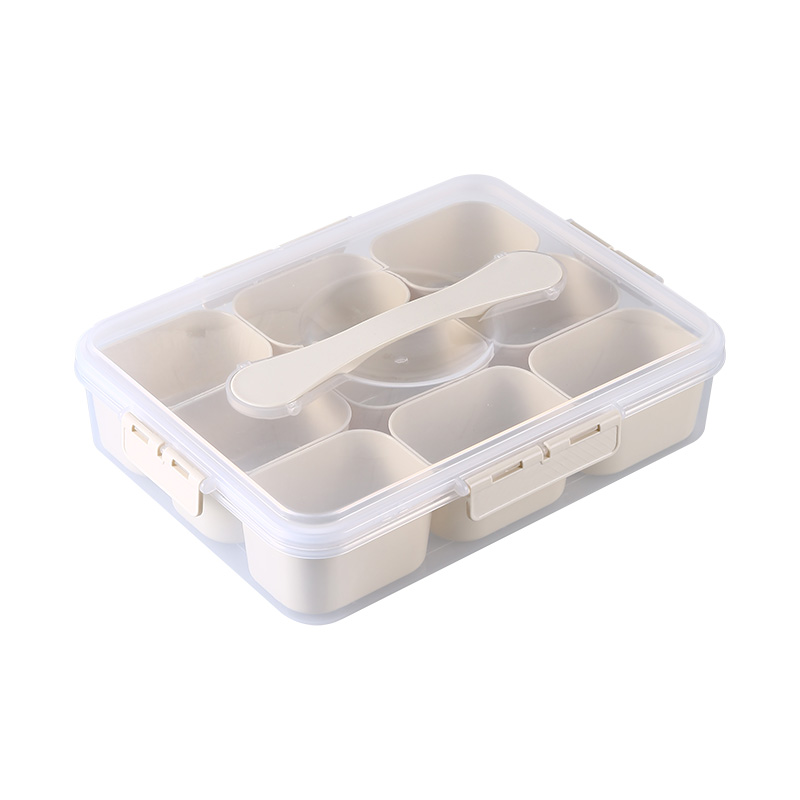
9 Compartment Divided Serving Tray With Lid And Handle Dried Fruit Storage Box
-
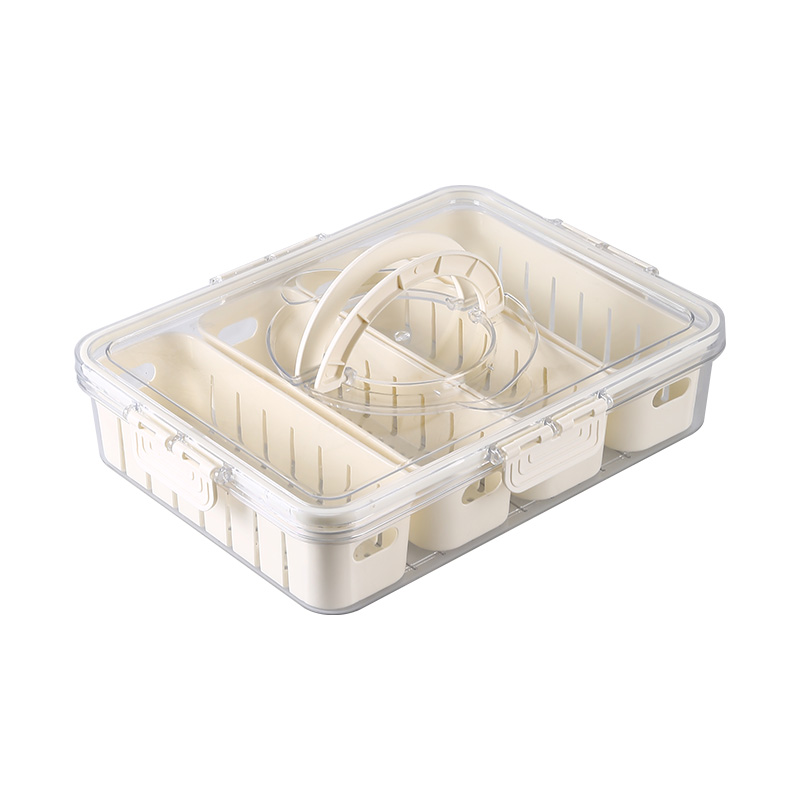
PP Material Handheld Fresh-Keeping Sealed Box Dry Food Classification Storage Box
-
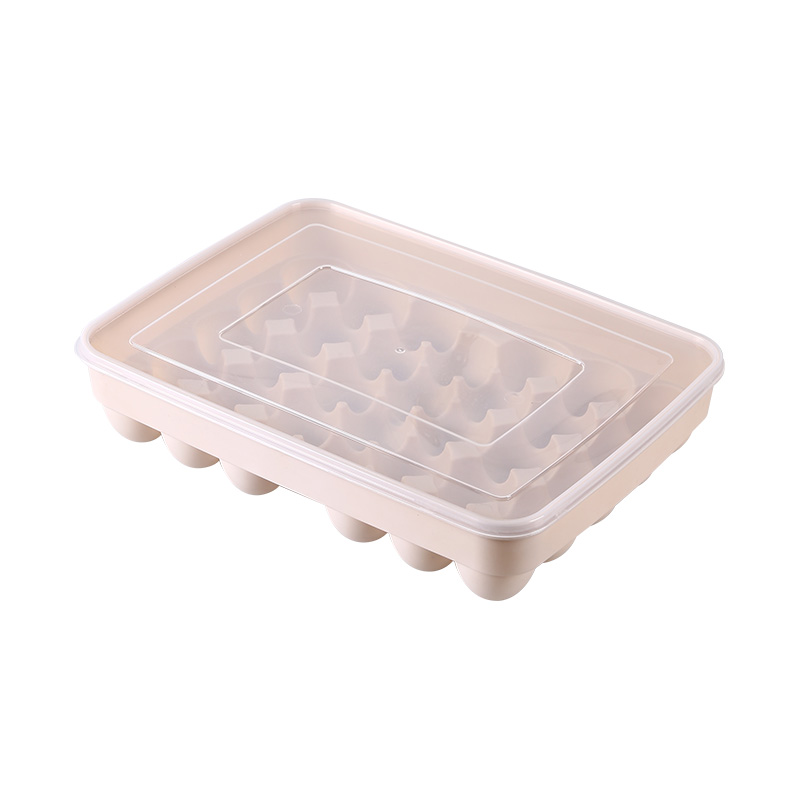
Refrigerator Storage Multi-Grid Egg Box Can Be Stacked With Cover To Food Preservation Box
-
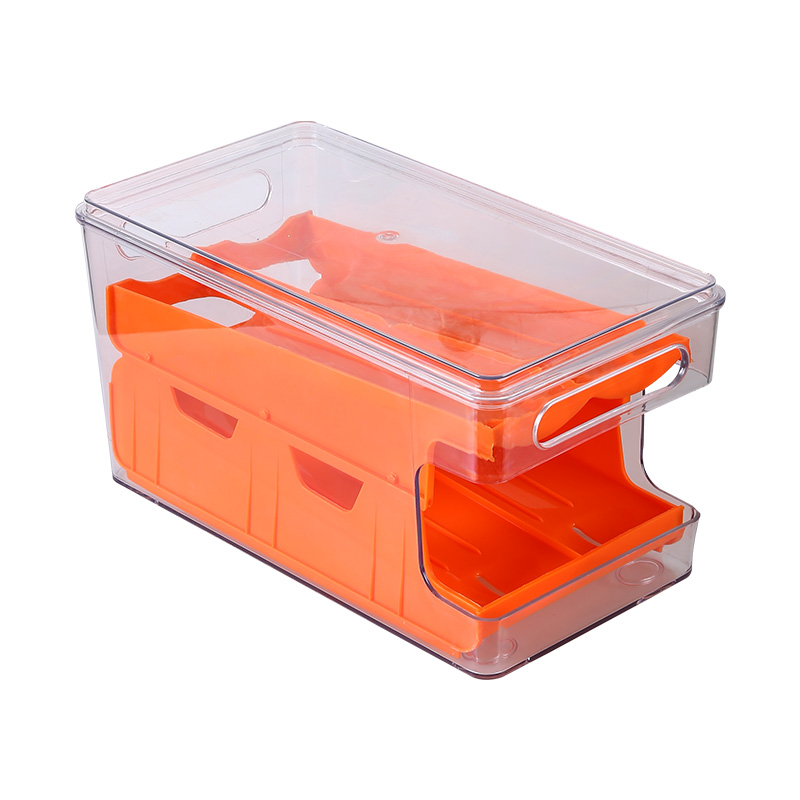
Dual-Layer Transparent Egg Storage Rack Eco-Friendly Slide-Type Household Kitchen

 No. 7 Yicheng Middle Road, Anzhou Street, Xianju, Taizhou, Zhejiang, China.
 +86-0576-89370898
Copyright© Taizhou Soudelor Plastic Industry Co., Ltd. All Rights Reserved.
ECO Friendly Plastic Products Factory
