
 English
 中文简体
中文简体 Deutsch


Wheat Straw Dinnerware: Is the Material Really Plastic-Free
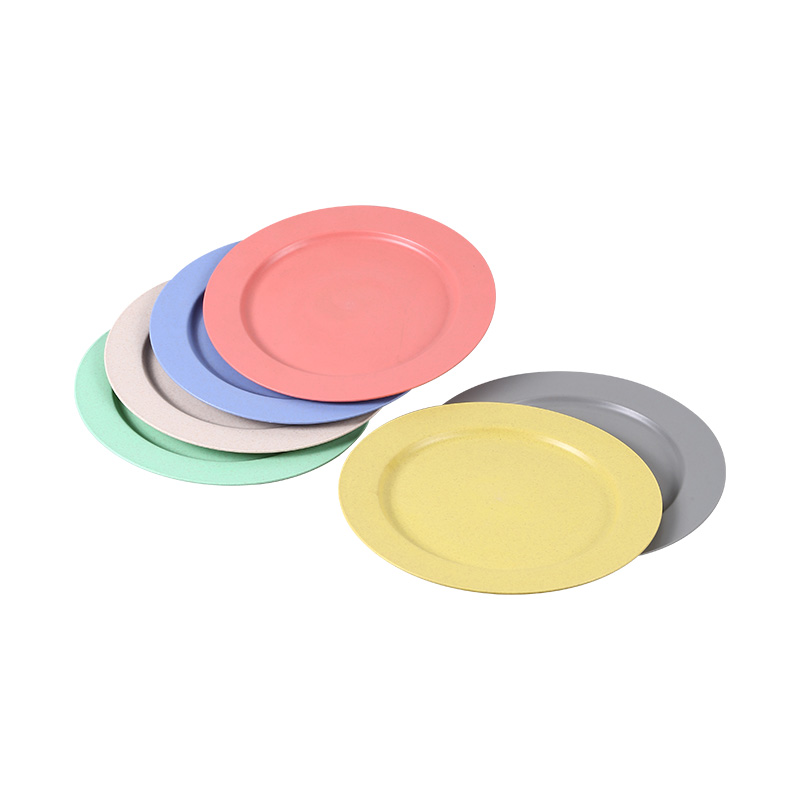
The name “wheat straw dinnerware” can create a simple impression: natural plant material replacing plastic. Reality is more complicated. Wheat Straw Dinnerware Sets can use different material formulations, and the presence of wheat straw fiber does not automatically mean the finished plate, bowl, or cup contains no plastic.
Many products currently sold under this category combine wheat straw fiber with polypropylene (PP). Other products described as wheat straw tableware may use melamine-based resin with plant fibers. Understanding the material structure matters more than relying on the product name alone.
What Is Actually Inside a Wheat Straw Set?
Wheat straw is an agricultural fiber rather than a conventional thermoplastic polymer. It can be processed as a filler or reinforcing component and combined with a polymer matrix to create a molded composite.
- Wheat straw fiber provides the plant-based portion of the composite.
- PP resin can act as the polymer matrix that holds the fibers together.
- Color masterbatch may be added to create different shades and finishes.
- Other additives can affect processing, stiffness, appearance, or durability.
Several commercial products openly specify a wheat straw fiber and food-grade PP combination. One current dinnerware set, for example, states a composition of 50% wheat straw fiber and 50% polypropylene. Other listings describe their products more generally as natural wheat straw fiber combined with food-grade PP.
Why Does the Material Name Cause Confusion?
Marketing language often focuses on the visible or distinctive component. “Wheat straw” sounds very different from “plastic,” even though a composite containing PP remains partly polymer-based.
That distinction becomes important for buyers specifically searching for plastic-free dinnerware. A wheat straw PP composite can offer characteristics such as low weight, impact resistance, and reusable performance, but it should not be described as completely plastic-free.
Current product specifications demonstrate this distinction clearly. Retail listings for Wheat Straw Dinnerware Sets commonly identify PP alongside wheat straw, while some customers have expressed surprise after discovering that products marketed around wheat straw still contain plastic.
Wheat Straw and Melamine Are Not the Same Formula
Another important issue is that “wheat straw tableware” does not describe a single standardized material. Research published in Toxics examined tableware made with wheat straw, bamboo fiber, and melamine-related materials, noting that some products use melamine-formaldehyde resin together with plant fibers.
That means material verification should go beyond the product title. Buyers can check the specification sheet for the polymer base, fiber content, food-contact compliance, and intended temperature range.
Does PP Make the Dinnerware Less Practical?
Not necessarily. PP-based wheat straw composites can offer useful characteristics for everyday dinnerware. Current products commonly promote lightweight construction, resistance to cracking or chipping, stackability, and suitability for household or outdoor use.
- Lightweight construction: easier handling for children, seniors, camping, and travel.
- Impact resistance: useful where accidental drops are possible.
- Stackable shapes: help reduce cabinet space requirements.
- Reusable design: supports repeated daily use instead of disposable tableware.
Some commercial sets also specify microwave and dishwasher compatibility. One current product lists microwave use up to 120°C, while other listings state dishwasher and microwave suitability. Such claims should still be checked against the exact model rather than assumed across the entire category.
Does “Plastic-Free” Mean the Same Thing as “BPA-Free”?
These terms should not be treated as interchangeable. BPA-free describes the absence of bisphenol A under the relevant product formulation or regulatory claim. Plastic-free describes a much broader material condition.
PP dinnerware can therefore be BPA-free while still being plastic-based. Several current wheat straw products make exactly this combination clear by describing their material as food-grade or BPA-free PP with wheat straw fiber.
How Should Buyers Check the Material?
- Look for the polymer type rather than relying only on the product name.
- Check whether wheat straw is listed as fiber, filler, or part of a composite.
- Verify food-contact compliance and temperature specifications.
- Distinguish BPA-free claims from genuine plastic-free construction.
- Check microwave instructions on the specific product.
So, Is Wheat Straw Dinnerware Plastic-Free?
The answer depends on the formulation. Many Wheat Straw Dinnerware Sets currently available are wheat straw–PP composites, meaning they contain plant fiber as well as plastic. Others may use different resin systems and require closer material verification.
That does not automatically make wheat straw dinnerware unsuitable. It simply means buyers should evaluate the actual composition rather than interpreting “wheat straw” as a synonym for “plastic-free.” Material transparency provides a much clearer picture of what is really on the dining table.
Hot Products
-
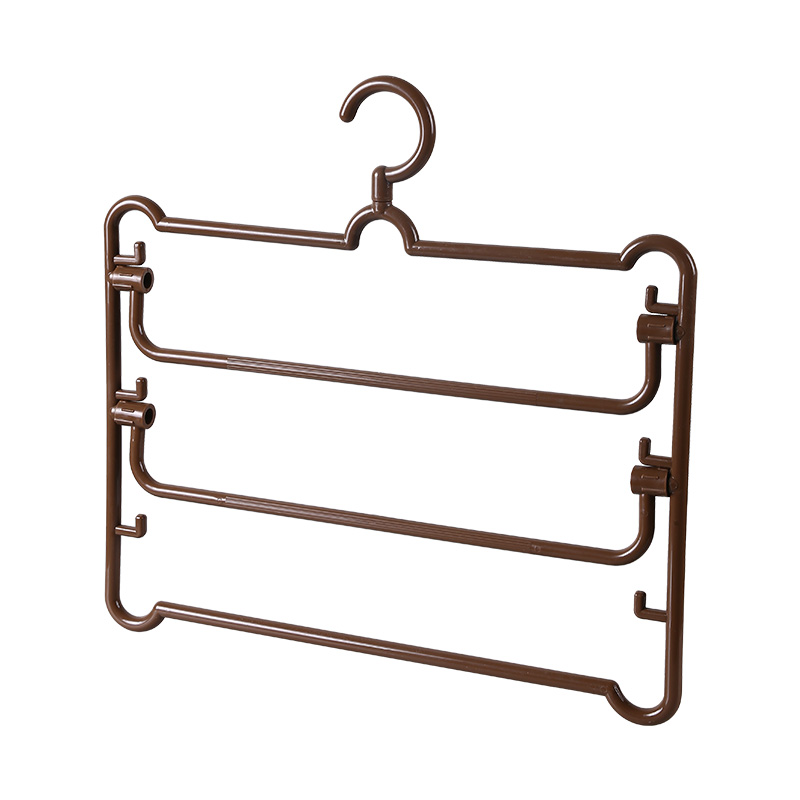
Plastic Pants Hanger (3 Bars)
-
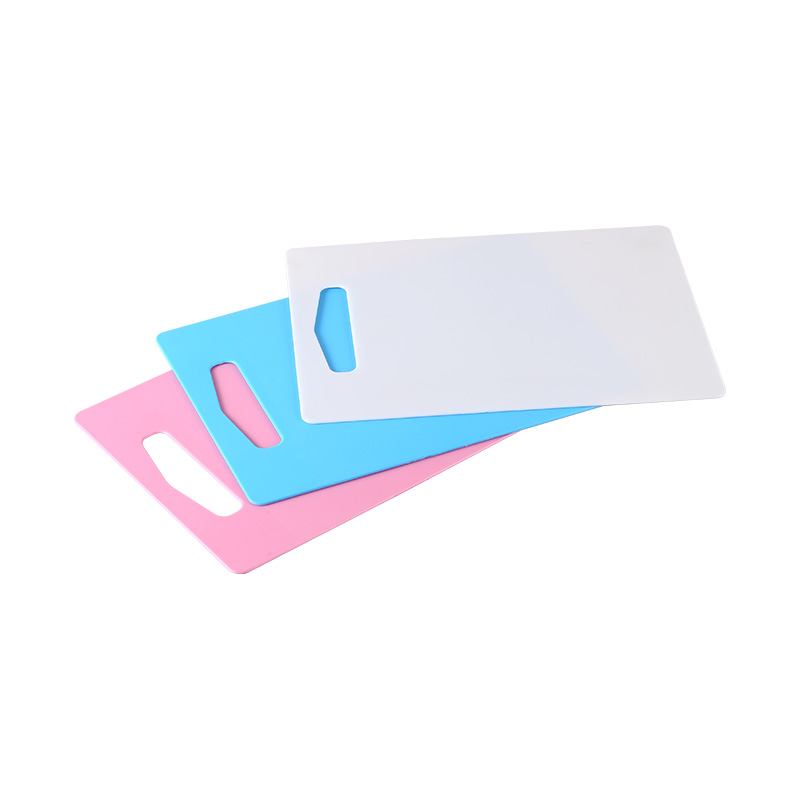
Plastic Chopping Board Food Cutting Block Mat Tool
-
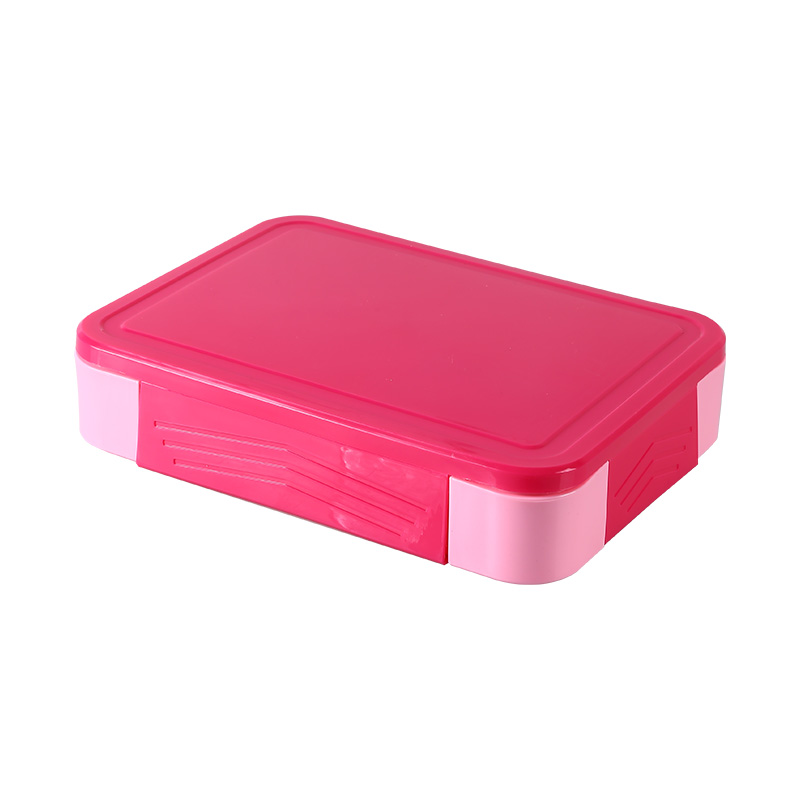
Food Storage Container For Adult Kids All-In-One Lunch Box
-
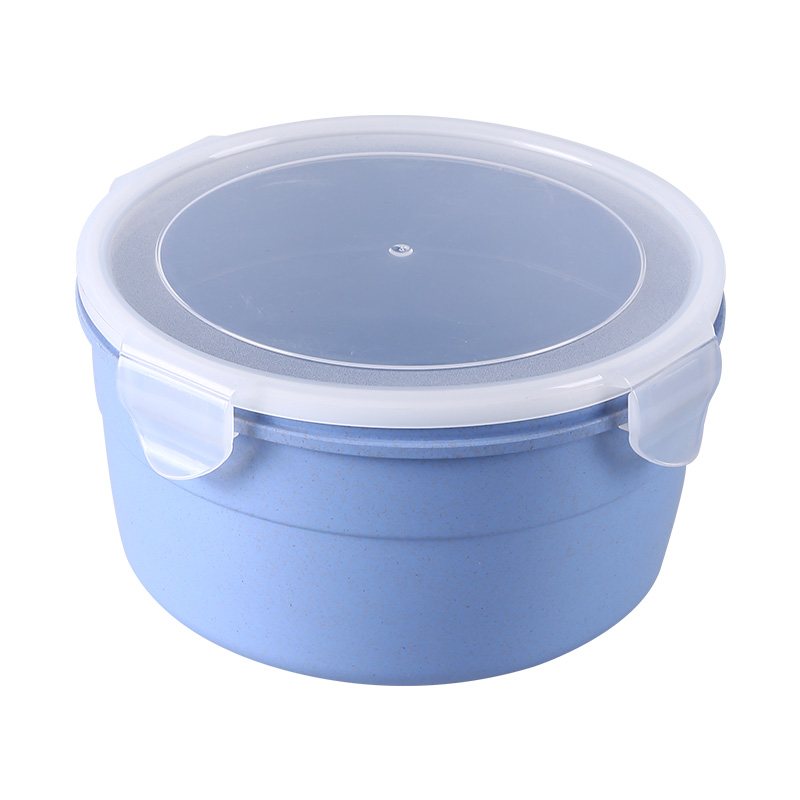
Mini Round Food Preservation Box
-
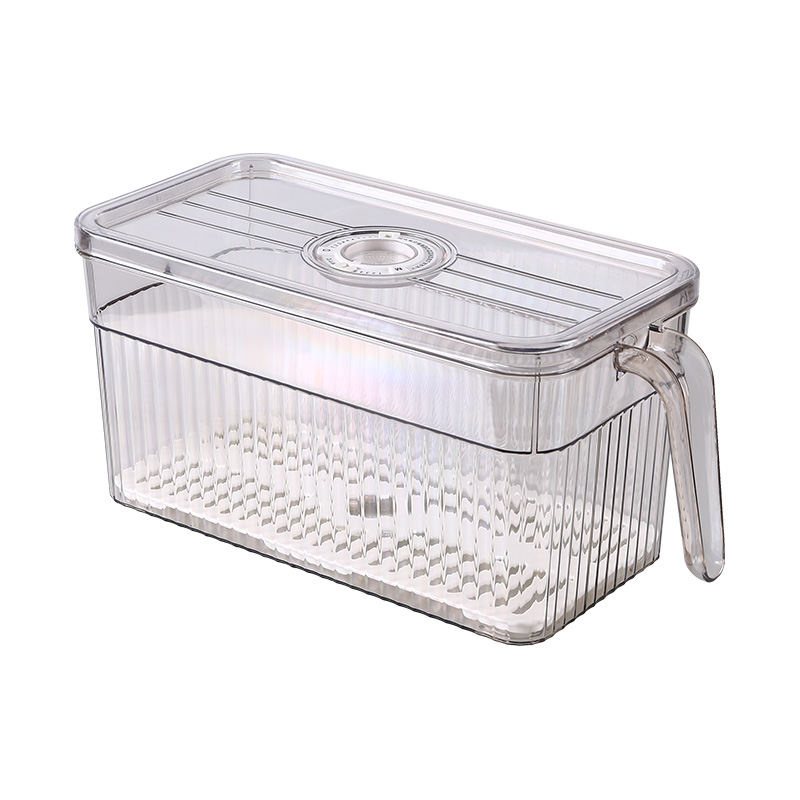
Refrigerator Storage Box Freezer Handle Storage Container
-
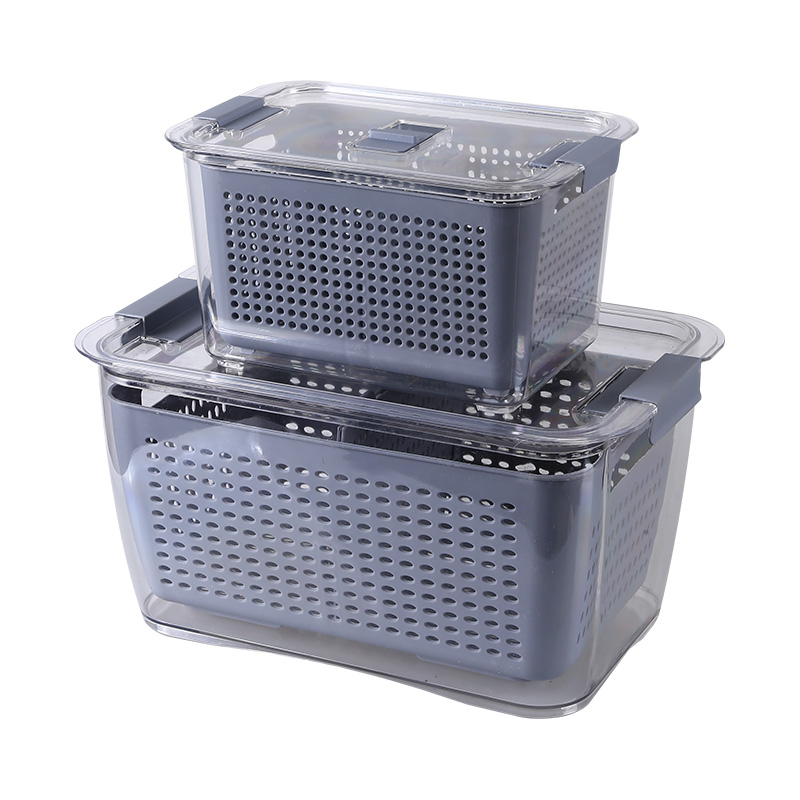
1pc Refrigerator Storage Box With Lid And Drain Basket Fruit Storage Containers Transparent Saver Container Food Organizer Bins
-
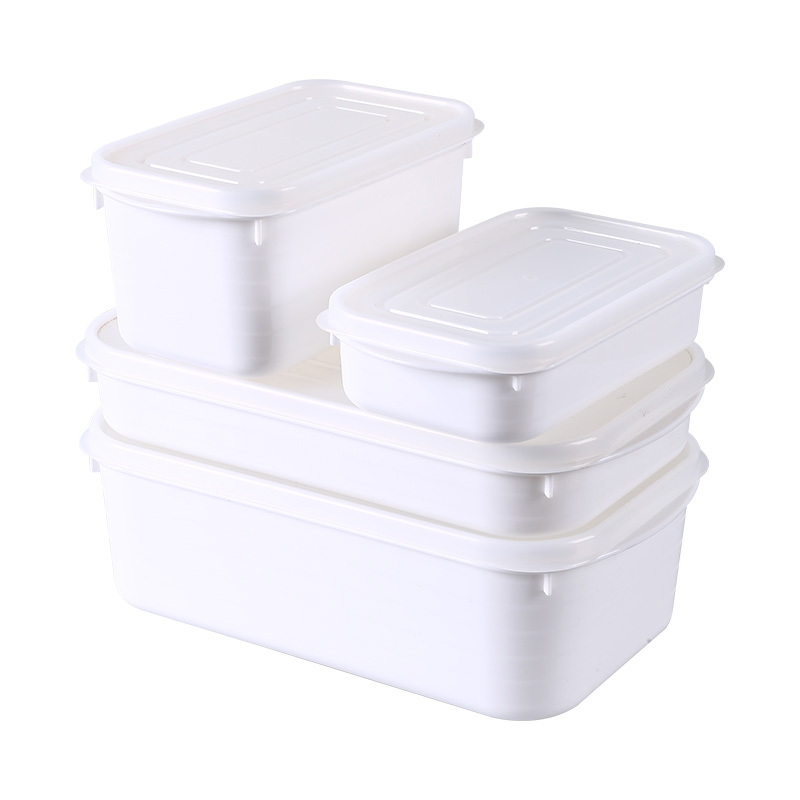
Food Storage Large Capacity Fresh-Keeping Eco Reusable Box Bento Food Leakproof Container
-
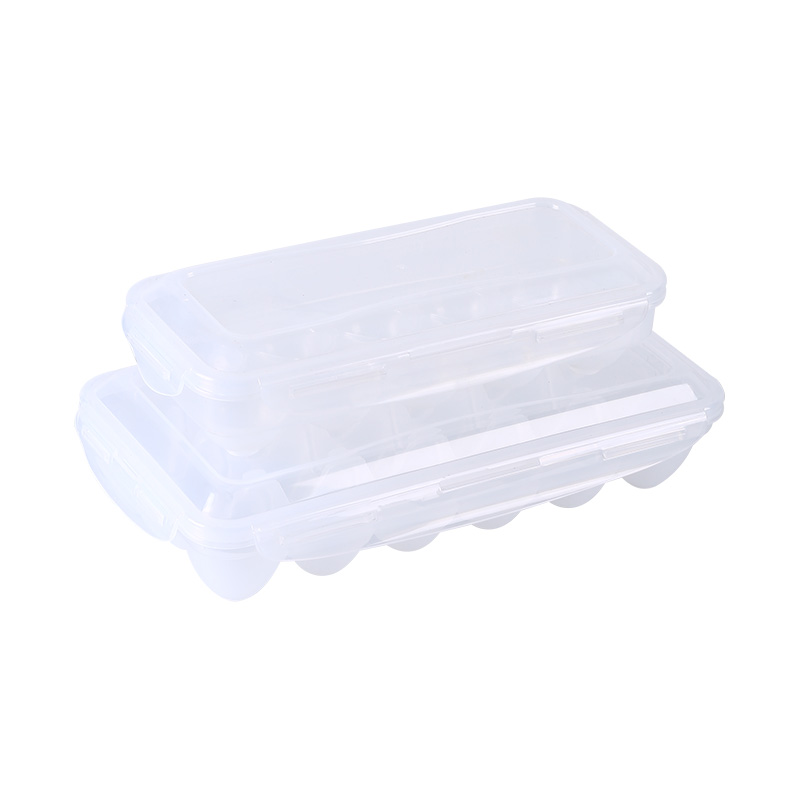
PP Plastic Egg Tray Storage Box
-
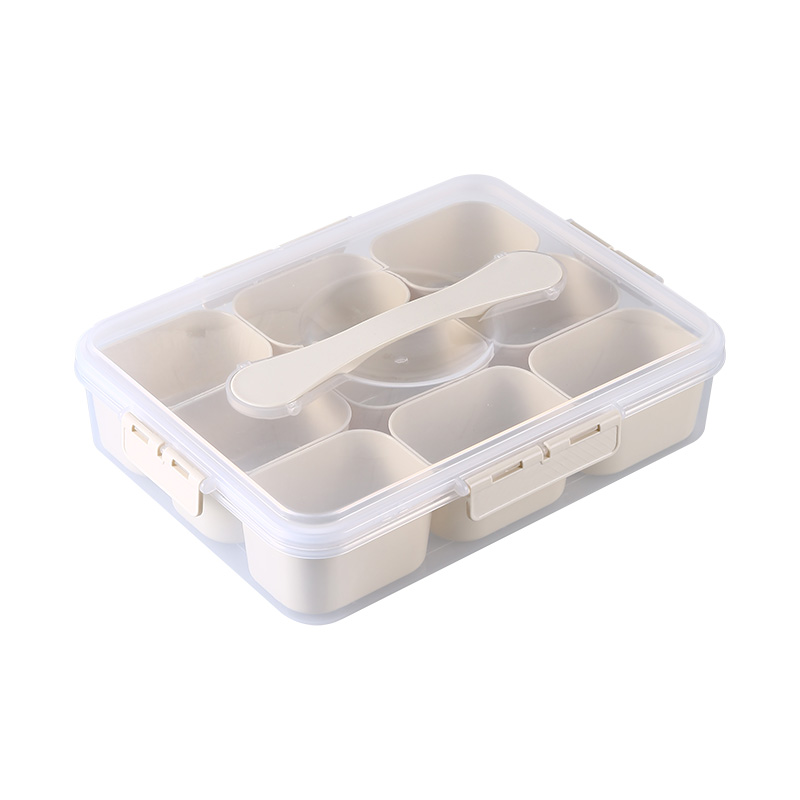
9 Compartment Divided Serving Tray With Lid And Handle Dried Fruit Storage Box
-
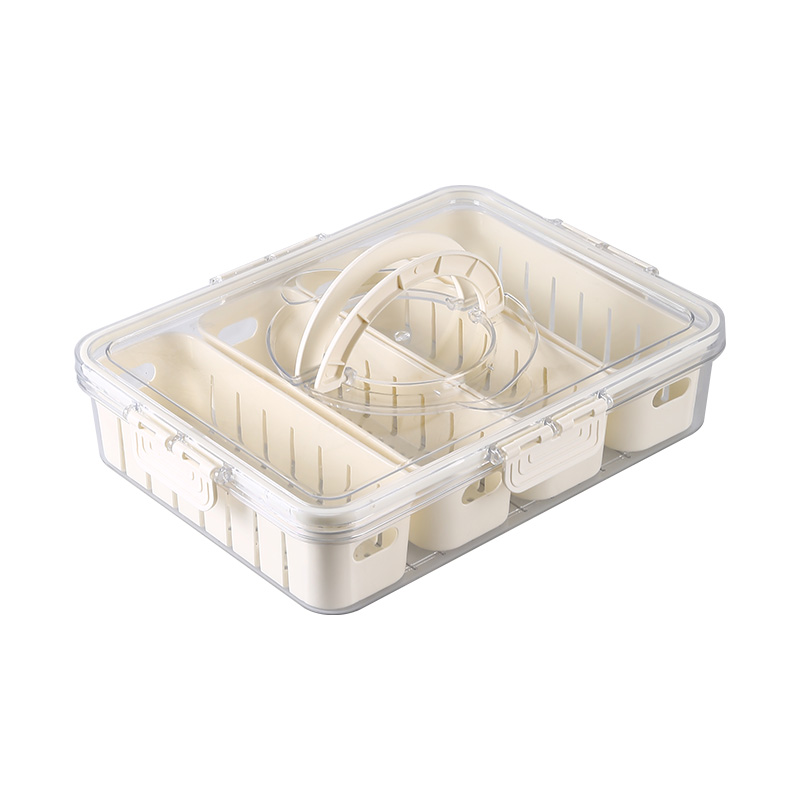
PP Material Handheld Fresh-Keeping Sealed Box Dry Food Classification Storage Box
-
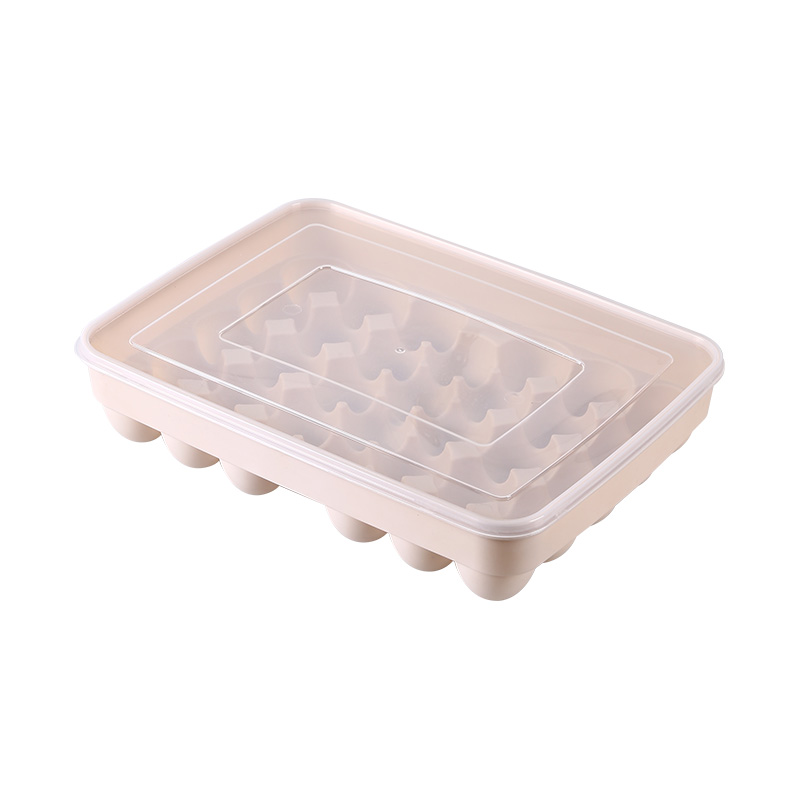
Refrigerator Storage Multi-Grid Egg Box Can Be Stacked With Cover To Food Preservation Box
-
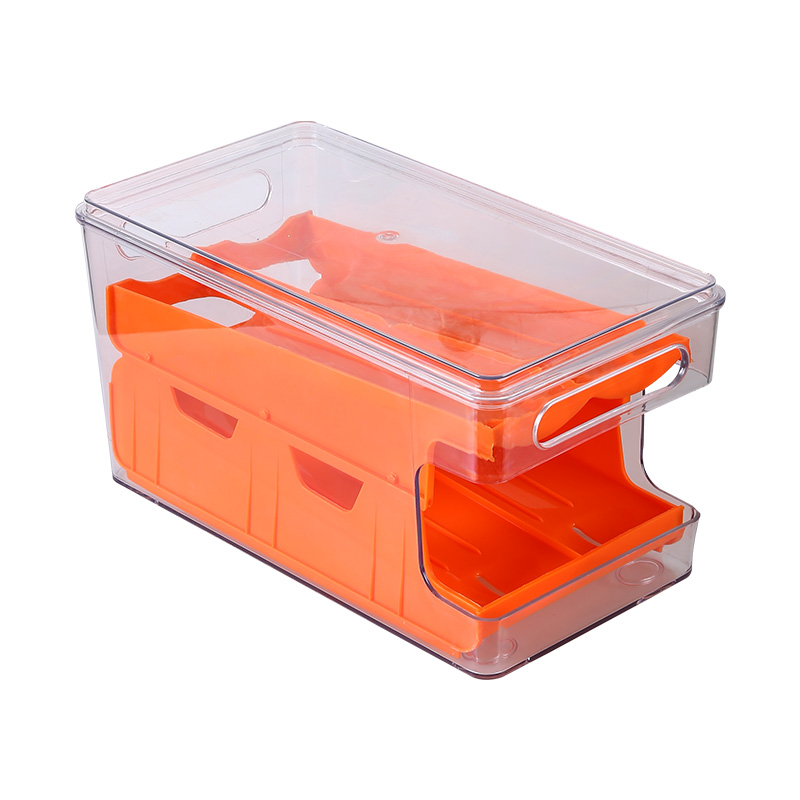
Dual-Layer Transparent Egg Storage Rack Eco-Friendly Slide-Type Household Kitchen

 No. 7 Yicheng Middle Road, Anzhou Street, Xianju, Taizhou, Zhejiang, China.
 +86-0576-89370898
Copyright© Taizhou Soudelor Plastic Industry Co., Ltd. All Rights Reserved.
ECO Friendly Plastic Products Factory
